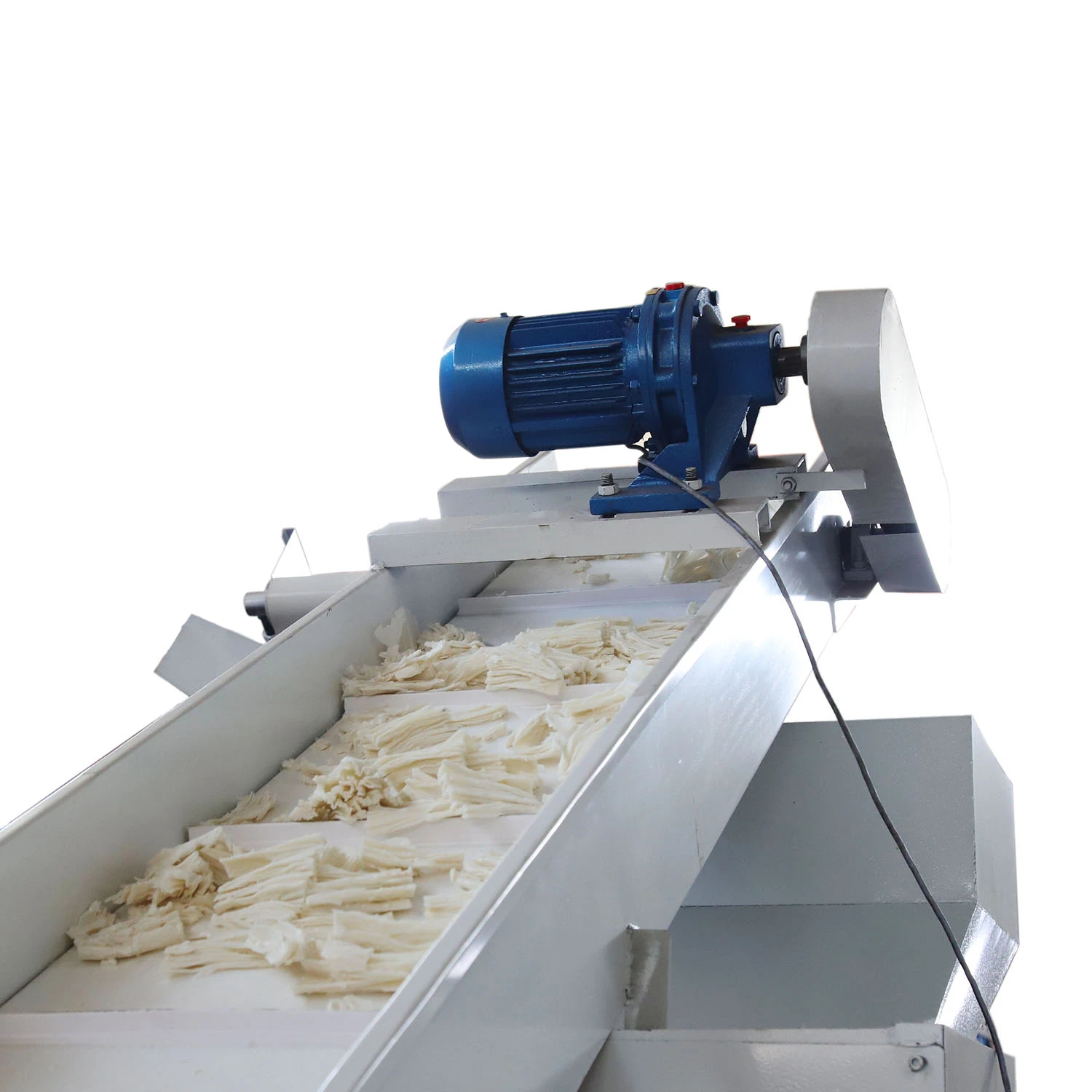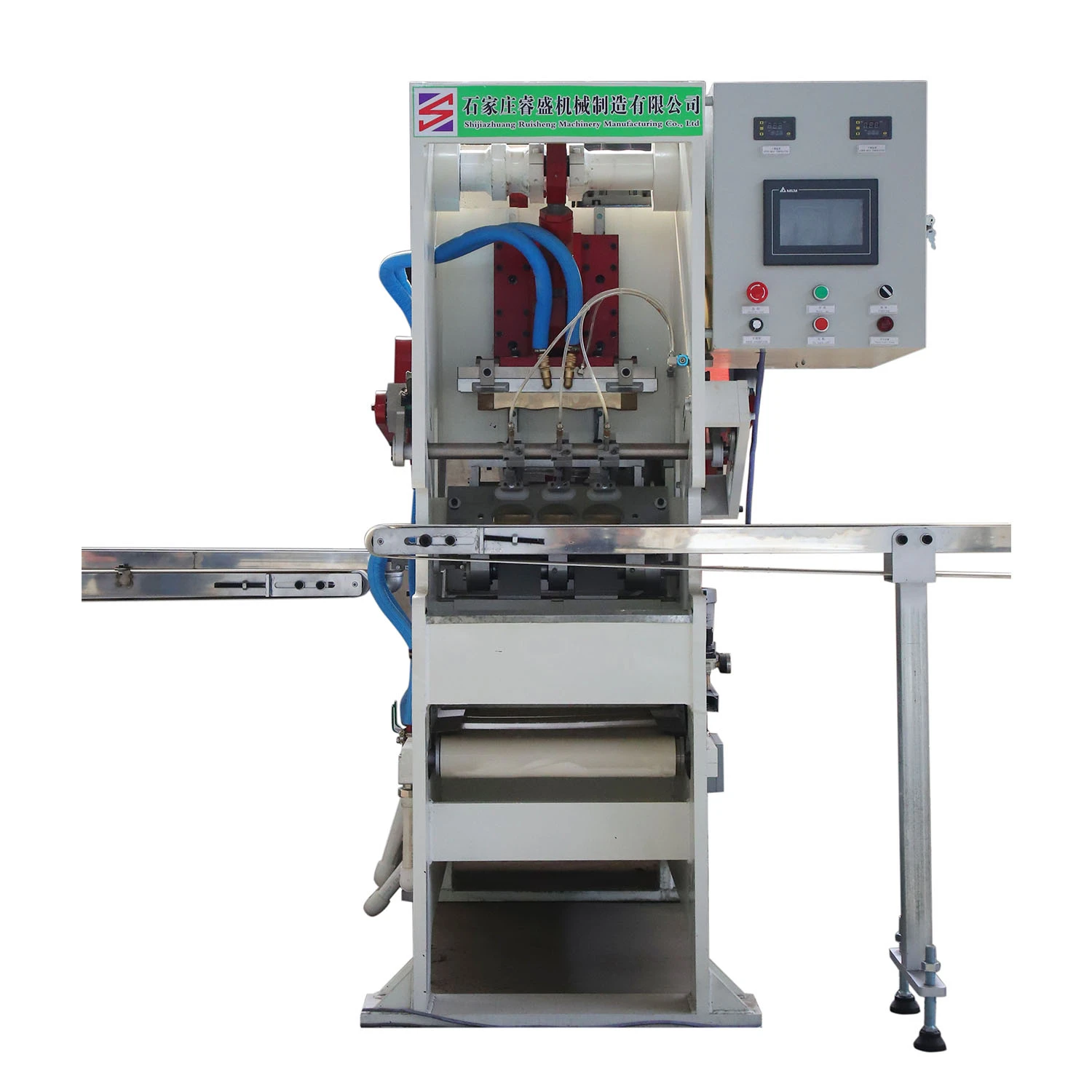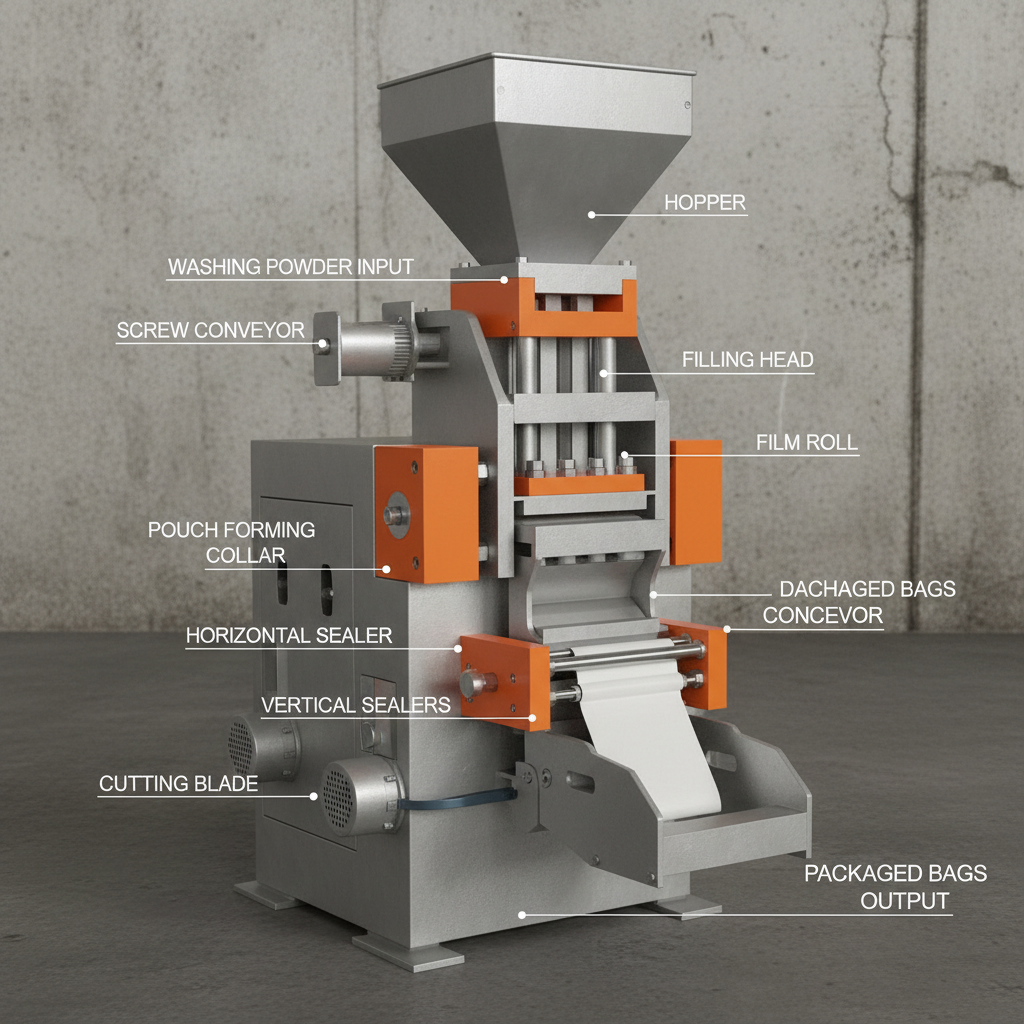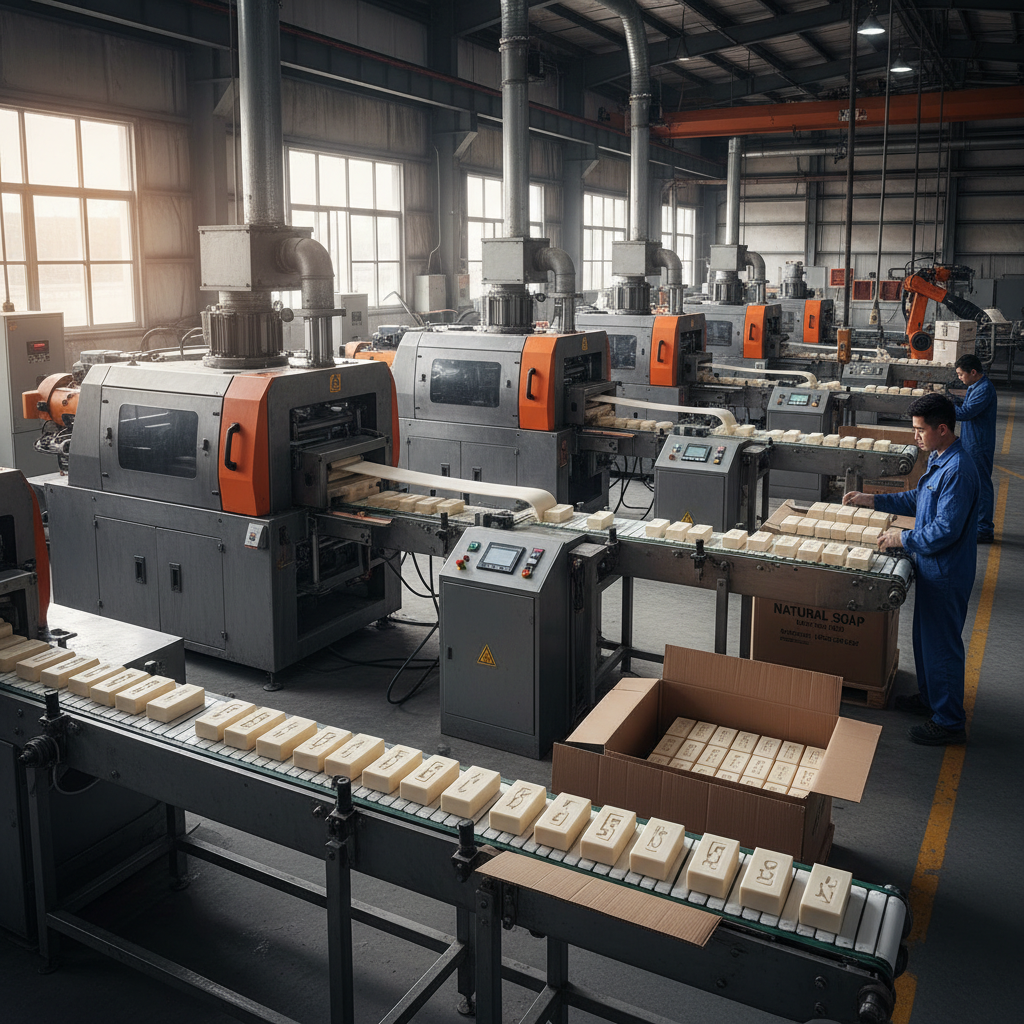
When I first saw the industrial vacuum dryer on the factory floor, it looked deceptively simple — a stainless chamber, a motor, a control panel — but the real value is in process control and repeatability. To be honest, many customers say their biggest wins come from consistent output rather than flashy specs.
Below I’ve condensed what matters: trends, specs, processes, vendors and a short case study. I’ve worked with soap, pharma excipients and food ingredients on similar machines, so expect a few practical asides.
Industry trends
Vacuum freeze drying is trending toward higher throughput, tighter PID control, and data logging for GMP / ISO compliance. Automation and remote monitoring are common upgrades. Surprisingly, smaller producers are investing in mid-size units (1–3 t/day) because real-world use may vary and downtime costs more than capital.
Product specification (typical)
|
Item |
Value |
|
Product name |
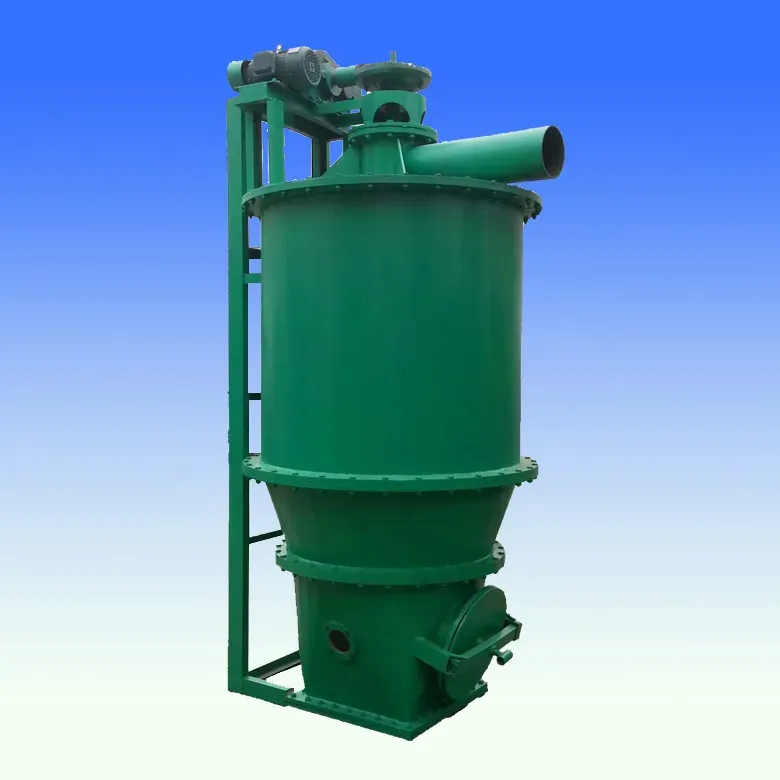
Vacuum Freeze Dry Chamber |
|
Usage |
Extract water from soap base; liquid → solid |
|
Rotational speed |
≈ 13 rpm |
|
Working efficiency |
≈ 2000–3000 kg/hour (real-world use may vary) |
|
Motor power |
2.2 kW |
|
Overall dimensions |
φ Φ1700 × 3400 mm |
|
Weight |
≈ 1540 kg |
Process flow & testing
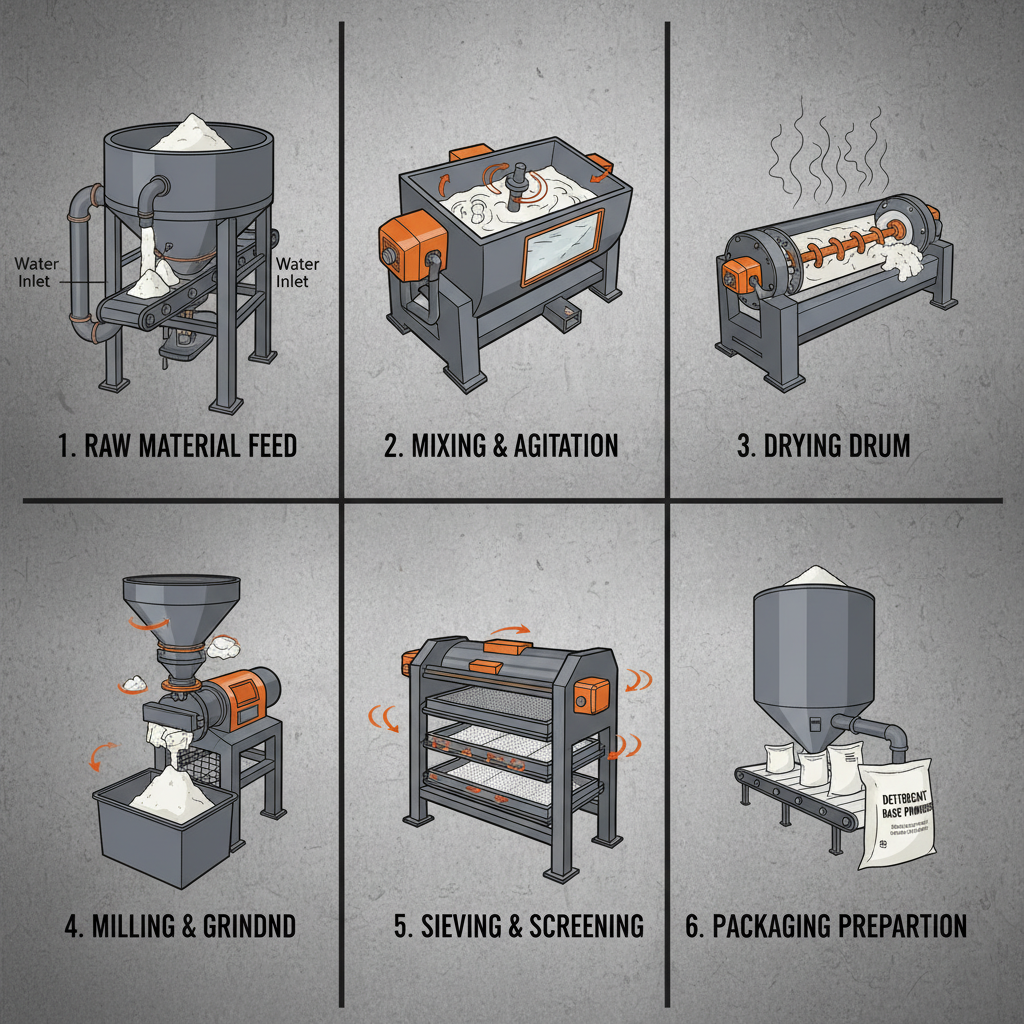
Typical steps: feed soap base → pre-freeze (if required) → load chamber → vacuum drawdown → controlled heating to sublimate water → discharge and milling/packaging. Materials: stainless 304/316L for wetted parts, PTFE seals, silicone gaskets. Methods include staged vacuum ramps, PID temperature control, and condensation management.
Standards & testing: IQ/OQ/PQ protocols, ASTM methods for moisture, ISO 9001 for QA systems, CE marking for EU. Typical acceptance tests include residual moisture <1–3% (depending on formula), cycle repeatability ±5% and leak rate <103 mbar·L/s. Service life: with scheduled maintenance, 8–15 years; moving parts and pumps need periodic replacement.
Vendor comparison
|
Vendor |
Throughput |
Certs |
Notable |
|
RS Soap Machine |
2000–3000 kg/h |
CE, ISO 9001 |
Robust soap-specific configs; good spare parts |
|
Vendor B (generic) |
≈1500–2500 kg/h |
CE |
Lower price, limited custom options |
|
Vendor C (premium) |
≈2500–3500 kg/h |
ISO, GMP |
Advanced automation, higher capex |
Applications & case study
Used in soap base production, specialty chemicals, food powders and lab-scale pharma. Case in point: a mid-size soap maker replaced batch ovens with the industrial vacuum dryer and cut cycle time by ~30% while achieving more uniform solids — they measured residual moisture dropping from 5% to ~1.8% and fewer rejects. Customer feedback: quieter operation, easier cleaning, but expect a learning curve on cycle tuning.
Buying tips & customization
Ask for IQ/OQ/PQ documentation, pump brand & service intervals, spare parts kit, and options for data logging. Customization often includes tray count, jacketed heating, CIP ports and automation packages. Warranty and local service network matter more than a minor price difference.
If you want a checklist or help interpreting lab test data from your first runs, ping me — I’ve been through dozens of installations and, frankly, you learn most from that first upset cycle.
- Vacuum Freeze Dry Chamber — RS Soap Machine (product page)
- ISO 9001: Quality management — https://www.iso.org/iso-9001-quality-management.html
- ASTM moisture testing standards overview — https://www.astm.org/Standards/moisture-testing-standards.html