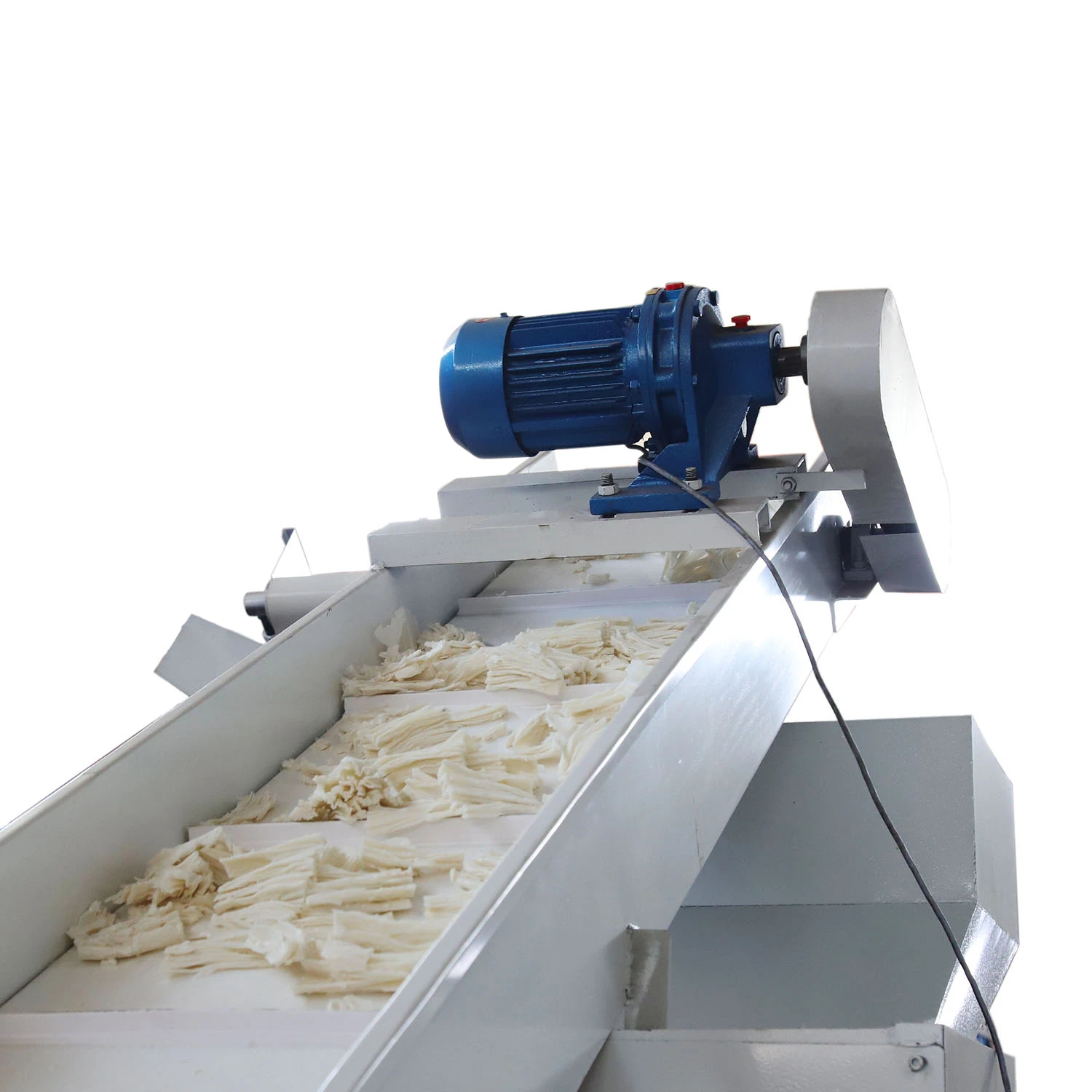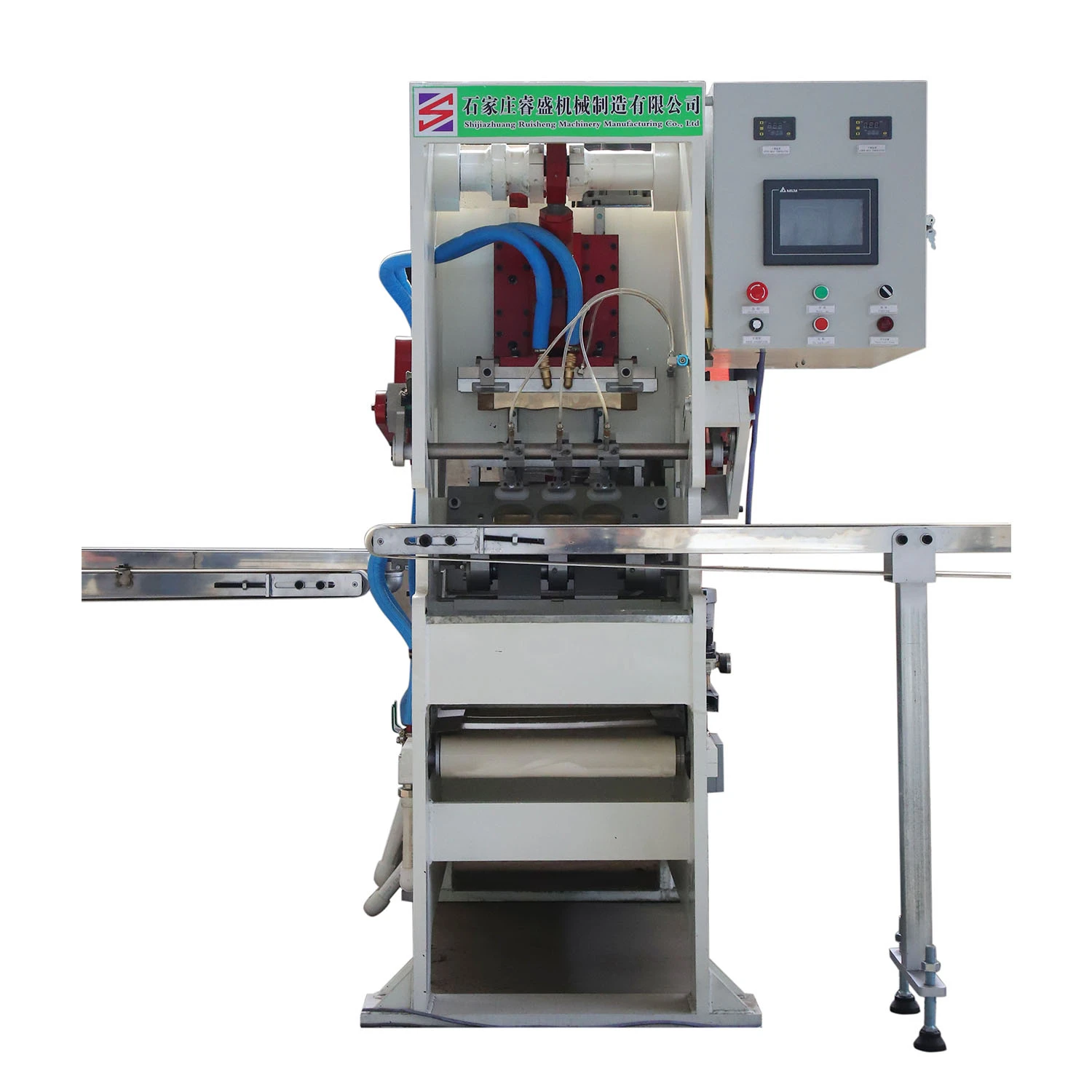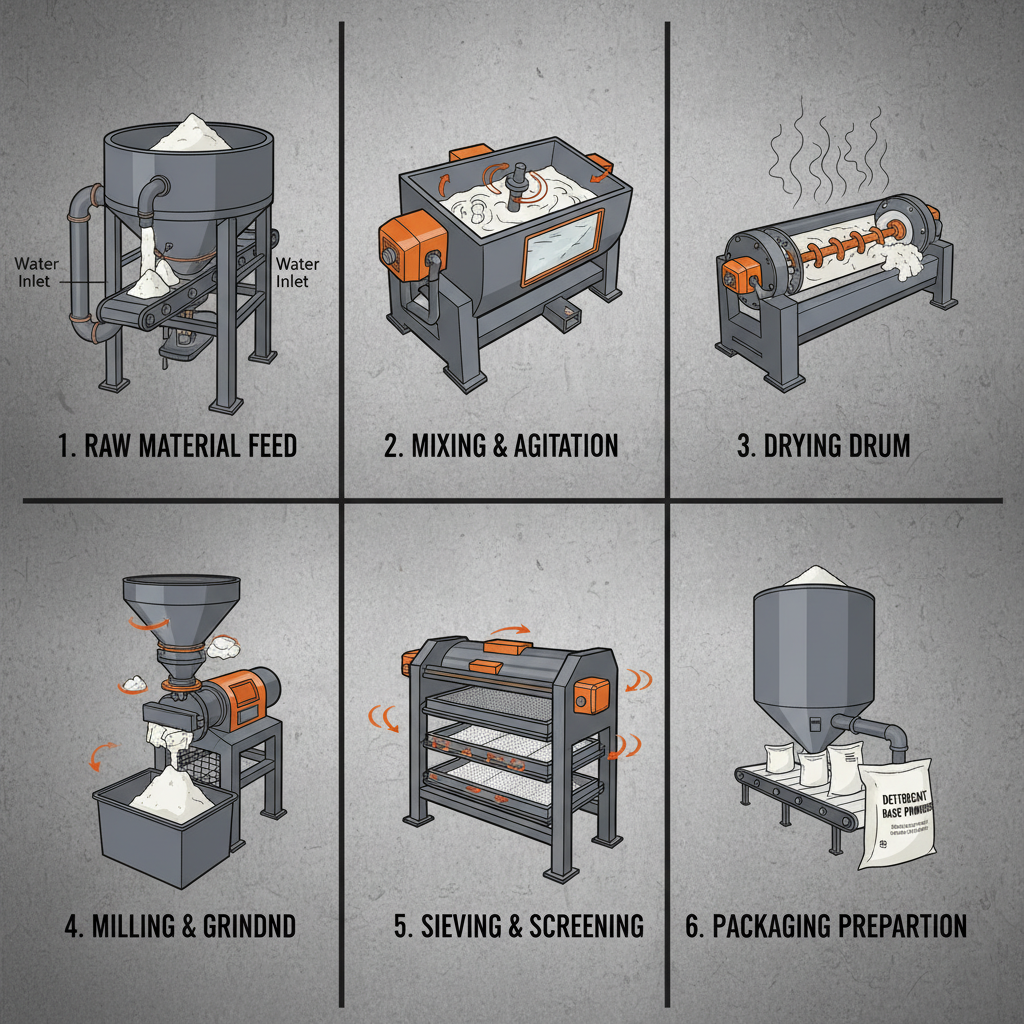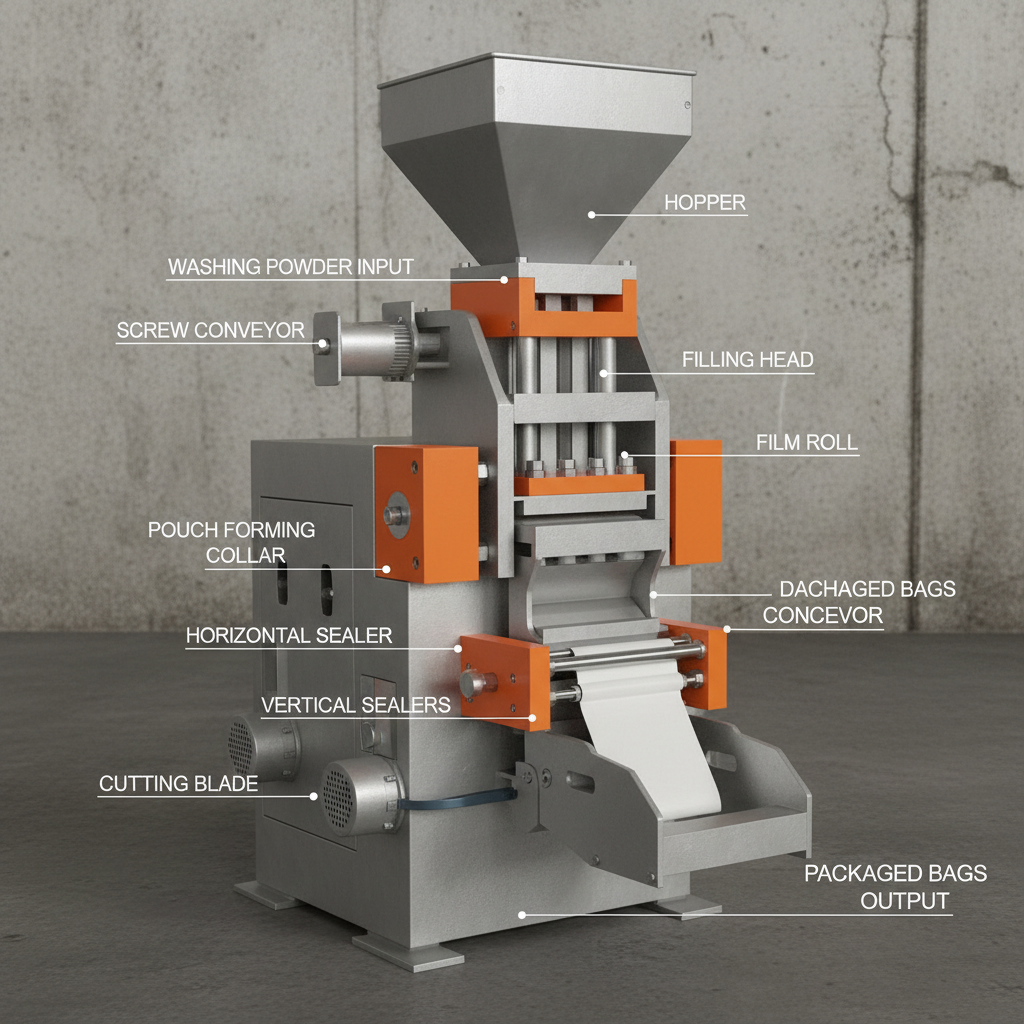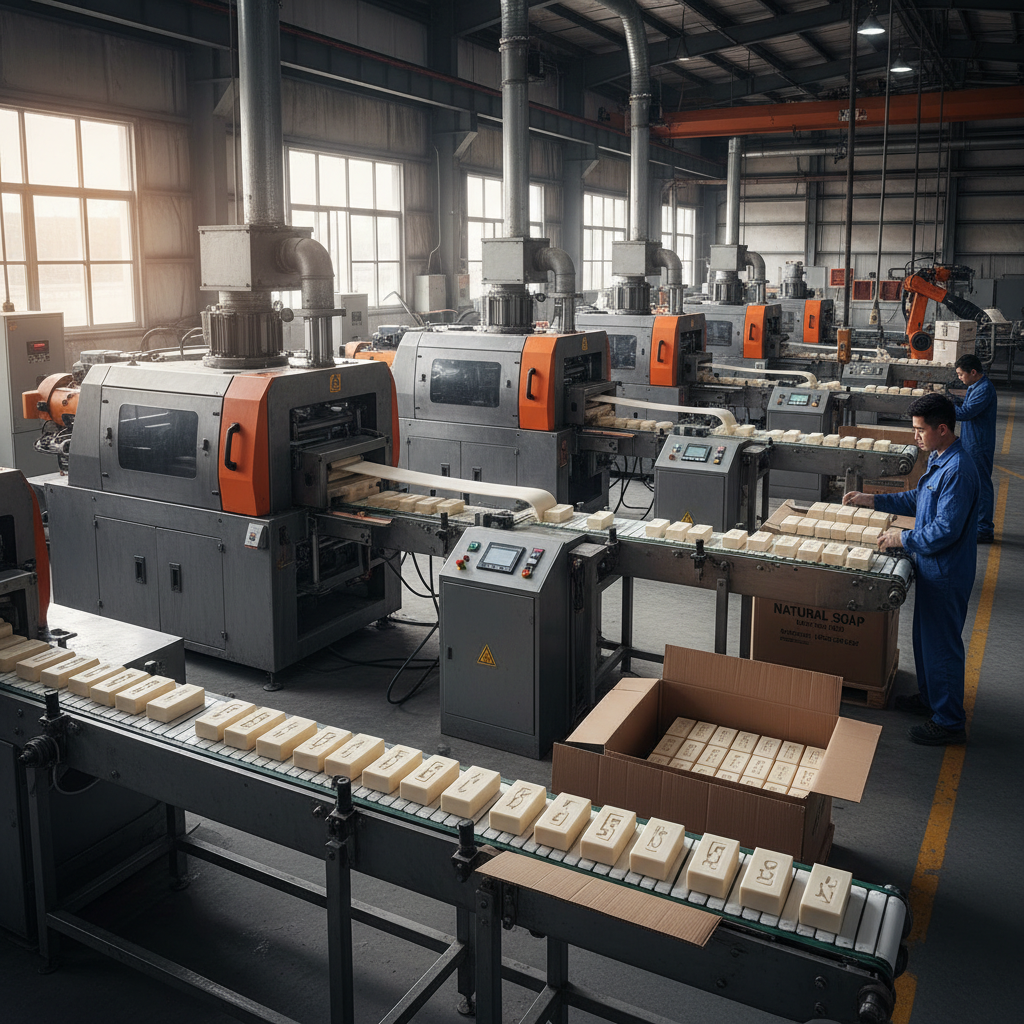
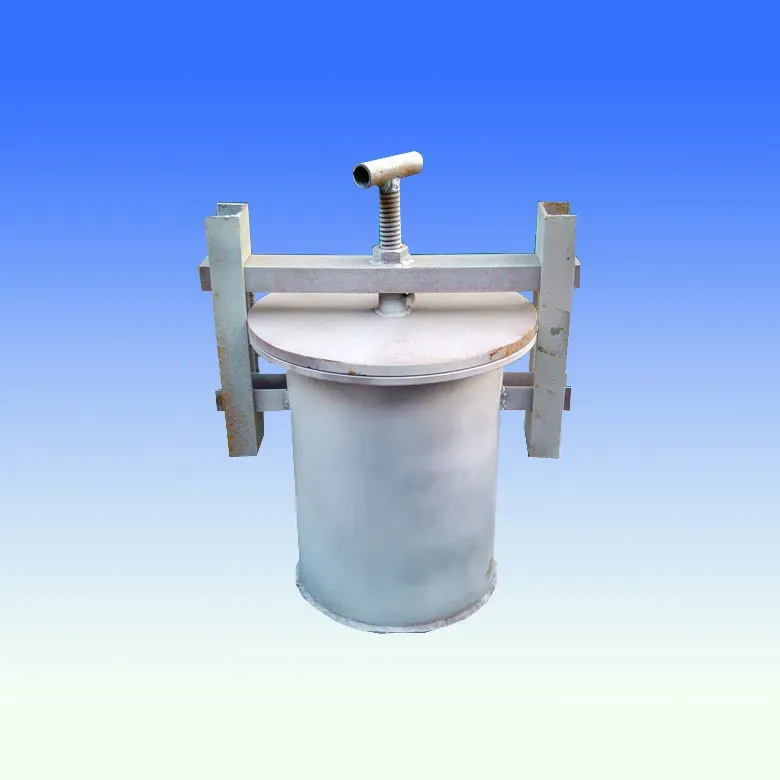
If you make soap professionally, you probably already know the value of clean mass. The [soap strainer] sits quietly in pots and mixers to catch unmelted alkali particles, clots, and contaminants — and yes, it saves a lot of rework. I’ve visited small plants and big ones; the same lesson keeps repeating: good straining equals consistent texture and fewer rejects.
How it fits into production (process flow)
Materials → Saponification → Filtration (soap strainer) → Extrusion → Drying/Stamping → Packaging. In practice:
- Feed: fats, lye, additives (raw material inspection per EN 10204 where applicable).
- Saponification: heated kettle where the filter cylinder prevents solids proceeding downstream.
- Straining: perforated/filter mesh captures debris; reduces clumping in mixing cylinders.
- Downstream: extrusion and drying run smoother; quality control samples show uniformity improvements.
Materials, construction & testing
Most industry units use stainless steel 304 or 316 for corrosion and cleaning resilience. Common construction methods: welded perforated shells, TIG seam welding, and pressed end-caps with replaceable woven mesh. Typical tests: material certificates (EN 10204), dimensional checks, hydrostatic or pressure-drop tests, and end-use particulate capture verification against in-house QA protocols or ISO 9001 frameworks.
Product specifications (typical)
|
Spec |
Value (typ.) |
|
Material |
SS304 / SS316 option |
|
Mesh / Perforation |
Woven mesh 0.2–2.0 mm; perforated 1–5 mm |
|
Flow rate |
≈ 0.5–5 m³/h depending on size; real-world use may vary |
|
Pressure rating |
≤ 0.1–0.3 MPa (as supplied) |
|
Service life |
≈ 8–15 years (depends on maintenance) |
Vendor comparison
|
Vendor |
Material |
Lead time |
Certs |
Notes |
|
RS Soap Machine |
SS304 / SS316 |
≈ 2–6 weeks |
ISO 9001 (vendor claim), material certs |
Designed for soap lines; replaceable meshes |
|
Generic Filters Co. |
SS304 |
≈ 3–8 weeks |
CE optional |
Lower cost, less soap-specific support |
|
Local Fabricator |
Varies |
≈ 1–4 weeks |
Material certs possible |
Fast, customizable; QA varies |
Applications, advantages & customization
Used in saponification pots, mixing cylinders, and transfer lines. Advantages: fewer lumps, better extruder feed, reduced downtime. Customization options: removable inner baskets, graded mesh sizes for fragrances or exfoliants, and sanitary clamps for CIP (clean-in-place). Many customers say adding a second-stage fine mesh pays dividends for premium soap lines.
Case study (short)
A mid-size soap manufacturer I spoke with swapped to a two-stage strainer setup and reported a ≈ 6% yield improvement and 40% fewer extrusion blockages over three months. Not glamorous, but it’s the kind of operational win that keeps line managers smiling.
Standards, testing & maintenance
Recommended verifications: material certs per EN 10204, stainless-steel spec checks (ASTM A240 as reference for grades), and factory acceptance tests for flow/pressure. Routine maintenance: daily visual clean, weekly mesh inspection, and an annual integrity test — real-world lifespan depends on chemistry and cleaning frequency.
To sum up: a good soap strainer is low-tech but high-impact. If you’re optimizing a line, don’t skip it — you’ll regret the rework later.
- RS Soap Machine — official product page: https://www.rssoapmachinery.com/soap-strainer.html
- EN 10204 — Metallic products: inspection documents (material certification guidance)
- ASTM A240 — Standard Specification for Chromium and Chromium-Nickel Stainless Steel Plate, Sheet, and Strip for Pressure Vessels and for General Applications