The Ultimate Guide to Choosing Base Powder for Detergent
In the competitive world of cleaning product manufacturing, the quality of your raw materials determines the success of your brand. Selecting a high-performance base powder for detergent is the most critical step in creating a product that effectively removes stains while remaining gentle on fabrics. Whether you are a small-scale startup or an established chemical plant, understanding the chemical composition and functionality of your base materials ensures consistency and efficiency. In this guide, we will explore how the right base powder can optimize your production costs and enhance the cleaning power of your final product.
What Exactly is Base Powder for Detergent?
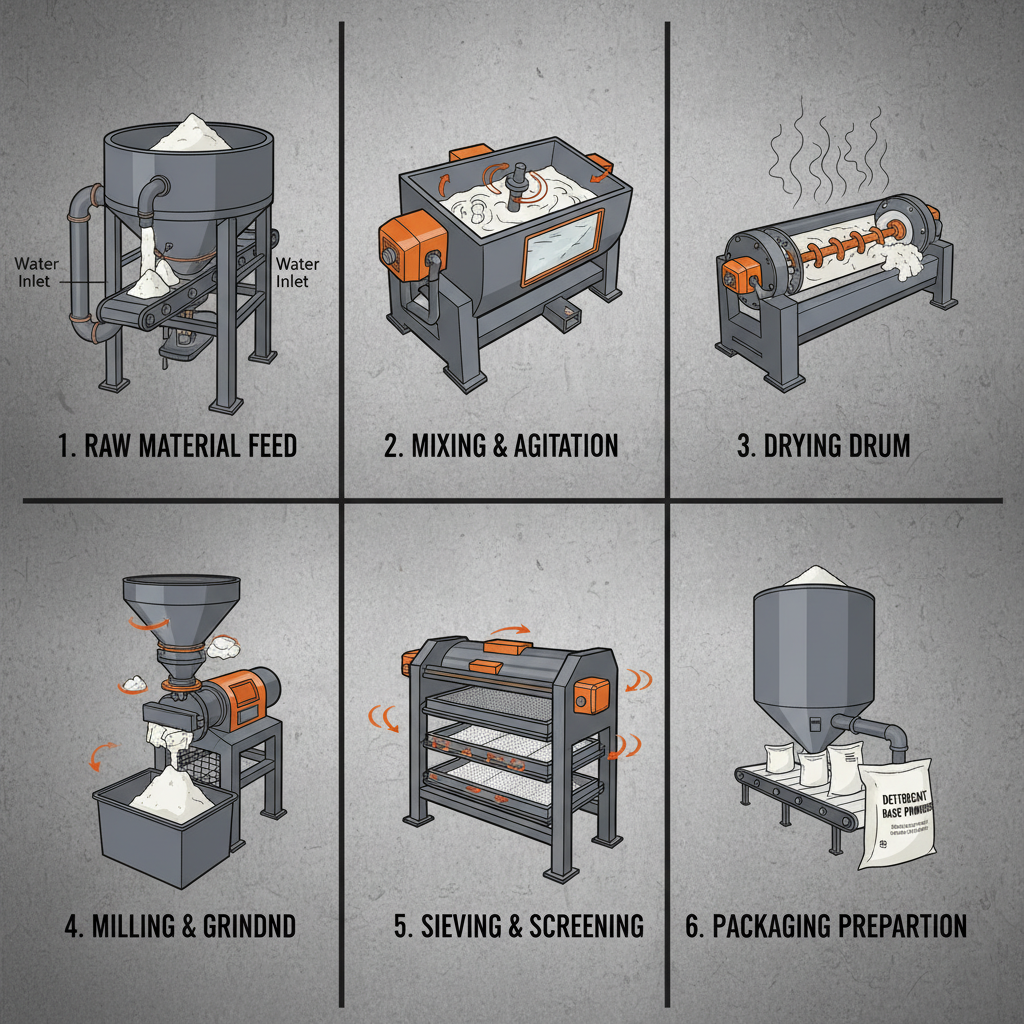
Essentially, a base powder for detergent serves as the foundation of any powdered laundry soap. It is a pre-blended mixture of primary surfactants and builders that provides the necessary chemical environment for cleaning. Instead of sourcing every single chemical separately—which can lead to mixing errors and instability—manufacturers use a base powder to ensure a stable, homogenous starting point. This base typically includes components that soften water, emulsify oils, and lift dirt from fibers, allowing producers to simply add fragrances, dyes, or specialized enzymes to create their unique formula.
Pro Tip: Using a standardized base powder reduces production time by up to 40% and minimizes the risk of chemical reactions that can cause the detergent to clump or lose effectiveness over time.
Core Components of High-Quality Base Powder
The effectiveness of a detergent depends on the synergy between its ingredients. A professional base powder for detergent is formulated with a precise balance of active agents. Surfactants, such as LAS (Linear Alkylbenzene Sulfonate), are the primary cleaning agents that break down surface tension. Builders, like Sodium Tripolyphosphate (STPP) or Zeolites, are added to prevent minerals in hard water from interfering with the surfactants. Additionally, alkalinity regulators like Sodium Carbonate ensure the pH level is optimal for removing acidic soils, such as grease and food stains.
Essential Ingredients Checklist:
• Active Surfactants: For oil and grime emulsification.
• Water Softeners: To ensure performance in hard water areas.
• Fillers: To provide bulk and ensure easy flow of the powder.
• pH Buffers: To maintain chemical stability during the wash cycle.
Comparing Base Powder for Detergent Types
Not all detergents are created equal. Depending on whether you are targeting the luxury market or the economy segment, the composition of your base powder for detergent will vary. Economy grades often rely more on fillers to reduce costs, while premium grades feature a higher concentration of active surfactants and biodegradable builders. The following table compares the typical characteristics of these different grades to help you make an informed procurement decision.
How to Optimize the Use of Base Powder for Detergent
To maximize the efficiency of your base powder for detergent, the mixing process is paramount. Using a professional detergent powder mixing machine ensures that additives—such as enzymes for organic stain removal or optical brighteners for whiter whites—are distributed evenly throughout the base. Inconsistent mixing can lead to "hot spots" where the detergent is too caustic, potentially damaging clothes, or "dead zones" where the product fails to clean. Proper storage in a cool, dry environment is also essential to prevent the base from absorbing moisture and caking.
Technical Specifications and Quality Control
Quality control is the bridge between a generic product and a market leader. When auditing a supplier of base powder for detergent, you should look for specific technical parameters. Bulk density is crucial for packaging calculations, while the moisture content must be kept low (typically below 5%) to ensure a long shelf life. Below are the standard technical specifications usually required for an industrial-grade detergent base.
Environmental Impact and Sustainability
Modern consumers are increasingly environmentally conscious, shifting demand toward "green" cleaning products. As a result, the formulation of base powder for detergent has evolved. The industry is moving away from phosphates, which cause eutrophication in water bodies, and replacing them with biodegradable chelating agents. Choosing a sustainable base not only helps the planet but also opens doors to certifications like "Eco-Label," allowing brands to charge a premium and attract a wider, more loyal customer base.
Conclusion: Scaling Your Business with the Right Base
Choosing the right base powder for detergent is the foundation of operational efficiency and product excellence. By understanding the chemistry, selecting the appropriate grade for your target market, and maintaining strict quality control, you can produce a cleaning agent that outperforms the competition. Whether your goal is cost-reduction or premium performance, the base powder is where the magic begins. Partner with reliable suppliers and utilize professional mixing equipment to ensure your brand stands for quality and reliability in every wash.
Frequently Asked Questions (FAQs)
Can I add my own enzymes to a pre-made base powder?
Yes, one of the primary advantages of using a base powder for detergent is its versatility. You can easily incorporate specialized enzymes such as proteases (for protein stains), amylases (for starch), or lipases (for fats). However, it is crucial to use a high-quality mixer to ensure these enzymes are evenly dispersed, as they are typically added in very small quantities. We recommend testing the stability of the final blend to ensure the alkaline environment of the base doesn't deactivate the enzymes.
How do I know if my detergent base is high quality?
High-quality base powder should exhibit a consistent particle size, a free-flowing nature without clumps, and a distinct lack of moisture. Chemically, it should maintain a stable pH and show high solubility in water without leaving residue. The most reliable way to verify quality is through a laboratory analysis of the "Active Matter" percentage—the higher the active matter, the more effective the cleaning power. Always request a Technical Data Sheet (TDS) and a Certificate of Analysis (COA) from your supplier.
Does the base powder work for both front-load and top-load machines?
Most standard base powder for detergent can be adapted for both. However, for front-load (HE) machines, the base must be formulated to produce low suds. Excess foam in HE machines can interfere with the cleaning action and potentially damage the pump. If you are targeting the HE market, ensure your base powder uses low-foaming surfactants or includes a suds-suppressor. Top-load machines are generally more forgiving regarding foam levels but still benefit from high-solubility bases to prevent powder buildup.
What is the best way to store bulk detergent base powder?
Detergent base is hygroscopic, meaning it absorbs moisture from the air, which leads to clumping. The best practice is to store it in a cool, dry, and well-ventilated warehouse. Use moisture-proof packaging, such as multi-layer PP/PE bags, and store the bags on pallets to avoid direct contact with the floor. Maintaining a low-humidity environment is key to preserving the flowability and chemical potency of the powder, ensuring that your production line remains efficient and your final product remains high-quality.