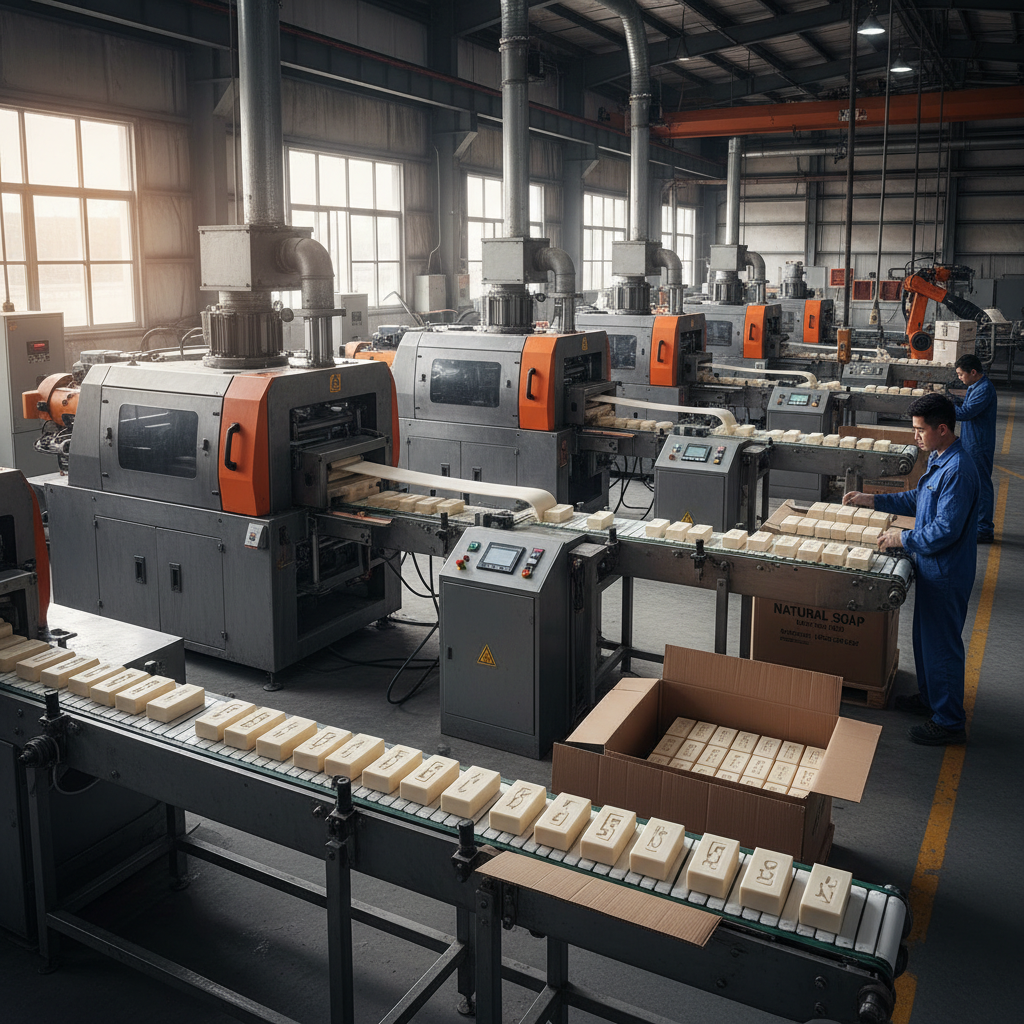
Soap Manufacturing Industry
The heater is primarily designed for soap base treatment. During the production of laundry soap, transparent soap, and perfumed soap, the equipment helps to evaporate excess water content while improving the optical clarity of the soap. This process results in soaps that are not only visually appealing but also structurally stable.
Detergent and Cleaning Products
For detergent bars and solid cleaning products, moisture control is critical for durability and performance. By passing the soap base through the 87-tube exchanger, manufacturers can achieve precisely controlled dehydration, ensuring the final products maintain the desired hardness, transparency, and quality.
Chemical Processing
Beyond soap production, shell-and-tube heaters are commonly applied in chemical and thermal processing industries. They can be used for heating, evaporation, or concentration of various fluid-based raw materials, ensuring optimal viscosity and stability for downstream operations.
-
Key Features
87-Tube Configuration
Provides a large surface area for efficient heat transfer and rapid moisture evaporation.
High Thermal Efficiency
Maximizes heat exchange between the heating medium and soap base, ensuring uniform processing.
Durable Construction
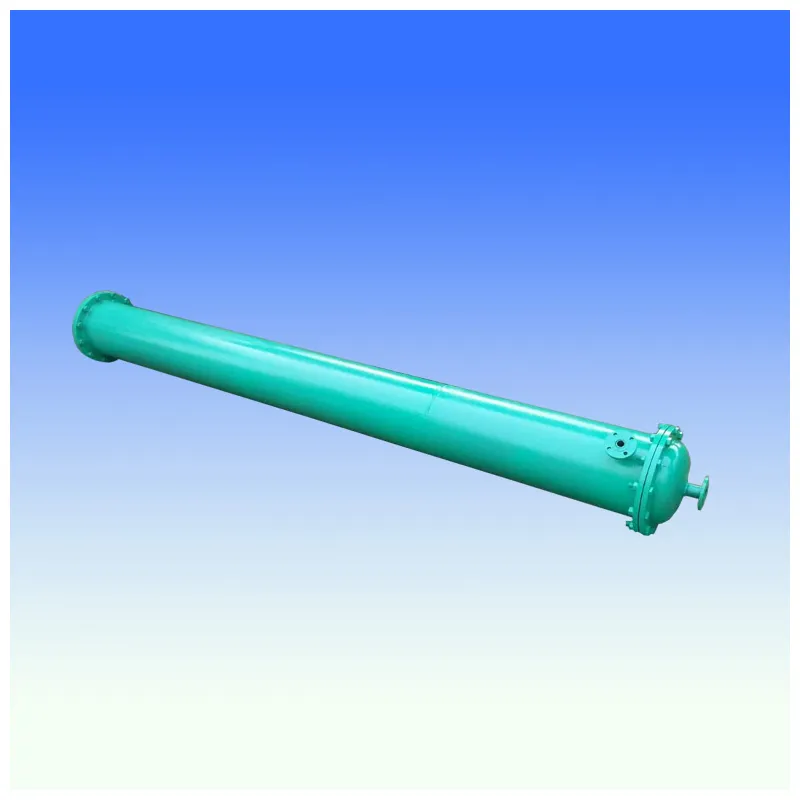
Robust Φ525*3450mm design with a weight of 496kg, guaranteeing stability and long-term service life.
Improved Product Quality
Ensures the soap base is clearer, smoother, and more transparent, meeting consumer demand for premium soap.
Compact Design
Space-efficient construction allows integration into existing production lines without requiring large floor space.
Low Maintenance
Simple tube arrangement for easy cleaning and maintenance, minimizing downtime. -
Usage Method
Setup
Connect the heat exchanger to the heating source (e.g., steam or hot water system).
Ensure inlet and outlet pipes for the soap base are securely fitted.
Operation
Pump the soap base through the 87 tubes, where it comes into indirect contact with the heating medium.
Heat energy is transferred through the tube walls, evaporating water content from the soap base.
Adjustment
Control the flow rate and temperature to achieve the desired dehydration level and soap transparency.
Completion
Collect the processed soap base, now with reduced water content and improved clarity.
Cleaning & Maintenance
Regularly flush and clean the tubes to prevent clogging.
Inspect seals, gaskets, and joints to maintain long-term performance. -
Advantages For Manufacturers
Enhanced Soap Transparency: Improves optical quality, giving finished soaps a premium appearance.
Moisture Reduction: Extends shelf life and structural integrity of soap bars.
High Efficiency: 87 tubes provide maximum heat transfer with minimal energy waste.
Durability: Built with industrial-grade materials to withstand continuous heavy-duty operations.
Versatility: Suitable for various thermal processes across soap, detergent, and chemical industries.
Cost-Effective: Low operational and maintenance costs, ensuring long-term savings. -
Technical Specifications
Product Name: Shell-and-Tube Heater / Tube Heat Exchanger
Tube Count: 87 tubes
Dimensions: Φ525*3450mm
Weight: 496kg
Application: Soap base dehydration, transparency improvement, thermal processing
Primary Industry: Soap, detergent, and chemical manufacturing
-
Extended Topics & Industry Relevance
Innovation in Soap Transparency
Consumers increasingly demand clear and aesthetically pleasing soaps. The shell-and-tube heater makes it possible to meet these expectations by producing premium-quality transparent soaps.
Sustainability and Energy Savings
With its efficient heat transfer design, the equipment minimizes energy consumption, helping manufacturers move towards sustainable production while reducing operational costs.
Scalability and Flexibility
Whether for small soap factories or large industrial plants, the heater can be adapted or scaled to meet different production requirements.
Cross-Industry Usage
Apart from soap making, the technology is relevant in food, pharmaceutical, and chemical sectors where controlled heating and dehydration are critical. -
What is the average lead time?
Request a Quote
If you are interested in our products, you can choose to leave your information here, and we will be in touch with you shortly.