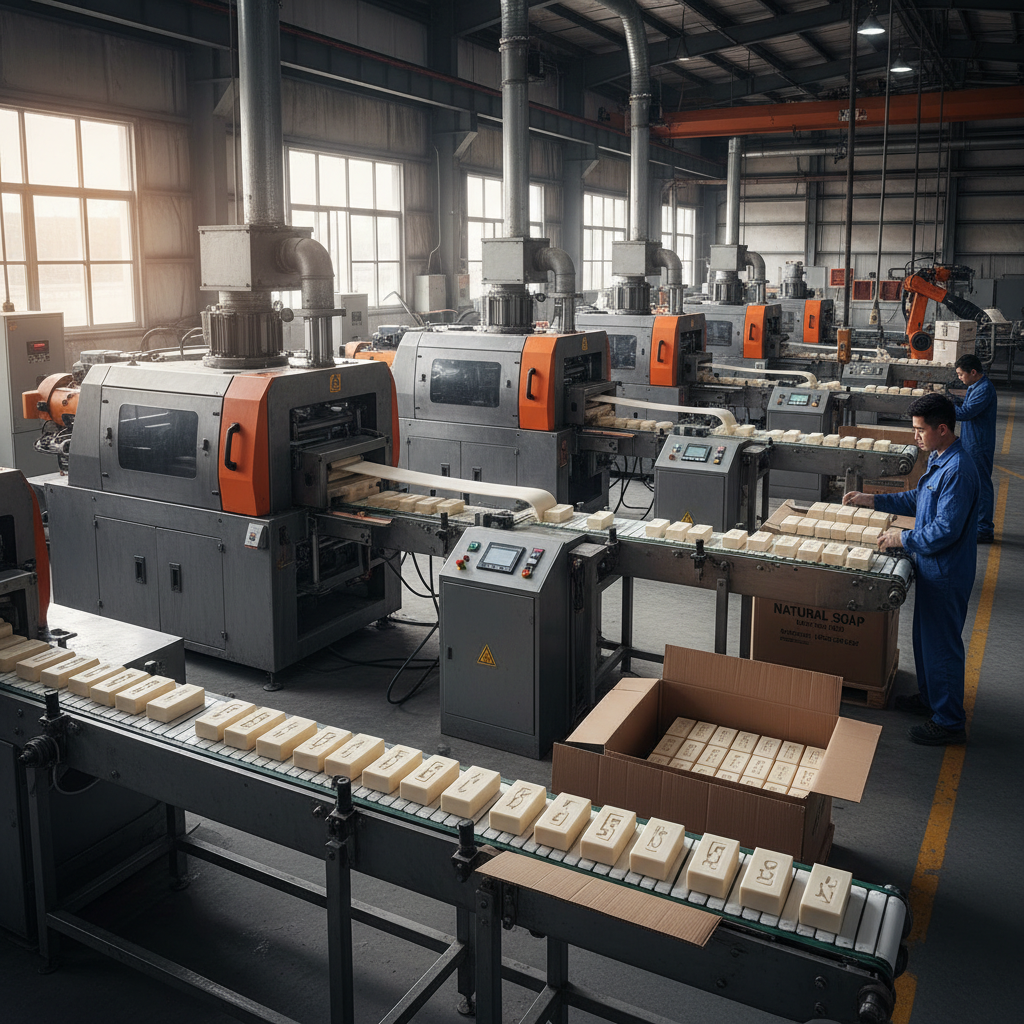
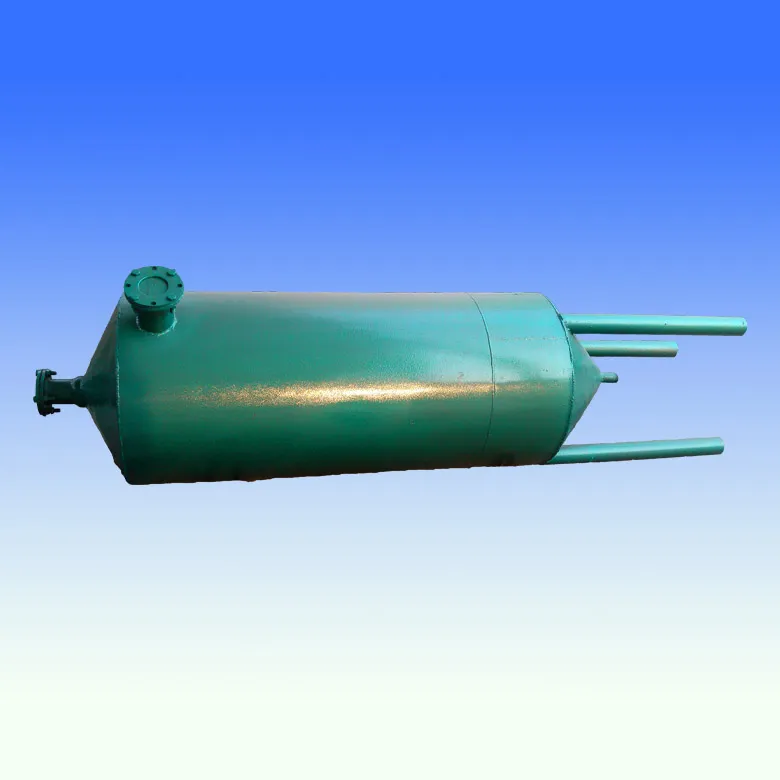
The main function of the buffer tank is to act as a stabilizing vessel within production lines, compensating for flow fluctuations and maintaining steady output. In soap production, it is commonly used to temporarily hold soap base or other liquid mixtures between processes, ensuring that downstream equipment receives a consistent supply. By acting as an intermediate storage unit, the buffer tank minimizes disruptions caused by variable inflows or sudden demand changes. Beyond soap manufacturing, it is widely applicable in industries such as food and beverage processing, water treatment, pharmaceuticals, and petrochemicals, where stable flow control is essential to achieve high product quality and efficiency.
-
Operating Principle
The buffer tank operates on a simple but effective principle: it receives incoming material and holds it temporarily before releasing it at a controlled and steady rate. This function helps balance variations in pressure and flow within the production line. Its cylindrical structure, with a height of 2300mm and a diameter of 700mm, provides sufficient volume to absorb fluctuations while maintaining a compact footprint. The design ensures minimal turbulence during storage, preserving the consistency and quality of the material inside. Equipped with strategically positioned inlets and outlets, the buffer tank ensures smooth transfer and integration with connected equipment.
-
Efficiency And Process Stability
Incorporating a buffer tank into the production system significantly improves efficiency and stability. By absorbing pressure surges and managing inconsistent inflows, the tank prevents interruptions that could otherwise affect product uniformity. In soap production, this ensures that the soap base flows smoothly through processes such as drying, mixing, or granulation, maintaining high-quality results. The consistent supply provided by the buffer tank also reduces strain on downstream machinery, extending equipment lifespan and reducing the risk of breakdowns. Overall, it enhances operational reliability and supports higher production throughput with minimal downtime.
-
Industrial And Market Value
The buffer tank provides considerable value in both specialized and broad industrial applications. For soap manufacturers, it ensures smooth transitions between stages of production, supporting higher efficiency and product consistency. In wider markets, the buffer tank is recognized as a critical piece of auxiliary equipment that can adapt to a variety of systems requiring flow regulation. Its moderate size and weight make it practical for both medium-scale and large-scale production facilities. Its versatility and wide range of applications enhance its market value, making it a cost-effective and long-lasting investment for industrial enterprises.
-
Sustainability And Resource Optimization
Another important aspect of the buffer tank is its contribution to sustainability and resource optimization. By reducing process interruptions, it helps minimize waste caused by unstable flow conditions or inconsistent processing. This ensures that raw materials are used more efficiently, lowering production costs and environmental impact. The cylindrical design reduces dead volume inside the tank, ensuring that material is utilized effectively without unnecessary loss. Its durable construction ensures a long operational life, minimizing the need for frequent replacements and supporting sustainable industrial practices over time.
Integration into Production Systems
The buffer tank is designed for seamless integration into a variety of production systems. Its φ700*2300mm dimensions allow it to be installed without occupying excessive space, while its 275kg weight provides structural stability during operation. In soap manufacturing, it fits naturally between drying, mixing, and refining equipment, acting as an intermediate unit to regulate flow. In other industries, it serves a similar role in connecting upstream and downstream processes, ensuring that equipment operates under consistent conditions. Its adaptability makes it a valuable addition to both new and existing production lines.
-
Maintenance And Durability
The buffer tank requires minimal maintenance thanks to its simple and robust design. Regular inspections and basic cleaning are typically sufficient to keep it in excellent working condition. Its structural durability ensures that it can withstand continuous use, pressure variations, and exposure to different materials without compromising performance. The lack of complex mechanical components reduces the likelihood of breakdowns, making the buffer tank a reliable piece of equipment that contributes to long-term operational stability. This dependability translates into reduced downtime, lower maintenance costs, and improved overall profitability for manufacturers.
The buffer tank is a durable, efficient, and versatile solution for stabilizing material flow in industrial production systems. With overall dimensions of φ700*2300mm and a weight of 275kg, it combines compact design with high performance, making it suitable for a wide range of applications. By absorbing fluctuations, ensuring consistent supply, and supporting downstream equipment, it enhances process stability, efficiency, and product quality. Its role in reducing waste, optimizing resources, and supporting sustainability further strengthens its value in modern manufacturing. For industries such as soap production, chemicals, food processing, and water treatment, the buffer tank is an indispensable investment that delivers reliability, efficiency, and long-term benefits.
-
What is the average lead time?
Request a Quote
If you are interested in our products, you can choose to leave your information here, and we will be in touch with you shortly.