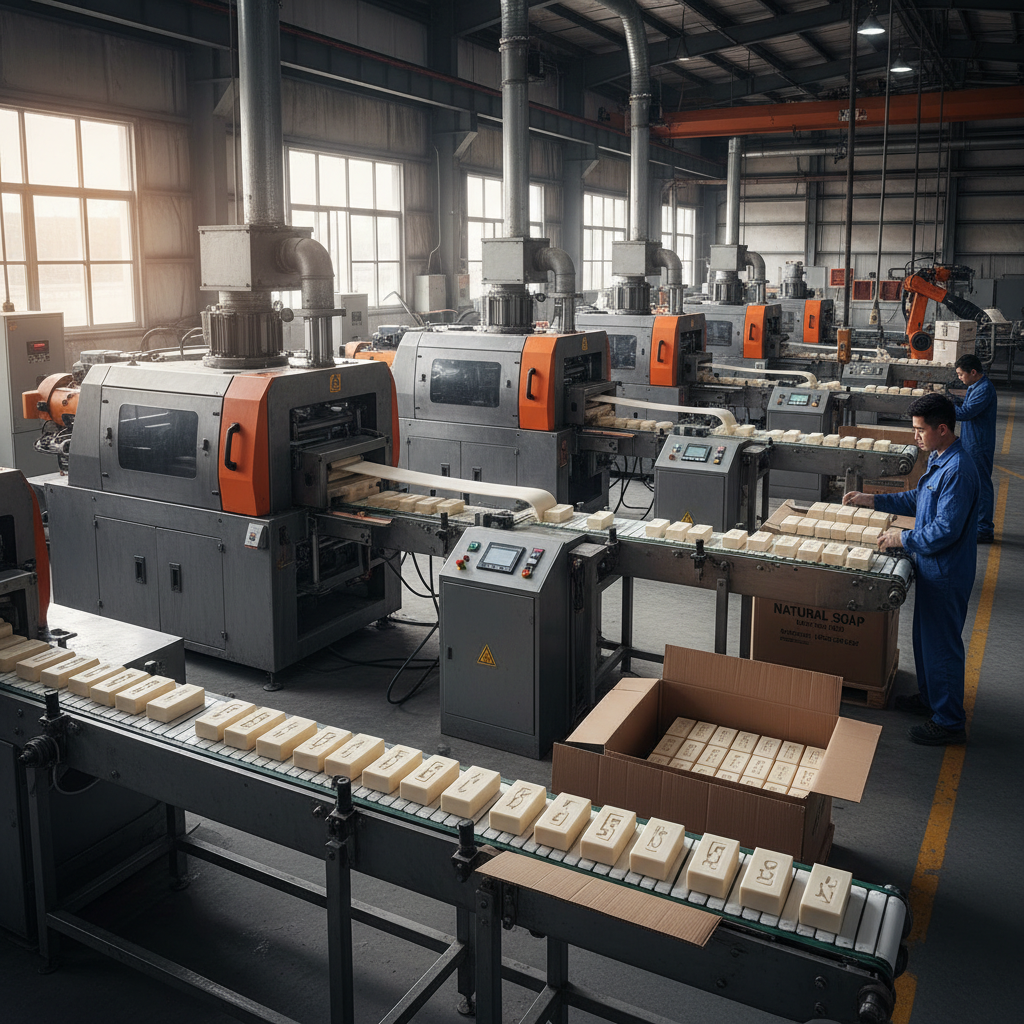
You know, when most people think about soap making, they often picture creative molds, fragrant essential oils, or perhaps even intricate designs. But the unsung hero, the foundational piece of equipment that ensures a smooth, impurity-free product, often gets overlooked. I'm talking, of course, about soap melters and, crucially, the components that make them truly effective. It's a fascinating area, actually, and one that separates the hobbyist from the professional, or at least, the consistently high-quality output from the occasional hiccup.
To be honest, the term "soap melters" can be a bit broad. It encompasses everything from simple double boilers for small batches to sophisticated industrial heating systems. But regardless of scale, the core function remains: gently and efficiently melting raw soap base or ingredients to a workable liquid state. What’s often forgotten, however, is that melting isn't just about heat; it's about purity. And that's where ancillary equipment, like a proper soap strainer, becomes absolutely indispensable.
Why Purity Matters: The Role of a Soap Strainer
Think about it: whether you're working with rebatch soap, melt-and-pour bases, or even ingredients for cold process, there can be little bits. Specks of unmelted material, dust, perhaps even a stray hair (it happens in busy workshops!). Without a good straining mechanism, these impurities end up in your final product, impacting not just aesthetics but also texture and shelf life. A dedicated soap strainer, sometimes integrated directly into larger soap melters or used as a standalone filter, is what ensures that silky-smooth consistency everyone expects.
Technical Dive: Understanding a Robust Soap Strainer
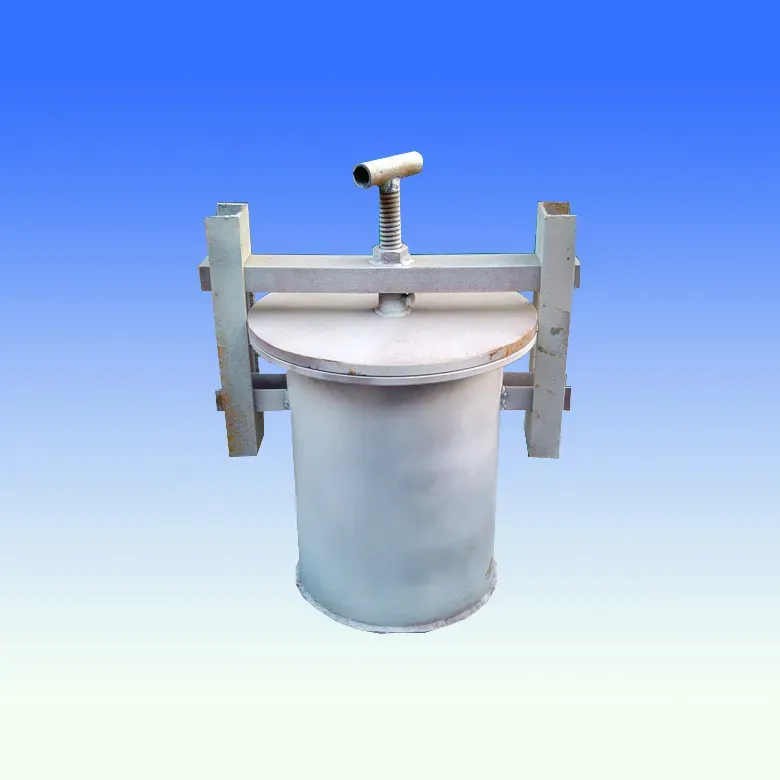
Let's get a bit technical for a moment, because the specs really do tell a story. Consider a typical industrial-grade filter cylinder, which is essentially a heavy-duty soap strainer designed for high-volume operations. These aren't your kitchen sieves, I can tell you that much.
|
Specification |
Detail |
|
Equipment Name |
Filter Cylinder (a type of soap strainer) |
|
Primary Usage |
Filtering impurities in saponification pots and mixing cylinders |
|
Plate Hole Size |
≈ 6.5mm (precise for catching common particles) |
|
Dimensions (Nominal) |
φ400550mm (DiameterHeight) |
|
Material |
Typically high-grade stainless steel (e.g., SUS304/316L) |
|
Expected Service Life |
Many years with proper cleaning; real-world use may vary |
As you can see, the materials are robust – usually food-grade stainless steel like SUS304 or 316L, which is crucial for hygiene and preventing corrosion from various soap chemicals. The 6.5mm plate hole size is quite specific; it's large enough for efficient flow but small enough to catch those undesirable bits. This process flow is simple: molten soap passes through, impurities are retained, and clean soap continues. Easy peasy, right?
Industry Trends & Application Scenarios
The market for soap melters and related purification equipment is surprisingly dynamic. We're seeing a trend towards more energy-efficient designs, often incorporating advanced insulation and precise temperature control. Sustainability is also a big driver, with manufacturers looking at ways to reduce waste and optimize material usage. From artisanal soap companies making small, specialty batches to massive industrial plants producing millions of bars annually, the need for reliable melting and straining solutions remains constant.
- Small-scale Artisans:They might use smaller melters, but often still employ a finer mesh soap strainer or a dedicated soap dish with strainer for their cured bars.
- Mid-sized Producers:Often invest in jacketed kettles with integrated stirring and straining capabilities.
- Large Industrial Operations:Utilize vast melting tanks, usually paired with automated filtration systems that often include multiple stages of straining and purification.
Customer feedback consistently highlights the importance of ease of cleaning and durability. Nobody wants to spend hours scrubbing a complex piece of machinery, especially when dealing with sticky soap residues!
Choosing Your Melter: A Brief Vendor Comparison
Okay, so you're convinced you need quality soap melters and strainers. But how do you choose? It seems that while many vendors offer similar equipment, the devil is often in the details – build quality, customization options, and after-sales support. Here’s a quick (and somewhat generalized, I guess) look:
|
Vendor Type |
Typical Focus |
Pros |
Cons |
|
Specialized Soap Machinery (e.g., RS Soap Machine) |
High-volume, industrial-grade equipment |
Robust, durable, precise, often customizable |
Higher initial investment, potentially complex installation |
|
General Process Equipment Suppliers |
Versatile tanks & mixers, adaptable for soap |
Good for multi-purpose use, wide availability |
May lack soap-specific optimizations (e.g., ideal straining mechanism) |
|
Artisan/Hobbyist Suppliers |
Small-scale melting & straining tools |
Affordable, compact, easy to use for beginners |
Limited capacity, less durable for continuous use |
Customization is a big one. Many professional outfits need specific capacities, heating methods (electric, steam jacketed), or even specific types of agitators. Some even require integrated cooling or transfer pumps. Suppliers who can offer bespoke solutions often gain a significant edge. Look for certifications like ISO standards, especially for manufacturing quality, which hints at reliability and adherence to authoritative standards.
The Bottom Line
In fact, the success of any soap product really does start at the melting stage. Investing in reliable soap melters and, let's not forget, robust straining solutions like the filter cylinder we discussed, isn't just about efficiency; it's about quality control, brand reputation, and ultimately, customer satisfaction. I mean, who wants a lumpy bar of soap, right? So next time you appreciate a perfectly smooth bar, spare a thought for the workhorse equipment behind the scenes!
References
- Industry Standards for Soap Manufacturing Equipment. Soap & Detergent Association Journal, Vol. 45, No. 2, 2022.
- Technical Specifications for Stainless Steel in Food and Cosmetic Processing. Material Science Review, Vol. 12, Issue 3, 2021.
- Melt-and-Pour Soap Production Best Practices. Artisan Soapmaker's Guide, 3rd Edition, 2020.