The Ultimate Guide to Choosing a Washing Powder Packaging Machine
In the competitive detergent industry, efficiency and precision in packaging are the cornerstones of profitability. A professional washing powder packaging machine is not just a piece of equipment; it is a strategic investment that ensures product integrity, reduces material waste, and accelerates time-to-market. Whether you are a startup venturing into the cleaning supplies market or an established manufacturer scaling up production, understanding the nuances of automated filling and sealing is crucial. In this guide, we will explore the technology, benefits, and specifications that make modern packaging systems indispensable for today's global trade.
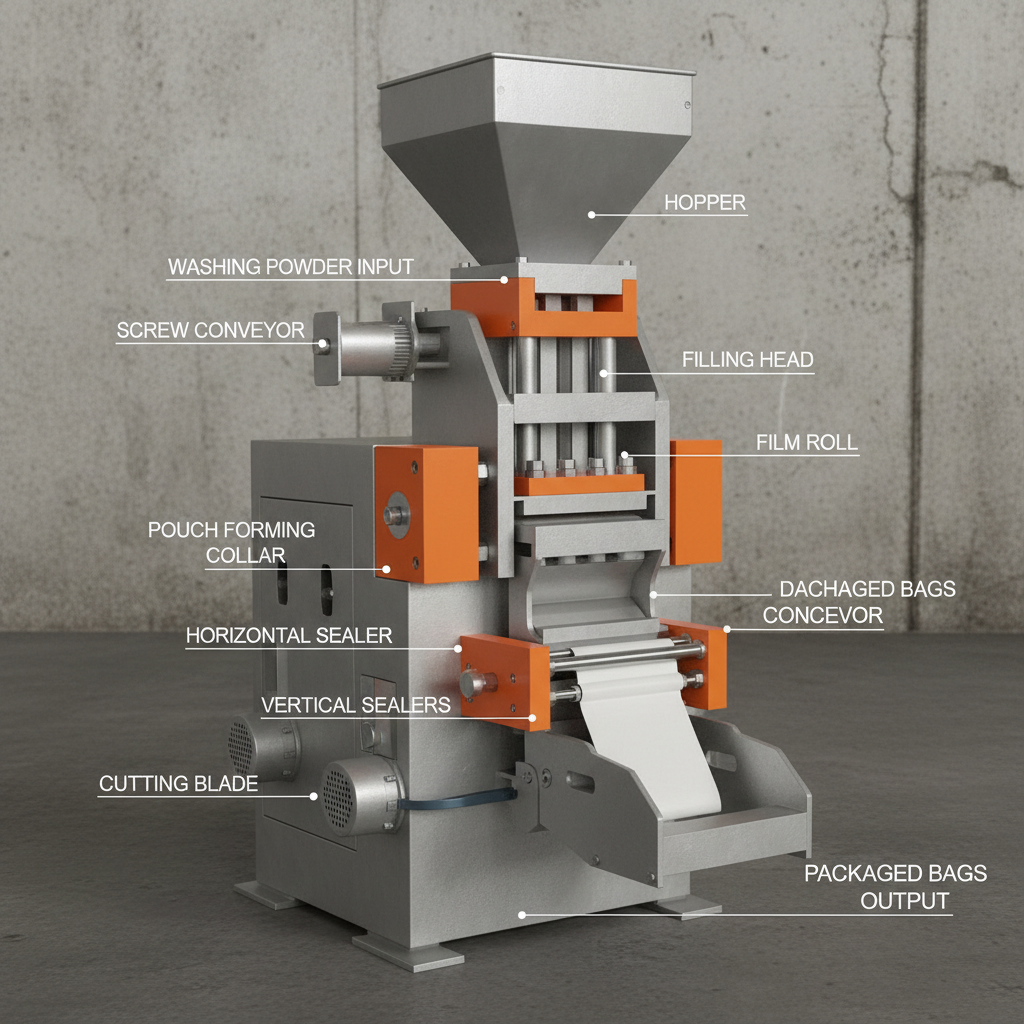
How a Washing Powder Packaging Machine Enhances Production
Manual packaging is prone to errors, inconsistent weights, and slow output. Transitioning to an automated washing powder packaging machine eliminates these bottlenecks. These machines utilize advanced dosing systems—such as auger fillers or volumetric cups—to ensure every bag contains the exact weight specified, which is critical for regulatory compliance and customer trust. Moreover, the integration of high-speed sealing technology prevents powder leakage and moisture ingress, extending the shelf life of the detergent. By automating the process, companies can significantly lower labor costs while increasing their daily output capacity.
Efficiency Boost: Automated systems can increase packaging speeds by up to 400% compared to semi-automatic lines, ensuring your supply chain remains agile and responsive to market demand.
Key Technology in Washing Powder Packaging Machine Systems
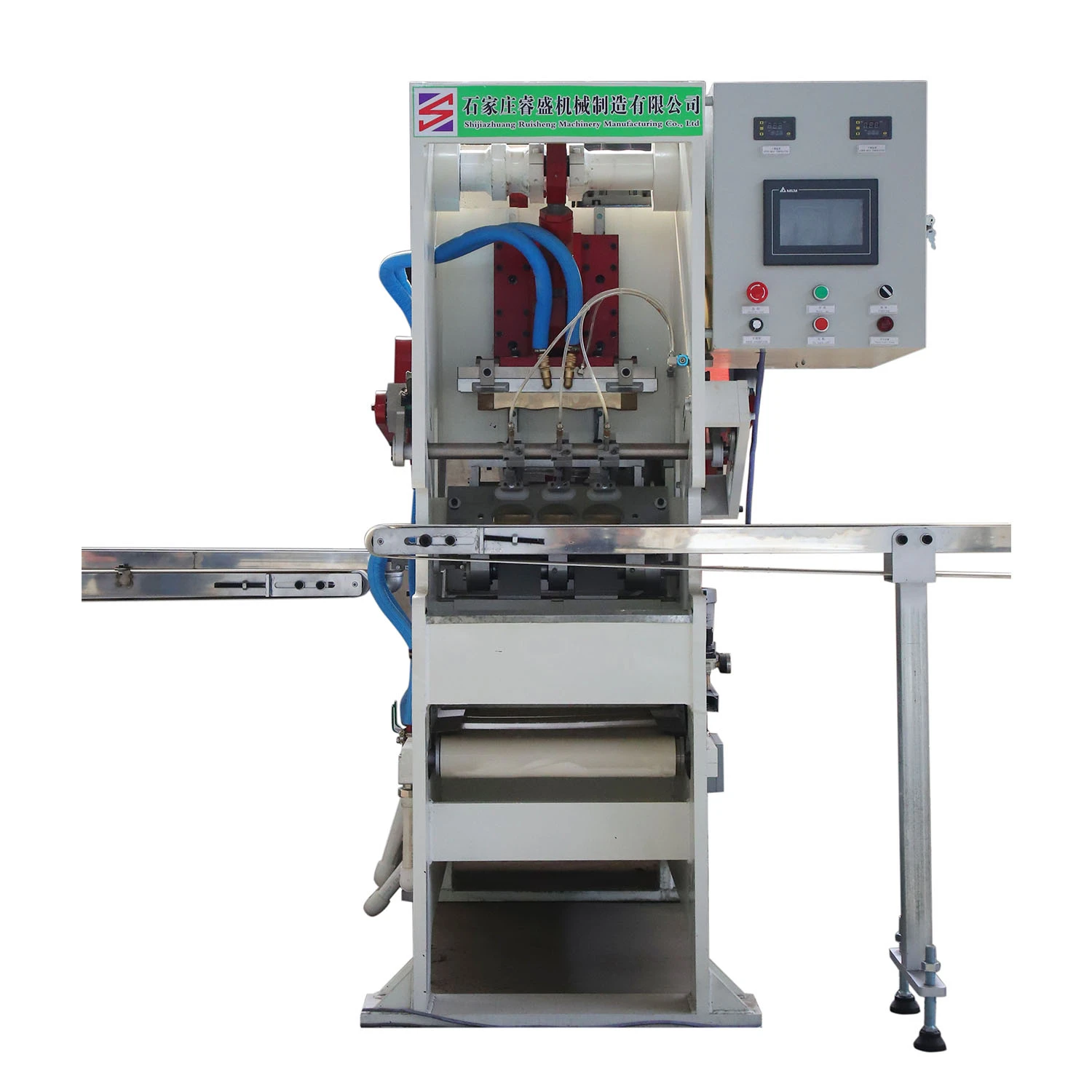
The core of a high-performance packaging line lies in its precision. Most modern systems employ PLC (Programmable Logic Controller) systems with intuitive HMI touchscreens, allowing operators to switch between different bag sizes or weights with a few clicks. For powder products, dust extraction systems are often integrated into the washing powder packaging machine to maintain a clean working environment and protect the machinery from abrasive particles. This technological synergy ensures that the operation is not only fast but also sustainable and safe for the workforce.
Core Technological Advantages:
• Auger Filling: Precise dosing for fine powders to avoid clumps.
• PLC Control: High accuracy in timing and synchronization.
• Heat Sealing: Airtight closure to protect chemical stability.
• Dust Collection: Integrated vacuum systems for hygiene.
Comparing Automatic vs. Semi-Automatic Packaging Solutions
Depending on your business scale, you might choose between a fully automatic washing powder packaging machine or a semi-automatic version. Full automation is ideal for high-volume brands where speed and minimal human intervention are priorities. Semi-automatic machines, on the other hand, offer flexibility for smaller batches or customized packaging designs. Below is a detailed comparison to help you decide which system fits your operational needs.
Industrial Applications of Washing Powder Packaging Machine
The versatility of a washing powder packaging machine extends beyond just laundry detergents. These systems are widely adopted for packaging a variety of granular and powdered chemicals. From industrial-grade cleaning agents to household soap powders, the equipment can be customized to handle different chemical compositions without causing corrosion. In the context of cross-border trade, having a machine that meets international safety and hygiene standards is essential for exporting products to European and American markets.
Technical Specifications for Optimal Performance
When sourcing a washing powder packaging machine, it is vital to review the technical data sheet to ensure it aligns with your production goals. Key parameters include the packing range (e.g., 500g to 5kg), the sealing speed, and the material of construction. Most high-end machines use Stainless Steel 304 or 316 to prevent rust and ensure food-grade or chemical-grade hygiene. Below are the typical specifications for a mid-to-high range industrial model.
Conclusion: Scaling Your Business with Professional Packaging
Investing in a high-quality washing powder packaging machine is a critical step toward industrial maturity. By reducing waste, ensuring precise dosing, and enhancing the visual appeal of the final product, you position your brand for success in both domestic and international markets. As the industry moves toward smarter, greener production, choosing a machine that offers flexibility and durability is the smartest way to future-proof your operations. Upgrade your packaging line today to experience unmatched productivity.
Frequently Asked Questions (FAQs)
How do I choose the right filling system for my washing powder?
The choice depends largely on the density and flowability of your powder. Auger fillers are best for fine, non-free-flowing powders because they use a screw mechanism to force the product into the bag, ensuring a consistent weight. Volumetric fillers are faster and better suited for coarse, free-flowing granules. If your product has a high tendency to clump, a vibratory feeder integrated with the washing powder packaging machine is recommended to keep the powder flowing smoothly.
Can the machine handle different types of packaging materials?
Yes, most modern packaging machines are designed to be versatile. They can typically handle PE, PP, and laminated composite films. Depending on the sealing method (heat sealing or ultrasonic sealing), you can switch between plastic pouches and reinforced bags. It is always advisable to verify the material compatibility with the manufacturer to ensure the heat-sealing bars are calibrated correctly for the specific thickness and type of film you intend to use.
What maintenance is required for a washing powder packaging machine?
Because detergent powders can be abrasive and corrosive, regular maintenance is key. Daily tasks include cleaning the filling hopper and sealing jaws to prevent residue buildup, which can cause leaks. Weekly tasks involve lubricating moving parts and checking the pneumatic system for air leaks. Monthly inspections should focus on the PLC electrical connections and the wear and tear of the auger screw. Following a strict maintenance schedule prevents unexpected downtime and extends the machine's operational life.
How does automation impact the cost per unit?
While the initial capital expenditure is higher, automation significantly reduces the cost per unit in the long run. It achieves this by minimizing product giveaway (overfilling) through high-precision dosing and reducing labor costs associated with manual bagging. Furthermore, the increased speed allows you to fulfill larger orders faster, improving your cash flow and reducing the overhead costs per bag produced. For a detailed ROI analysis, we recommend visiting the RS Soap Machine website.