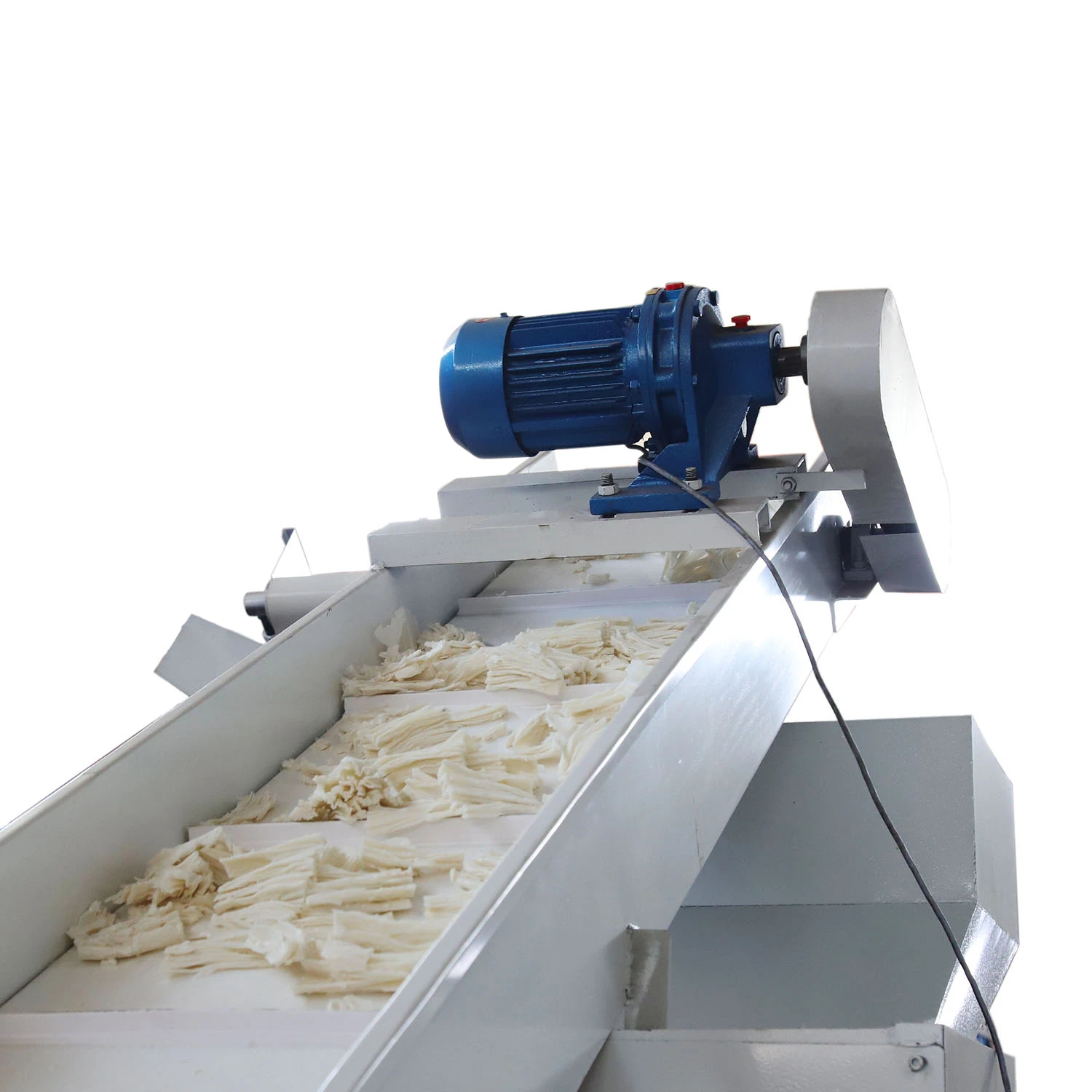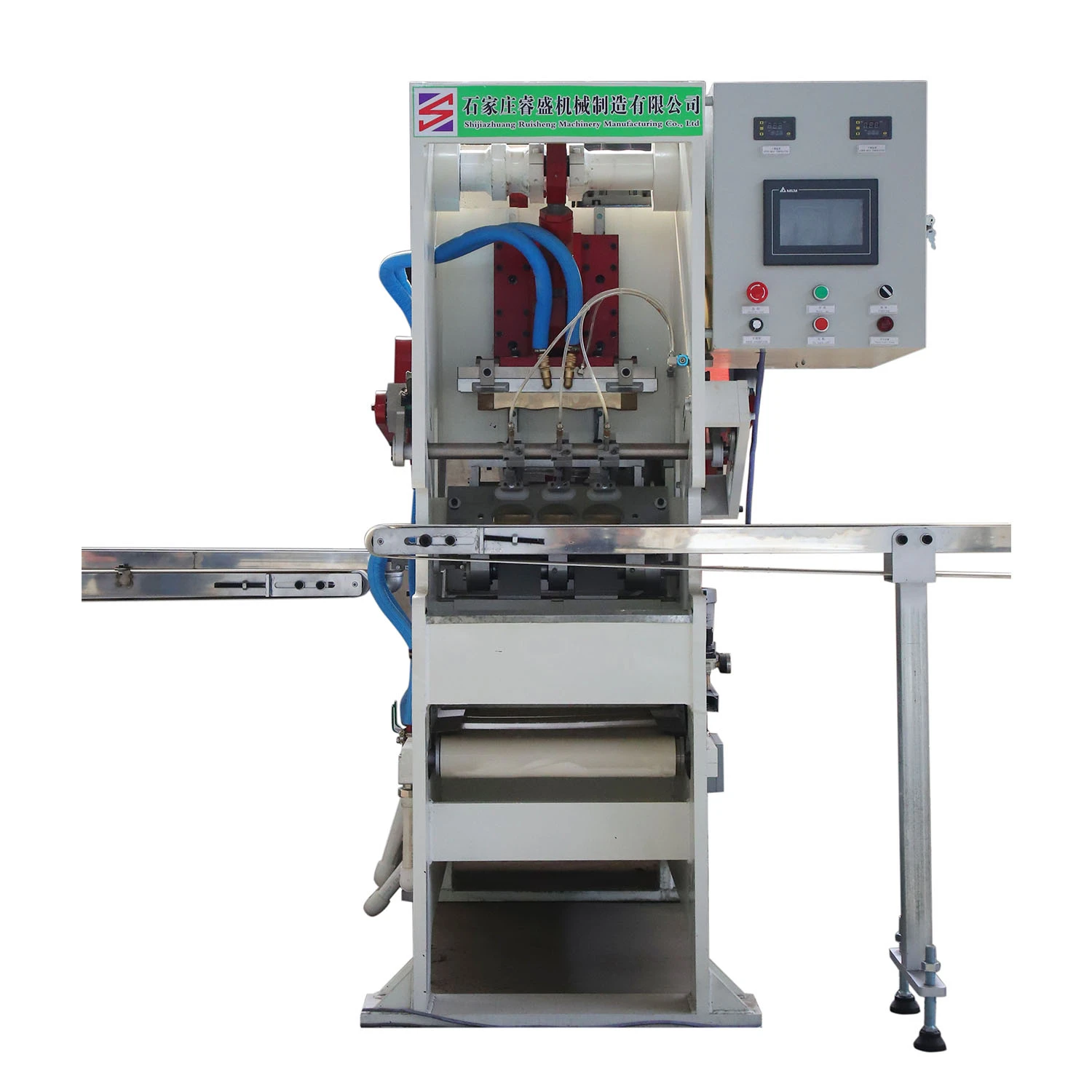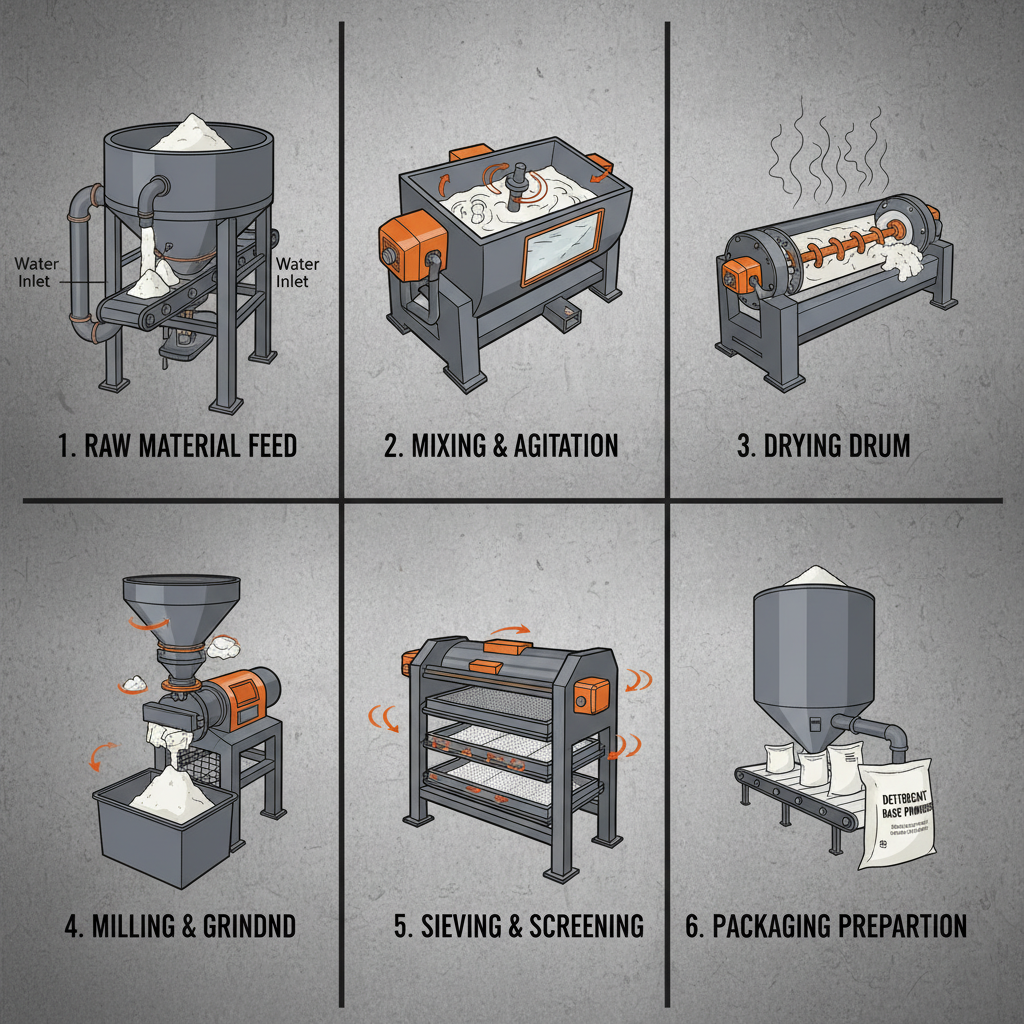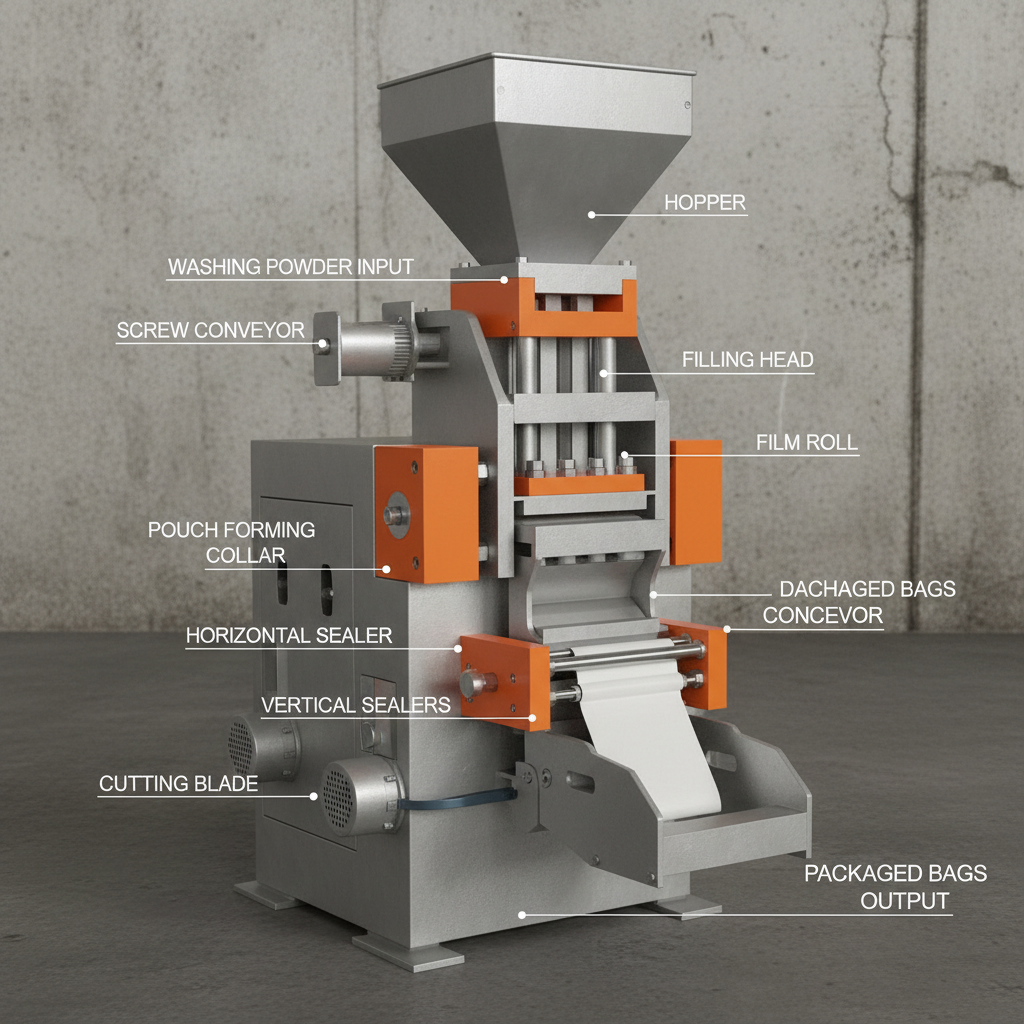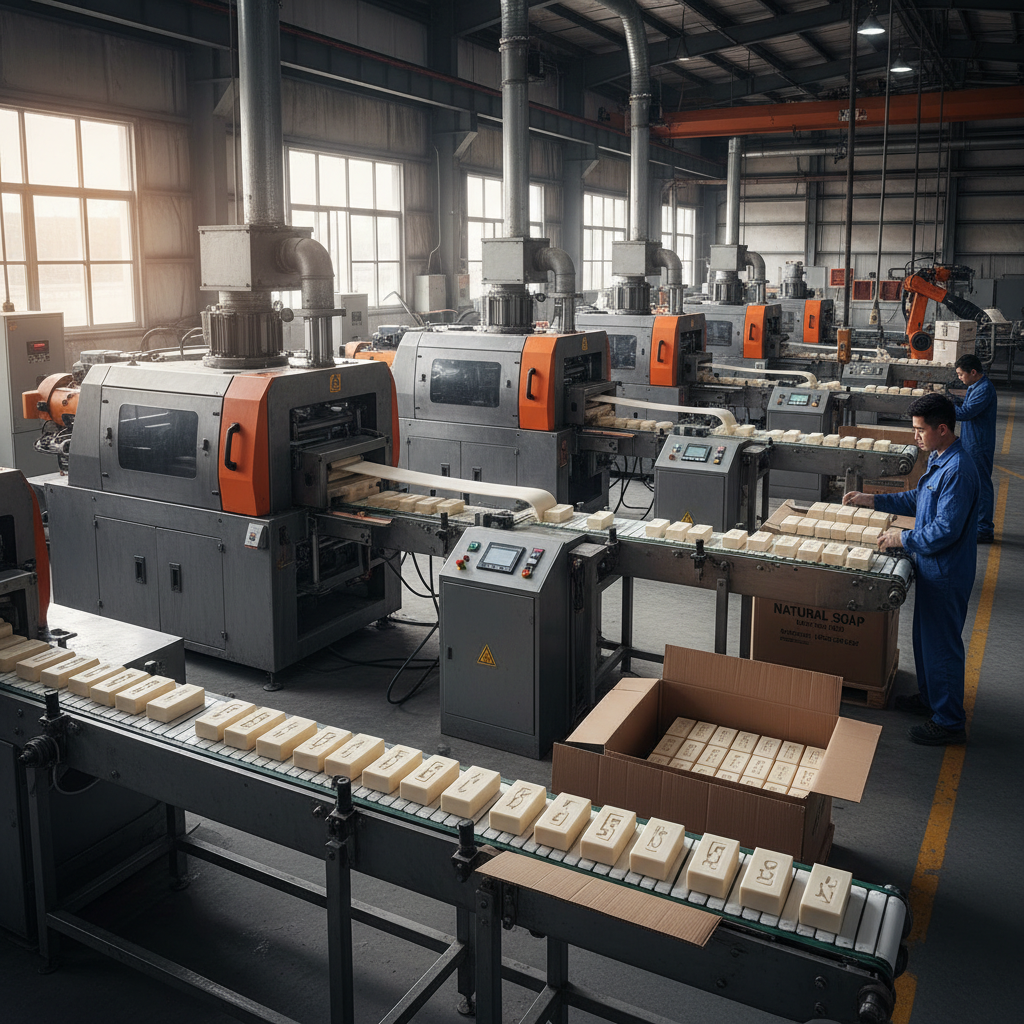
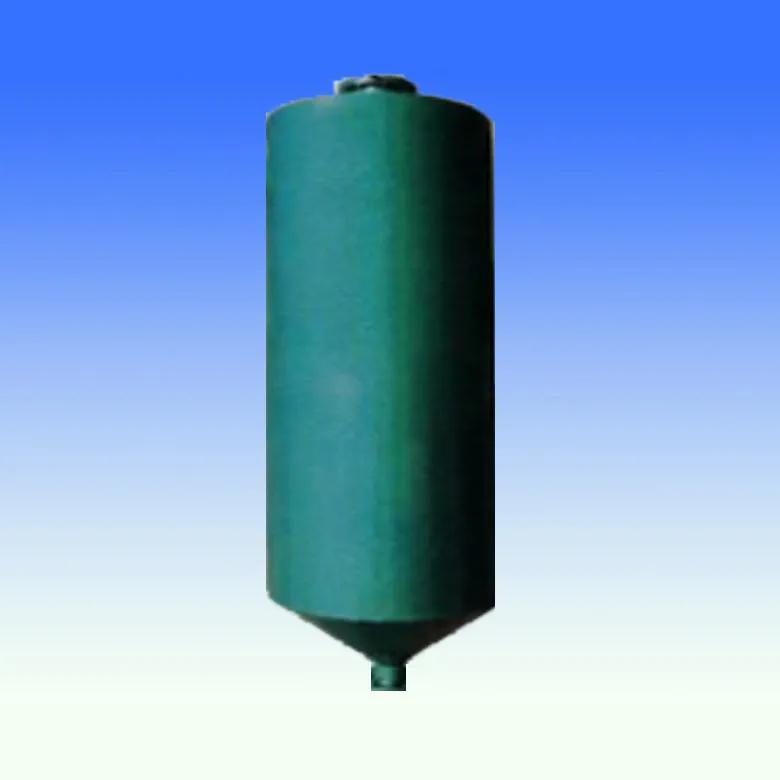
The primary function of the atmospheric condenser is to convert vapor into liquid during the soap production process. In soap-making, vapor is often generated during the drying or heating stages, and this vapor must be managed properly to maintain operational stability and ensure product quality. By cooling the vapor under atmospheric pressure, the condenser efficiently recovers liquid that can be reused or safely removed, helping to reduce waste and improve efficiency. The equipment is widely used in soap manufacturing plants, but its working principle is also applicable in industries such as chemicals, food processing, and pharmaceuticals, where vapor condensation plays a critical role in achieving stable production outcomes.
-
Operating Method
The atmospheric condenser operates by directing vapor through a chamber equipped with seven orifice plates, which are strategically positioned to increase contact area and optimize condensation. As vapor passes through the system, heat is exchanged with cooler surfaces, transforming the vapor into liquid. The orifice plates improve flow distribution and prevent bottlenecks, ensuring that condensation occurs evenly across the unit. Because it works under atmospheric conditions, the condenser does not require complex vacuum systems, making it simpler to install and operate. With a height of 3800mm, the equipment provides sufficient space for efficient vapor handling, while its 950mm diameter ensures a compact footprint suitable for a wide range of production setups.
-
Quality And Efficiency Benefits
By integrating the atmospheric condenser into a production system, manufacturers achieve higher levels of quality control and operational efficiency. The equipment ensures that vapor is condensed effectively, reducing the risk of fluctuations in pressure or temperature that could otherwise affect product consistency. In soap production, this contributes directly to smoother drying and solidification processes, preventing defects such as uneven textures or instability in the soap base. At the same time, the condenser helps to optimize resource utilization by allowing condensed liquids to be collected and reused, thereby lowering raw material costs. Its simple design and reliable performance minimize downtime and maintenance, supporting continuous operation and higher overall throughput.
-
Industrial And Market Value
The atmospheric condenser adds significant value for industries that depend on stable and efficient vapor management. In today’s competitive manufacturing environment, companies must balance productivity with quality, and this equipment helps achieve both. For soap manufacturers, it provides a reliable way to manage vapor during drying and refining, ensuring that every batch meets high standards. Its versatility also allows it to be used in other sectors such as chemical engineering, cosmetics, and food manufacturing, where vapor condensation is equally important. This broad applicability makes the atmospheric condenser a valuable investment for companies seeking equipment that can adapt to diverse production needs while maintaining high performance.
-
Sustainability And Resource Efficiency
Another important advantage of the atmospheric condenser is its contribution to sustainability and efficient resource management. By condensing vapor into liquid that can be reused in production processes, it reduces waste and minimizes the need for fresh raw materials. Its design with seven orifice plates improves heat exchange efficiency, lowering the amount of energy required for effective condensation. Over time, this leads to reduced operational costs and a smaller environmental footprint. The equipment’s robust build and long service life also mean fewer replacements, lowering material waste and supporting sustainable manufacturing practices. For manufacturers aiming to meet environmental standards while improving cost-efficiency, the atmospheric condenser is a practical and forward-looking solution.
-
Integration In Production Systems
The atmospheric condenser is designed for seamless integration into soap production lines and other industrial workflows. In soap manufacturing, it complements equipment such as vacuum drying rooms, cyclone separators, and granulators, playing a crucial role in maintaining stable drying conditions and supporting efficient downstream processes. Its dimensions of φ950*3800mm allow it to be installed alongside other machinery without requiring excessive space, while its 750kg weight ensures stability during operation. By functioning as part of a larger system, the atmospheric condenser enhances overall production efficiency, reduces bottlenecks, and ensures that other equipment can operate under optimal conditions.
The atmospheric condenser is a durable, efficient, and essential machine for modern soap production and related industries. With seven orifice plates, overall dimensions of φ950*3800mm, and a weight of 750kg, it offers robust construction and high-performance condensation under atmospheric conditions. Its ability to condense vapor efficiently ensures better product quality, smoother production workflows, and reduced resource consumption. By supporting sustainability, lowering operational costs, and integrating seamlessly with other manufacturing equipment, the atmospheric condenser provides long-term value for manufacturers. For any company seeking to improve efficiency, maintain consistency, and achieve excellence in industrial production, the atmospheric condenser is a critical investment that delivers measurable results.
-
What is the average lead time?
Request a Quote
If you are interested in our products, you can choose to leave your information here, and we will be in touch with you shortly.