Soap Finishing Line: Optimizing Your Soap Production
A robust and efficient soap finishing line is crucial for maximizing output and ensuring consistent quality in soap manufacturing. This article will delve into the components, benefits, and considerations when investing in a soap finishing line. We'll cover everything from cutting and beveling to packaging, and how selecting the right equipment can dramatically improve your production process. For businesses looking to scale or refine their soap production, understanding the intricacies of a finishing line is paramount.
Key Components of a Soap Finishing Line
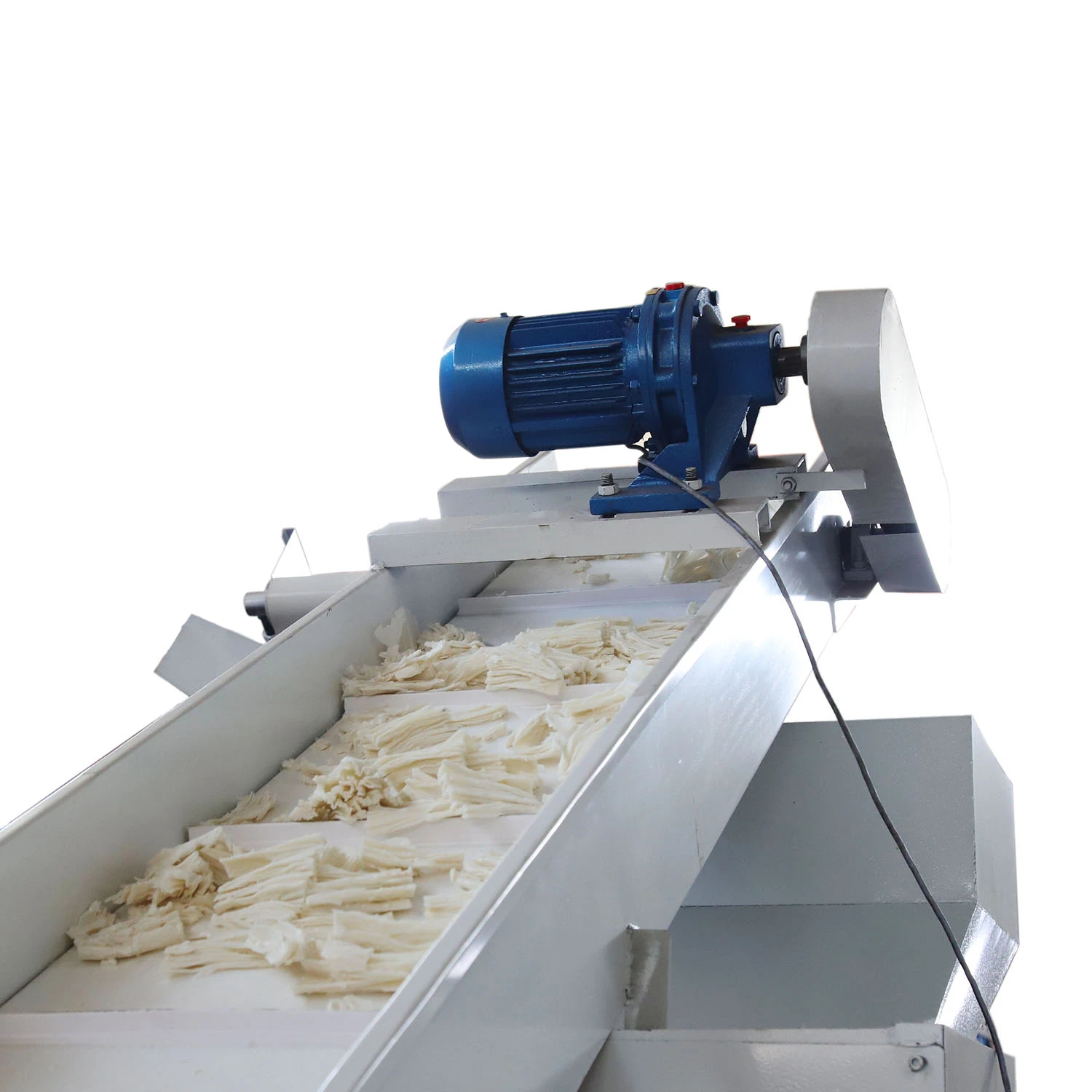
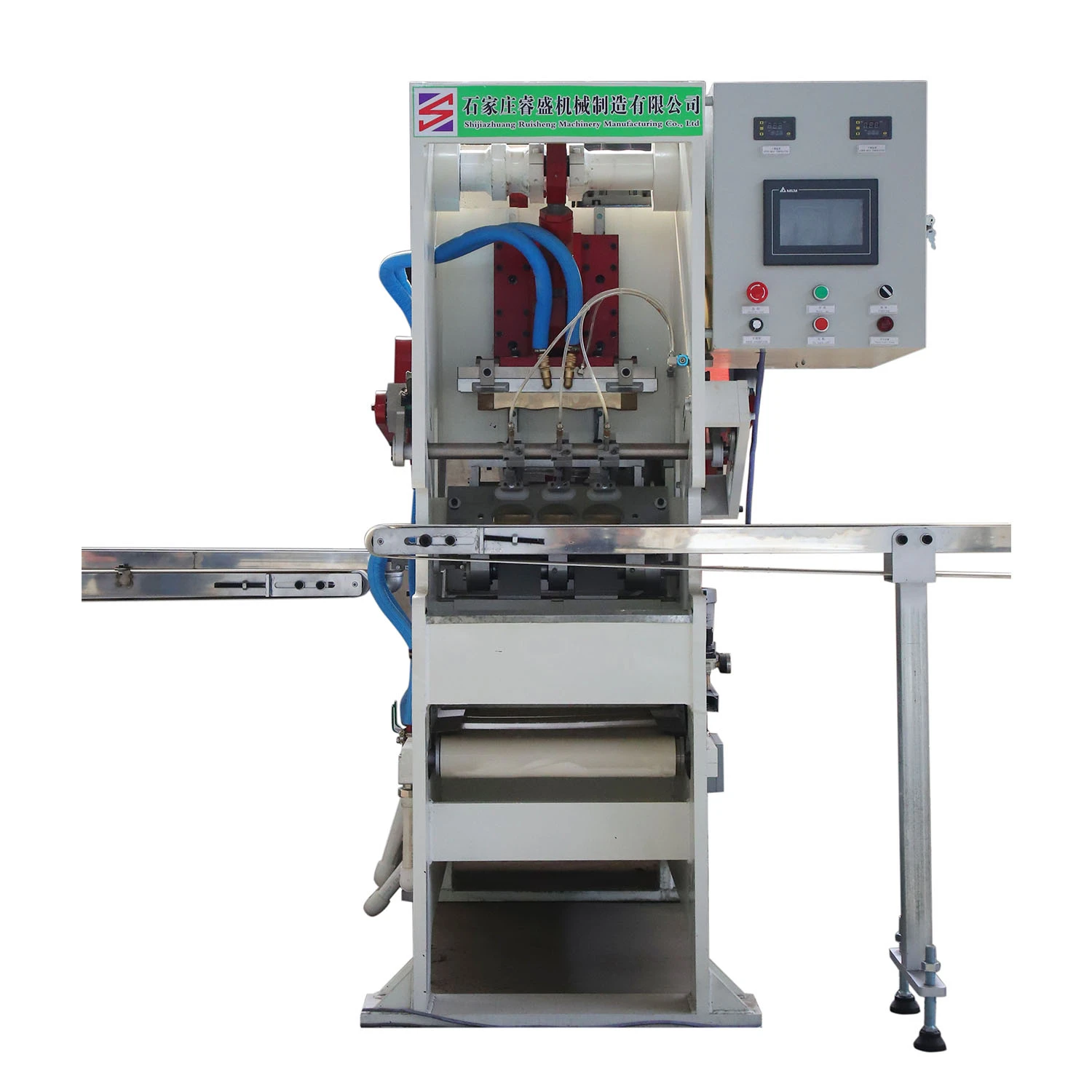
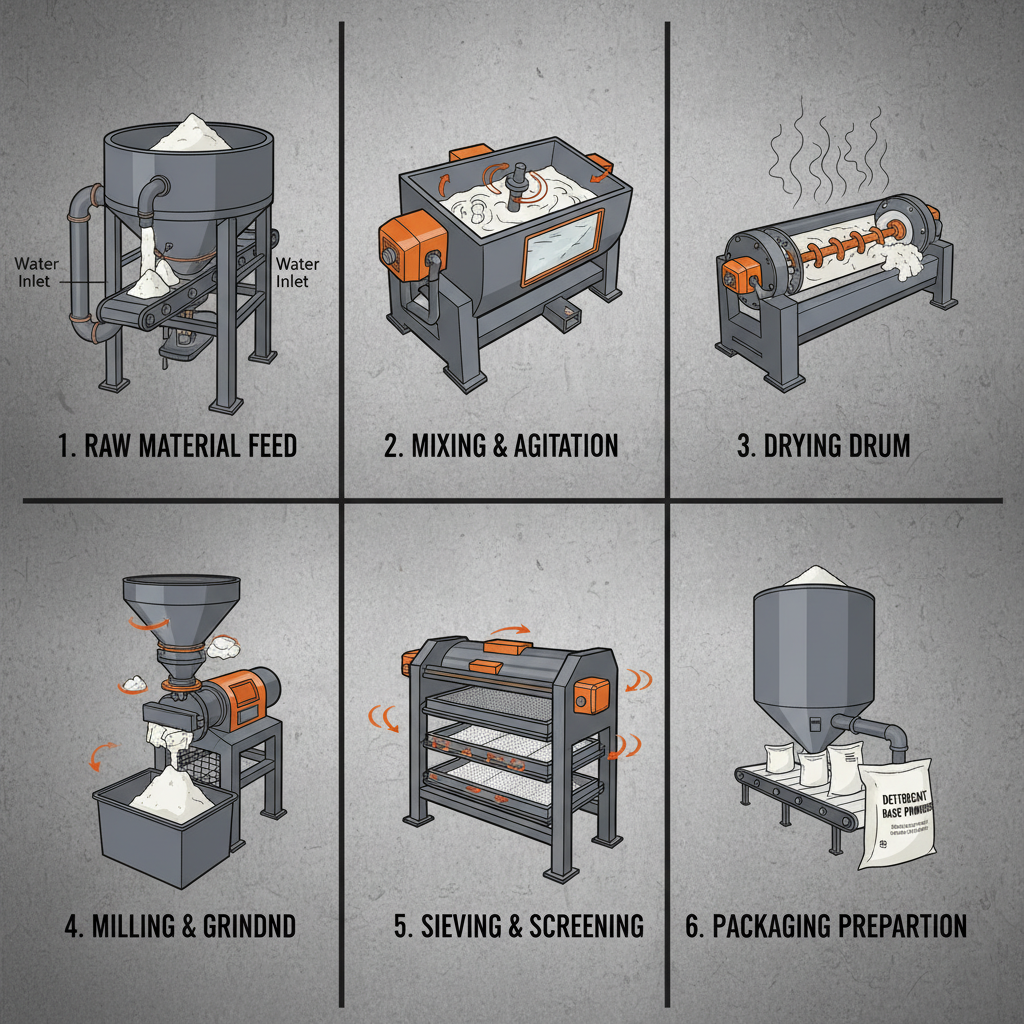
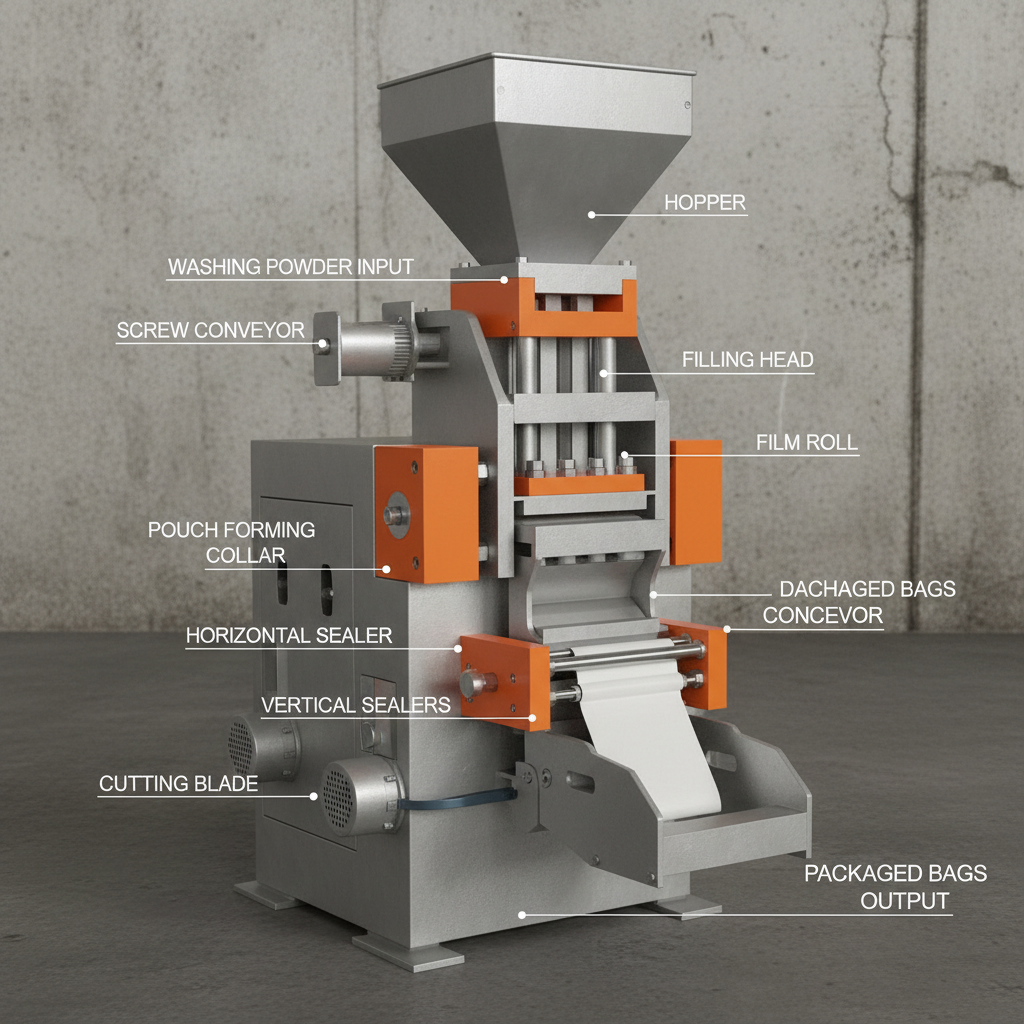
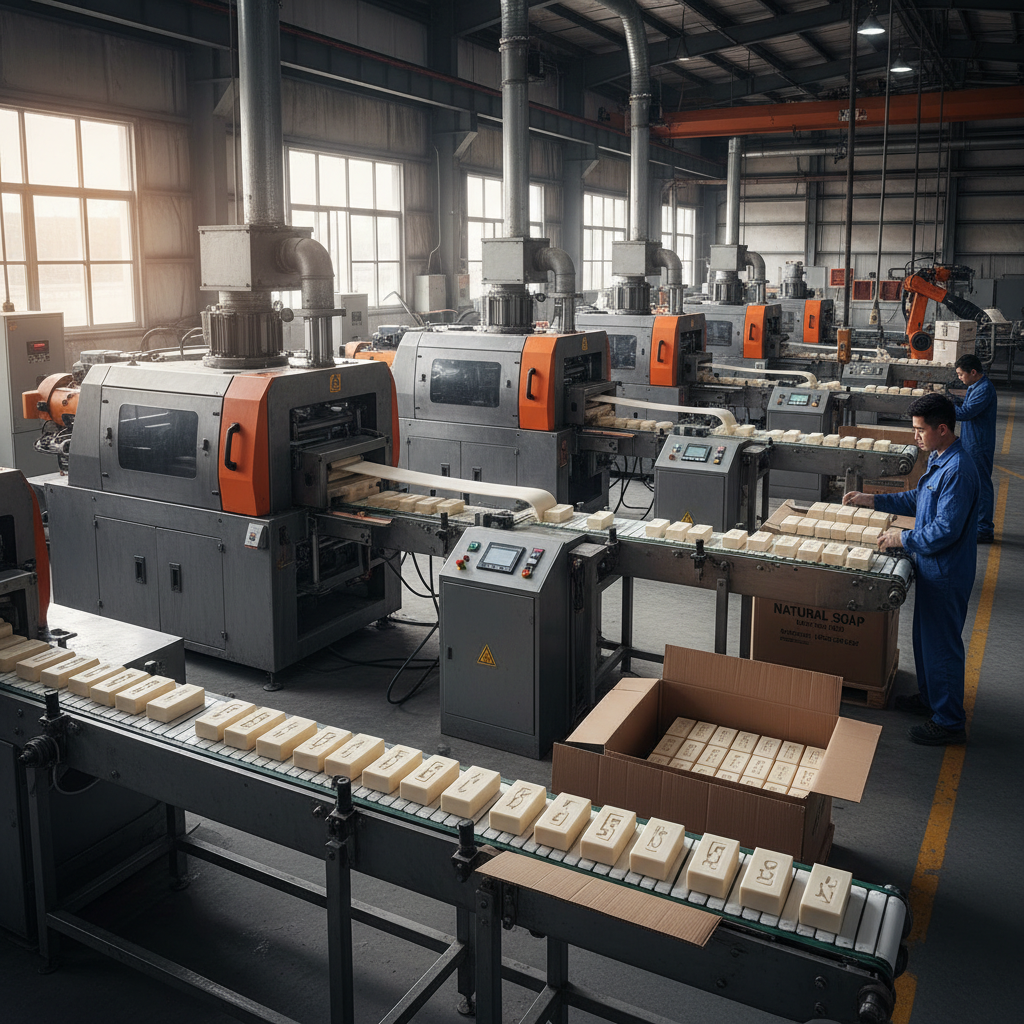
A complete soap finishing line typically incorporates several key stages. The initial stage often involves soap noodle processing and milling. Subsequently, the soap goes through a platen or rotary cutting process to form individual bars. These bars are then often subjected to beveling to achieve desired shapes and eliminate sharp edges. Finally, the bars are meticulously inspected, packaged, and prepared for shipment. RS Soap Machine provides integrated solutions encompassing all these stages, ensuring seamless operation and optimal efficiency.
Key Highlights: A comprehensive soap finishing line consists of noodle processing, milling, cutting, beveling, inspection, and packaging stages.
Understanding the Importance of Soap Cutting and Beveling
Precise soap cutting is vital for uniformity in product size and weight. Modern cutting machines utilize advanced blade technology to ensure clean, consistent cuts, minimizing waste and maximizing efficiency. Beveling further enhances the product by removing sharp edges, improving the aesthetic appeal, and making the soap more comfortable to handle. The combination of accurate cutting and smooth beveling significantly contributes to the overall quality and marketability of the finished soap product. This step is often automated within a soap finishing line from RS Soap Machine.
Benefits of Precise Cutting and Beveling:
• Uniform product size and weight
• Reduced waste and increased efficiency
• Improved aesthetic appeal
• Enhanced handling comfort
Soap Finishing Line vs. Manual Soap Processing: A Comparison
Traditional manual soap processing is labor-intensive, time-consuming, and prone to inconsistencies. A dedicated soap finishing line, however, automates many of these processes, resulting in significant improvements in efficiency, quality control, and production capacity. While the initial investment may be higher, the long-term cost savings and increased output often outweigh the upfront expenses. Investing in automation is key to remaining competitive in the modern soap manufacturing landscape.
Selecting the Right Soap Finishing Line for Your Needs
When choosing a soap finishing line, consider your production volume, the types of soap you produce, and your budget. RS Soap Machine offers customizable solutions to accommodate a wide range of requirements. Factors to consider include the cutting method (platen vs. rotary), the level of automation, and the integration of inspection and packaging systems. A thorough assessment of your specific needs will ensure you select a line that optimizes your production process and delivers a strong return on investment.
Technical Specifications and Customization Options
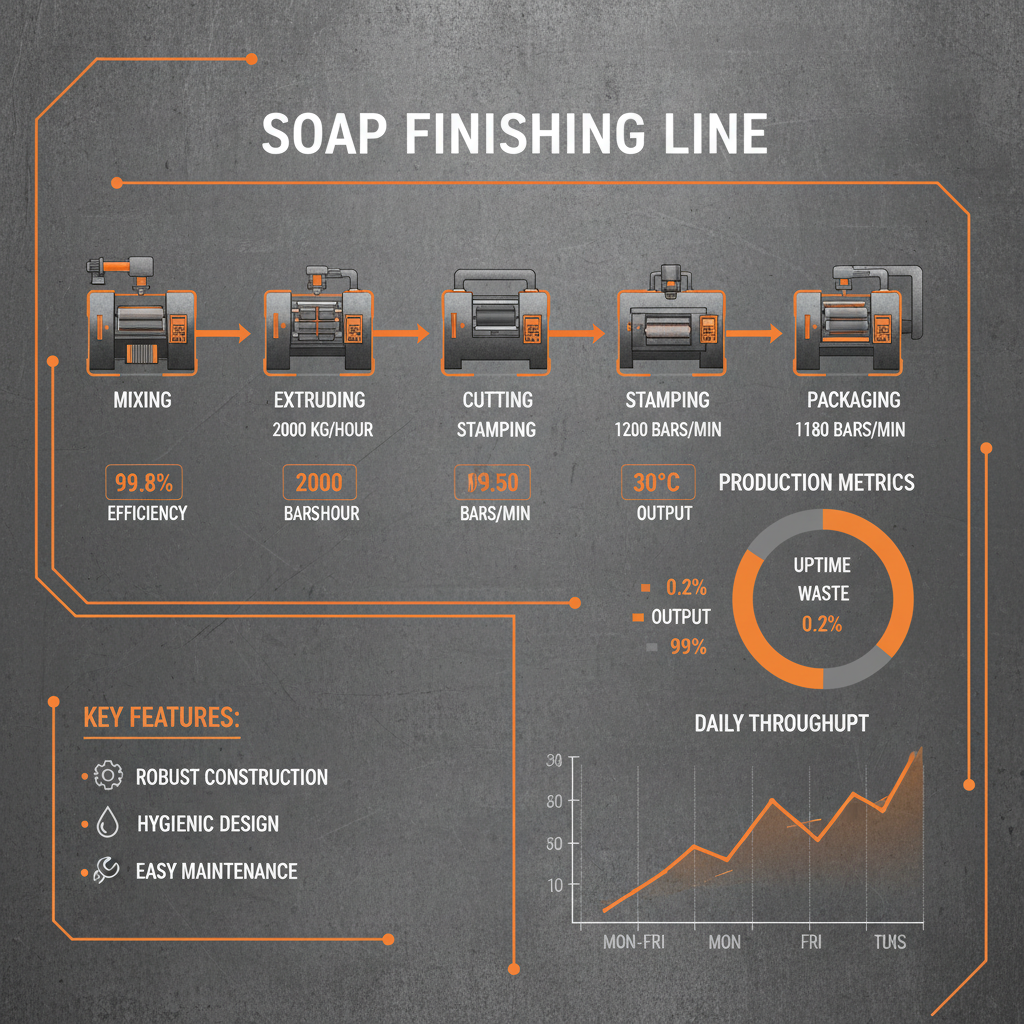
RS Soap Machine specializes in tailoring soap finishing lines to meet unique client specifications. Available customizations include varying cutting speeds, adjustable beveling angles, integration with automated packaging systems, and incorporation of quality control sensors. We also offer comprehensive training and support services to ensure smooth operation and maximize your investment. Here's a summary of common specifications:
Conclusion: Streamline Your Soap Production with a Dedicated Finishing Line
Investing in a soap finishing line from RS Soap Machine is a strategic move for any soap manufacturer seeking to enhance efficiency, improve product quality, and scale their operations. With customizable options and comprehensive support, we provide solutions tailored to your specific needs. Contact us today to discuss your requirements and discover how we can help you optimize your soap production process.
Frequently Asked Questions (FAQs)
What maintenance is required for a soap finishing line?
Regular maintenance is crucial for ensuring the longevity and optimal performance of your soap finishing line. This includes daily cleaning of cutting blades and beveling surfaces, lubrication of moving parts, and periodic inspection for wear and tear. Following the manufacturer’s recommended maintenance schedule and utilizing genuine replacement parts is highly recommended. RS Soap Machine offers comprehensive maintenance plans and support services to assist with ongoing upkeep and troubleshooting.
What types of soap can be processed on your finishing lines?
Our soap finishing lines are versatile and can accommodate a wide range of soap types, including bar soaps, milled soaps, glycerine soaps, and specialty soaps. The adjustable cutting and beveling features allow for processing soaps of varying hardness and shapes. We can also customize lines to handle unique soap formulations or packaging requirements.
What safety features are included in your soap finishing lines?
Safety is paramount in our design process. Our soap finishing lines incorporate various safety features, including emergency stop buttons, safety guards on moving parts, and interlock systems to prevent operation during maintenance. We adhere to strict safety standards and provide comprehensive training to ensure operators are familiar with safe operating procedures.