How Does a Soap Production Line Work?
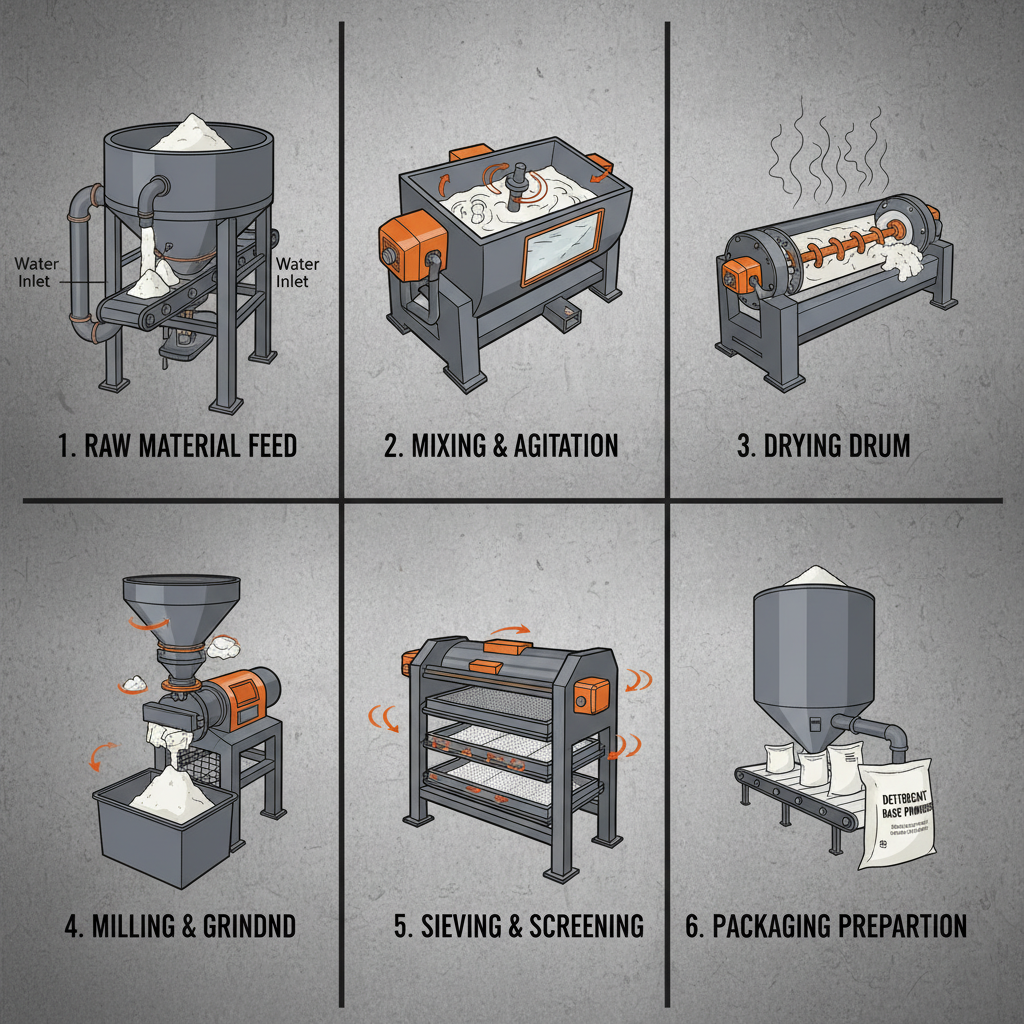
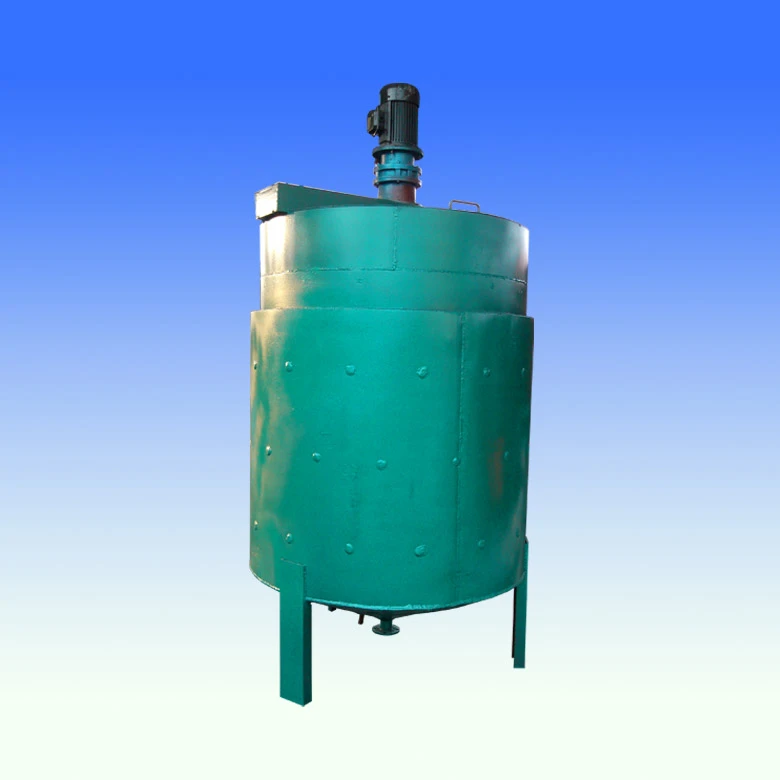
A soap production line operates through a series of automated and coordinated steps to convert raw soap noodles or base materials into finished soap bars. The process begins with the mixing stage, where soap noodles, colorants, fragrances, and other additives are evenly blended in a mixer to achieve the desired formulation.
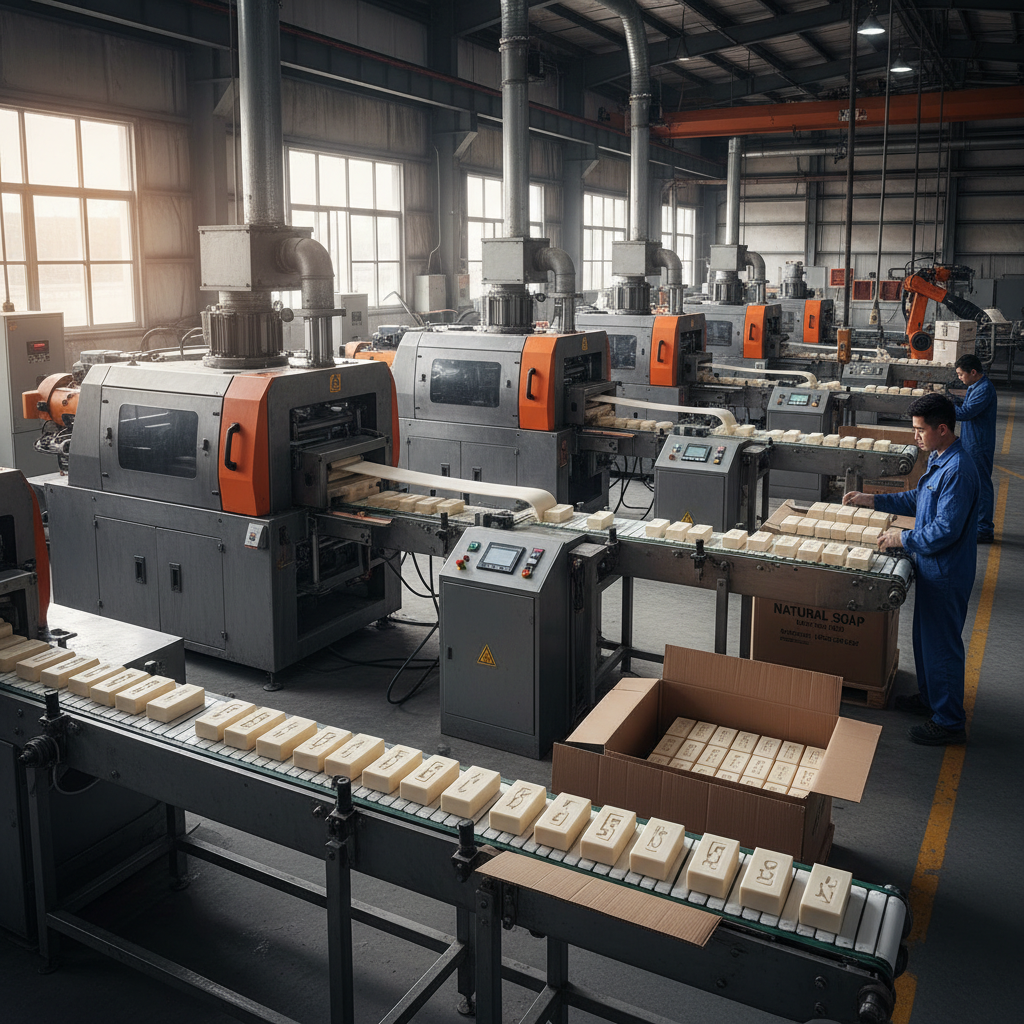
Next, the material passes through a refining mill and vacuum plodder, where it is refined, de-aerated, and extruded into a continuous soap billet with uniform texture and density. This step enhances the smoothness and durability of the final product. The extruded soap bar is then cut into standard lengths using an automatic cutting machine, ensuring consistent weight and shape.
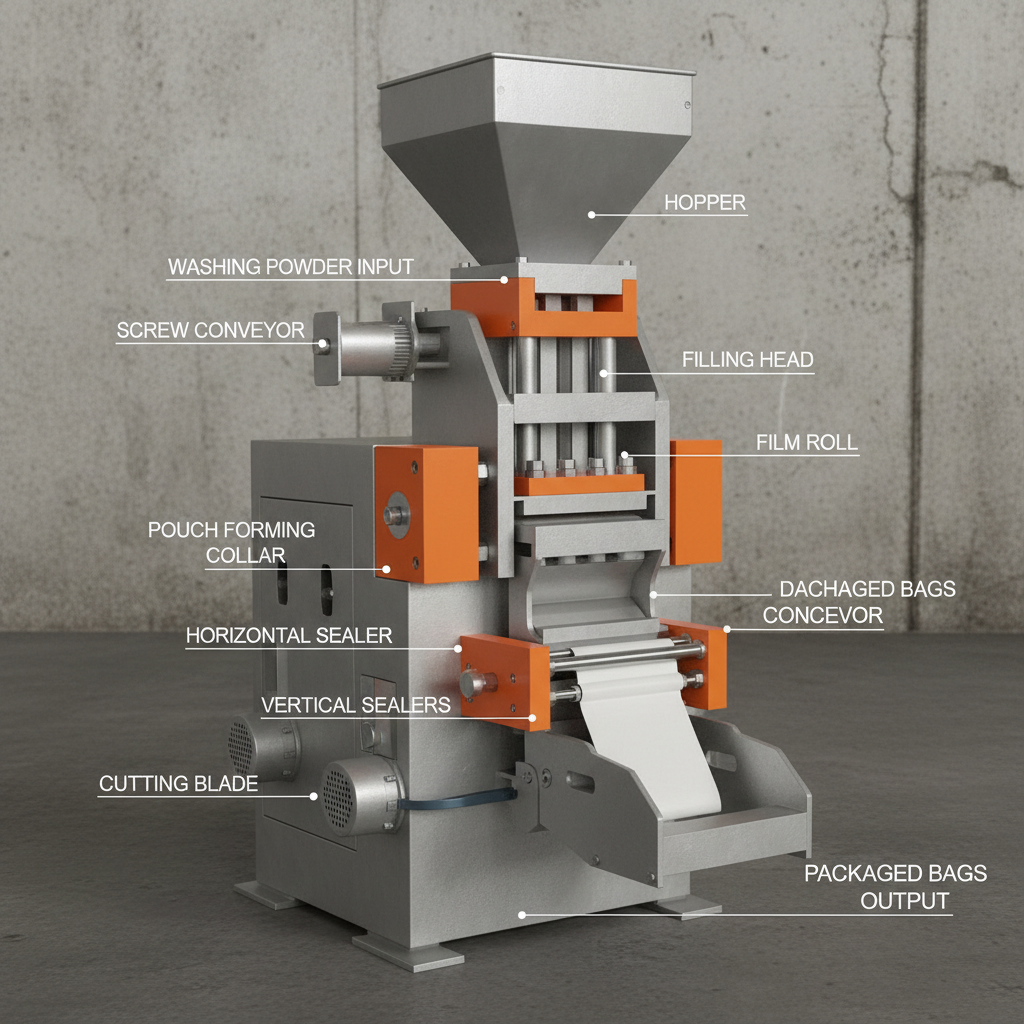
After cutting, the soap pieces are transferred to the stamping or molding machine, where logos and designs are embossed. Finally, the bars enter the cooling and packaging section, where they are wrapped and prepared for shipment.
Each stage of the process is precisely controlled for temperature, pressure, and speed to maintain quality and reduce waste. Modern soap production lines are designed to achieve high productivity, energy efficiency, and stable operation, making them ideal for both industrial and commercial applications.
How a Modern Soap Production Line Boosts Efficiency and Product Quality
A soap production line is a fully integrated system designed to manufacture soaps efficiently and consistently. It typically includes several stages such as mixing, refining, plodding, cutting, stamping, and packaging. Each section plays a crucial role in ensuring the final soap bar meets both aesthetic and hygiene standards.
Modern soap production lines use advanced automation and control systems to reduce labor intensity and human error. Automated dosing and mixing guarantee the right proportion of raw materials, ensuring high-quality and uniform soap output. Compared with traditional manual production, an automatic line offers greater productivity, higher precision, and reduced waste.
In addition, the use of stainless steel equipment and closed processing environments helps maintain cleanliness and safety standards. Many lines can be customized for different types of soaps — from beauty soaps and laundry bars to antibacterial and hotel soaps.
For soap manufacturers aiming to scale production, investing in a fully automatic soap production line is a strategic choice. It not only saves time and cost but also allows for consistent quality control and brand reputation growth. Whether you’re starting a new factory or upgrading existing facilities, a modern soap line can significantly enhance your competitive edge in the global market.