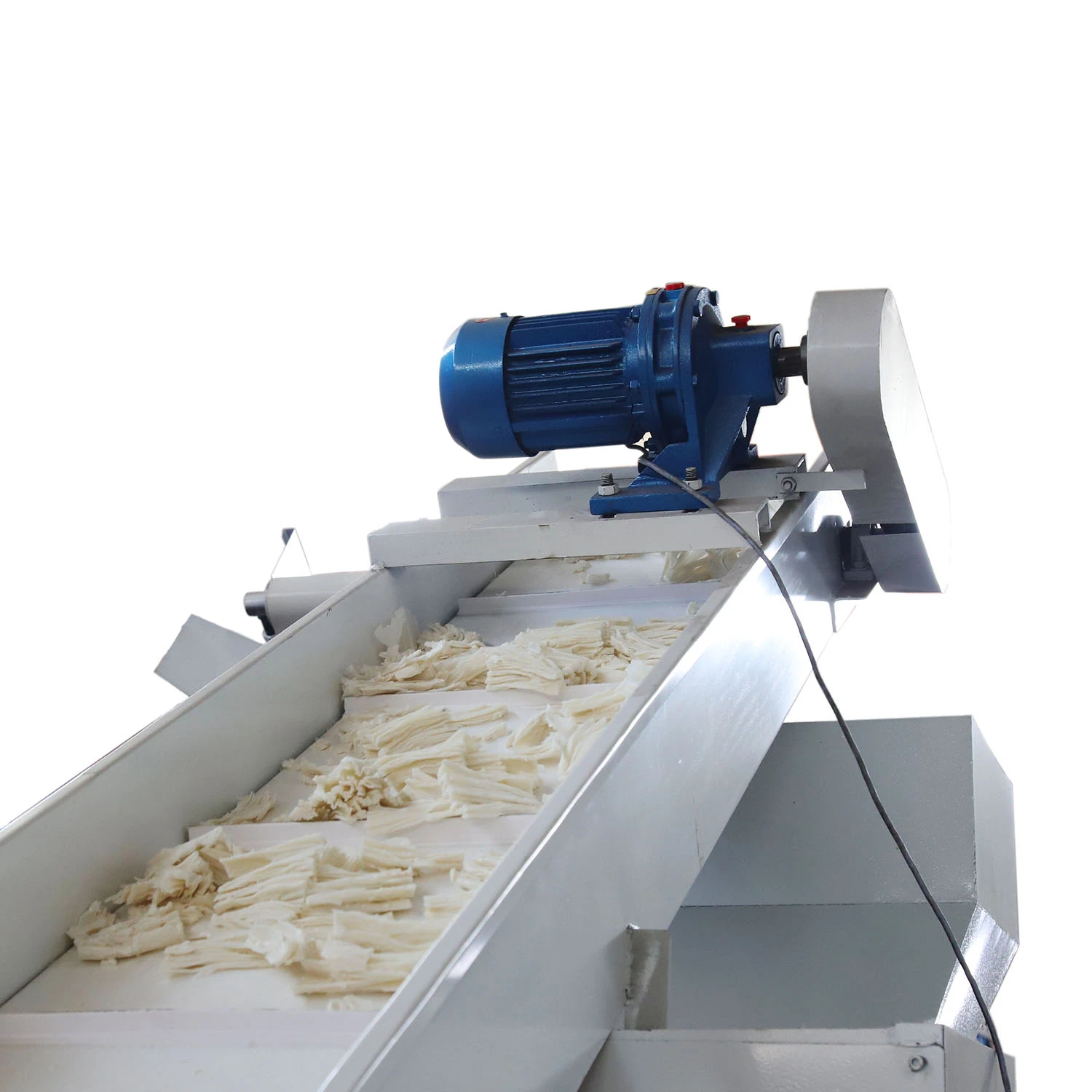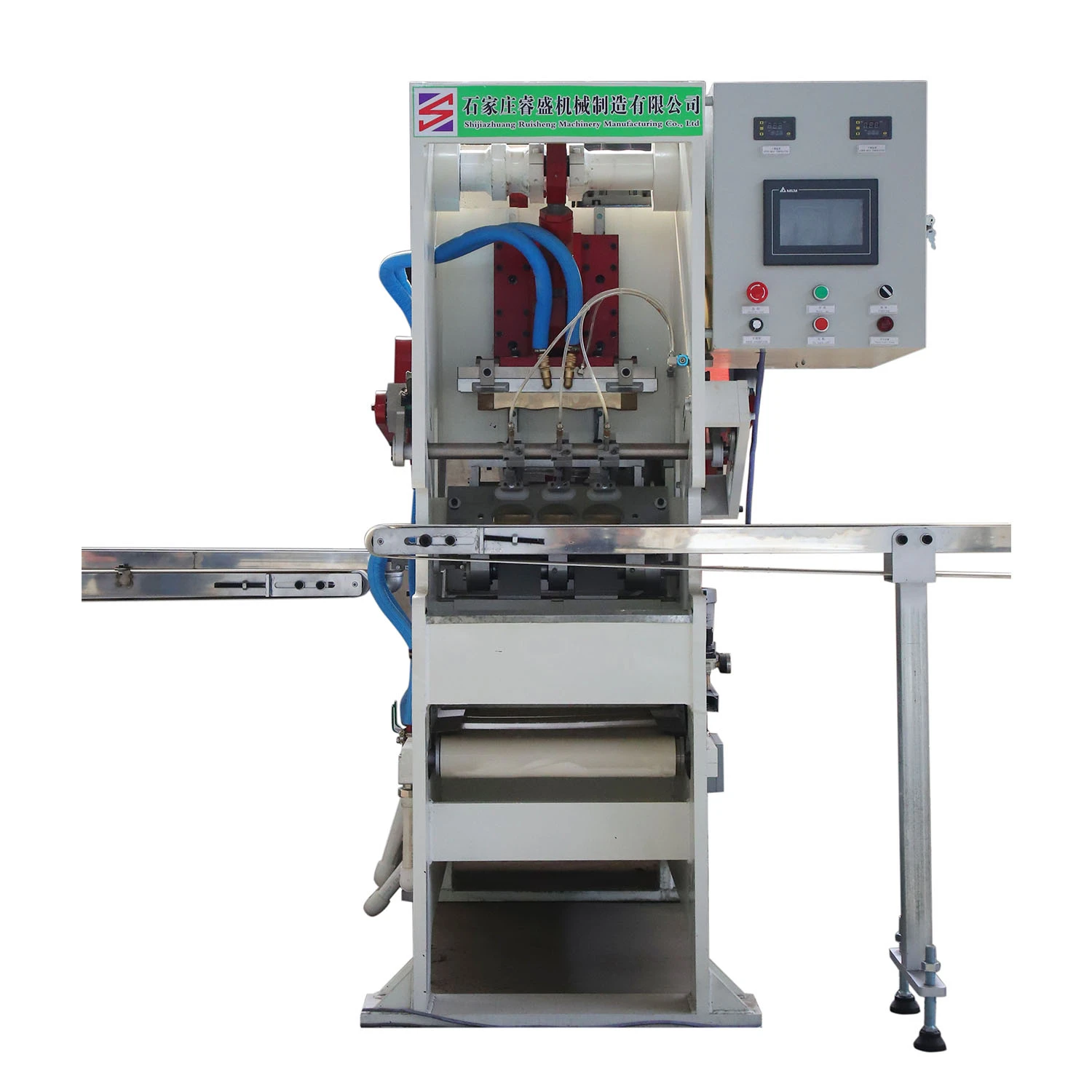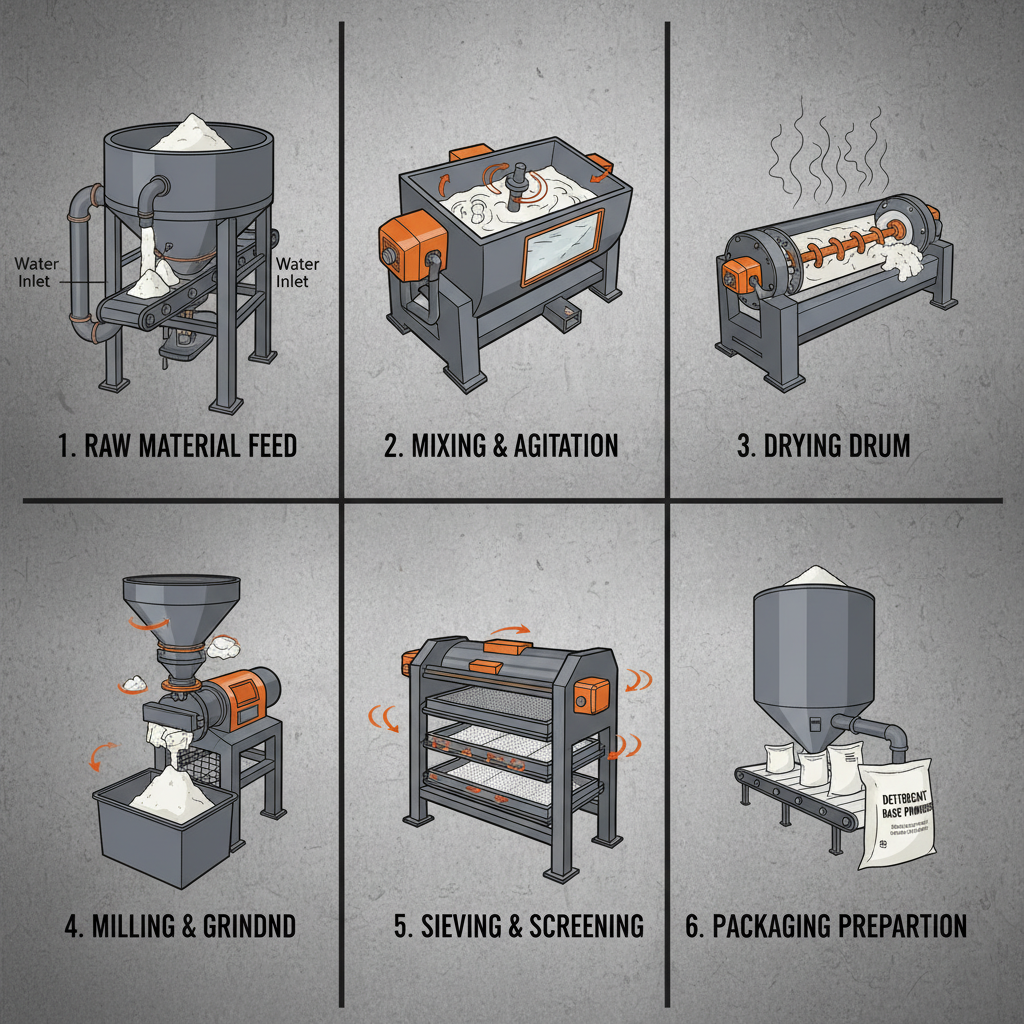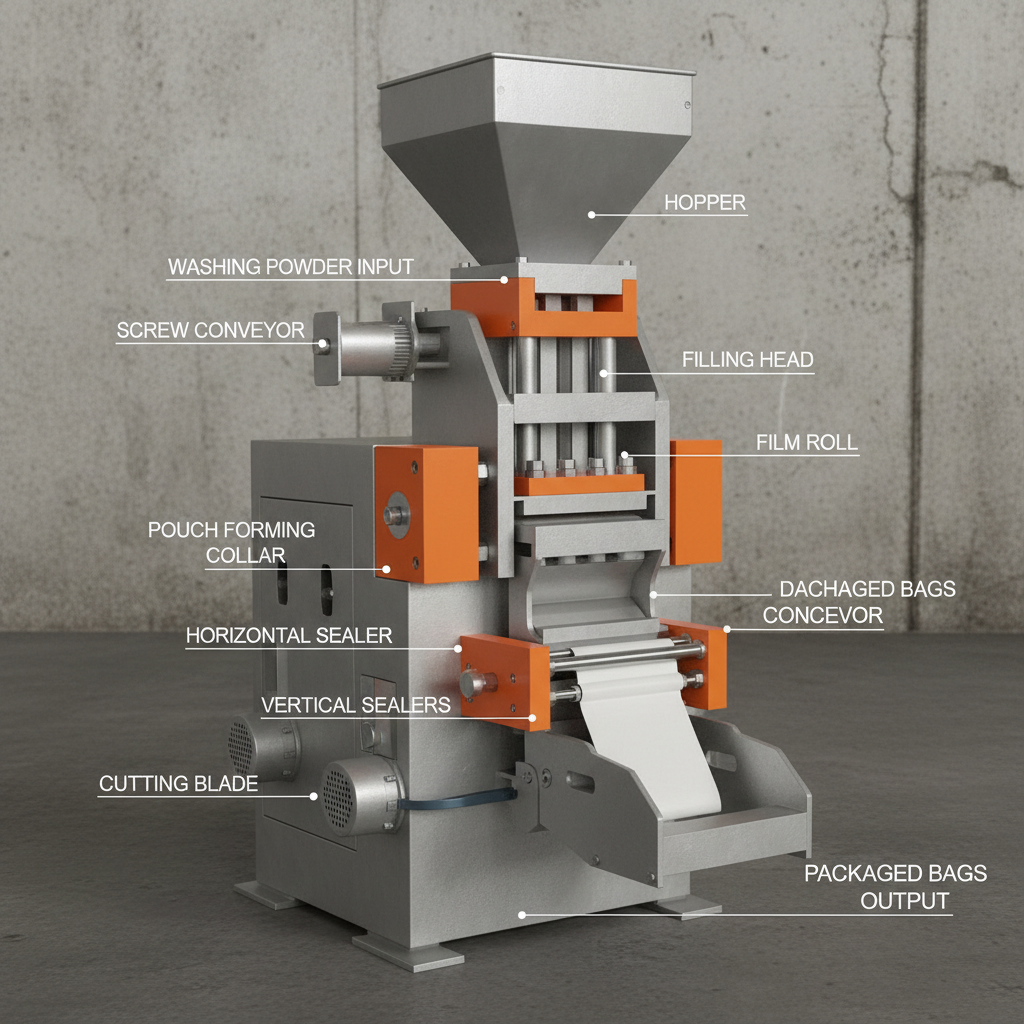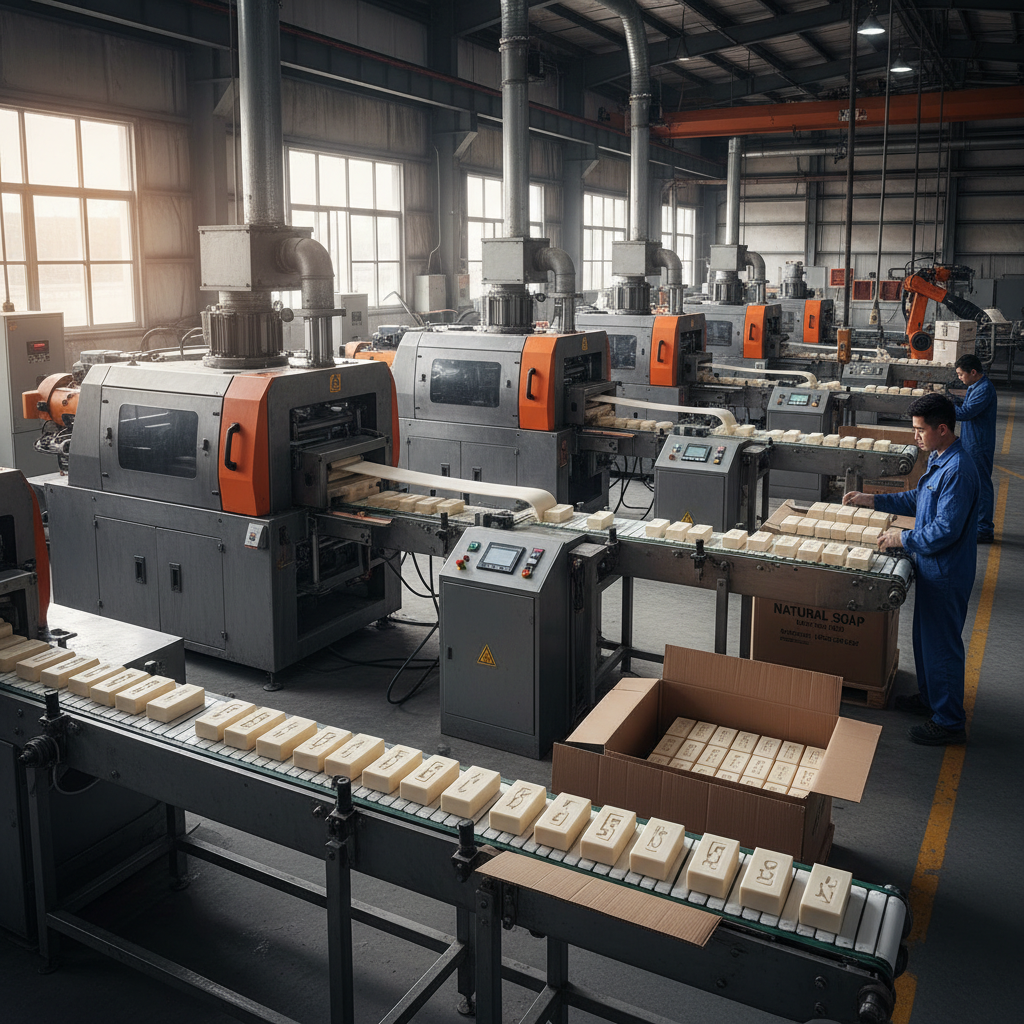
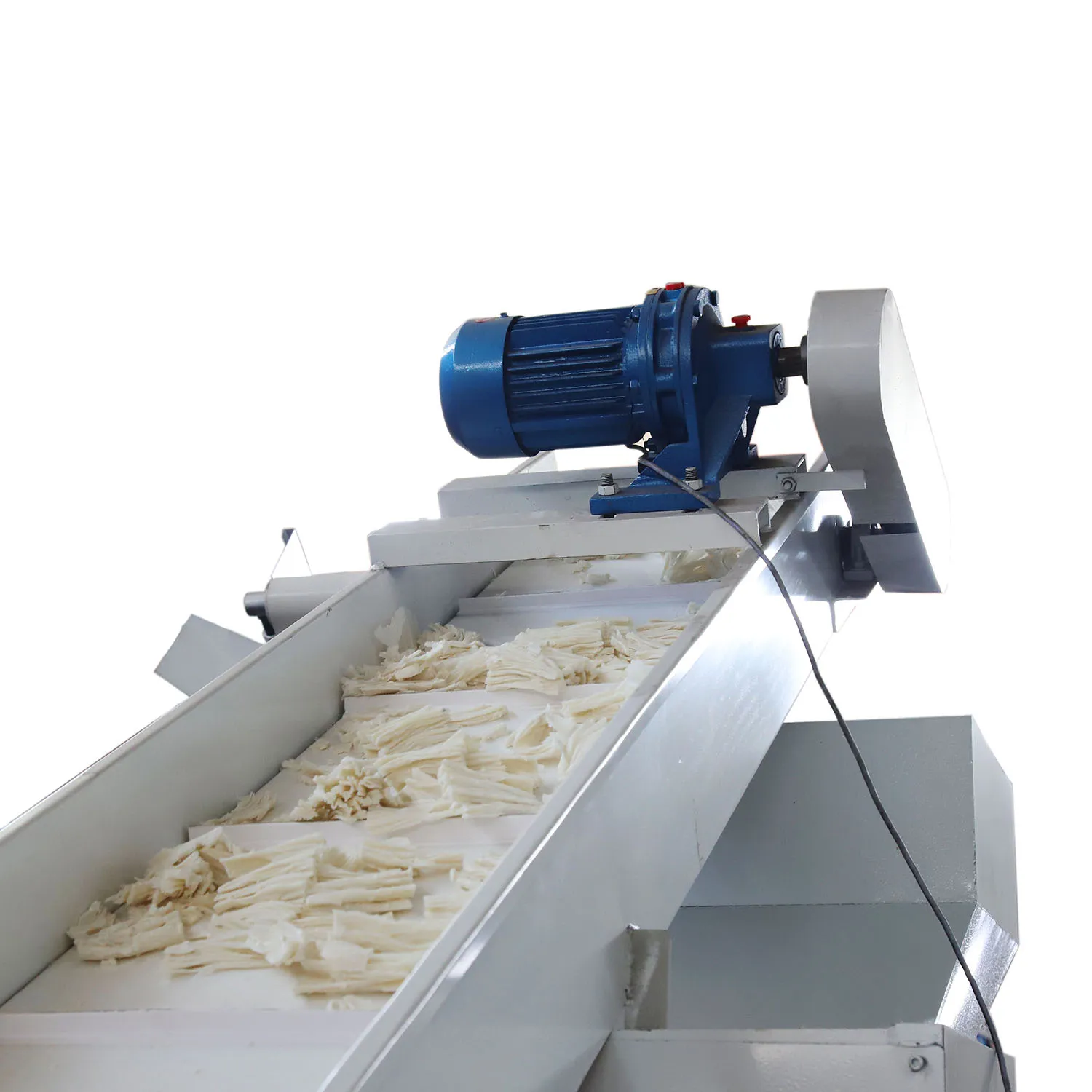
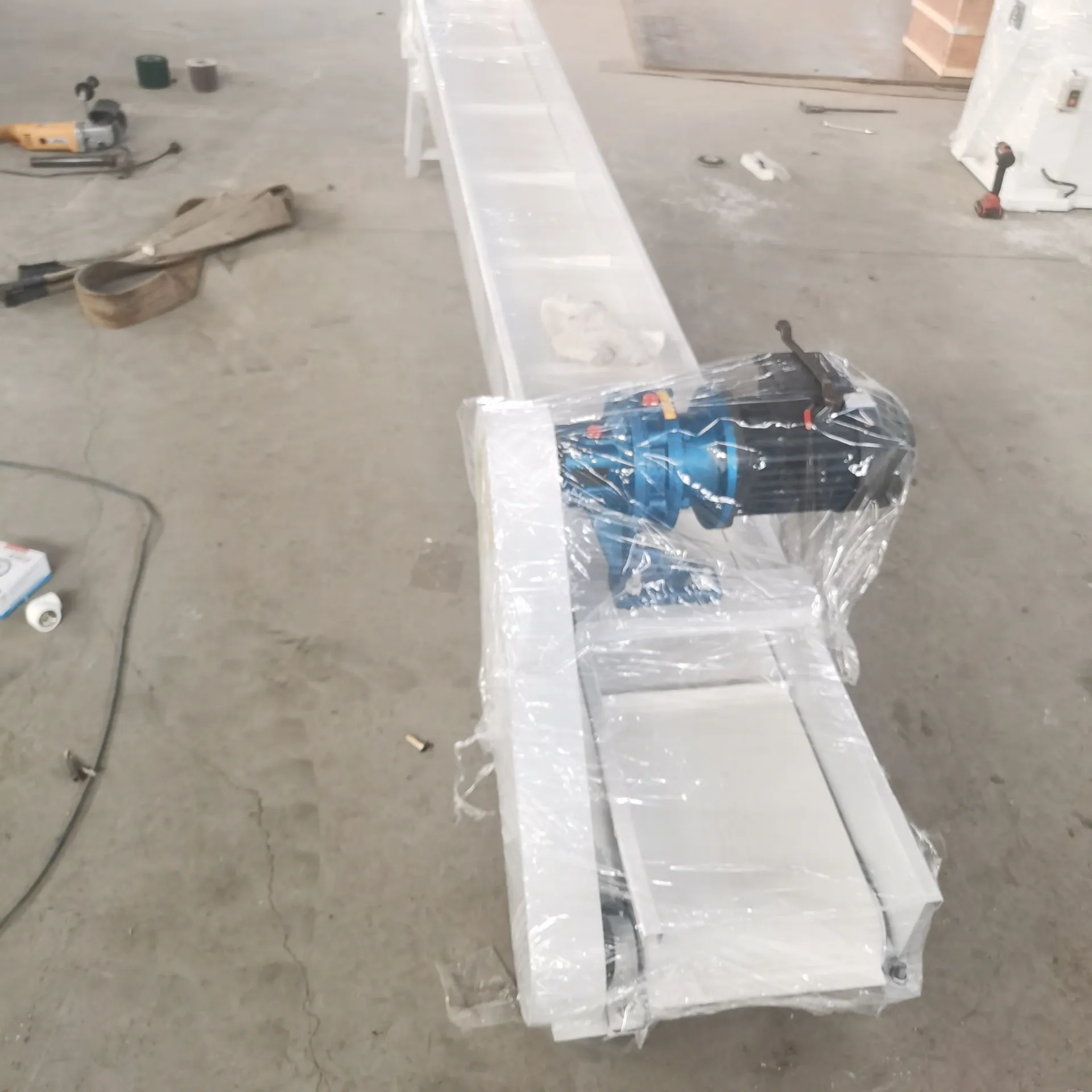
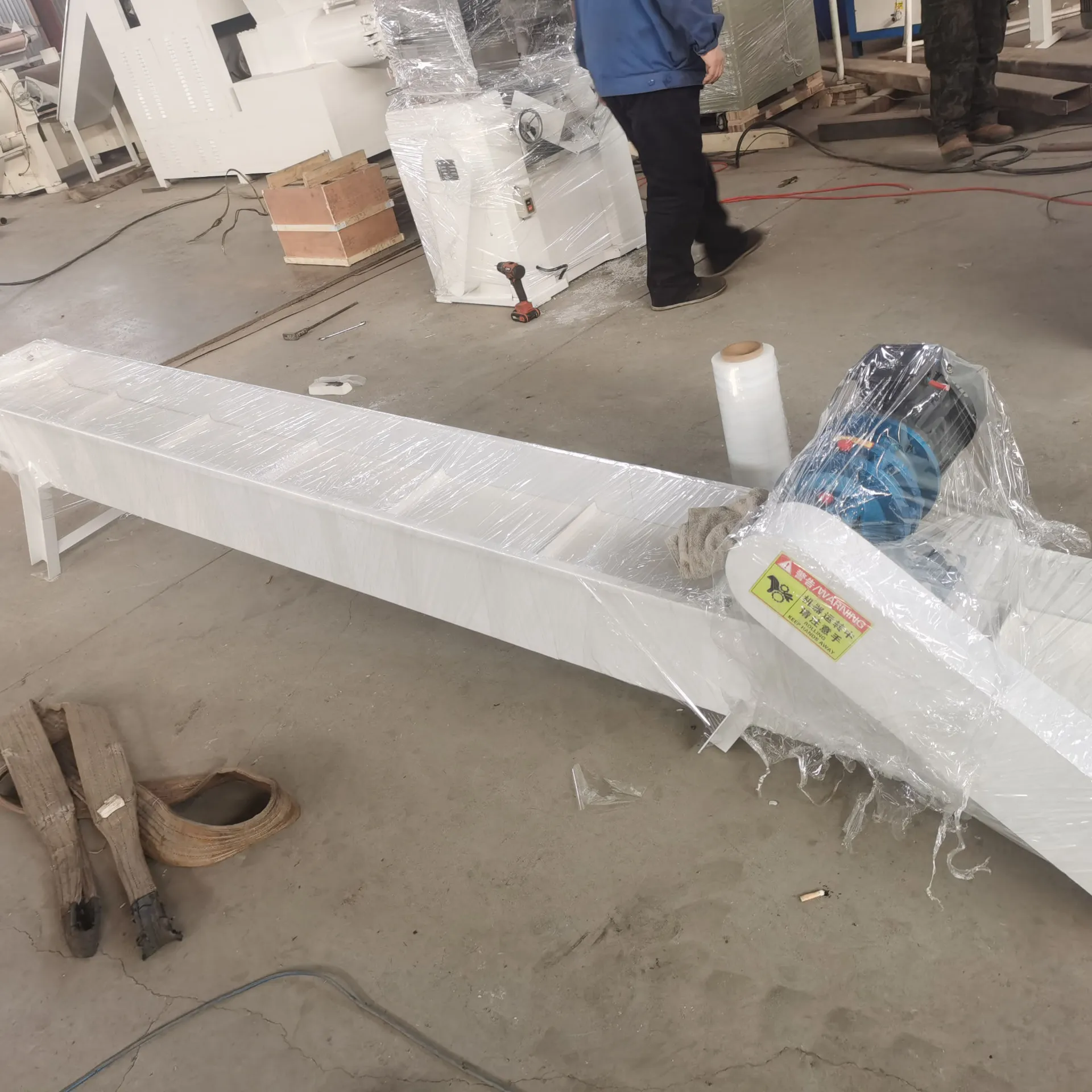
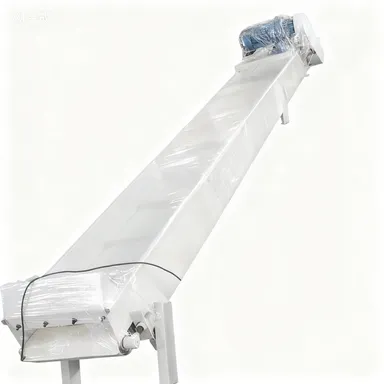
The conveyor belt system is composed of multiple interconnected sections, each tailored to a specific role in material handling. The Mixing-Exquisite conveyor, with an overall dimension of 4300550650 mm, is designed to transfer soap mixtures from the mixing stage to the refining stage, ensuring smooth movement without material loss. The Exquisite-three rollers conveyor, measuring 2300550650 mm, is optimized for handling products that have undergone refining, delivering them to the next stage of processing with stability and control. The Three-roll-out conveyor, also sized at 4300550650 mm, ensures that the processed material exits efficiently and is aligned for further handling. Finally, the Forming belt, at 4300550850 mm, plays a key role in transporting soap bars during shaping and molding, maintaining product integrity during this delicate phase. Together, these sections form a highly coordinated system that supports continuous production with minimal downtime.
-
Technical Specifications
The conveyor belt system combines compact design with robust engineering. With a total motor power of 5.2 kW, the system provides sufficient energy to drive all conveyor segments smoothly and consistently, ensuring synchronized movement across different production stages. Each conveyor section is designed with optimized dimensions to balance throughput capacity and space efficiency, making the system suitable for medium to large-scale soap production facilities. The modular design of the conveyors allows for easy integration, adjustments, or replacements as production requirements evolve. The combination of strong motors, durable belts, and precision engineering guarantees long-term reliability in demanding industrial environments.
-
Function And Working Principle
The conveyor belt system functions by using continuous belts driven by motorized rollers to transport soap materials between different stages of production. Each section is specifically designed for the type of material it handles, whether it be semi-liquid mixtures, refined granules, or molded soap bars. The belts are reinforced to withstand the weight and texture of soap materials while maintaining flexibility for smooth movement. The rollers ensure steady propulsion, while the motors regulate speed for synchronization with other equipment in the line. By mechanizing the transfer process, the conveyor belt eliminates manual handling inefficiencies and ensures a steady flow of production, which is vital for achieving consistent product quality.
-
Application In Soap Manufacturing
In the soap production process, the conveyor belt system plays a pivotal role in bridging gaps between key equipment. For example, after the mixer produces blended soap bases, the Mixing-Exquisite conveyor delivers them directly to the refining machine without delay. From there, the Exquisite-three rollers conveyor moves the refined material to further processing, while the Three-roll-out conveyor ensures that the material exits the refining system smoothly. The Forming belt then transports soap bars through shaping and printing stages, maintaining product alignment and preventing damage. This integration ensures continuous and efficient operation across the production line, reducing interruptions and optimizing overall workflow. Beyond soap manufacturing, similar conveyor systems are adaptable for industries such as food processing, chemicals, and pharmaceuticals, where controlled material handling is critical.
-
Efficiency And Productivity
One of the greatest advantages of the conveyor belt system is its ability to significantly boost productivity. By automating the movement of materials, the system reduces reliance on manual labor, minimizes delays, and ensures faster throughput. The synchronized operation of its four sections maintains a steady pace across all production stages, allowing manufacturers to achieve high efficiency without bottlenecks. With its 5.2 kW total motor power, the system operates reliably over extended production cycles, reducing downtime and maximizing output. This efficiency translates directly into cost savings, as labor requirements are reduced and error rates minimized. Ultimately, the conveyor belt system enables manufacturers to scale production capacity while maintaining consistent quality.
Advantages Of The Conveyor Belt System
The conveyor belt system offers several clear advantages. First, it enhances production continuity, ensuring that soap materials move seamlessly from one stage to the next without delays. Second, it ensures consistent product handling, which preserves the integrity of materials and reduces waste caused by mishandling. Third, it is built with durable materials and powered by strong motors, ensuring long service life and reliable performance even under demanding conditions. Fourth, the modular design allows for flexibility and customization, enabling manufacturers to adapt the system to specific production layouts. Finally, the system reduces operational costs by cutting down on manual labor and increasing efficiency. Together, these benefits make the conveyor belt system a cornerstone of modern, automated soap production.
Usage And Operation Guidelines
For optimal operation, the conveyor belt system should be installed on a level surface and securely aligned with upstream and downstream equipment. Operators should ensure that the belts are properly tensioned and free from obstructions before starting the machine. During operation, consistent monitoring of motor performance and belt alignment is recommended to maintain smooth functionality. Soap materials should be evenly distributed on the belt to avoid overloading, which could cause strain on the motors. Safety precautions include keeping hands and tools away from moving belts and ensuring that protective guards remain in place. By following these guidelines, operators can maximize the system’s efficiency and ensure long-term reliability.
-
Maintenance And Longevity
Routine maintenance is essential for extending the life of the conveyor belt system. Belts should be inspected regularly for signs of wear, tears, or misalignment, and replaced promptly if necessary. The rollers and bearings require periodic lubrication to reduce friction and prevent wear. Motor performance should be monitored to ensure it operates within the 5.2 kW power rating, avoiding overloads that may shorten its lifespan. Cleaning the conveyor belts is also critical, as soap residues or additives can build up over time, affecting belt movement and hygiene. Electrical connections should be checked periodically to prevent malfunctions. With proper maintenance, the conveyor belt system can provide years of reliable and efficient service.
Industry Importance And Market Relevance
In today’s industrial landscape, automation is a critical driver of efficiency, and conveyor systems are at the heart of this trend. The conveyor belt system is vital for soap manufacturers who wish to remain competitive by increasing productivity while maintaining product quality. Its ability to automate transfer processes directly reduces labor costs and ensures consistency, which are key factors in scaling production and meeting market demand. Beyond soap manufacturing, the system’s modular design makes it relevant to a wide range of industries, increasing its market value and demand. As a result, investment in a conveyor belt system is not just a technical decision but also a strategic one, enabling manufacturers to improve profitability and competitiveness.
The conveyor belt system is an indispensable component of automated soap production lines, providing efficient, reliable, and continuous transfer of materials between critical processing stages. With its four specialized conveyor sections, durable construction, and 5.2 kW total motor power, it delivers strong performance across diverse production demands. Its ability to enhance efficiency, ensure consistent product handling, and reduce operational costs makes it a vital investment for modern manufacturing facilities. Easy to operate, maintain, and integrate, the conveyor belt system is not only a mechanical solution but also a strategic asset that empowers manufacturers to achieve higher productivity, better quality, and greater market competitiveness. For companies seeking to optimize their soap production processes, this conveyor belt system offers a proven and effective solution.
-
What is the average lead time?
Request a Quote
If you are interested in our products, you can choose to leave your information here, and we will be in touch with you shortly.