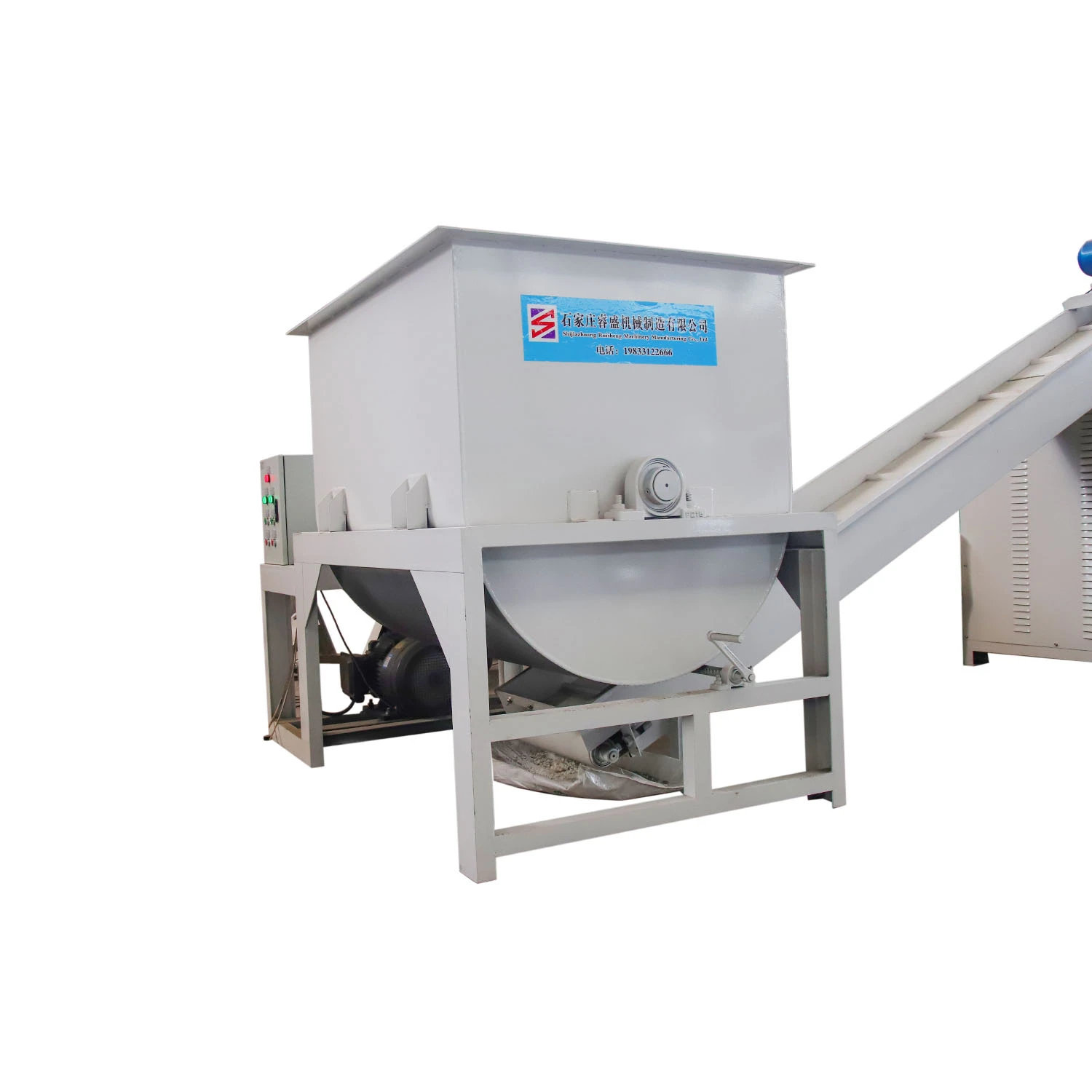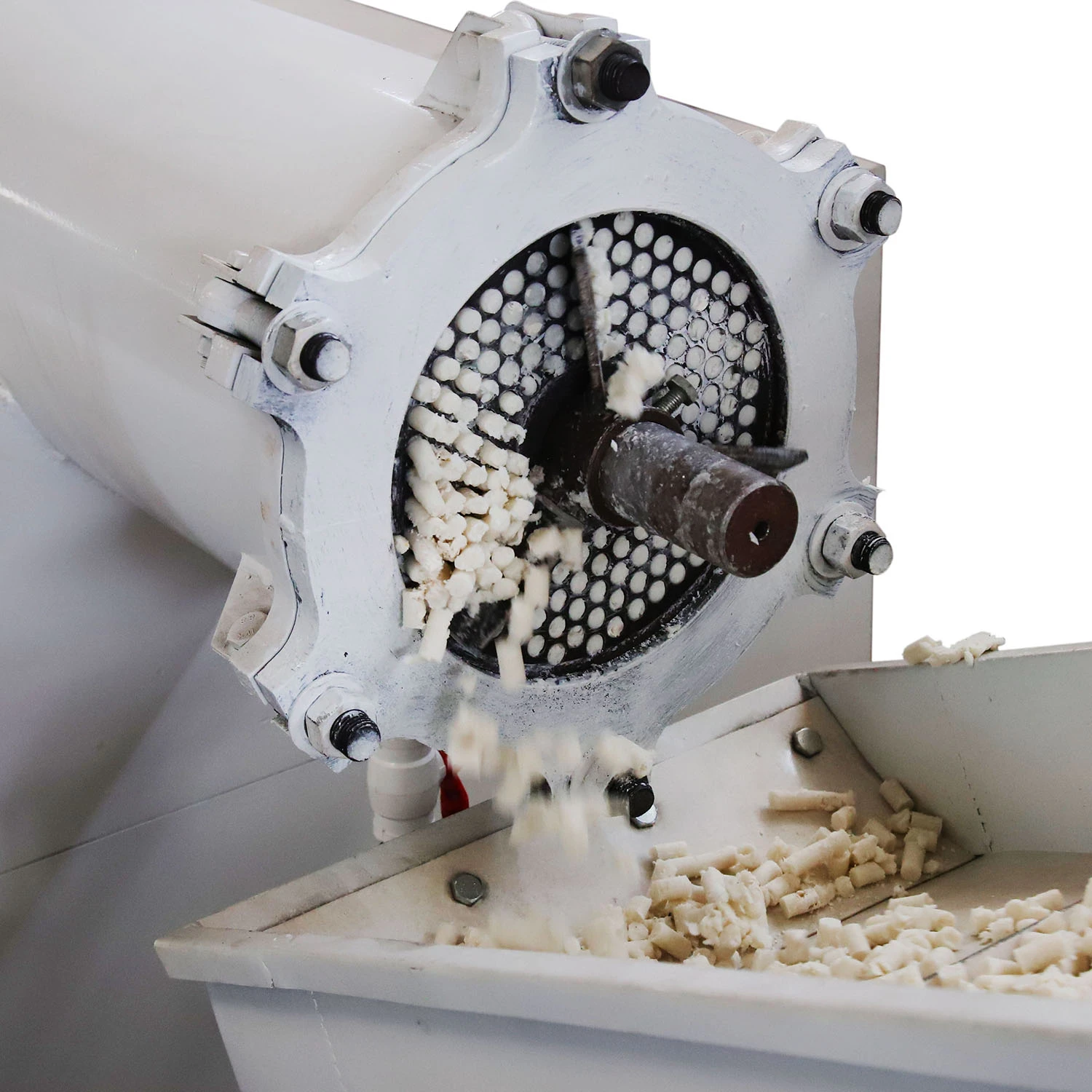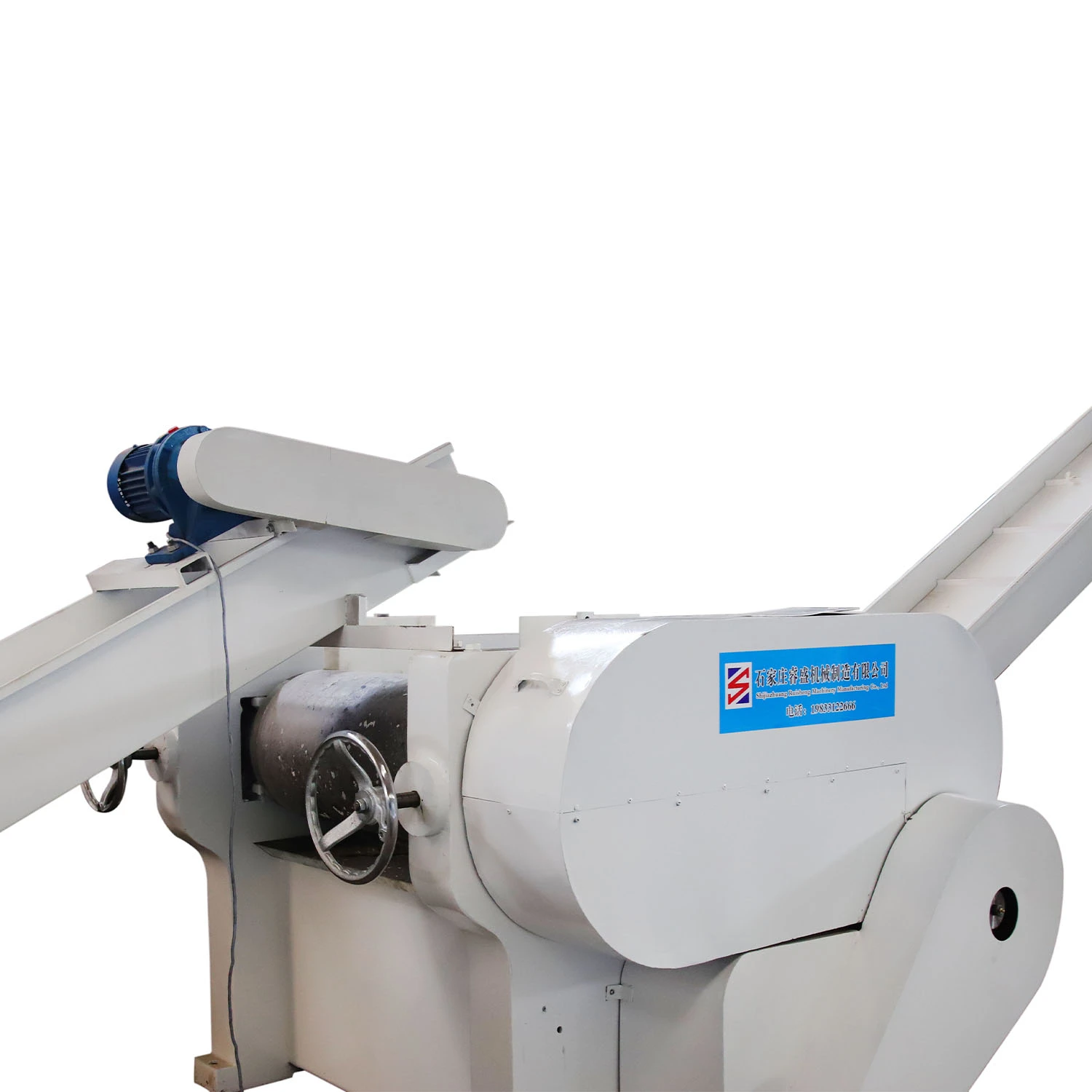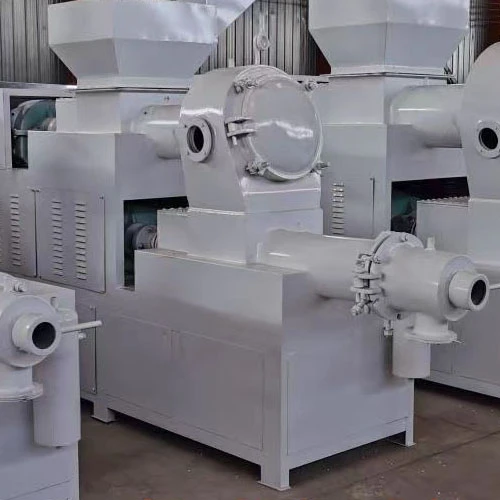
Double Vacuum Stripper (Model 325) 92000
The Double Vacuum Stripper (Model 325) is an advanced piece of industrial equipment designed for the soap manufacturing industry, combining precision engineering, powerful performance, and consistent results. It plays a critical role in transforming ground granulated soap into refined and uniform strips ready for molding and packaging. By applying vacuum stripping, extrusion, and shaping functions in one continuous process, the machine ensures that soap products achieve a neat and well-arranged form. With a production capacity of 1000–2000 kilograms per hour, it meets the high demands of modern manufacturing lines, enabling large-scale production while maintaining superior product quality. Its robust design, high efficiency, and advanced functionality make it a cornerstone in industrial soap production facilities that prioritize quality, reliability, and productivity.
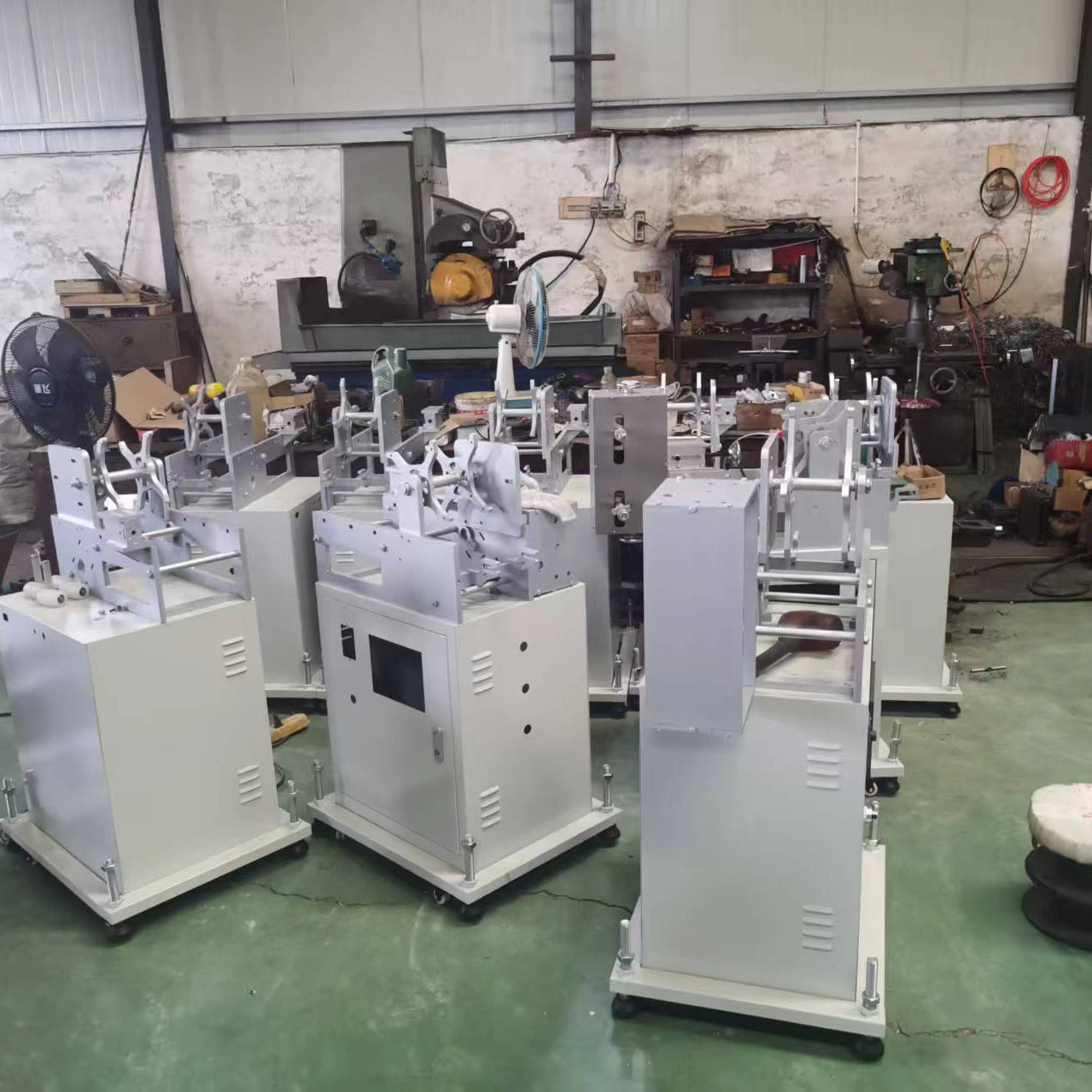
Electronic Dicing Machine (4 Knives) 31500
The Electronic Dicing Machine (4 Knives, 31500) is a specialized piece of equipment designed for cutting and molding soap and transparent soap into uniform slices. Compact yet highly efficient, this machine is an essential part of the soap manufacturing process, particularly in the final stages where precision and consistency in cutting determine the appearance and usability of the finished product. With the integration of four sharp and durable knives, it ensures clean, smooth, and accurate cuts across a wide range of soap sizes. Its adaptable design allows it to work in harmony with strip discharging machines, adjusting its cutting speed to match production flow, thereby maintaining efficiency and synchronization in high-capacity operations. Despite its relatively small size, the machine provides robust functionality, combining precision, efficiency, and reliability into one compact structure that suits both large-scale industrial plants and smaller production setups.
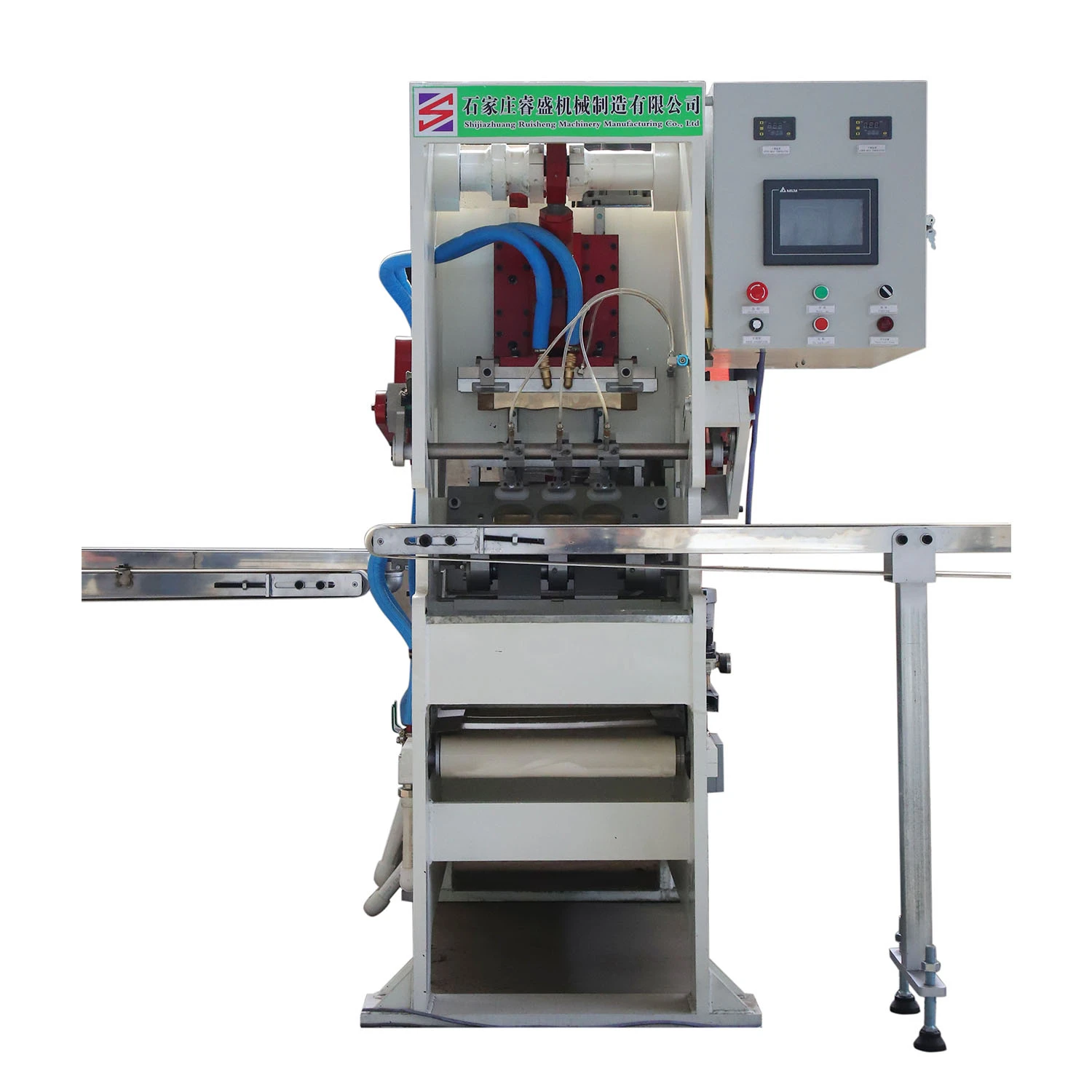
Soap Printer
The soap printer is a specialized piece of equipment designed for the final stage of soap production, where finished soap bars are shaped, imprinted, and prepared for market presentation. Its primary role is to add consistency, brand identity, and professional finishing to every soap bar, ensuring that each product aligns with both functional and aesthetic requirements. By integrating printing technology with precision molding, this equipment delivers not only efficiency but also the opportunity for manufacturers to enhance their brand recognition in a competitive marketplace. Its robust construction, high-capacity performance, and adaptability to different production lines make it an essential machine in modern soap-making industries, ranging from small-scale specialty producers to large-scale industrial manufacturers.
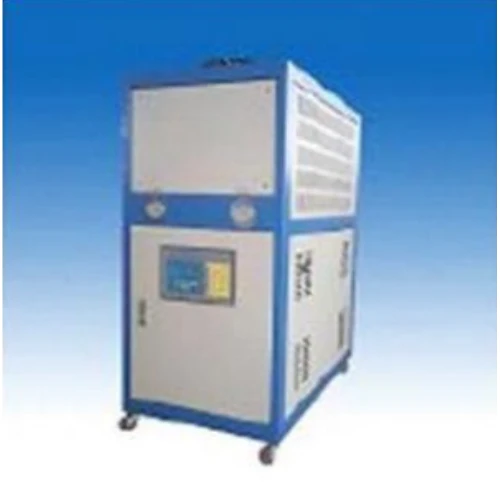
Industrial Air Freezer
The freezer is a highly specialized piece of equipment designed to maintain low temperatures for the preservation, stabilization, or processing of raw materials and finished products in industrial environments. Unlike domestic freezers, this model is engineered with industrial-scale capacity and robust construction, making it capable of sustaining demanding workloads while ensuring consistent performance. With a working temperature range reaching as low as -17℃, it provides reliable cooling conditions to extend shelf life, prevent microbial growth, and preserve the chemical and physical integrity of stored substances. Its integration into a production line or standalone facility makes it a vital asset across industries such as soap manufacturing, pharmaceuticals, chemicals, and food processing. By combining strong cooling performance with energy efficiency, the freezer guarantees operational reliability and productivity for manufacturers who prioritize both quality and efficiency.
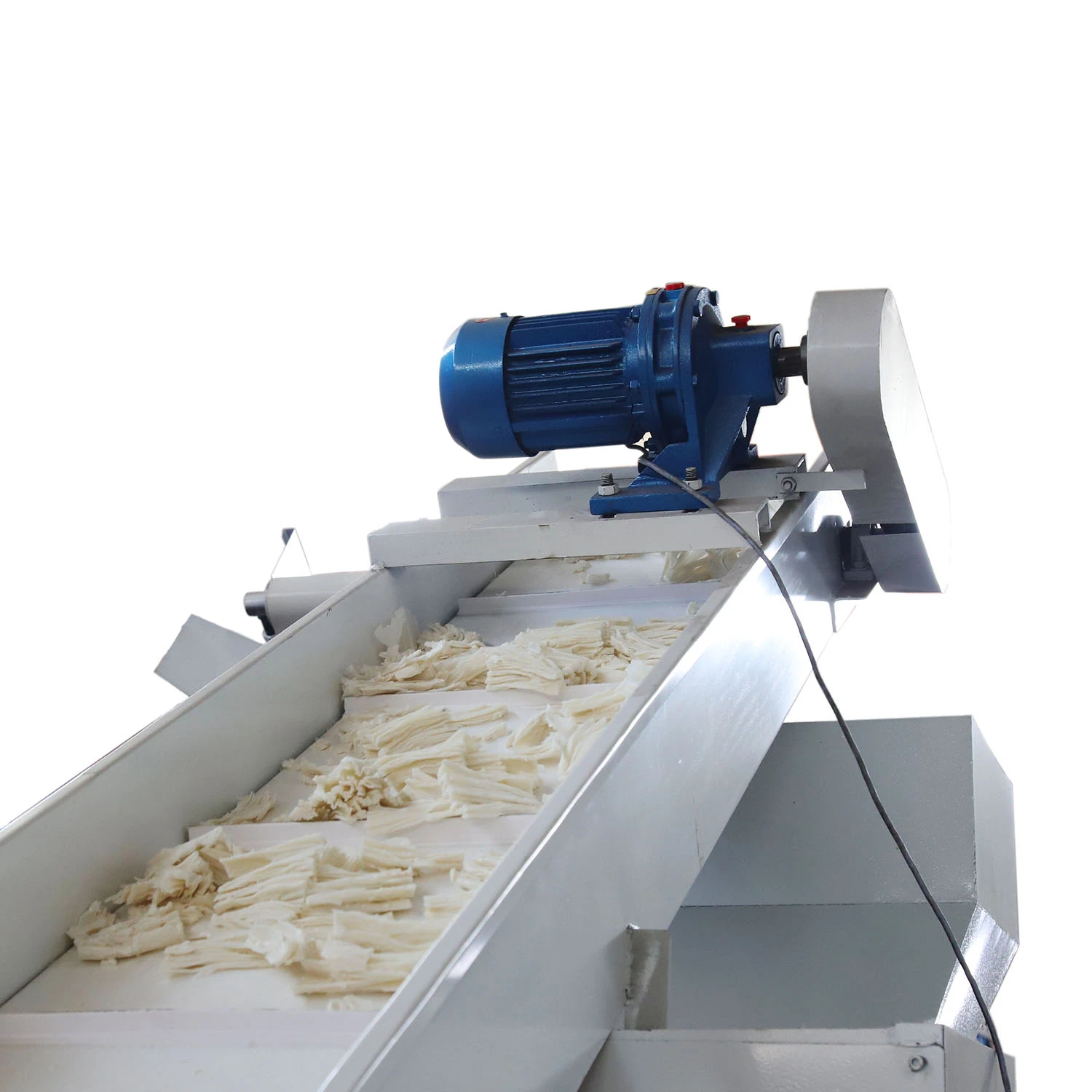
Material Conveyor
The conveyor belt system is a critical component in soap production lines, serving as the backbone for transferring semi-finished and finished products between processing stages. Designed for efficiency and reliability, it enables smooth and continuous movement of materials such as mixed soap bases, refined granules, and molded bars. By incorporating different conveyor sections—including mixing-exquisite transfer, three-roller transfer, three-roll-out, and forming belt segments—this system ensures precise handling of products at every stage of production. Built with industrial-grade durability, the conveyor belt optimizes workflow, reduces manual handling, and improves overall productivity. It also integrates seamlessly with upstream and downstream equipment such as mixers, grinders, extruders, and printers, making it indispensable in automated soap manufacturing facilities.
How to Maintain a Soap Stamping Machine?
Proper maintenance of a soap stamping machine is crucial for ensuring stable performance, long lifespan, and consistent product quality. Regular care helps avoid downtime and reduces operating costs.
-
Daily Cleaning: After each production shift, remove soap residue and dust from the mold surfaces, feeding system, and pressing chamber. Avoid using corrosive cleaners—mild soap solution and soft brushes are recommended.
-
Lubrication: Keep all moving parts, bearings, and guide rails well-lubricated according to the manufacturer’s schedule. This minimizes friction and ensures smooth operation.
-
Mold Care: Check molds regularly for wear or damage. Replace or polish molds promptly to prevent surface defects on finished soaps.
-
Pressure and Temperature Checks: Monitor and adjust the stamping pressure and mold temperature to prevent cracks or deformation. Sudden temperature changes can affect soap texture and appearance.
-
Electrical System Inspection: Inspect the motor, sensors, and control panels periodically to prevent malfunctions. Ensure that all safety switches are functional.
A well-maintained stamping machine ensures continuous, efficient production and high-quality soap bars with precise logos and shapes. At Ruisheng Machinery, we provide full technical guidance and spare parts support to help customers keep their soap molding systems in optimal condition.
Choosing the Right Soap Making Machine for Your Business
Selecting the right soap making machine is one of the most important decisions for any soap manufacturer. Different machines are designed for various production scales and soap types, such as bar soap, toilet soap, or detergent soap. The key is to match your production capacity and product goals with the right equipment.
A basic soap making machine includes a mixer, plodder (extruder), cutting unit, and stamping machine. For small or medium enterprises, semi-automatic machines provide a cost-effective solution with moderate output and easy operation. For large-scale factories, fully automatic machines deliver continuous production with high efficiency and uniform product quality.
When choosing a soap machine, consider factors such as production speed, power consumption, automation level, and ease of maintenance. Stainless steel construction is recommended for better hygiene and durability. Additionally, after-sales service and spare parts availability should be evaluated to ensure long-term stability.
By investing in the right soap making equipment, you can achieve stable production, minimize waste, and improve profit margins. Whether for startup projects or expanding operations, modern soap machines offer flexibility, reliability, and professional-grade performance that meet today’s market demands.