Understanding the Ribbon Mixer Working Principle
Ribbon mixers are essential equipment in various industries, including food processing, pharmaceuticals, chemicals, and plastics. Their effectiveness stems from a relatively simple yet highly efficient mixing principle. This article delves into the mechanics behind ribbon mixers, exploring how they achieve homogeneous blending of diverse materials. We will cover the core components, the mixing process, factors influencing performance, and common applications, providing a comprehensive understanding for both operators and those considering incorporating this technology into their processes. Choosing the right mixer can dramatically improve product quality and efficiency. RS Soap Machine offers a range of ribbon mixers tailored to diverse needs.
Core Components of a Ribbon Mixer
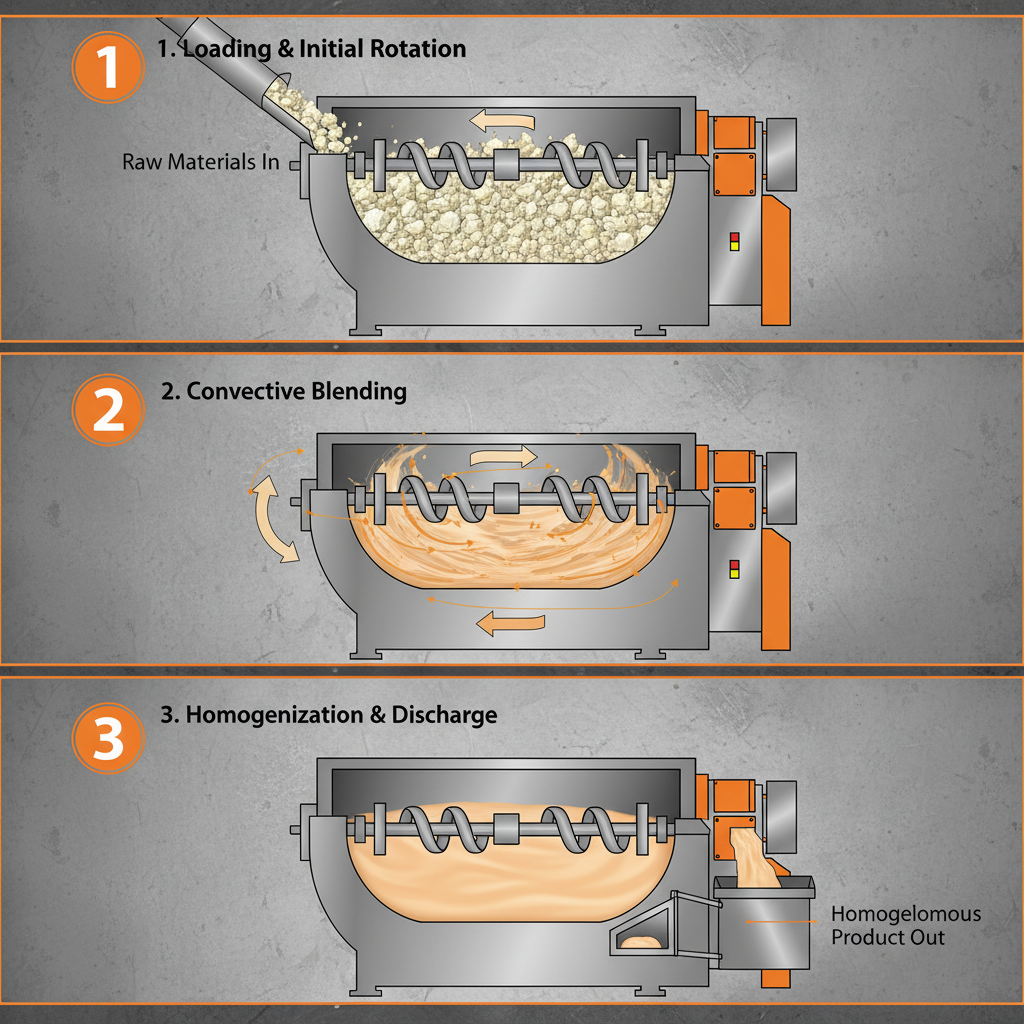
A typical ribbon mixer consists of several key components working in harmony. The most prominent is the mixing vessel, usually a U-shaped or horizontal cylindrical tank. Inside, one or more helical ribbons, also known as agitators, are mounted on a central shaft. These ribbons are the driving force behind the mixing action. A robust motor, often with a gearbox to adjust speed and torque, provides the power. Finally, an inlet and outlet for materials, along with access ports for cleaning and maintenance, complete the setup. The design of each component, especially the ribbon configuration, is critical to achieving optimal mixing performance.
The Ribbon Mixer Working Principle: A Detailed Explanation
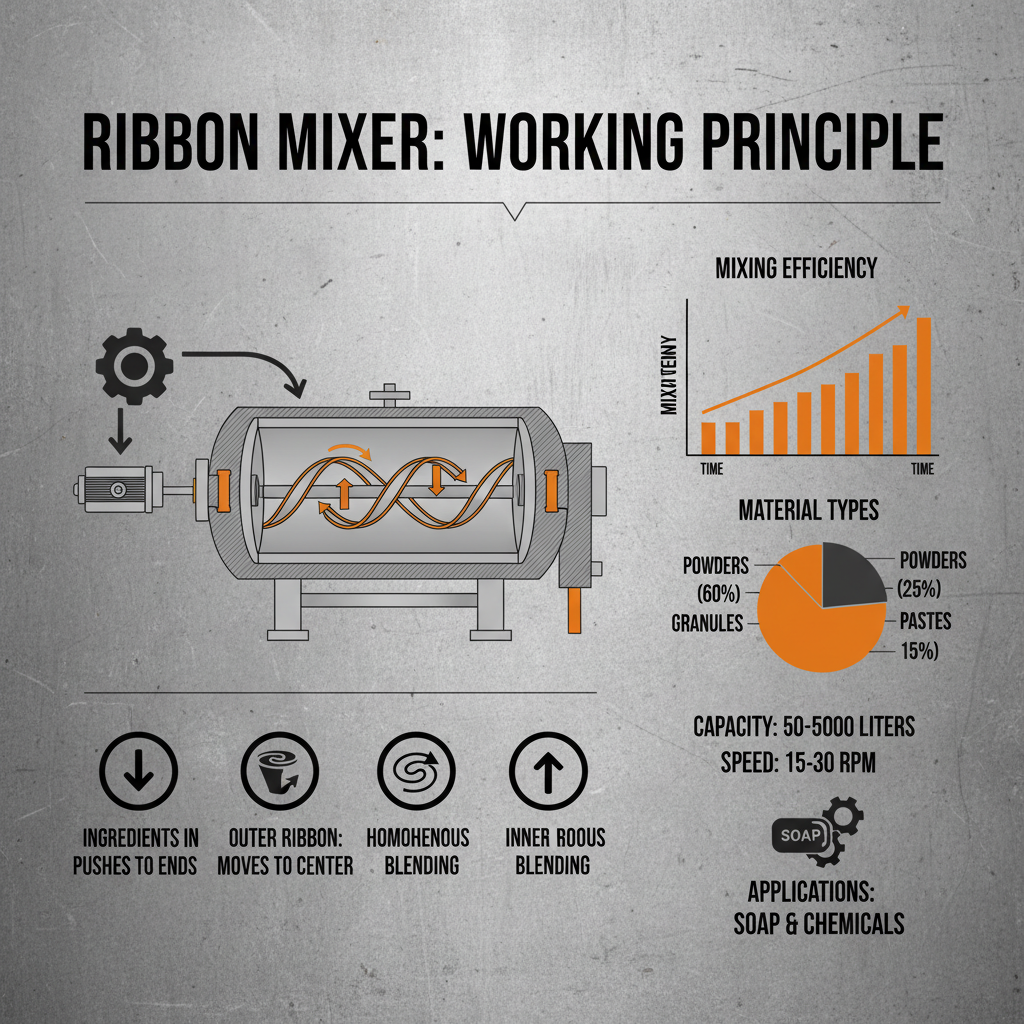
The ribbon mixer working principle relies on the movement of the helical ribbons within the mixing vessel. As the shaft rotates, the ribbons generate a dual mixing action. The inner ribbon moves materials in one direction (typically towards the outlet), while the outer ribbon moves them in the opposite direction. This creates a circulating flow pattern, effectively blending ingredients from all parts of the vessel. The ribbons don’t just push material; they lift and fold it, ensuring thorough mixing even for materials with varying densities and particle sizes. This efficient mixing minimizes segregation and ensures a homogeneous blend.
Factors Influencing Mixing Efficiency
Several factors impact the efficiency of a ribbon mixer. The ribbon’s design – pitch, width, and helix angle – plays a crucial role. A narrower ribbon pitch is suitable for finer powders, while a wider pitch is better for granular materials. Mixing speed is another critical parameter; higher speeds generally lead to faster mixing but can also cause segregation. Fill level – the percentage of the vessel occupied by materials – affects the mixing pattern and efficiency. Finally, the properties of the materials themselves, such as viscosity, density, and particle size distribution, influence the mixing process. RS Soap Machine expertly considers these factors when designing and recommending ribbon mixers.
Key Considerations for Optimal Mixing: Ribbon design, mixing speed, fill level, and material properties all significantly impact efficiency.
Ribbon Mixer vs. Other Mixer Types
While various mixer types exist, ribbon mixers offer unique advantages. Compared to paddle mixers, ribbon mixers provide more efficient blending due to their continuous flow pattern. Unlike plough mixers, which can be abrasive for delicate materials, ribbon mixers offer a gentler mixing action. Compared to planetary mixers, ribbon mixers are better suited for large-batch processing and continuous operation. Here's a comparative overview:
Applications of Ribbon Mixers Across Industries
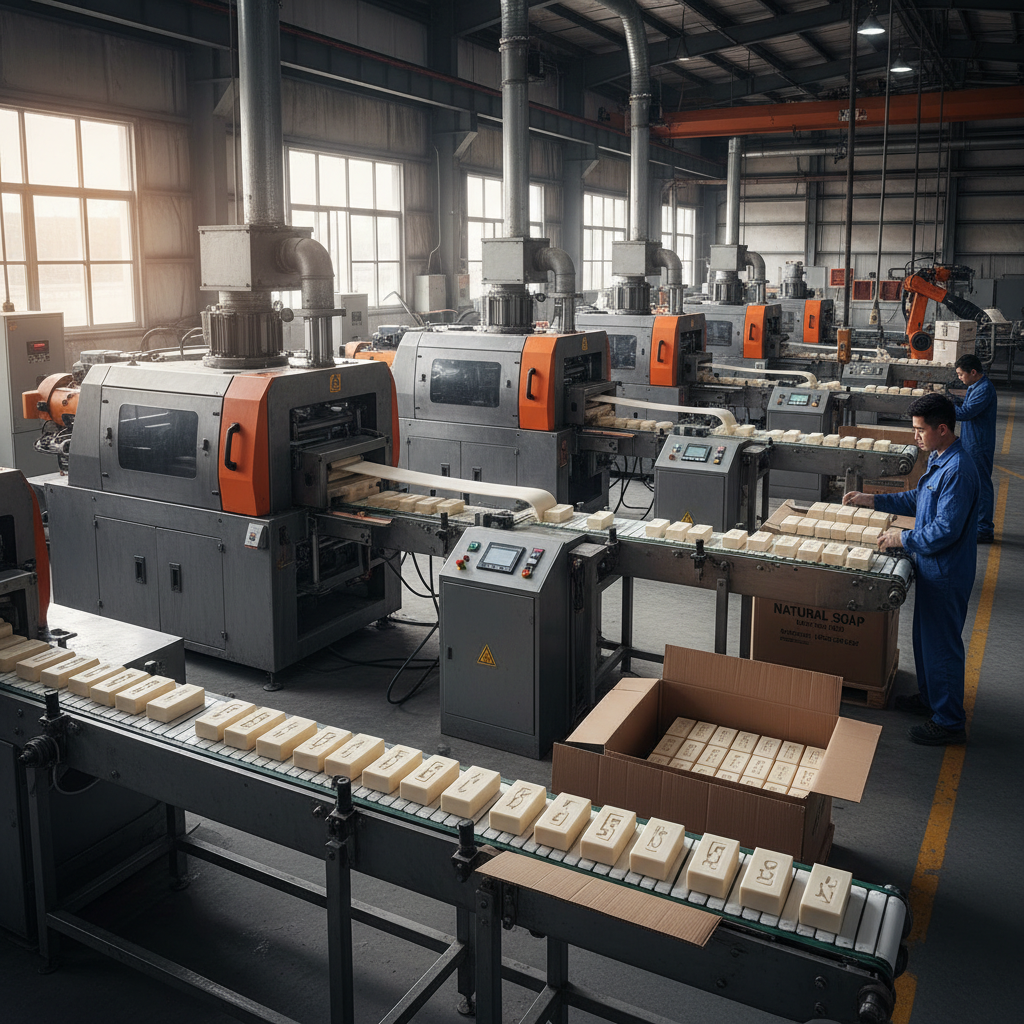
Ribbon mixers find applications across a broad spectrum of industries. In the food industry, they blend ingredients for cakes, cookies, and sauces. Pharmaceutical companies utilize them for mixing powders and granules for tablets and capsules. The chemical industry relies on ribbon mixers for blending dry chemicals, polymers, and pigments. Plastic manufacturers use them to mix additives into resins. From cosmetics to detergents, the versatility of ribbon mixers makes them invaluable in numerous processes. RS Soap Machine offers customized solutions for specific industry requirements.
Conclusion: The Power of Efficient Blending
The ribbon mixer working principle offers a reliable and efficient solution for achieving homogeneous blending in diverse applications. Understanding the core components, influencing factors, and comparative advantages is essential for selecting and optimizing this technology. By choosing the right ribbon mixer and operating it correctly, businesses can improve product quality, increase production efficiency, and reduce costs. RS Soap Machine is dedicated to providing high-quality ribbon mixers and expert support to meet your specific blending needs.
Frequently Asked Questions (FAQs)
What materials can be effectively mixed in a ribbon blender?
Ribbon blenders excel at mixing a wide variety of materials, including powders, granules, flakes, and pastes. They are particularly effective for blending dry ingredients with varying particle sizes and densities. They can also handle some liquids and semi-solids, provided they aren't overly viscous. However, extremely abrasive materials or those prone to generating static electricity may require specialized considerations, such as the use of conductive materials or anti-static coatings. RS Soap Machine can advise on the suitability of a ribbon blender for specific materials.
How do I determine the appropriate mixing speed for my application?
The ideal mixing speed depends on the material characteristics and desired blending outcome. Lower speeds are generally preferred for gentle mixing of fragile materials or when dealing with large particle sizes to prevent segregation. Higher speeds can accelerate mixing for homogenous blends, but can also create dust or material breakdown. Start with a lower speed and gradually increase it while observing the mixing process. If you're unsure, consulting with a mixing equipment expert, like the team at RS Soap Machine, is recommended.
What maintenance is required for a ribbon mixer?
Regular maintenance is essential for ensuring the longevity and optimal performance of a ribbon mixer. Key tasks include periodic inspection of the ribbons, shaft seals, and bearings for wear and tear. Lubricating moving parts as specified by the manufacturer is crucial. Regularly cleaning the mixing vessel to prevent material buildup is also important. Finally, check and tighten any loose bolts or connections. RS Soap Machine provides comprehensive maintenance guidelines and support.