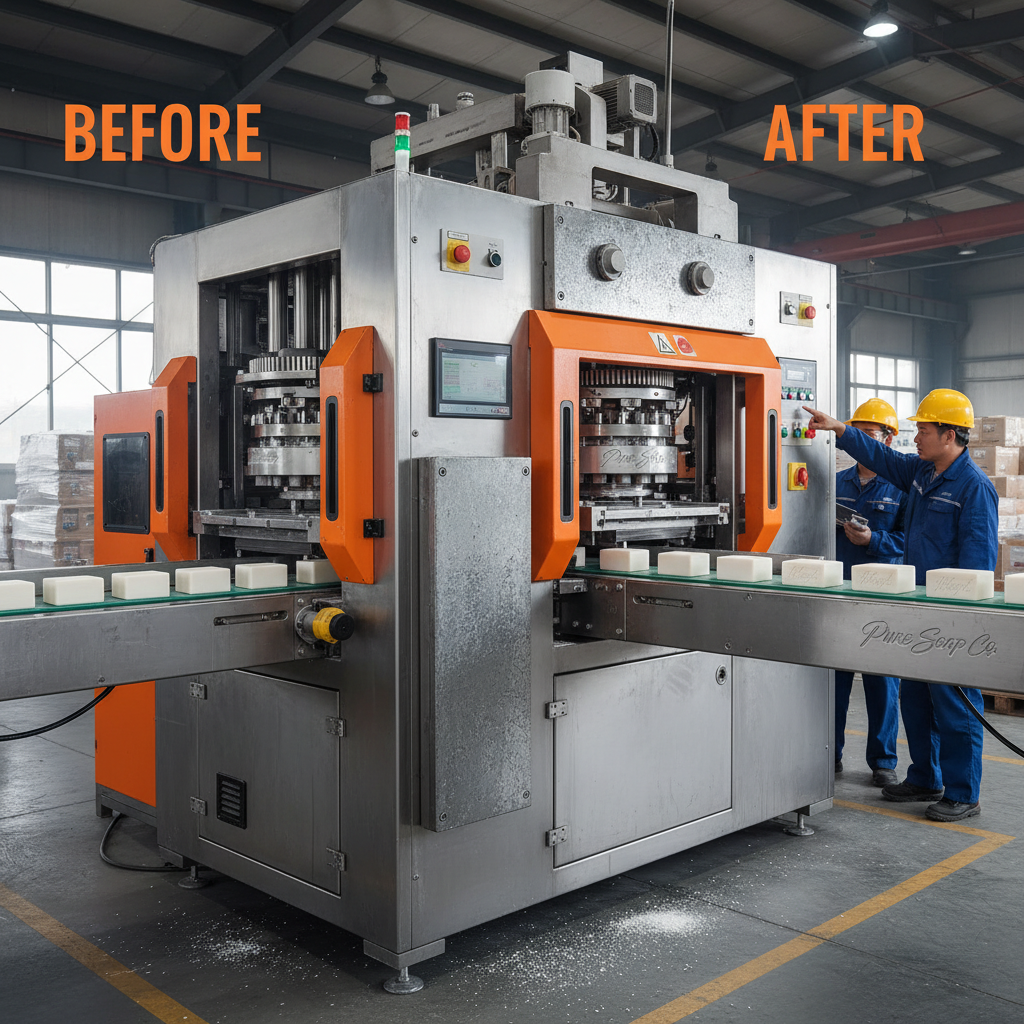
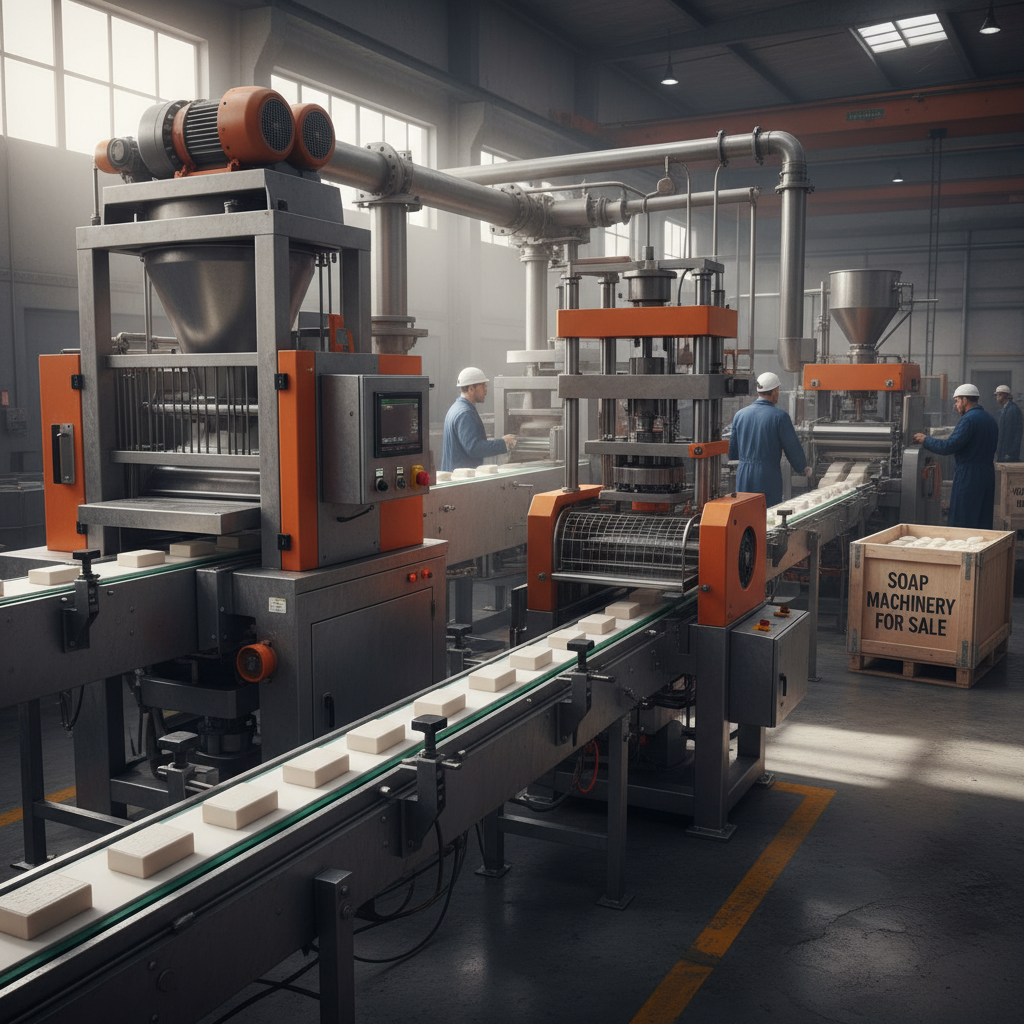
Look, I’ve spent the last fifteen years boots-on-the-ground with soap printing machines – not in a lab, not in a boardroom, but right there on the factory floor, watching them run, troubleshoot them, and understand what actually matters to the people using them day in and day out. We’re talking about consistent production, minimizing downtime, and getting a high-quality result, every single time. It’s a tough business, and the machine has to be up to the challenge. This isn’t about flashy features; it’s about reliability and getting the job done.
What I’ve seen evolve over the years is the demand for adaptability. Businesses need soap printing machines that can handle different soap bases, varying batch sizes, and intricate designs. The old models were great for simple runs, but modern consumers expect customization, and that puts a strain on the equipment.
And it's not just the machines themselves; it's the whole ecosystem around them. Maintenance, training, getting parts quickly – those are all critical components. You can have the best soap printing machine in the world, but if you can't keep it running, it's just an expensive paperweight.
The Core Principles of soap printing machine Design
When we talk about designing a good soap printing machine, it all boils down to three things: durability, precision, and ease of maintenance. You want something built to withstand the daily grind, consistently deliver quality prints, and not require a PhD to fix when something goes wrong. I’ve seen machines that look fancy but fall apart after a year, and I've seen simpler machines that just keep on ticking for a decade. The latter is always the better investment.
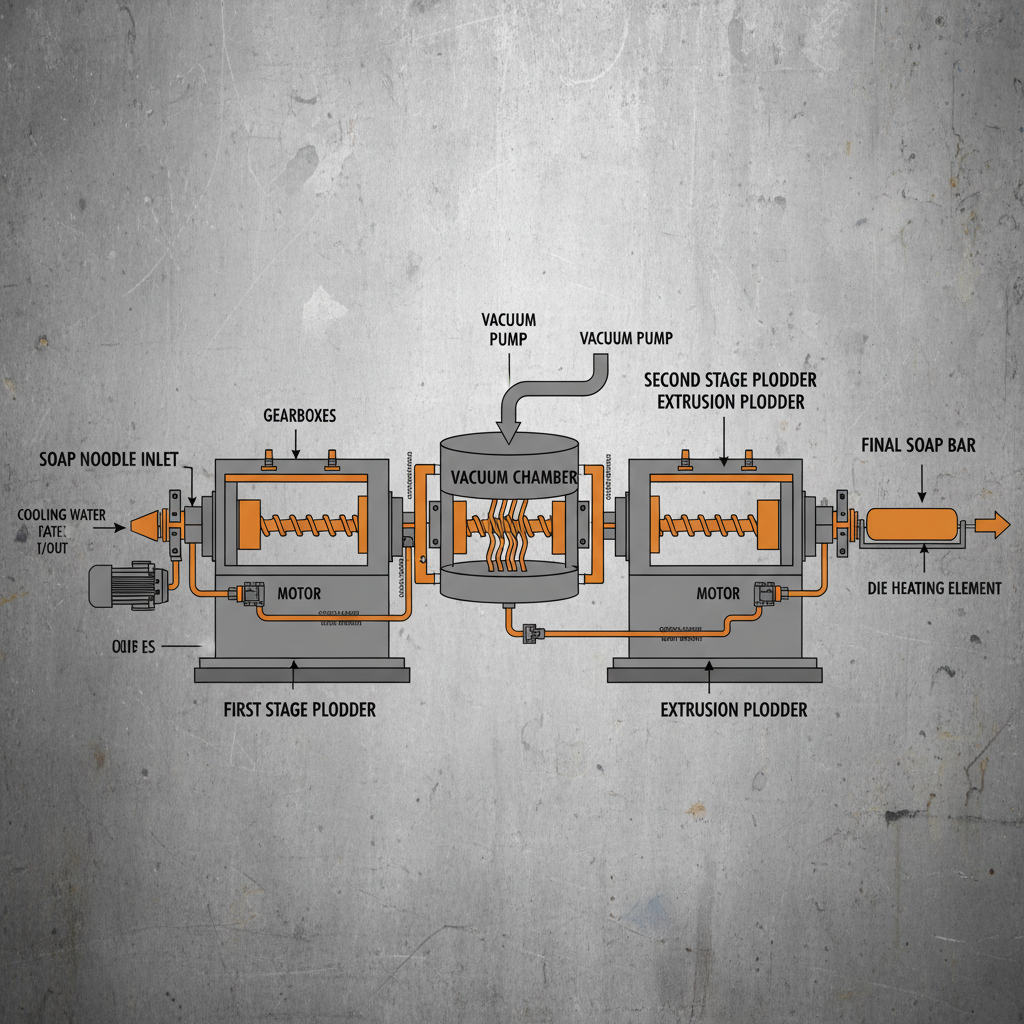
The materials matter, of course. We're looking at stainless steel for anything that comes into contact with the soap, robust frames that can handle vibrations, and reliable electronic components. But it's also about the little things – accessible lubrication points, clear labeling, and a design that makes cleaning straightforward. Because trust me, soap buildup is a constant battle.
Global Demand and Industry Trends for soap printing machine
The demand for customized soaps is huge, and it's not slowing down. We're seeing it globally, from artisanal soap makers in Europe and North America to large-scale manufacturers in Asia. Everyone wants something unique, something that stands out on the shelf. And that translates directly into a need for versatile and efficient soap printing machines.
What’s driving this? It's a combination of things. Consumer preference for natural and organic products, the rise of boutique brands, and the increasing popularity of gifting. People are willing to pay a premium for quality and personalization. And that's putting pressure on manufacturers to deliver.
Interestingly, we're also seeing a push for sustainability. Consumers want eco-friendly packaging and manufacturing processes. This means soap printing machine manufacturers are having to explore more sustainable materials and energy-efficient designs. It's not just about printing a pretty label anymore; it's about doing it responsibly.
Defining a Modern soap printing machine
A modern soap printing machine isn't just about slapping a design onto a bar of soap. It’s about integration. It needs to connect seamlessly with existing production lines, offer real-time monitoring of performance, and allow for quick changeovers between different designs. It’s about data – tracking print quality, identifying potential issues before they become major problems, and optimizing the entire process.
A lot of the newer models are incorporating digital printing technologies, which offer incredible flexibility. You can print intricate designs, variable data (like batch numbers or individual customer names), and even photographic images. But digital isn't always the answer. For high-volume, simple designs, traditional methods can still be more cost-effective. It's about finding the right balance.
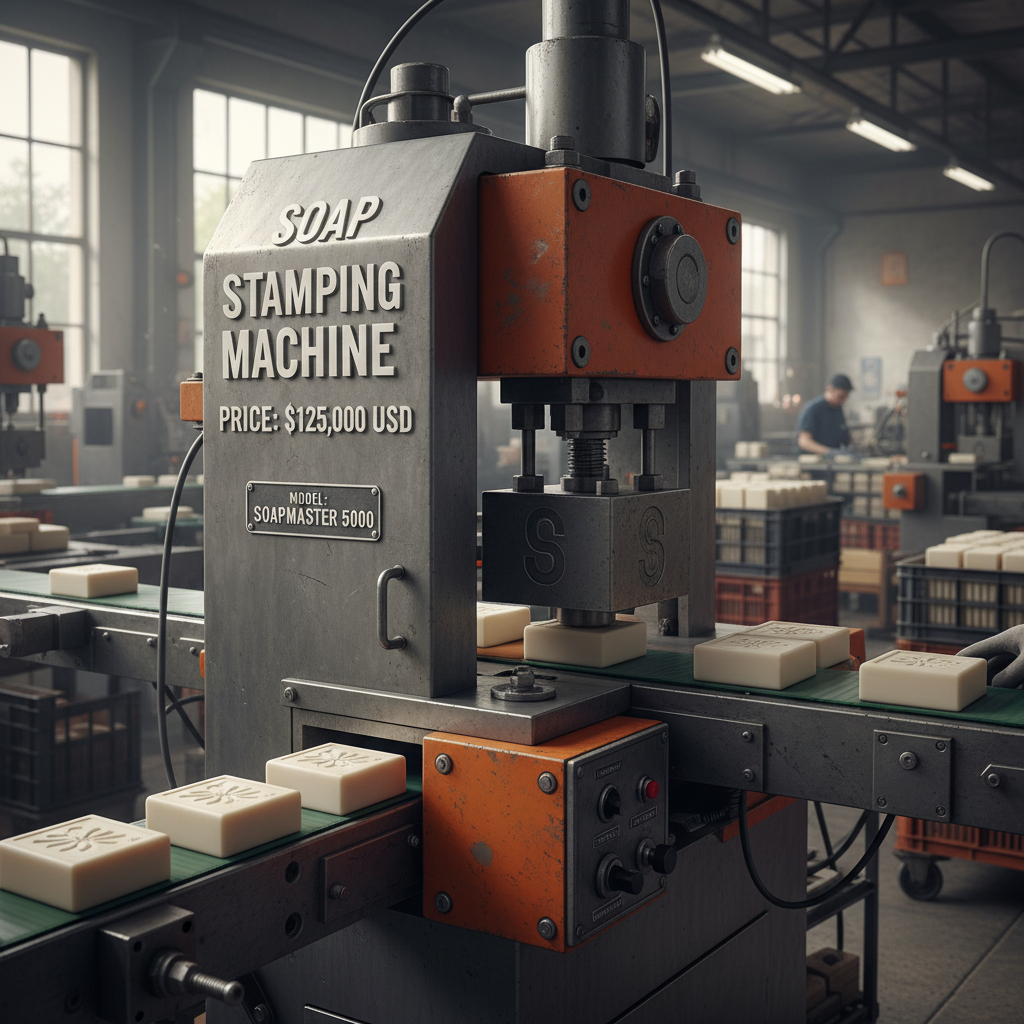
And let's not forget about safety. These machines operate with inks and potentially moving parts. Modern designs need to prioritize operator safety with features like emergency stop buttons, safety guards, and clear warning labels. Because a fast machine isn't worth much if it puts people at risk.
Key Performance Indicators for soap printing machine
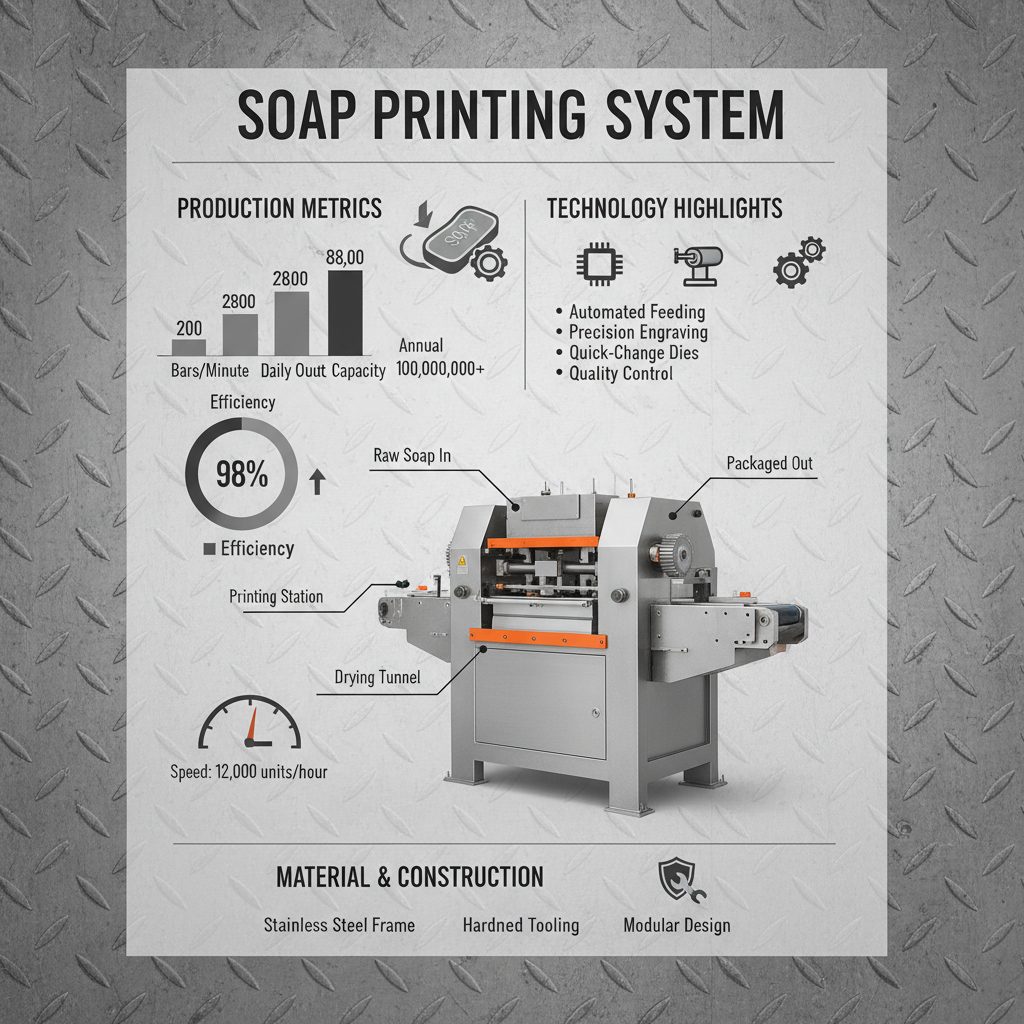
I get asked all the time, “What makes a good soap printing machine?” Well, it's not just one thing. It's a whole set of KPIs. First off, uptime is king. How much of the day is the machine actually running and producing? We're aiming for 95% or better. Then there’s throughput – how many bars of soap can it print per hour?
Print quality is another big one. We're looking at color accuracy, image resolution, and consistency. You don't want a batch of soaps with faded or blurry prints. And finally, there’s waste. How much ink is being wasted? How many rejects are there due to printing errors? Minimizing waste is critical for profitability.
soap printing machine Performance Metrics
Applications of soap printing machine Across Industries
You'd be surprised where soap printing machines are used. Obviously, there's the cosmetic industry – soaps, lotions, shampoos. But we also see them in the hospitality sector, branding hotel soaps with their logos. Smaller businesses use them to create custom soaps for events or promotions.
And it’s not just about branding. Some companies are using soap printing to add functional elements – things like ingredient lists, usage instructions, or even QR codes that link to online information. The possibilities are really expanding as the technology gets more sophisticated.
Long-Term Value and Return on Investment for soap printing machine
The initial cost of a soap printing machine can be significant, but you have to look at the long-term ROI. If you're a high-volume manufacturer, a reliable machine can pay for itself within a year or two by reducing downtime, improving print quality, and minimizing waste.
Beyond the direct financial benefits, there’s also the value of brand reputation. High-quality, consistent printing can enhance your brand image and build customer loyalty. And in today's market, that’s worth a lot.
Don't underestimate the importance of service and support either. A machine that comes with excellent training, readily available parts, and responsive technical support can save you a lot of headaches (and money) in the long run.
Future Innovations and Challenges in soap printing machine Technology
I think we're going to see a lot more automation in soap printing machines. Self-adjusting print heads, automatic ink replenishment, and predictive maintenance systems. All of that will help to reduce downtime and improve efficiency. We are also seeing increased integration with AI for color matching and print optimization.
One of the biggest challenges is developing more sustainable inks and printing processes. Consumers are demanding eco-friendly products, and that means finding alternatives to traditional solvents and reducing waste.
Finally, there’s the issue of cybersecurity. As these machines become more connected, they become more vulnerable to cyberattacks. Protecting sensitive data and ensuring the integrity of the printing process is going to be a major focus in the years to come.
Summary of Future Trends in soap printing machine Technology
| Trend Category |
Innovation Area |
Impact on soap printing machine |
Implementation Timeline |
| Automation |
Self-Adjusting Print Heads |
Reduced operator intervention, improved print consistency |
1-3 years |
| Sustainability |
Bio-Based Inks |
Lower environmental impact, appeal to eco-conscious consumers |
3-5 years |
| Connectivity |
Remote Monitoring Systems |
Proactive maintenance, reduced downtime |
Currently available |
| Artificial Intelligence |
AI-Powered Color Matching |
Increased color accuracy, reduced ink waste |
2-4 years |
| Security |
Cybersecurity Protocols |
Protection against data breaches and system disruptions |
Ongoing – continuous updates |
| Materials Science |
Durable, Lightweight Components |
Increased machine lifespan, reduced energy consumption |
3-5 years |
FAQS
A well-maintained, high-quality soap printing machine should easily last 8-12 years, sometimes even longer. It really depends on the usage intensity, the type of soap being printed on, and how diligently the maintenance schedule is followed. Regular cleaning, lubrication, and timely replacement of worn parts are crucial for maximizing its lifespan. We’ve seen machines that are over 15 years old still running strong thanks to consistent upkeep.
Good manufacturers offer comprehensive training that covers everything from basic operation and maintenance to troubleshooting and advanced features. This usually includes on-site training with a technician, detailed user manuals, and access to online resources like video tutorials and FAQs. The goal is to empower your team to operate the machine safely and efficiently, and to handle most common issues without needing external support. Look for vendors that prioritize ongoing training and support.
Digital soap printing machines generally have a higher upfront cost than traditional ones. This is due to the more complex technology involved. However, digital machines offer greater flexibility and can be more cost-effective in the long run, especially for businesses that need to print a wide variety of designs or small batches. Traditional machines are still a good option for high-volume, simple prints, where the lower initial investment can be justified.
Regular maintenance is key. Common tasks include cleaning the print heads, lubricating moving parts, checking ink levels, and inspecting belts and rollers for wear and tear. Depending on the machine type, you may also need to replace filters, calibrate sensors, and perform software updates. A preventative maintenance schedule, outlined in the user manual, should be followed diligently to minimize downtime and ensure optimal performance.
Safety should be a top priority. Look for features like emergency stop buttons, safety guards around moving parts, clear warning labels, and a robust safety interlock system. The machine should also be designed to minimize the risk of ink spills or exposure to hazardous materials. Operators should receive thorough training on safe operating procedures.
A reliable manufacturer should have a readily available inventory of common replacement parts. Lead times can vary depending on the part and your location, but a typical lead time should be no more than 3-5 business days for standard parts. For more specialized or custom parts, it may take longer. Having a local distributor or a strong relationship with the manufacturer can help expedite the process.
Conclusion
From my years in the field, it’s clear that a soap printing machine is more than just a piece of equipment. It’s an investment in quality, efficiency, and brand reputation. The right machine, combined with proper maintenance and training, can significantly boost your bottom line and help you stay ahead of the competition. We’ve seen businesses transform their production capabilities with the right tools and support.
Looking ahead, the industry is going to continue to evolve, driven by factors like sustainability, automation, and the demand for greater customization. Staying informed about these trends and partnering with a forward-thinking manufacturer is essential. If you're considering investing in a soap printing machine, do your research, talk to experienced operators, and choose a solution that meets your specific needs. Visit our website: www.rssoapmachinery.com.