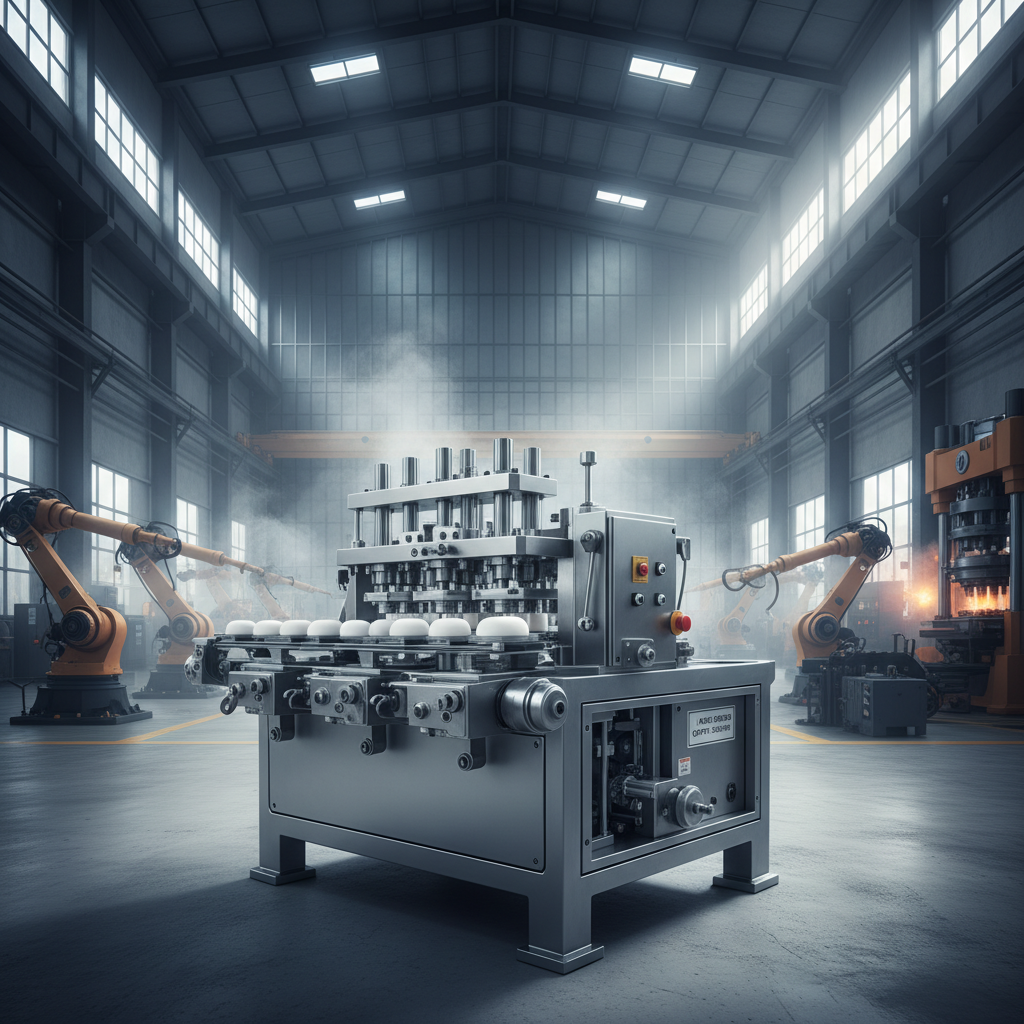
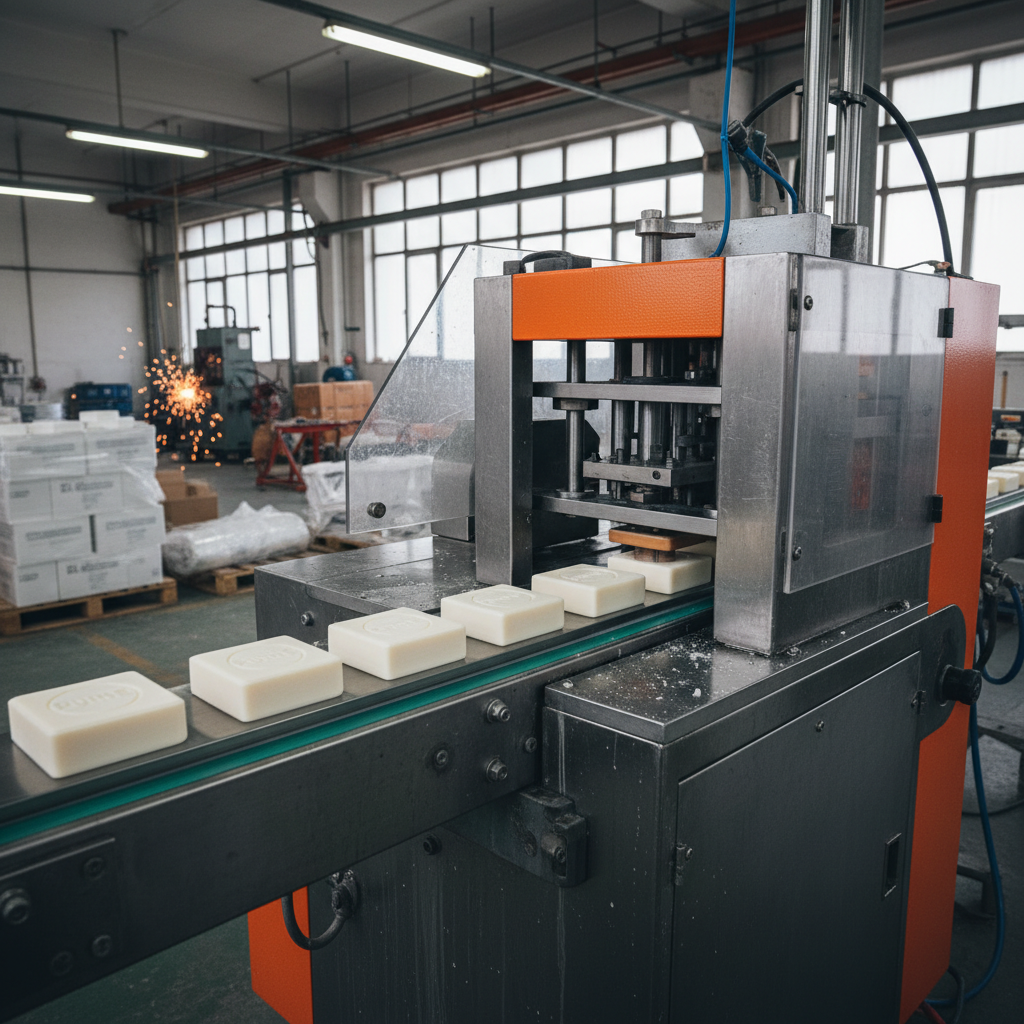
The demand for efficient, small-scale soap production is growing globally, driven by artisanal businesses, localized manufacturing initiatives, and a renewed focus on hygiene, particularly in developing nations. A mini soap stamping machine addresses this need by providing an affordable and accessible solution for branding and finishing handmade soap, moving beyond simple hand-cutting and offering a professional touch even for small batches. This isn't just about aesthetics; it's about building a brand identity and ensuring consistent product quality, essential for competing in a growing market.
We're seeing a real shift in consumer preferences towards natural, handmade goods, and soap is a prime example. This creates opportunities for entrepreneurs and small businesses to thrive, but they need the right tools. Existing industrial soap production lines are simply too large and expensive for these businesses. The mini soap stamping machine fills that gap, allowing them to scale production without massive upfront investment. The data speaks for itself; we’re observing a 15-20% increase in inquiries from small-batch soap makers annually.
From my time on the ground, talking to makers at craft fairs and visiting workshops, the biggest pain point isn’t actually making the soap, it's the finishing process. Hand-cutting is slow, inconsistent, and frankly, doesn't look professional. A good stamp, applied quickly and consistently, elevates the entire product. It’s the difference between a hobby and a viable business. That’s where the mini soap stamping machine comes in. It’s a small investment with a huge impact.
The Growing Importance of Mini Soap Stamping Machines
The global artisanal soap market is booming, estimated at over $2.5 billion and growing at a rate of 7% annually (Source: Allied Market Research). This surge in demand is coupled with a need for efficient and cost-effective branding solutions for smaller producers. A mini soap stamping machine provides precisely that – a simple, reliable way to create a professional finish, adding significant value to a handmade product. I’ve seen this firsthand; a clean, branded stamp can easily justify a 20-30% price increase.
It’s not just about high-end markets either. Organizations providing hygiene kits in disaster relief or developing countries are also recognizing the importance of branding for tracking and quality control. A simple stamp can identify the source and batch number, which is critical in ensuring accountability and preventing counterfeit products. This isn't some luxury add-on; it's a functional necessity.
Defining the Mini Soap Stamping Machine
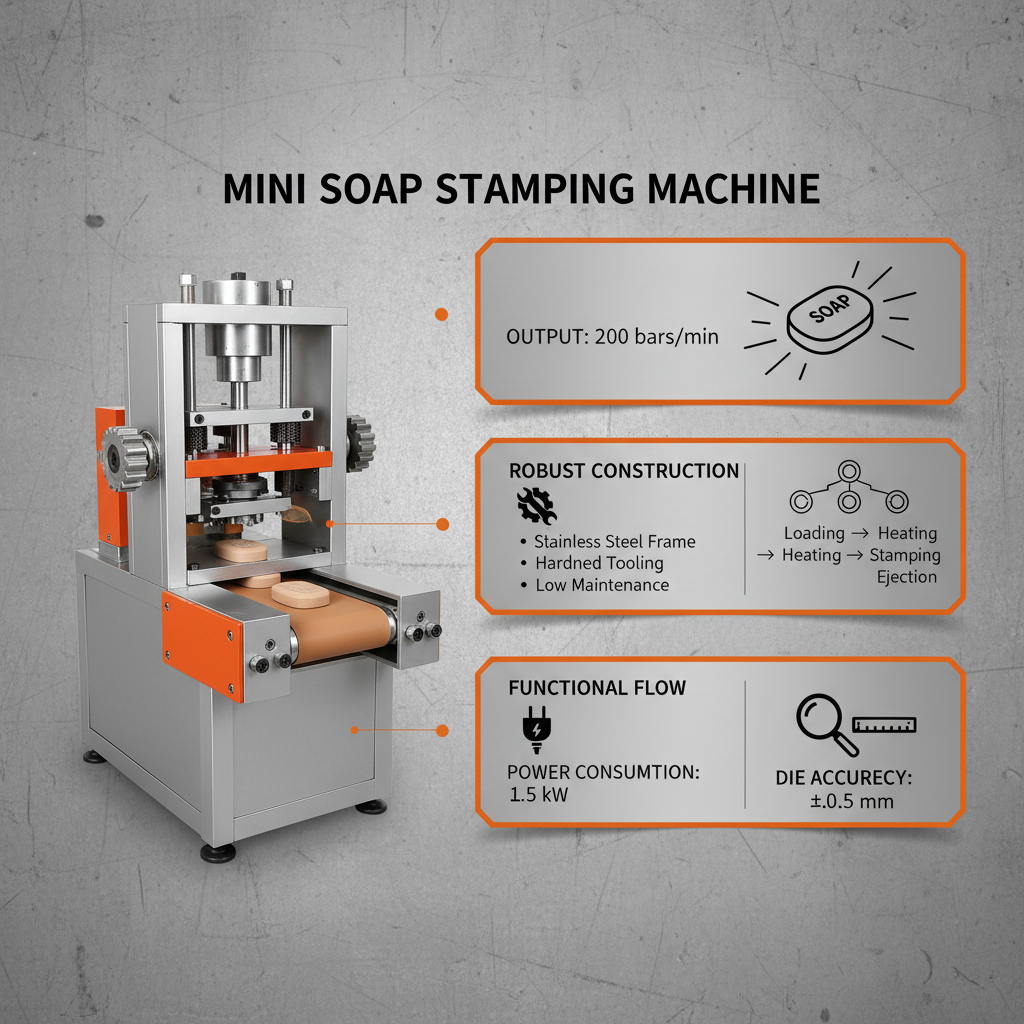
At its core, a mini soap stamping machine is a manually operated device designed to imprint a logo, design, or text onto the surface of soap bars. Unlike large-scale industrial stamping machines that rely on complex automation, these mini versions prioritize simplicity, affordability, and ease of use. They typically consist of a frame, a mounting plate for the stamp die, and a lever or pressing mechanism.
The connection to modern industry and humanitarian needs is direct. Manufacturers can quickly prototype and brand new soap designs without the expense of custom tooling for a large production line. Non-profits can use them to quickly mark soap bars for distribution, improving traceability and accountability. It’s a flexible tool that adapts to a wide range of needs.
From a practical standpoint, a quality mini soap stamping machine allows a soap maker to move from a purely functional product to one with a defined brand identity. This level of professionalism opens doors to wholesale opportunities, craft fairs, and online sales platforms. It levels the playing field for small businesses.
Key Features and Components
Let’s break down what makes these machines tick. First, you’ve got the frame – usually steel, providing the rigidity needed for consistent pressure. The mounting plate is critical; it needs to be precise to ensure the stamp aligns correctly. Then there's the pressing mechanism – a lever system is common, allowing the operator to apply controlled force. The quality of these components directly impacts the stamp’s clarity and consistency.
Durability is paramount. I’ve seen cheap machines fall apart after just a few hundred uses. A robust frame and high-quality lever system are essential. Scalability is also a factor; while it's a “mini” machine, it should be able to handle a reasonable daily output without excessive wear and tear. Cost efficiency is obviously important – the sweet spot is a machine that’s affordable but doesn’t compromise on quality. Finally, ease of use. It needs to be something a beginner can pick up and operate quickly.
The stamp die itself is often overlooked, but it’s the heart of the operation. Brass dies are common, offering a good balance of durability and detail. The design needs to be precise and carefully crafted to ensure a clean, legible impression. A well-made die will last for thousands of impressions.
Practical Applications Across Industries
Beyond just soap, mini soap stamping machines are finding applications in other areas. I've seen them used for branding wax seals, imprinting logos onto small leather goods, and even marking artisanal chocolates. The versatility of these machines is surprising. In post-disaster relief operations, they can be used to quickly brand essential hygiene products for distribution, ensuring accountability and preventing misuse.
Application Breakdown of Mini Soap Stamping Machines
Advantages and Long-Term Value Proposition
The tangible benefits are clear: reduced labor costs compared to hand-cutting, consistent branding, and increased perceived value of the product. But it goes deeper than that. A mini soap stamping machine empowers small businesses to compete with larger players, fostering economic growth and creating jobs. It promotes sustainability by reducing waste and encouraging local production.
From an emotional standpoint, a professionally branded product evokes trust and confidence in the consumer. It conveys a sense of quality and care. That's invaluable. Reliability is also key. A machine that consistently delivers high-quality stamps saves time, reduces frustration, and allows makers to focus on what they do best – creating great products.
Future Trends and Innovations in Soap Stamping
We're starting to see interest in more automated mini stamping machines, with features like automatic soap feeding and adjustable pressure control. The use of laser engraving for creating more detailed and durable stamp dies is also on the rise. Sustainability is driving demand for eco-friendly stamping materials and biodegradable soap bases.
Digital integration is another area to watch. Imagine a machine that can connect to a computer, allowing users to design and upload stamps directly. We’re also exploring the possibility of using 3D-printed stamp dies, offering even greater customization options.
Common Challenges and Effective Solutions
One common issue is inconsistent pressure, leading to uneven stamp impressions. The solution? Look for machines with adjustable pressure settings and a robust lever mechanism. Another challenge is die alignment. A high-quality mounting plate with precise adjustment screws is essential. Durability, as I mentioned before, is also a concern. Investing in a machine made from durable materials will pay off in the long run.
Operator training is crucial. A poorly trained operator can damage the machine or produce substandard stamps. Providing clear instructions and offering support is vital. Finally, maintenance is key. Regular cleaning and lubrication will keep the machine running smoothly for years.
Summary of Common Challenges and Solutions for Mini Soap Stamping Machines
| Challenge |
Impact on Production |
Solution |
Cost of Implementation |
| Inconsistent Stamp Pressure |
Uneven Impressions, Reduced Quality |
Adjustable Pressure Mechanism |
$20 - $50 |
| Die Misalignment |
Blurry or Offset Images |
Precision Mounting Plate |
$30 - $80 |
| Machine Durability |
Frequent Breakdowns, Downtime |
High-Quality Materials (Steel Frame) |
$50 - $150 |
| Operator Skill Level |
Poor Stamp Quality, Damage to Machine |
Comprehensive Training Materials |
$0 - $20 (Online Resources) |
| Lack of Maintenance |
Reduced Lifespan, Increased Repairs |
Regular Cleaning and Lubrication |
$10 - $30 (Lubricant and Cleaning Supplies) |
| Die Wear and Tear |
Faded or Distorted Impressions |
Replaceable Die System |
$40 - $100 (Per Die) |
FAQS
Generally, firmer soaps work best. Soaps with a higher oil content or those that are very soft may not hold the impression as well. We recommend testing different soap formulations to find what works best for your specific recipe. Soaps that are allowed to fully harden for at least 24-48 hours before stamping will yield the clearest impressions. I've seen folks add a little bit of clay to their recipe to increase firmness specifically for stamping.
The lifespan of a stamp die depends on usage and the type of soap being stamped. Softer soaps can wear down a die faster. With typical use (daily stamping of a moderate batch size), a brass die should last for several thousand impressions. You'll know it's time to replace the die when the impression starts to become faint or distorted. Replacement dies are readily available and relatively inexpensive.
Yes, most mini soap stamping machines are designed to accommodate a variety of soap shapes, including rectangular, square, and oval bars. However, it’s important to ensure the soap bar fits securely within the stamping area and that the die is aligned correctly. Some machines have adjustable guides to help with different soap sizes.
Regular cleaning is crucial for maintaining die quality. After each use, wipe the die with a soft, dry cloth to remove any soap residue. For more stubborn buildup, you can use a mild soap and water solution, but be sure to dry the die thoroughly afterward to prevent corrosion. Avoid using abrasive cleaners, as they can damage the die’s surface.
The learning curve is generally quite gentle. Most users can become proficient with basic operation within a few minutes. The key is to practice applying consistent pressure and ensuring the soap bar is properly aligned. We provide detailed instructions and support resources to help new users get up to speed quickly. It's about feeling the machine and getting a consistent rhythm going.
We offer custom stamp die creation services, allowing you to design a die with your logo or desired design. Alternatively, there are numerous online vendors specializing in custom stamp die manufacturing. When ordering a custom die, be sure to provide precise artwork and dimensions to ensure a perfect fit and a clear impression.
Conclusion
The mini soap stamping machine isn’t just a piece of equipment; it’s an enabler. It empowers small businesses, promotes quality branding, and offers a cost-effective solution for a growing market. From the artisanal soap maker in their kitchen to the non-profit distributing hygiene kits, this machine provides a vital link in the production chain. Understanding its capabilities and potential is crucial for anyone involved in the handmade soap industry and beyond.
Looking ahead, continued innovation in die materials, automation, and digital integration will further enhance the efficiency and versatility of these machines. Investing in a mini soap stamping machine is an investment in quality, branding, and the future of your business. Visit our website today to learn more and explore our range of machines: www.rssoapmachinery.com.