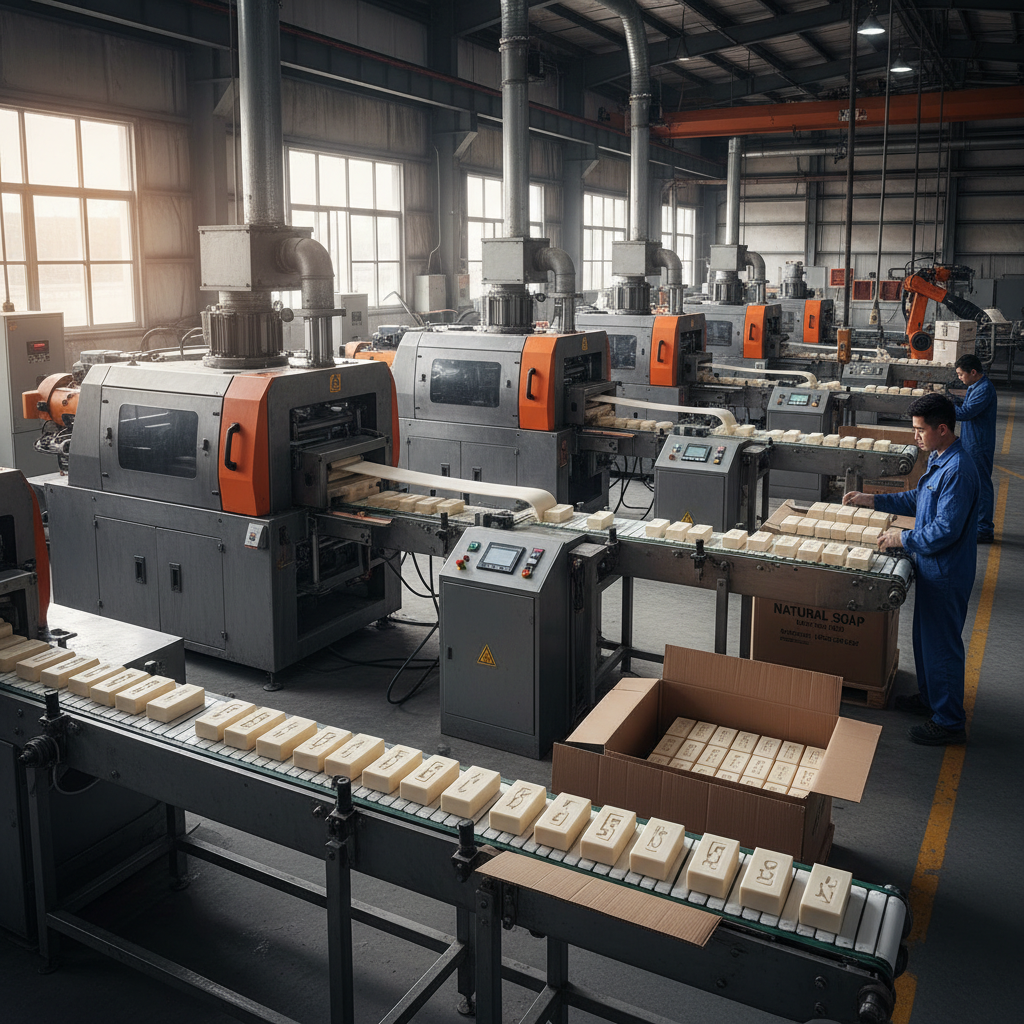
In a world where hygiene plays a pivotal role in health and well-being, especially highlighted during pandemics and disaster relief scenarios, a green bar soap making machine takes center stage as a surprisingly crucial piece of technology. It might sound mundane at first—after all, soap has been around forever—but the way we produce it, environmentally and efficiently, could be a game changer. From small-scale artisan producers to large humanitarian organizations, understanding green bar soap making machines offers insights into sustainable manufacturing, economic empowerment, and even global health improvement.
Global Context: Soap Production's Environmental and Social Impact
Did you know that according to the World Health Organization, proper handwashing with soap could reduce diarrheal diseases by up to 50% globally? Yet, access to soap remains inconsistent, particularly in developing regions. This is where the green bar soap making machine steps in—not just to boost production, but to do so sustainably.
Traditional soap manufacturing can be resource-heavy, consuming large amounts of water, energy, and chemicals. The United Nations Environment Programme (UNEP) estimates that industrial pollution substantially contributes to climate change and health hazards. Modern, eco-conscious soap making machines help mitigate these issues by optimizing resource use, cutting waste, and enabling the use of biodegradable and natural ingredients.
But here’s the real kicker: the challenge isn’t just about going green. It’s also about addressing supply chain fragility and scaling production to meet rising hygiene demands worldwide, especially in disaster-struck areas or remote communities. Soap-making machines that combine efficiency with eco-friendliness answer this call—giving new meaning to "clean" production.
Mini takeaway: The green bar soap making machine is more than a factory tool; it's a bridge between sustainable production and critical health outreach worldwide.
What Is a Green Bar Soap Making Machine, Anyway?
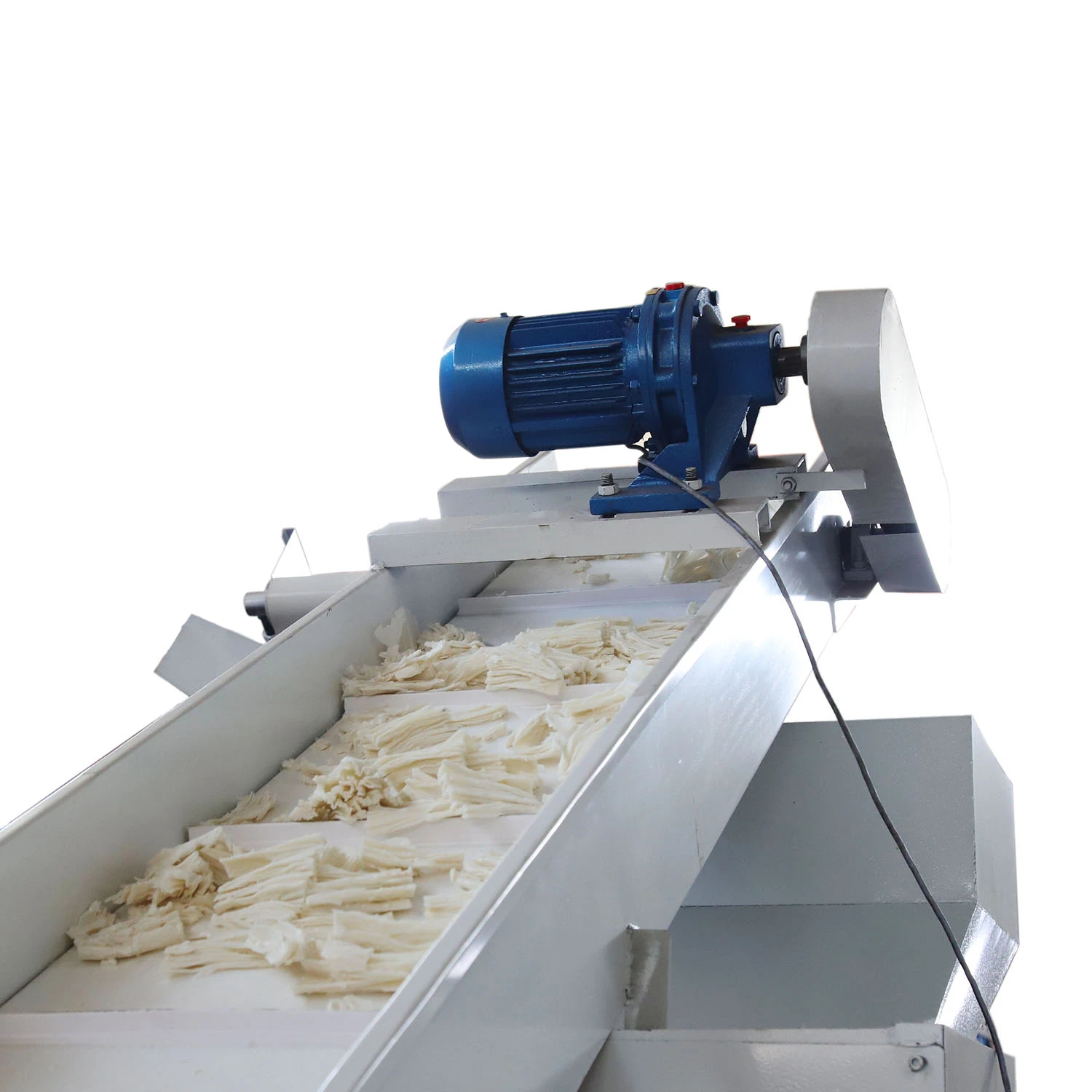
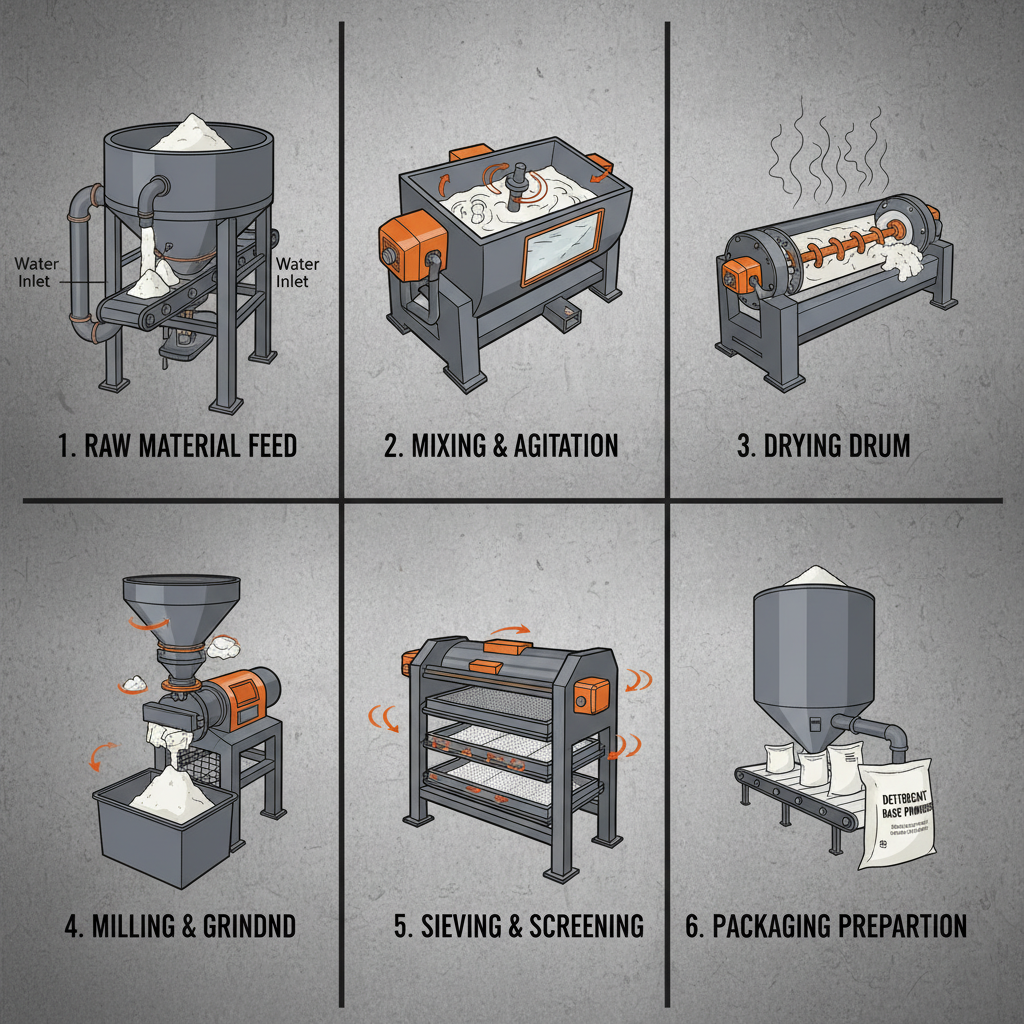
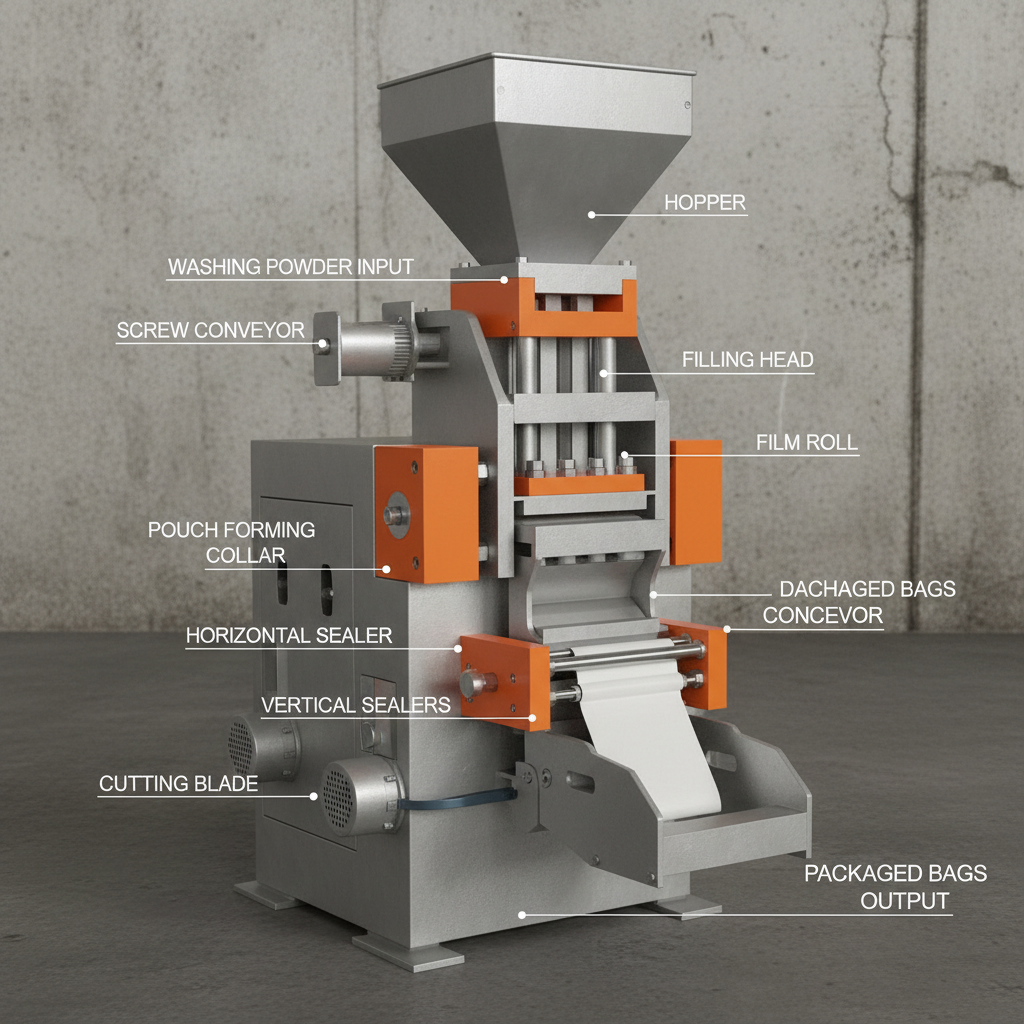
Put simply, a green bar soap making machine is an automated or semi-automated device engineered to produce soap bars with an emphasis on environmental responsibility. This ranges from reducing energy consumption, minimizing waste, and often enabling the use of natural oils and additives instead of synthetic chemicals.
Unlike older machinery, which might rely on petrochemicals and inefficient batch processes, these green machines typically incorporate closed-loop systems and energy-efficient motors. The connection to humanitarian needs is straightforward but profound: soap is essential for hygiene to prevent disease, and making it accessible cheaply and sustainably has profound social impact.
Core Components and Crucial Factors Behind These Machines
1. Energy Efficiency
Many of today’s green soap making machines exploit low-power motors or even solar-assisted setups. This reduces the carbon footprint and cuts operating costs—a double win. Manufacturers sometimes integrate smart energy management systems that shut down unused sections automatically.
2. Material Flexibility
Being able to run various raw inputs—from palm oil derivatives to coconut oils and specialty additives—makes these machines adaptable to local resources. It means organizations can often use whatever’s locally abundant, supporting community economies and reducing transportation emissions.
3. Scalability
From small artisanal output (dozens of bars per hour) up to industrial volumes (thousands per hour), machines come in multiple configurations. This scalability ensures that users can grow production organically, and it fits a wide range of business models or humanitarian operations.
4. Automation and Control
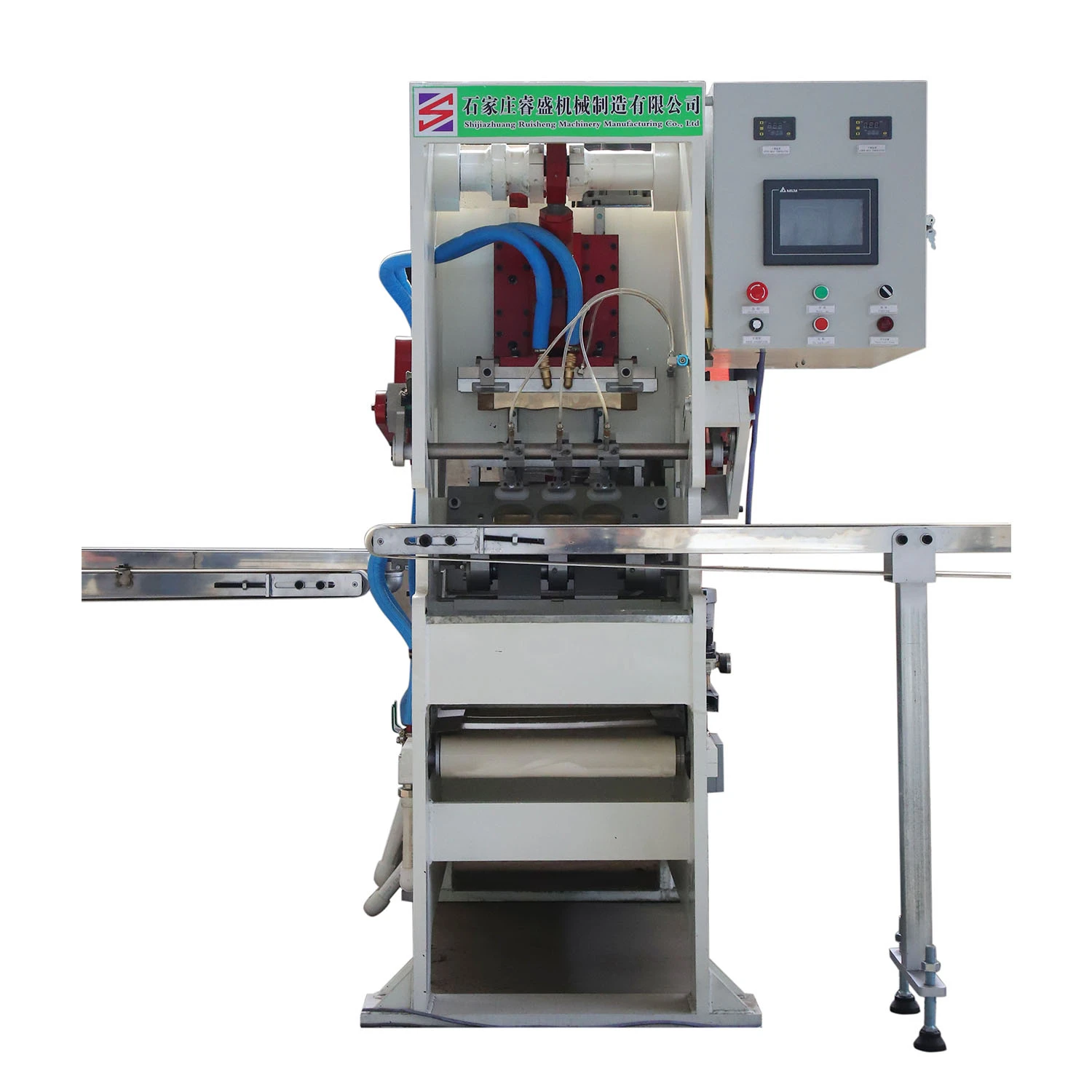
Modern machines often include digital PLC (programmable logic controller) interfaces, which let operators monitor temperature, mixing speeds, and cutting sizes precisely. The added control means consistency improves, reducing waste and improving product quality.
5. Durability and Maintenance
Given that many are deployed in remote or tough environments, robust build quality is essential. Stainless steel components, easy-to-clean surfaces, and modular designs make upkeep easier and downtime less frequent.
6. Environmental Compliance
Finally, these machines typically meet or exceed international environmental standards—ISO 14001 or similar—giving buyers confidence that their production aligns with green policies.
Mini takeaway: When choosing or evaluating a green bar soap making machine, focus on energy use, material adaptability, scalability, smart controls, and durable design.
Real-World Uses of Green Bar Soap Making Machines
Whether you’re a humanitarian NGO operating in sub-Saharan Africa or an entrepreneur launching a natural soap brand, these machines have specific proven use cases.
- Disaster Relief:After earthquakes or floods, rapid soap production onsite, using local oils, helps curb disease outbreaks. It may sound niche, but it saves lives.
- Rural Industrial Zones:Small factories use these machines to empower local economies, creating employment without harming the environment.
- Eco-Friendly Consumer Market:Artisan soap makers leverage this technology to produce sustainable, premium soap bars that command higher market prices.
- Refugee Camps:Portable or semi-mobile setups help humanitarian workers manufacture soap swiftly, ensuring hygiene standards.
Example: In Bangladesh, a recent initiative equipped women’s cooperatives with green bar soap making machines powered by small solar panels. This not only improved hygiene but also provided steady incomes.
Product Specification Table: Typical Green Bar Soap Making Machine
|
Feature |
Specification |
|
Production Capacity |
500 - 3,000 bars per hour |
|
Power Source |
Electric / Solar hybrid options |
|
Material Compatibility |
Palm oil, coconut oil, olive oil, additives |
|
Automation Level |
Semi to Fully Automated with PLC control |
|
Weight |
Approx. 800 - 1500 kg |
|
Dimensions (L×W×H) |
2.5m × 1.2m × 1.6m |
Vendor Comparison: Choosing the Right Green Soap Machine Partner
|
Aspect |
Vendor A |
Vendor B |
Vendor C |
|
Eco-certifications |
ISO 14001 |
None |
Green Seal |
|
Production Capacity |
Up to 3,000 bars/hr |
Up to 1,500 bars/hr |
Up to 2,500 bars/hr |
|
Power Options |
Electric and Solar Hybrid |
Electric Only |
Electric and Diesel |
|
Automation Level |
Full PLC control |
Semi-automated |
Manual |
|
Price Range |
$$$ |
$$ |
$ |
|
Customer Support |
24/7 Global |
Business Hours Only |
Limited Local |
Advantages and Long-Term Value of Green Soap Making Technology
It’s not just the obvious cost savings or environmental perks. These machines build trust—soap that’s reliably clean, produced in ways your customers or beneficiaries can feel good about. Using fewer chemicals means reduced allergy risks. Lower energy usage saves money and helps companies stay ahead of tightening environmental regulations.
Plus, in social terms, it empowers local manufacturers by reducing dependency on imports, creating jobs, and improving community health. There’s a dignity element to producing essential hygiene yourself, with tools designed to be as kind to the planet as to people.
In real terms, many engineers I’ve spoken with say the ROI gets apparent within 2-3 years due to efficiency gains and improved market access for eco-conscious products.
What’s Ahead? Trends and Innovations Shaping the Future
Frankly, we're just scratching the surface here. Automation is getting smarter—think AI controlling batch processes and adjusting formulas based on input quality.
Meanwhile, green energy integration is advancing rapidly. Some experimental units run fully on repurposed biofuels or are powered by solar panels combined with battery storage, ideal for off-grid locations.
Materials science is pushing boundaries, too. New biodegradable packaging and naturally derived fragrances and colorants make the end product truly sustainable.
Challenges and How Experts Suggest Overcoming Them
Of course, no tech is perfect. One widespread challenge is initial cost—some machines can seem pricey for small startups or NGOs. However, leasing options or pay-as-you-go models are gaining traction.
Supply chain disruptions also cause raw material unpredictability. That’s where flexible machines come into play, accommodating alternative oils or custom mixes without lengthy retooling.
Finally, operator training can be a weak spot—machines that feel complex risk underuse. So vendors increasingly add user-friendly interfaces, remote training, and modular designs to tackle this.
FAQ: Common Questions About Green Bar Soap Making Machine
Q1: What raw materials can the green bar soap making machine use?
A1: Most machines support a variety of oils, including palm, coconut, olive, and even sustainable plant-based fats. This flexibility helps tailor recipes based on availability and local preferences.
Q2: How energy efficient are these machines compared to traditional soap production?
A2: Modern green soap making machines consume roughly 30-50% less energy than conventional counterparts, especially models integrated with solar power or optimized electric motors.
Q3: Can I operate these machines in remote locations without stable power?
A3: Absolutely. Many are designed for off-grid use, often featuring solar hybrid systems or battery backups, making them ideal for field operations or rural factories.
Q4: What kind of maintenance do these machines require?
A4: Maintenance typically involves regular cleaning, periodic lubrication, and occasional replacement of wear parts. Modular designs make parts replacement relatively straightforward.
Q5: How can NGOs or small businesses source these machines internationally?
A5: Several vendors offer export services along with international shipping and installation support. Partnering with reputable manufacturers who provide training and after-sales service is key.
Wrapping Up: Clean Production for a Cleaner Future
In the end, the green bar soap making machine isn’t just a piece of equipment—it’s a vehicle for change: environmental, social, and economic. Whether you’re crafting artisanal bars for niche markets or mass-producing soap for crisis zones, investing in sustainable technology pays off long-term.
Curious to see how such a machine could fit your needs? Check out green bar soap making machine options and start your journey toward cleaner, smarter soap production today.
References
- World Health Organization – Hand Hygiene
- United Nations Environment Programme (UNEP) Resources
- ISO 14001 Environmental Management Standard