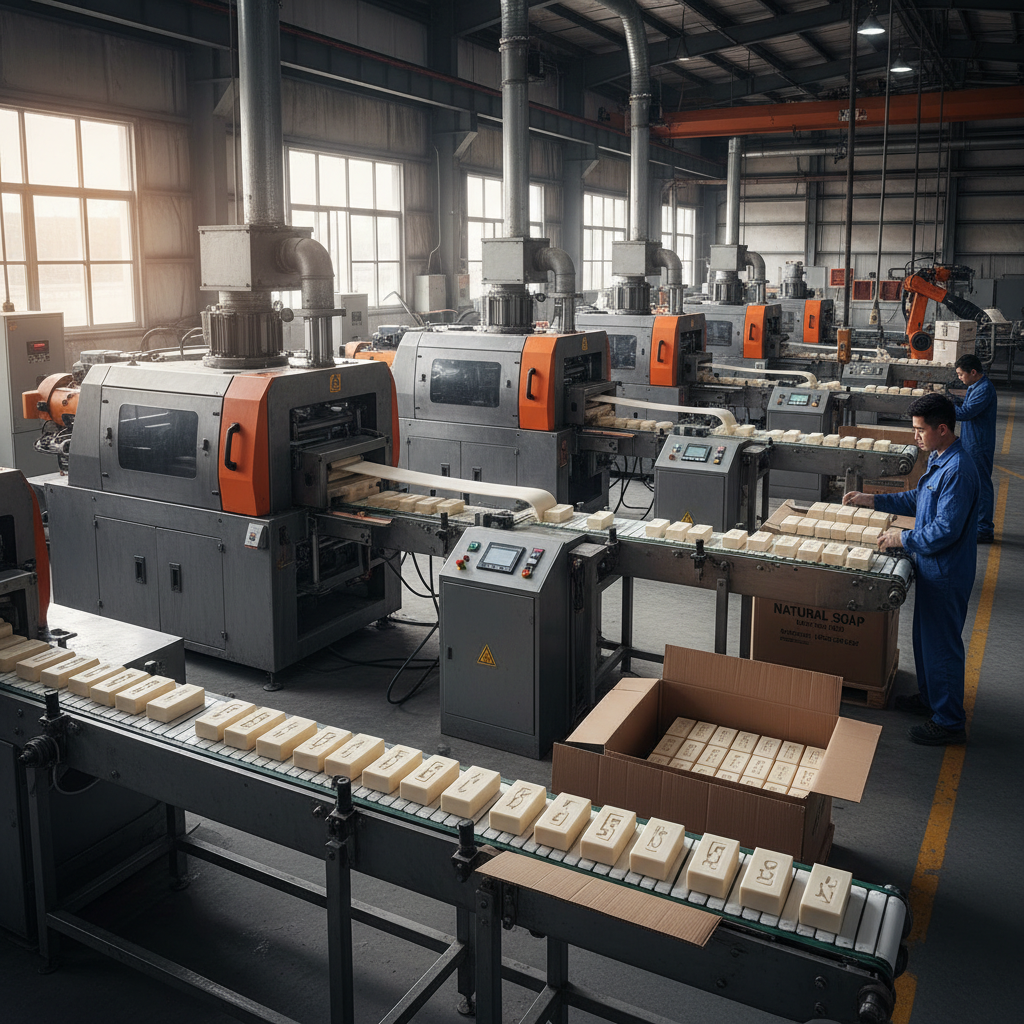
Soap has been a fundamental part of human hygiene for centuries, yet the technology behind making soap at scale remains a quiet, powerful enabler of health worldwide. In particular, the toilet soap making machine plays a critical role in mass production, meeting hygiene needs across households, institutions, and humanitarian contexts. Grasping what these machines do — and why — is key not only for industries but also for NGOs, governments, and entrepreneurs looking to enhance public health sustainably and reliably.
Worldwide, soap production ties directly into disease prevention and well-being. The World Health Organization stresses hand hygiene as one of the foremost defenses against infectious diseases, especially in countries with limited access to clean water and sanitation. And that’s where these machines come in. They empower manufacturers to produce large volumes cost-effectively while maintaining quality, ensuring that soap is not just available but affordable and consistent.
Global Context: Why Toilet Soap Making Machines Matter More Than Ever
The global soap market is expected to hit over $30 billion by 2027 (Statista, 2023), driven by rising hygiene standards, urbanization, and public awareness. Yet behind these numbers, there is a pressing challenge: many regions suffer periodic soap shortages due to supply chain disruptions or lack of production infrastructure. Here, the role of the toilet soap making machine is undeniable. Whether you’re talking about a medium-sized factory in Southeast Asia or a mobile production unit deployed during humanitarian crises, these machines can be a game-changer.
Consider the global COVID-19 pandemic: soap demand surged dramatically, pressuring existing supply chains. Machines capable of fast, scalable production provided essential support to meet this spike. Beyond emergencies, the sustainability angle also surfaces—efficient machines minimize waste and energy use. Organizations like ISO are now pushing for more sustainable manufacturing standards for hygiene products, making the modern toilet soap making machine not just a tool, but a part of a larger sustainability conversation.
What is a Toilet Soap Making Machine?
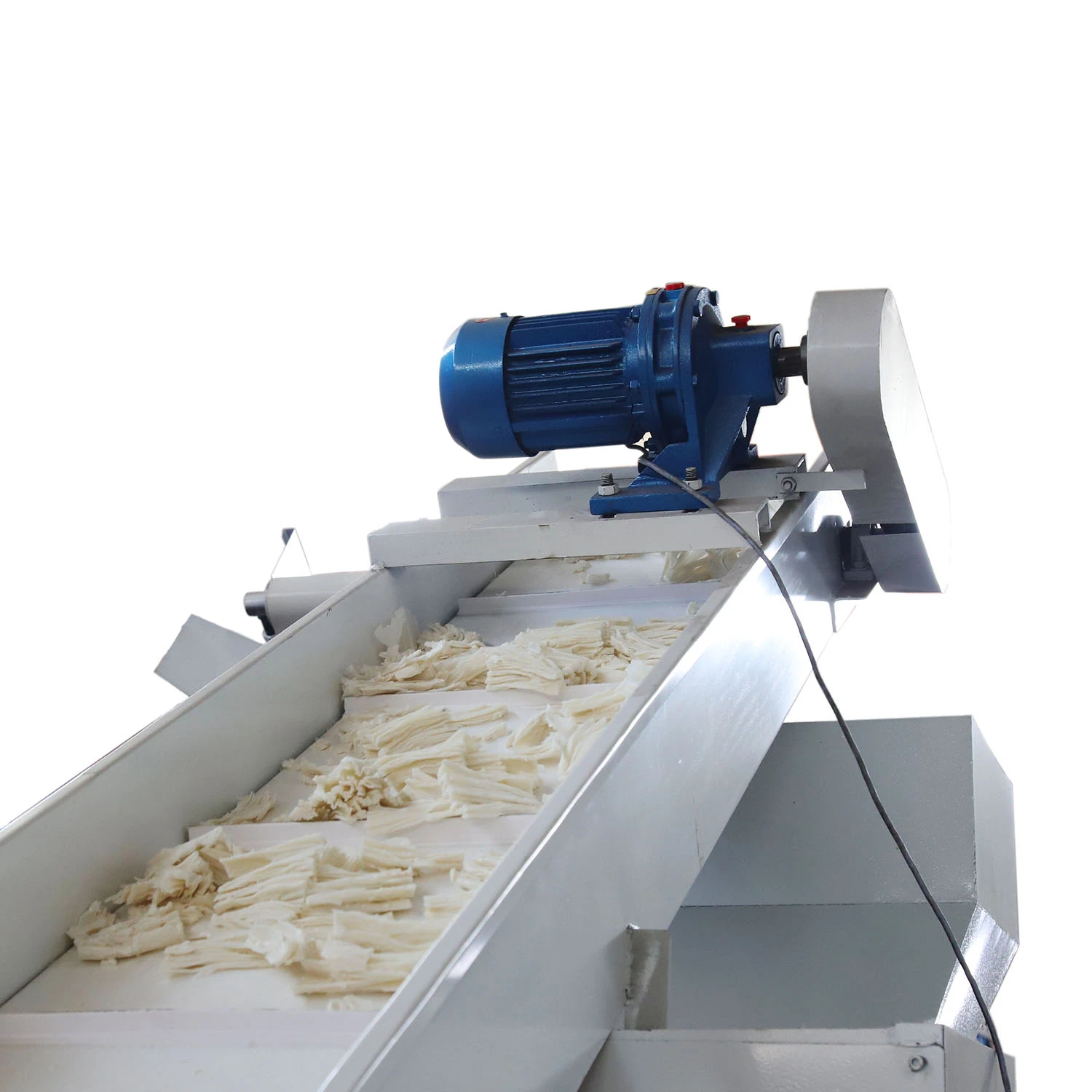
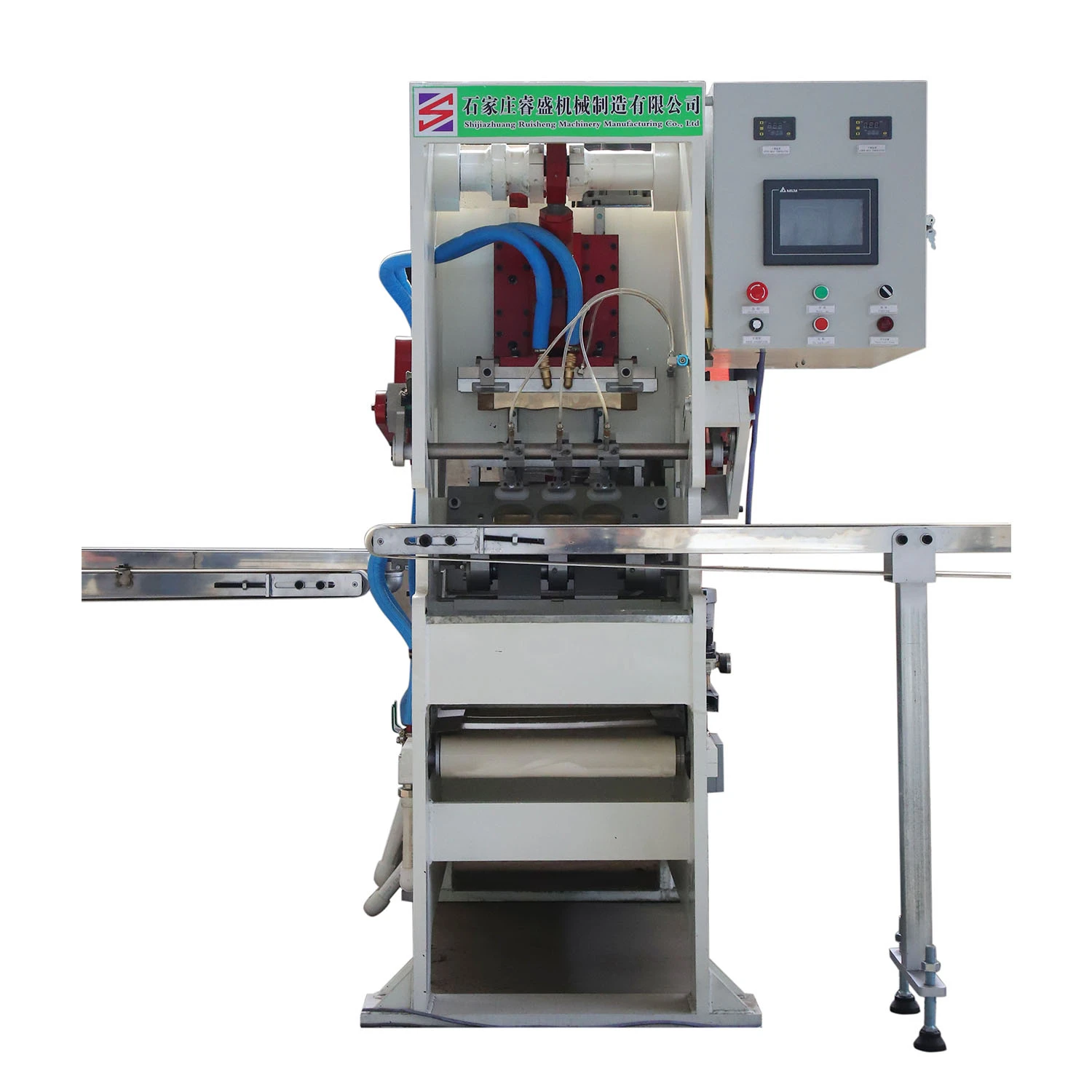
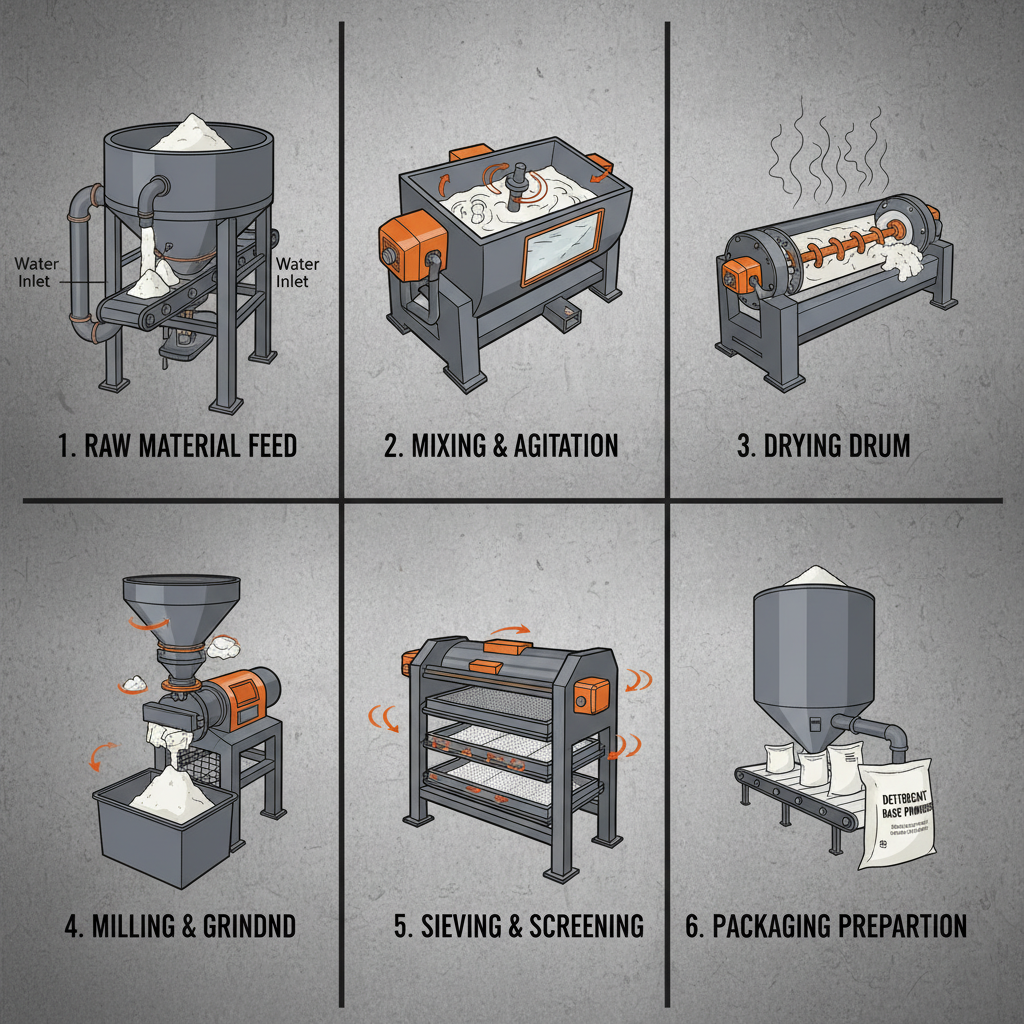
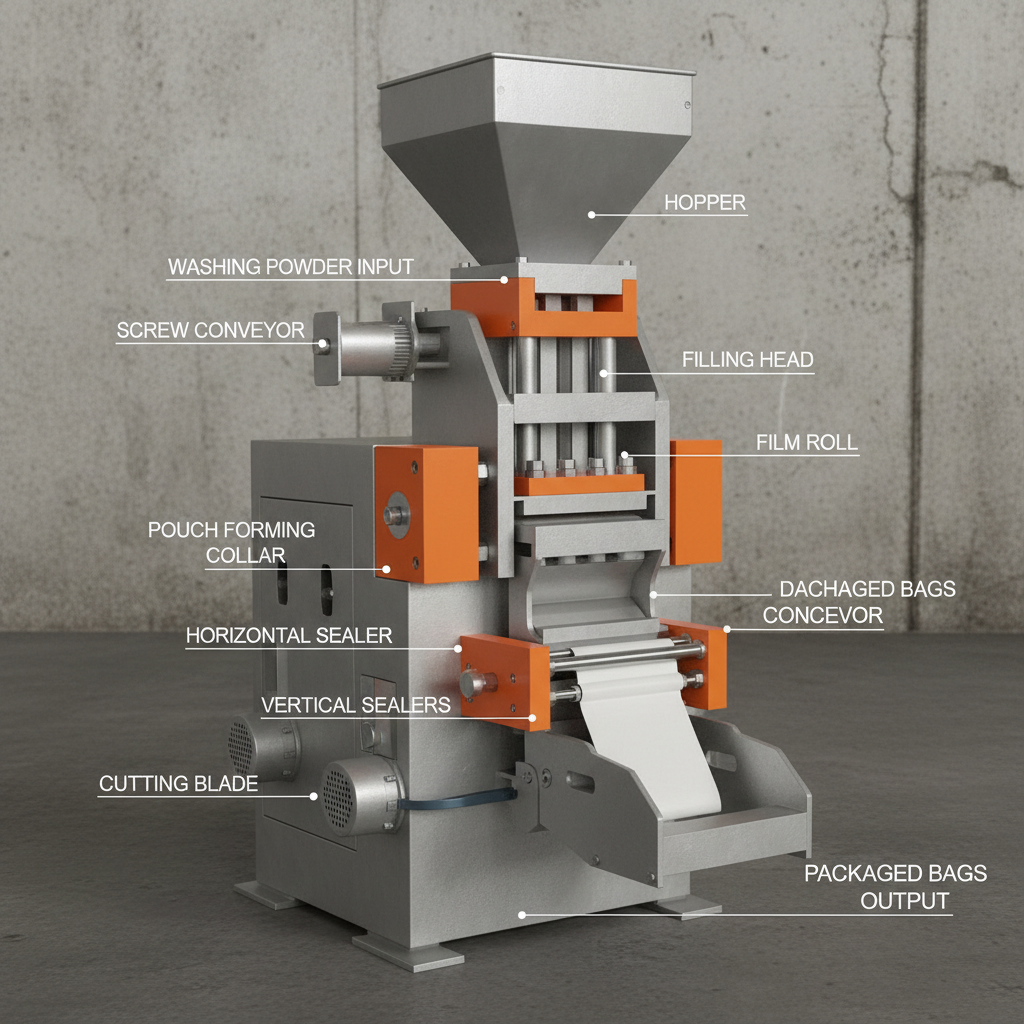
Simply put, a toilet soap making machine is an industrial or semi-industrial device designed to automate the mixing, molding, cutting, and packaging processes that turn raw materials like oils, fats, and alkalies into consistent, shaped toilet soap bars. Beyond automation, these machines allow for precise control over parameters like temperature, pressure, and curing time — critical factors that affect soap’s longevity and texture.
In real terms, such machines save labor, reduce production errors, and produce bulk outputs fitting today's hygiene demands. Their use spans from large-scale commercial soap factories to smaller enterprises that thrive in developing regions. Oddly enough, they’re sometimes overlooked as a public health tool but are absolutely integral, especially where soap access directly influences disease spread or personal dignity.
Core Components You Should Know
1. Durability
These machines are typically built from stainless steel and other corrosion-resistant materials to withstand continuous production and contact with chemical ingredients. Most skilled manufacturers warranty their equipment's durability — which frankly, can make or break production schedules.
2. Scalability
From small batch models producing a few dozen bars per hour to fully automated lines churning out thousands, machines come in sizes tailored to operational scale. This makes them accessible to startups and global soap brands alike, allowing flexible growth paths.
3. Cost Efficiency
Energy-efficient motors, less waste generation, and low maintenance costs all factor into making the machine economically viable for different users. An upfront investment pays dividends over time — both financially and environmentally.
4. Automation and Precision
Control systems embedded in modern machines regulate mixing speeds, temperature, and timing to ensure uniform soap quality. Some models include programmable logic controllers (PLCs) offering cutting-edge automation.
5. Flexibility in Soap Types
Some machines can handle diverse soap varieties — from transparent glycerin bars to opaque toilet soaps with additives like moisturizers or fragrances. This versatility widens market potential significantly.
Mini takeaway:
Durability, scalability, and precision automation are key pillars making toilet soap making machines practical and relevant globally.
How Are Toilet Soap Making Machines Used Worldwide?
It's fascinating to see where and how these machines pop up. In Southeast Asia, where handwashing campaigns emphasize health, factories equipped with automated machines produce sturdy, affordable soap bars that reach millions. In African countries, NGOs employ such machines in local cooperatives, encouraging small businesses and boosting community economies.
During emergency relief efforts — for example, following floods or conflicts — portable or semi-mobile soap-making setups help produce soap locally, reducing reliance on imports. This not only shortens delivery times but ensures soap aligns with cultural preferences and quality standards.
Industries linked with hospitality, healthcare, and education also rely on continuous soap production, making automation indispensable. Fun fact: some smart luxury hotels even customize soap bars produced through these machines — a neat twist on an old necessity.
Mini takeaway:
From grassroots to global relief efforts, toilet soap making machines provide crucial infrastructure supporting health and economic development.
Advantages and the Long-Term Impact of Using Toilet Soap Making Machines
- Cost reduction:Lower manpower needs and waste translate to better margins.
- Quality consistency:Standardized bars protect brand reputation and user satisfaction.
- Sustainability:Energy-efficient designs reduce carbon footprint.
- Social benefits:Increased soap availability fosters better hygiene, reducing disease.
- Innovation trust:Automated machines incorporate safety features for workers — a silent but significant emotional reassurance.
It's not just about making soap; it’s about improving lives quietly and steadily.
Product Specification Table
|
Specification |
Details |
|
Production Capacity |
Up to 2000 bars/hour |
|
Machine Type |
Fully automatic / Semi-automatic |
|
Power Consumption |
3-5 kW (depends on model) |
|
Materials Used |
Stainless steel frame, food-grade components |
|
Dimensions |
3m x 1.5m x 2m approx. |
|
Automation Features |
PLC touch panel control, real-time parameter monitoring |
Vendor Comparison: Picking the Right Toilet Soap Making Machine
|
Vendor |
Price Range |
Customization |
After-Sales Support |
Eco Features |
|
RS Soap Machines |
$$$ |
High – tailored molds, integration options |
24/7 Global support + training |
LED energy-saving and low waste design |
|
GlobalSoapTech |
$$$ |
Medium – standard sizes, limited molds |
Business hours support |
Basic energy savings |
|
EcoSoap Machines |
$$ |
Low – mostly fixed configurations |
Limited online support |
Strong focus on biodegradable materials |
Future Trends: What’s Next for Toilet Soap Making Machines?
As sustainability becomes non-negotiable, machine makers are focusing on renewables-powered units — solar or hybrid electric systems — especially for off-grid areas. Also, expect more integration of IoT (Internet of Things) sensors that monitor output quality real-time and predict maintenance needs.
Automation will keep advancing with AI-assisted systems helping optimize mix ratios and troubleshoot production errors mid-run. And materials research? Eco-friendly soap formulations will push machines able to handle alternative ingredients without compromising bar integrity.
In a way, these machines are quietly evolving into smarter, greener workhorses — fitting neatly into broader digital and ecological transformations reshaping manufacturing.
Challenges & How They're Being Tackled
Some typical issues include upfront cost barriers for small manufacturers, machine downtime due to wear and tear, and training needs for operators. However, many suppliers now offer leasing models and mobile training programs, making technologies more reachable.
Maintenance innovations — such as modular parts and remote diagnostics — reduce downtime. Plus, companies like RS Soap Machines have begun offering custom solutions tailored to client needs, which goes a long way in overcoming operational hiccups.
Frequently Asked Questions About Toilet Soap Making Machines
How much does a toilet soap making machine cost on average?
Prices vary widely based on capacity and automation but generally range from $15,000 for semi-automatic models up to $150,000+ for large-scale fully automated lines.
Can these machines produce customized soap bars with different additives?
Yes, many advanced models handle various additives like fragrance, colorants, and moisturizers, allowing flexible product ranges tailored to market demands.
What kind of maintenance do toilet soap machines require?
Regular cleaning, lubrication of moving parts, and periodic component checks are typical. Many manufacturers offer maintenance contracts to help maintain uptime.
Are these machines suitable for small businesses or only large factories?
There are models designed for small-scale production, making them accessible to startups and cooperatives — not just big factories.
Is energy consumption high for these machines?
Modern machines are designed to be energy-efficient, often consuming between 3-5 kW, optimizing production while keeping utility costs manageable.
Wrapping Up: Why This Matters for You
The toilet soap making machine is quietly powering better hygiene, economic growth, and sustainable manufacturing worldwide. Its importance extends beyond factories — touching communities and health outcomes. If you’re in the market for reliable, scalable soap production equipment, it’s worth taking a closer look at trusted providers, especially those offering customization and support.
Don’t just produce soap; produce impact. Curious to learn more? Visit our website for detailed options that can fit your scale and ambitions.
References
- World Health Organization - Hand Hygiene
- Statista - Global Soap Market Size
- ISO Standards on Soap Production