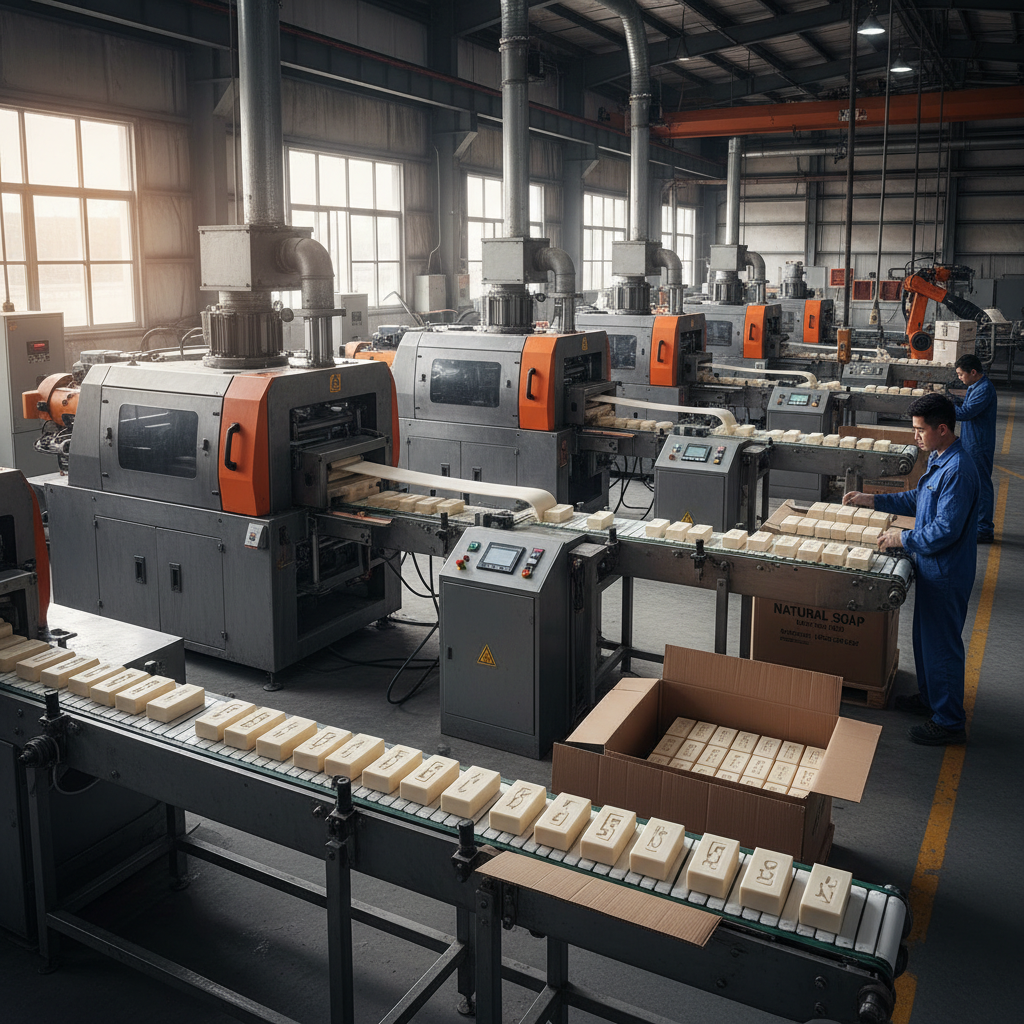
Hey there, fellow entrepreneur and industry enthusiast! Let's be honest, the global soap market is absolutely thriving. From artisanal, handmade bars to mass-produced personal care items, demand seems to be on a constant upward trajectory. If you're looking to scale up your production, improve consistency, or simply step into this lucrative sector, then you’re probably already thinking about acquiring a soap making machine for sale. And frankly, that's a smart move. But how do you pick the right one? It’s not just about pushing a button; it’s about understanding the heart of your operation.
The Pulse of the Industry: Trends in Soap Production
Looking around, it's clear the industry is shifting. There's a huge push for sustainability, natural ingredients, and, surprisingly, custom formulations. This means that while high-volume production is still critical, flexibility in machinery is becoming paramount. Many customers, both B2B and consumers, are looking for products that resonate with eco-conscious values, which often translates to more efficient, less wasteful production processes enabled by modern equipment. The rise of the automatic soap making machine, for instance, isn't just about speed; it's about precision and minimizing material loss.
Unpacking the Tech: A Look at Modern Machinery
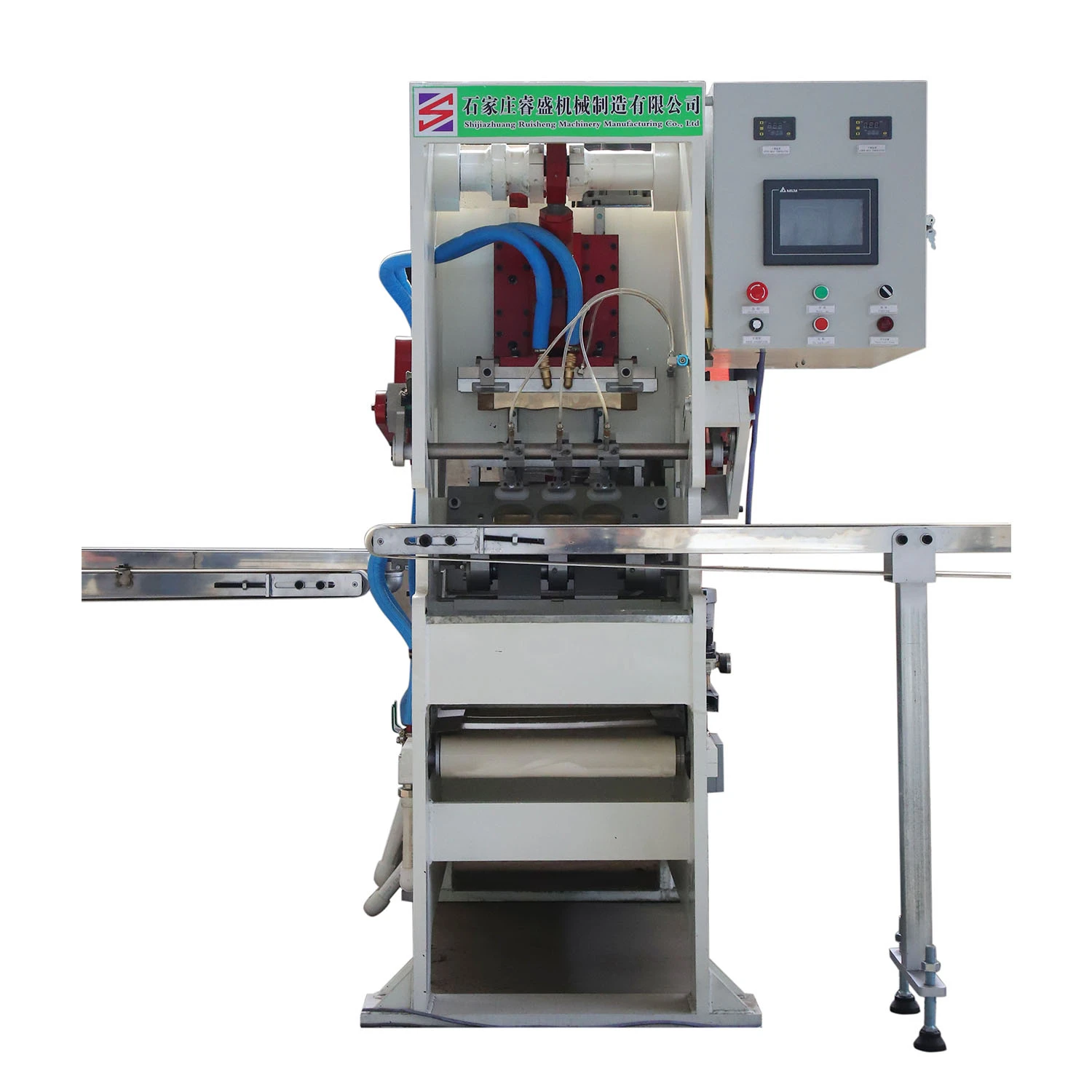
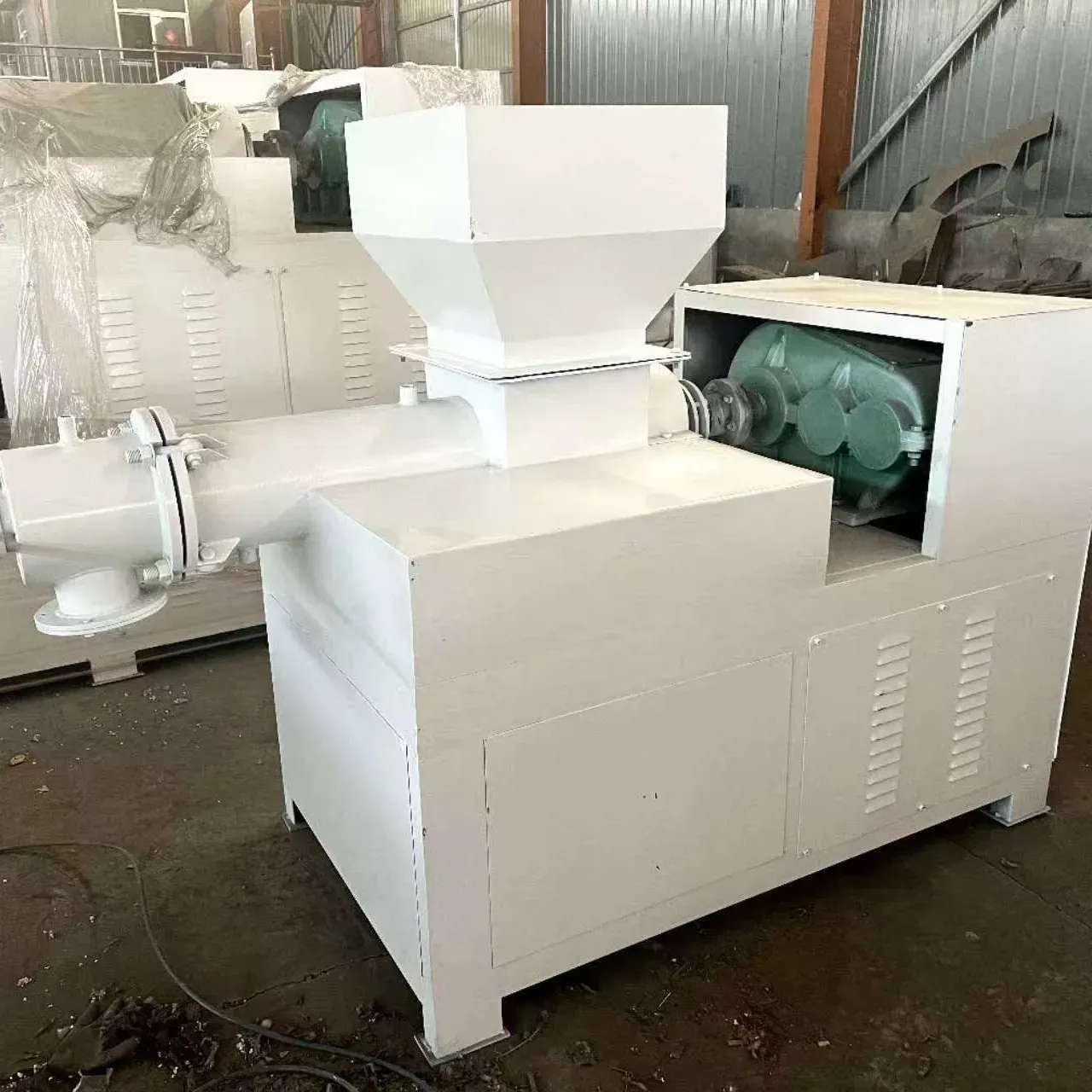
Let's talk specifics. When you're browsing for a soap making machine for sale, you'll encounter various types. One crucial component, especially for achieving that perfectly smooth, consistent bar, is the refining machine. Take, for example, the Soap Refining Machine 52000. It's built to be robust yet space-efficient, a real testament to clever engineering. Despite its industrial muscle, it manages to maintain a relatively compact footprint.
This particular model, the Soap Refining Machine 52000, really showcases what modern design can do. With overall dimensions of 2450 × 970 × 2100 millimeters, it’s designed to fit well within various production layouts without gobbling up precious floor space. Weighing in at a solid 950 kilograms, it's quite the workhorse, ensuring stability and minimal vibration during operation – which, as anyone in manufacturing knows, directly translates to smoother performance and a better end product. It's powered by an 11 kW motor, providing ample strength for high-volume production without sacrificing accuracy. This balance, I guess, is where the magic happens; power meets precision.
Key Technical Specifications: Soap Refining Machine 52000
|
Specification |
Value |
Notes |
|
Overall Dimensions (L×W×H) |
2450 × 970 × 2100 mm |
Compact for its capacity |
|
Machine Weight |
950 kg |
Ensures stability, minimizes vibration |
|
Motor Power |
11 kW |
Robust for continuous operation |
|
Typical Throughput |
≈ 500-1000 kg/hour |
Real-world use may vary slightly |
|
Material Contact Parts |
Stainless Steel (food grade) |
Ensures hygiene & product integrity |
The Journey of a Bar: Process Flow and Applications
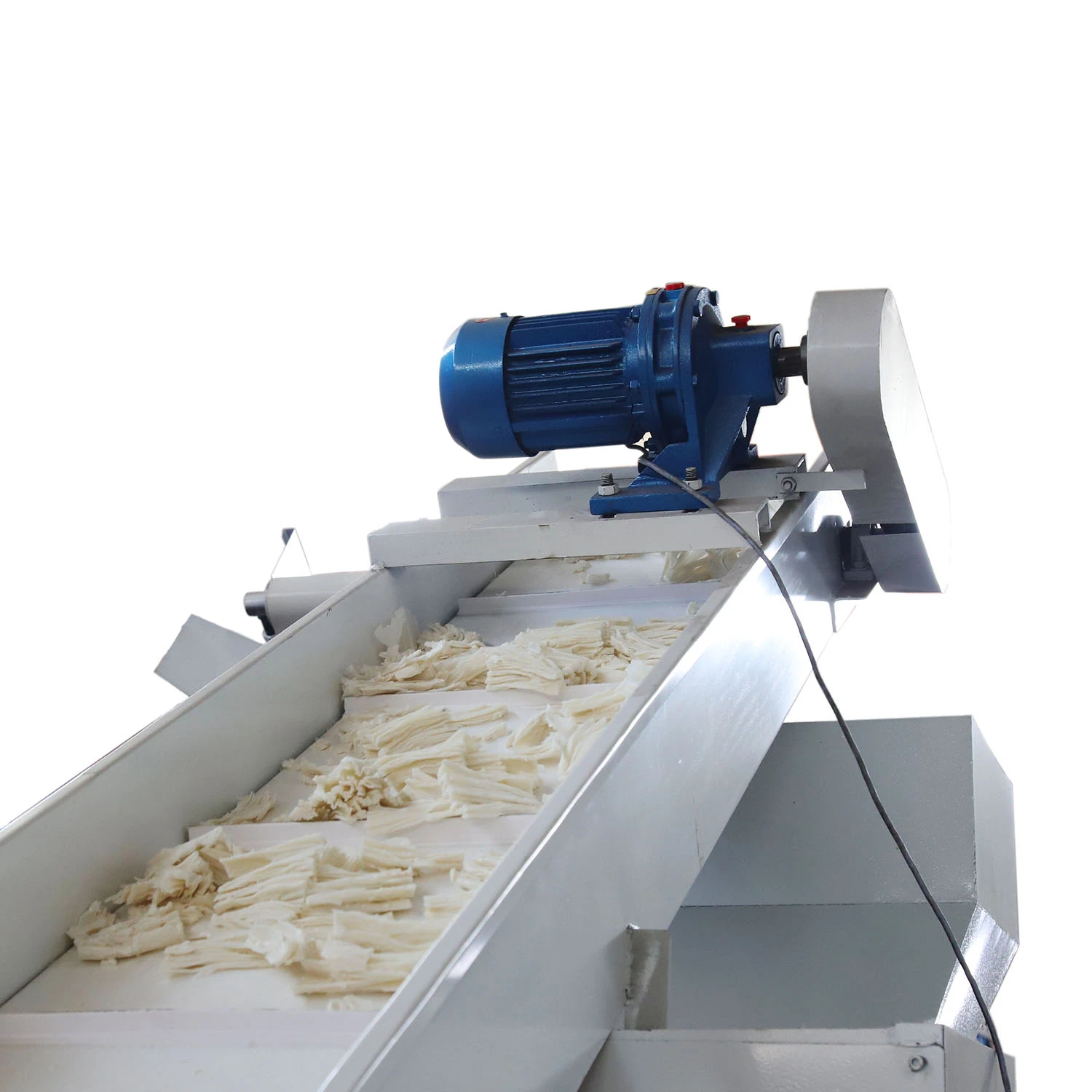
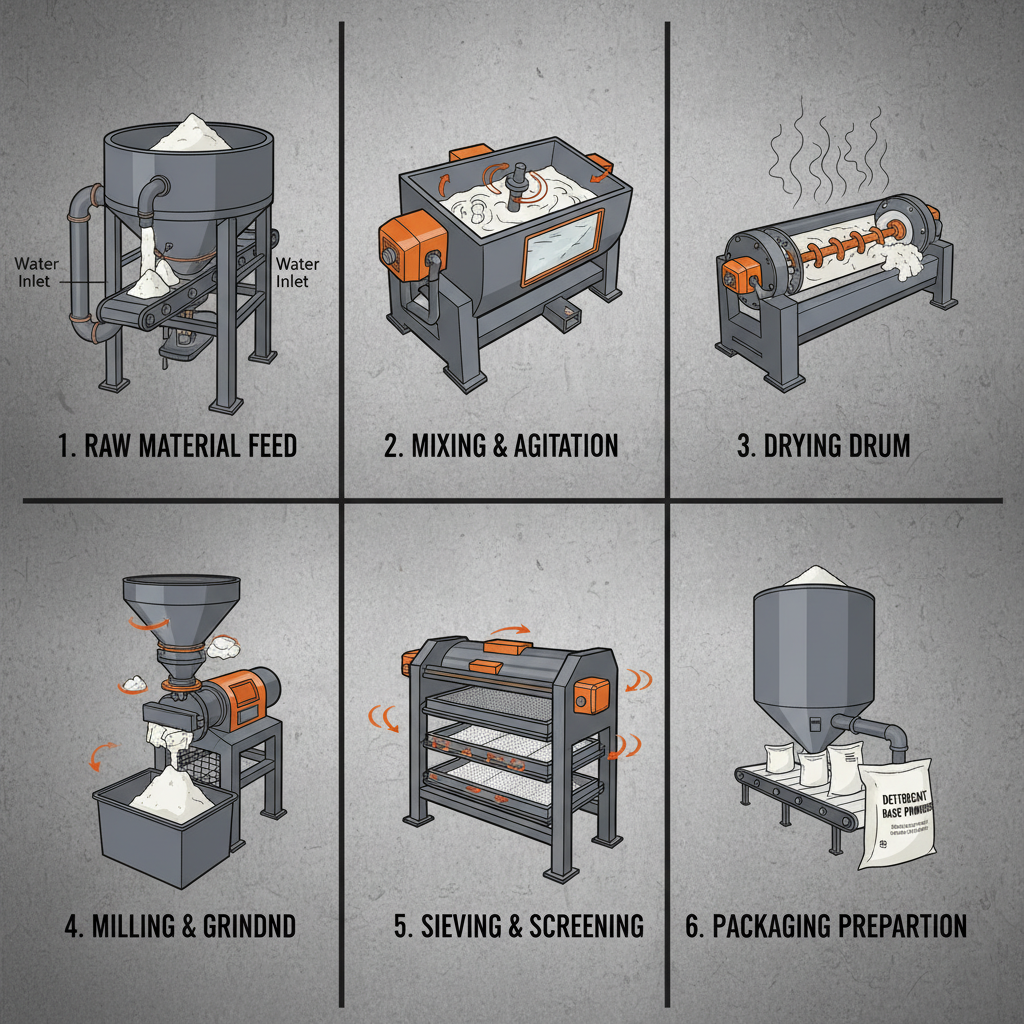
The typical soap making process involves several stages: saponification, washing, salting out, glycerin recovery, and finally, milling, refining, plodding, and cutting. A machine like the 52000 plays a pivotal role in the refining stage, taking soap noodles and transforming them into a smooth, homogeneous mass, crucial for the final product's quality and texture. After this, a plodder extrudes the soap, and an automatic soap cutter takes over, slicing precise, uniform bars. This whole setup is ideal for manufacturing various products, from standard personal care and bath soap machine production to laundry soap and even specialty industrial soaps.
Advantages of Automation
- Consistency:Automated processes ensure every bar meets quality standards.
- Efficiency:Significantly higher output with reduced manual labor.
- Cost-Effectiveness:Lower operational costs in the long run, despite initial investment.
- Scalability:Easily adjust production volume to meet market demand.
- Safety:Reduces human exposure to hot or hazardous materials.
Choosing Your Partner: Vendor Comparison & Customization
When evaluating a soap making machine for sale, the vendor matters almost as much as the machine itself. After-sales service, spare parts availability, and technical support are critical. You'll also want to consider customization. Can the machine be adapted for different soap formulations (e.g., glycerin-rich, herbal, abrasive)? What about different sizes or shapes of final product? This is where talking to the manufacturer directly comes into play.
Simplified Vendor Comparison Matrix
|
Feature |
Vendor A (e.g., RS Soap Machine) |
Vendor B (Competitor) |
|
Machine Quality |
High, durable components |
Varies, check reviews |
|
After-Sales Support |
Comprehensive (installation, training, parts) |
Basic to moderate |
|
Customization Options |
High (tailored to specific needs) |
Limited or standard models only |
|
Certifications |
CE, ISO (common for reputable) |
May vary, requires verification |
|
Price Point |
Competitive for quality |
Lower (potentially), or higher |
Real-World Impact: Case Studies & Certifications
Many successful soap manufacturers, from boutique brands to large-scale operations, have leveraged robust equipment to boost their output and quality. I've seen firsthand how a well-integrated automatic soap making machine can transform a small workshop into a formidable production facility. Customer feedback consistently highlights reliability and ease of maintenance as key decision factors. Speaking of reliability, always check for certifications like CE (for European markets) or ISO 9001, which attest to quality management systems. These aren't just fancy stamps; they're indicators of adherence to authoritative standards and rigorous testing, ensuring a longer service life and better performance from your investment.
In fact, test data often shows that machines like the Soap Refining Machine 52000, built with high-grade stainless steel for parts contacting the product, significantly reduce contamination risks and extend the equipment's operational life. That means less downtime and more profit, which is what we all want, right?
Wrapping It Up
Ultimately, investing in a soap making machine for sale, especially a well-engineered one, is a foundational step for any serious soap production business. It empowers you to scale, maintain quality, and adapt to evolving market demands. Do your homework, ask the tough questions, and don't be afraid to demand specifics. Your future success depends on it!
Authoritative Citations:
- Grand View Research. (2023). Soap Market Size, Share & Trends Analysis Report.
- International Organization for Standardization. (2023). ISO 9001:2015 - Quality management systems.
- European Commission. (n.d.). CE Marking.
- Soap & Detergent Association (SDA). (2022). The Science of Soap.