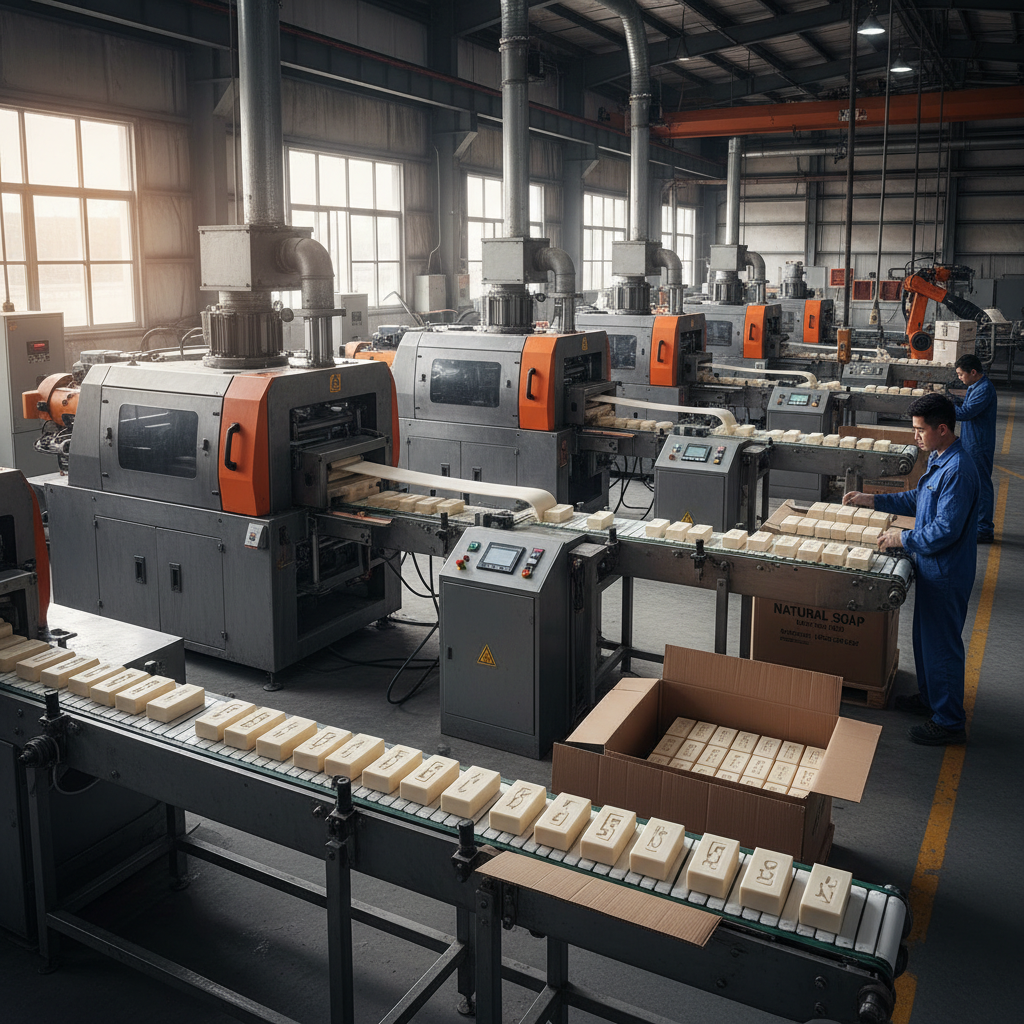
At first glance, a drying cylinder might seem like a small piece of industrial hardware — a spinning drum that helps dry paper or fabrics. But how to use drying cylinder well? That question matters. It matters globally in industries ranging from paper manufacturing to textiles, where efficiency and quality depend on it. Understanding the essentials of drying cylinder operation not only improves product output but also supports sustainability goals by saving energy.
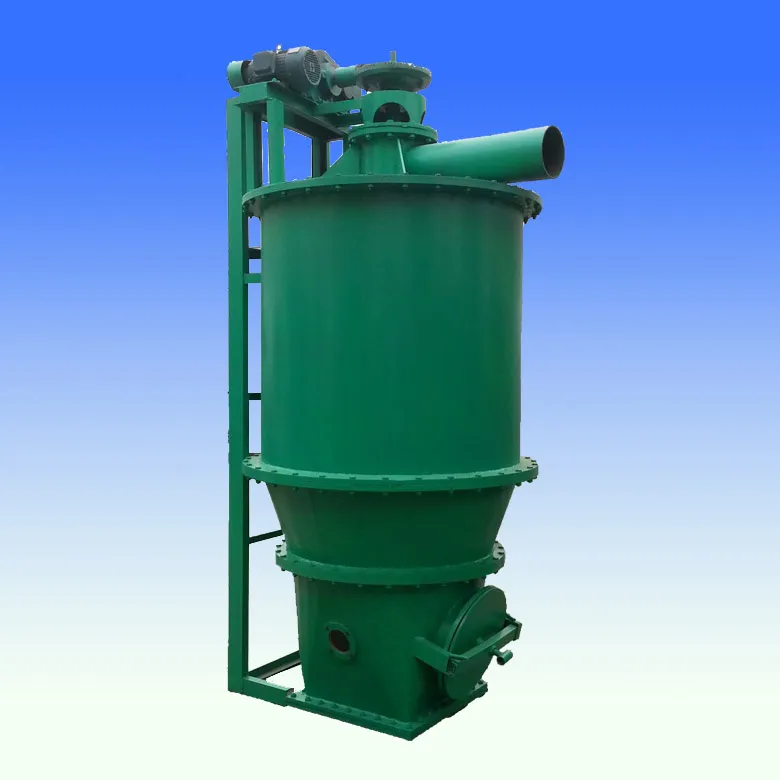
Why This Matters Worldwide
The global paper industry alone produces over 400 million tons annually (source: Wikipedia - Paper Production). That means the drying stage — often handled by drying cylinders — is a massive energy consumer. With increased emphasis on green manufacturing, mastering how to use drying cylinder techniques efficiently can reduce carbon footprints and costs. Plus, drying cylinders generate heat and handle moisture removal critical to the integrity of many materials.
Mini takeaway: The drying cylinder's role is bigger than its size — it’s a vital gear in the industrial machine driving large-scale production and sustainability.
What Exactly Is a Drying Cylinder, and Why Does Its Use Matter?
A drying cylinder is essentially a heated rolling drum designed to remove moisture from materials passing over it. It’s key in systems like paper machines, textile dryers, and soap curing processes. Learning how to use drying cylinder functions means controlling temperature, speed, and pressure to balance drying efficiency with final product quality.
In humanitarian contexts and fragile supply chains, such as remote manufacturing or emergency soap production (something worth noting), knowing how to use drying cylinder technology ensures products meet hygiene and safety standards — fast.
Key Factors in Using a Drying Cylinder Effectively
1. Temperature Control
The core of drying cylinders’ operation is heat — usually steam or hot air. However, temperatures must be precise. Too low and moisture lingers; too high and materials risk scorching or deformation. Many plants integrate sensors and PID controllers to fine-tune this balance.
2. Speed and Contact Time
How fast the material moves over the cylinder affects drying completeness. Increasing speed improves throughput but can harm drying quality if not carefully balanced. Operators often adjust machine speed dynamically based on moisture sensors.
3. Cylinder Surface Material
Materials like cast iron or steel coated with non-stick surfaces reduce deposits and enable even heat transfer. Choosing the right surface improves durability and reduces downtime.
4. Maintenance and Cleaning
Regular cleaning prevents build-ups that reduce thermal conductivity. Many engineers say neglecting cleaning routines can increase energy consumption by up to 20%.
5. Energy Source and Efficiency
Using renewable energy sources for heating drying cylinders can drastically reduce environmental impact. Innovations like waste heat recovery are becoming popular in modern plants.
Mini takeaway: Success in operating drying cylinders hinges on a balance of physical variables and maintenance — the little details truly matter.
Global Applications and Who Benefits
Drying cylinders find use across many industries and regions.
- Paper Industry:In countries like China, USA, and Germany, they are central to large-scale paper drying machines.
- Textile Manufacturing:India and Bangladesh use them in fabric finishing lines.
- Soap Production:Especially in humanitarian supply chains, like NGO soap manufacturing units in Africa, drying cylinders ensure rapidly dried but quality products.
- Food Processing:Some dried fruit producers use modified drying cylinders for rapid moisture removal.
In post-disaster relief operations, having pre-calibrated drying cylinders speeds up production of hygiene products. Oddly enough, this impacts health outcomes — drying cylinder know-how indirectly helps save lives.
Product Specification Table
|
Specification |
Typical Range |
Notes |
|
Cylinder Diameter |
1.2 - 2.5 meters |
Varies by application & machine |
|
Operating Temperature |
100 - 150°C (Steam) |
Controlled via steam pressure |
|
Rotation Speed |
5 - 30 rpm |
Adjustable to product and moisture level |
|
Material |
Cast Iron, Steel (with coatings) |
Non-stick coatings reduce build-up |
|
Heating Source |
Steam / Hot water / Electric |
Depends on plant infrastructure |
How Does the Drying Cylinder Stack Up Across Vendors?
Choosing the right drying cylinder supplier is crucial. Here's a rough comparison of three leading vendors:
|
Vendor |
Customization |
Energy Efficiency |
Global Support |
Typical Lead Time |
|
DryTech Inc. |
High |
Excellent |
Worldwide |
6-8 weeks |
|
SteamRoll Systems |
Medium |
Good |
Mostly Europe, Asia |
4-6 weeks |
|
EcoDry Solutions |
Custom on request |
Top Tier (solar-ready) |
Select regions |
8-12 weeks |
Advantages and the Long-Term Value of Using a Drying Cylinder Correctly
When you get the hang of how to use drying cylinder systems properly, it pays off.
- Cost Savings:Efficient drying reduces energy bills and lost product.
- Quality Matters:Uniform drying minimizes defects.
- Environmental Impact:Less energy use means lower carbon emissions.
- Reliability:Proper maintenance means fewer shocks, smoother operations.
- Social Impact:In soap manufacturing, quick, reliable drying ensures hygiene products reach communities in need faster — a small joy, but a real one.
Future Trends & Innovations Shaping Drying Cylinders
Right now, industrial players are moving towards digital sensors and automation — essentially “smart drying cylinders.” Imagine real-time humidity readings automatically adjusting temperature or speed. Also, eco-friendly heat sources, from solar steam to waste heat recycling, are front and center.
Another emerging area? New coating materials borrowed from aerospace that dramatically reduce fouling and halves maintenance downtime. These shifts echo a larger pattern in manufacturing: leaner, greener, smarter.
Challenges & How to Overcome Them
Despite their importance, drying cylinders encounter issues. Scale build-up, mismatched speeds, and uneven heating can ruin output. The solution isn’t always giant investments; often, regular sensor upgrades, predictive maintenance, and operator training make a world of difference.
Many plants, I’ve noticed, overlook the power of simple tweaks — a reminder that in real terms, technology and human insight need to go hand-in-hand.
FAQ: What People Ask About How to Use Drying Cylinder
Q1: What’s the best way to adjust drying speed for different materials?
A: Start by monitoring moisture content with sensors; then, incrementally adjust cylinder rotation speed while keeping a close eye on temperature. Always trial new materials at slower speeds first to avoid damage.
Q2: Can drying cylinders be powered by renewable energy?
A: Yes! Many modern drying cylinders use steam generated from solar thermal systems or biomass boilers, which greatly reduce carbon footprints compared to fossil fuels.
Q3: How often should drying cylinders be cleaned?
A: Routine cleaning is recommended every 1-2 weeks, depending on the process. Regular inspection for build-up or corrosion can prevent costly downtime.
Q4: What are common signs of inefficient drying?
A: Uneven dryness, surface blemishes, or increased energy consumption usually indicate issues. Quickly diagnosing these helps maintain quality and saves money.
Q5: Is automation worth investing in for drying cylinder operations?
A: Generally yes, especially for large-scale operations — automation stabilizes drying parameters, improves repeatability, and decreases operator error. The ROI often justifies initial costs.
Wrapping Up: The Long-Term Benefits of Learning How to Use Drying Cylinders
Knowing how to use drying cylinder properly isn’t just a technical skill; it’s a key to unlocking better efficiency, sustainability, and product quality across various industries worldwide. From the bustling paper mills in Europe to soap workshops supporting hygiene in Africa — the impact is widespread and tangible.
Want to dive deeper or explore tailored solutions? Visit our website at https://www.rssoapmachinery.com — we break down the details and help you get drying cylinders working smarter, not harder.
In the end, it’s about turning heat and motion into opportunity—one spin at a time.
References
- Wikipedia - Paper Production
- ISO Standards for Paper Drying
- International Energy Agency - Industry Report