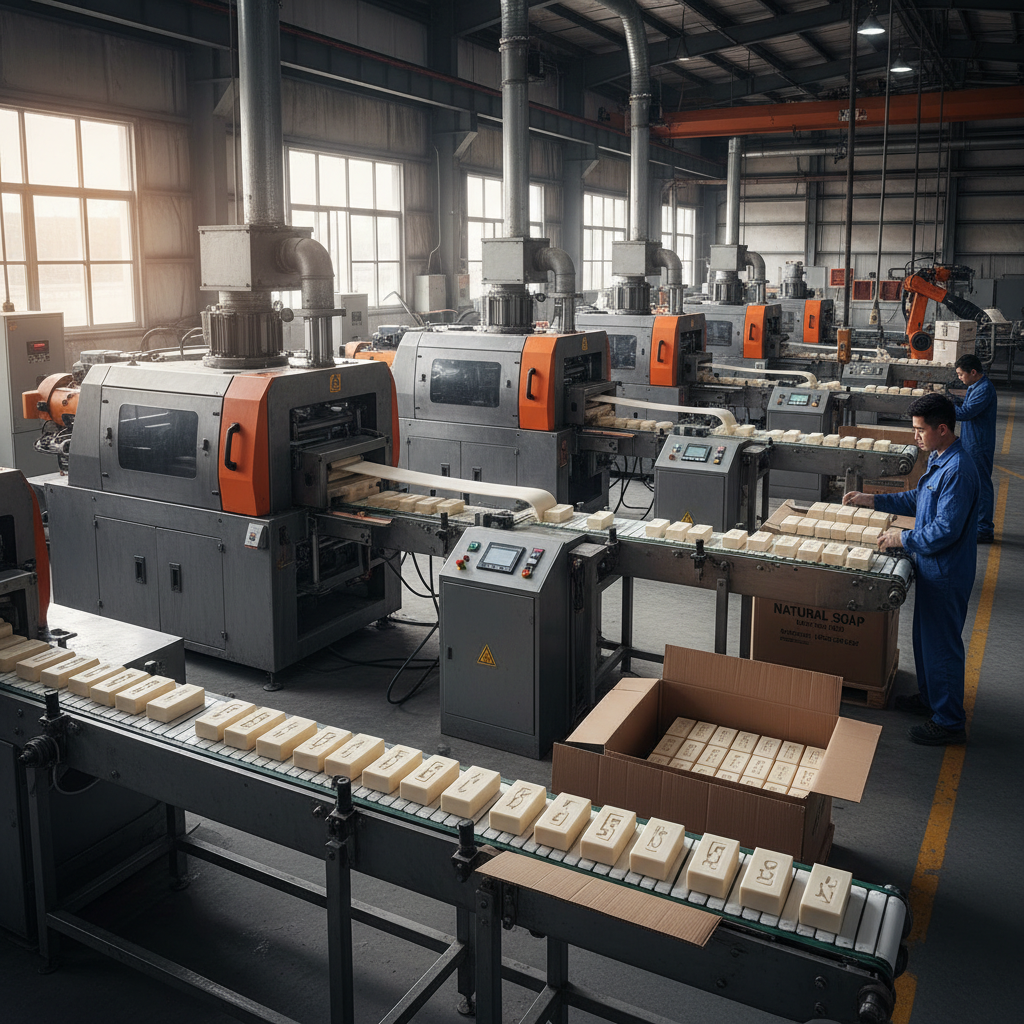
Soap is something many of us take for granted — just a simple bar or liquid pump away from cleanliness. But behind every batch of soap lies a fascinating interplay of technology, precision, and ingenuity. Machines used in soap manufacturing have revolutionized the way societies maintain hygiene and health worldwide. Given the proven links between soap use and disease reduction (especially highlighted during global health crises), understanding how these machines operate is not just for industrialists but for anyone curious about making the world cleaner, safer, and more sustainable.
From small-scale manufacturers meeting local demands to massive factories churning out millions of bars for international markets, these machines streamline production, reduce waste, and improve quality consistency. Knowing about them opens the door to innovations that can empower communities, improve economies, and even aid disaster relief.
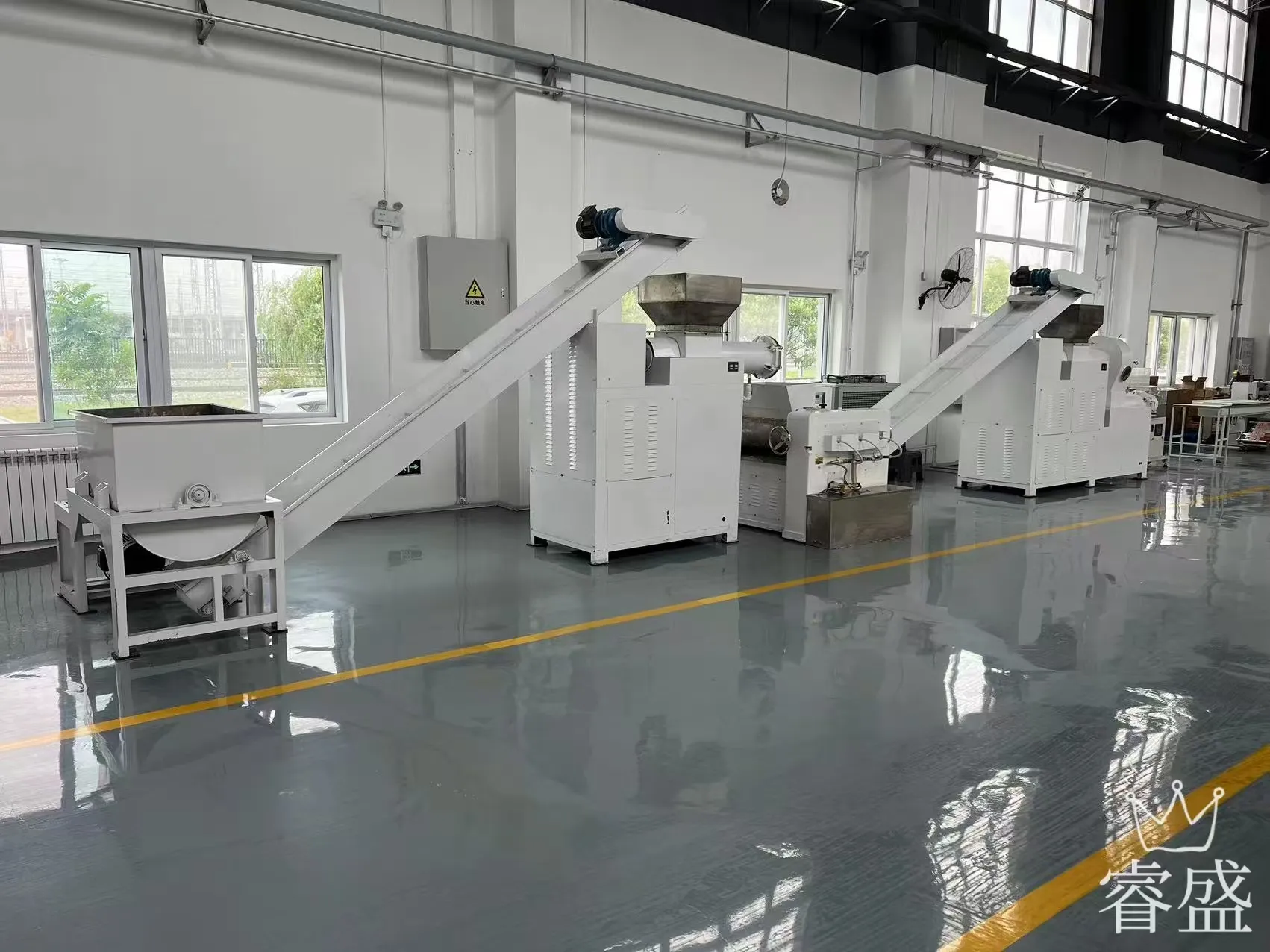
The Global Context: Rising Demand and Technological Challenges
The global market for soap and detergents is forecasted to reach over $40 billion by 2025, according to Statista. Meanwhile, international organizations emphasize hygiene as a cornerstone of public health — the World Health Organization (WHO) underscores handwashing with soap as the simplest intervention to prevent infectious diseases.
But here’s a challenge that often goes unnoticed: traditional soap manufacturing methods can be slow, labor-intensive, and inconsistent in quality — especially when scaled to meet population demands. Add to this the complexities of modern environmental policies and consumer preferences for sustainable products, and the need for efficient, adaptable machines becomes crystal clear.
What Are Machines Used in Soap Manufacturing?
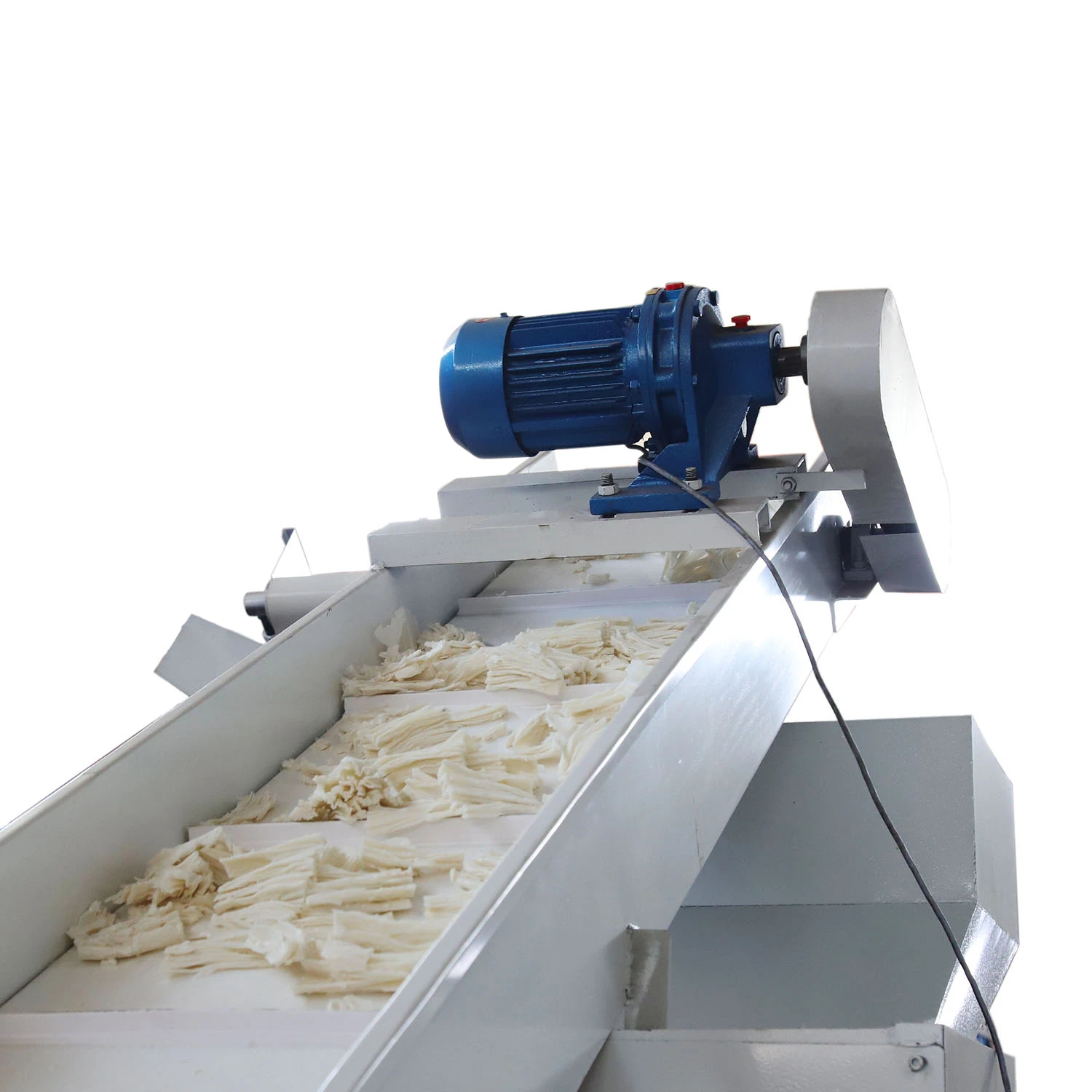
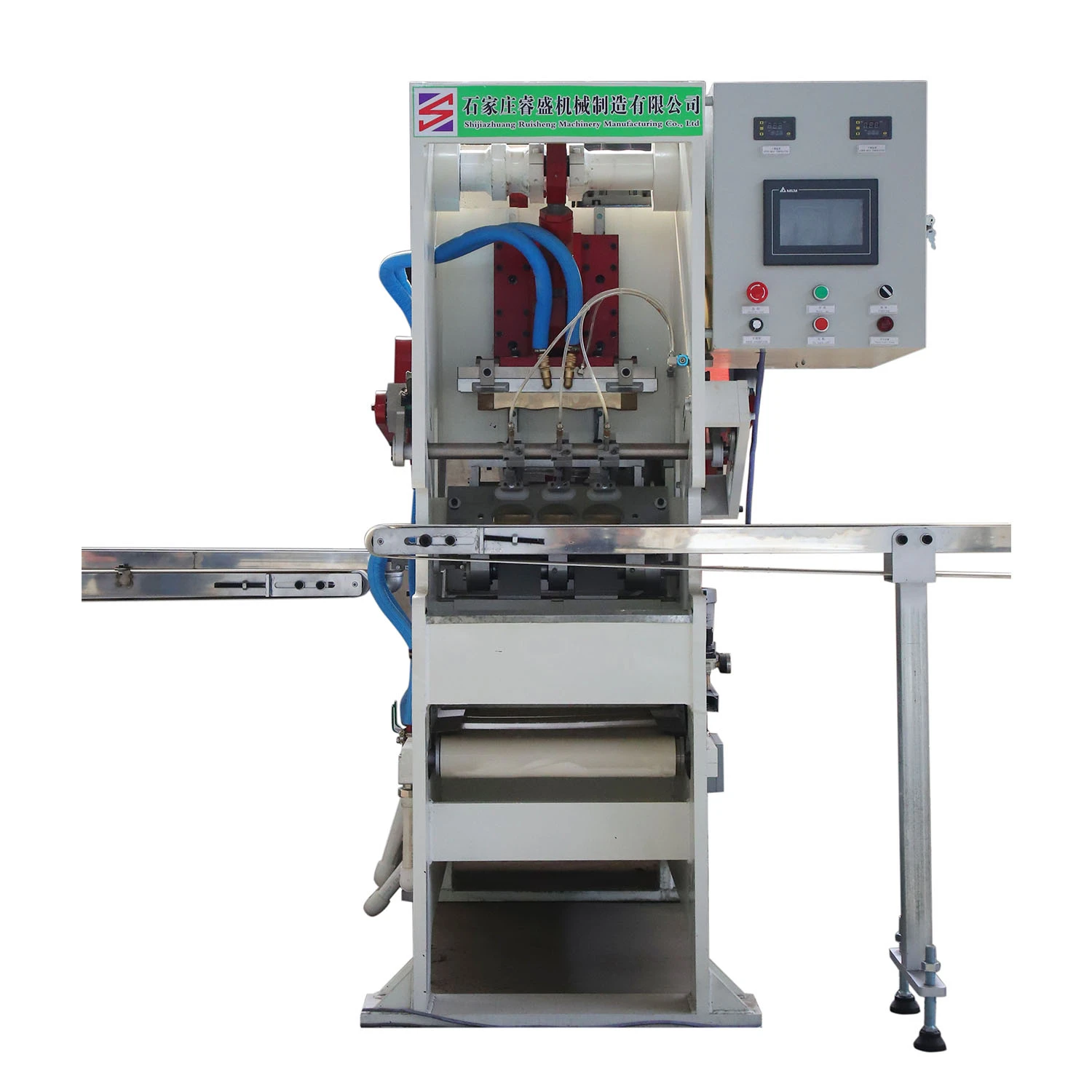
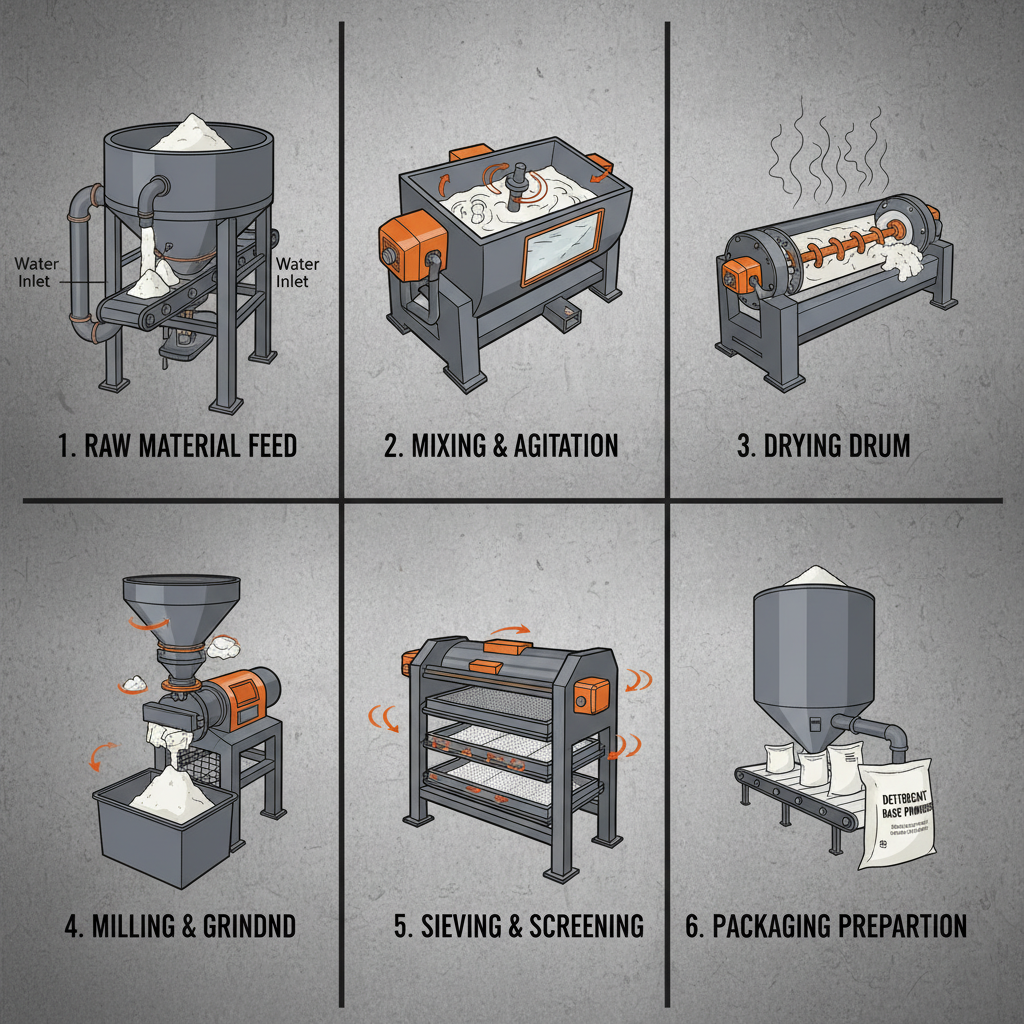
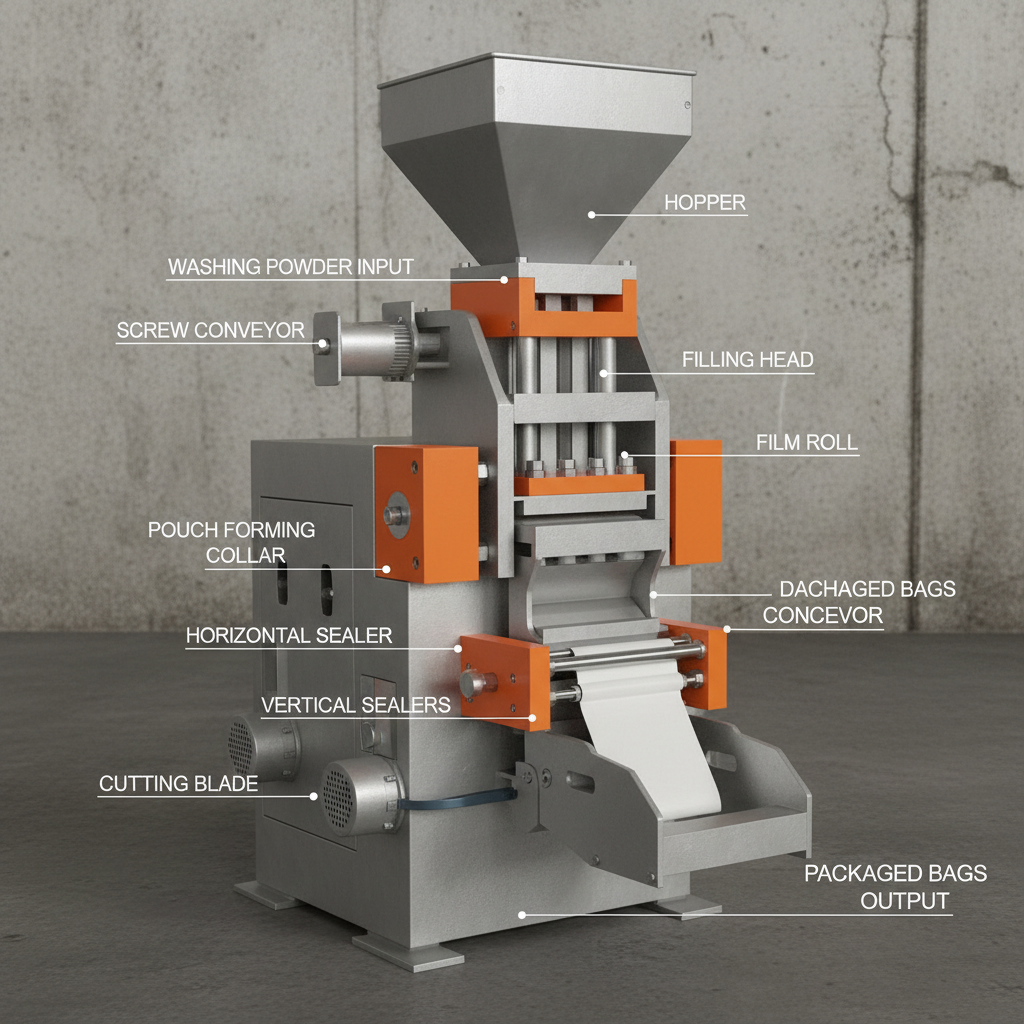
Put simply, these machines refer to the tools and equipment designed to automate or semi-automate soap production — from mixing raw materials like fats and alkalis to molding, cutting, drying, and packaging finished products. They cover various stages such as:
- Soap mixers and kettles
- Soap plodders (machines that shape soap dough)
- Cutting and stamping units
- Drying and curing tunnels
- Wrapping and packaging machines
Their role goes beyond mere mechanics — they connect traditional soapmaking with modern industrial needs, enabling high-volume production with consistent quality. They’re equally vital in humanitarian efforts where rapid soap production can support hygiene campaigns.
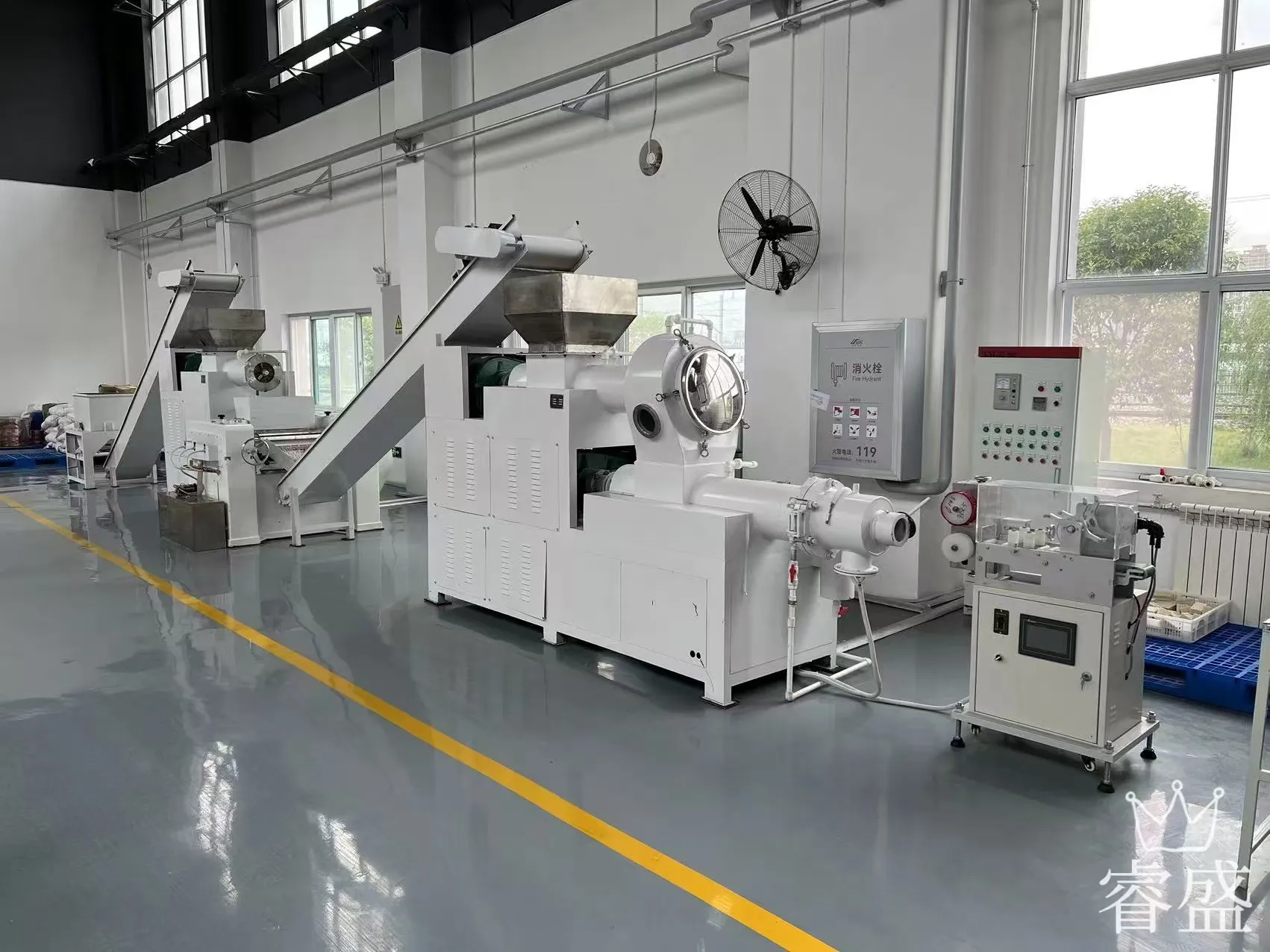
Core Components and Critical Features of Soap Manufacturing Machines
1. Durability
These machines often work with corrosive substances and require continuous operation for extended periods. The best units use stainless steel or specially coated metals to resist rust and chemical wear. After all, nobody wants a machine that stops mid-production and contaminates the soap batch.
2. Scalability
From small artisanal producers to multinational companies, machines should adapt to different volumes. Some models focus on batch sizes suitable for local markets; others handle industrial-scale continuous processing. Versatility makes a machine valuable in evolving markets.
3. Cost Efficiency
The upfront investment and operating costs need balancing against output quality and speed. Energy-efficient motors, automated controls, and minimal maintenance requirements reduce the total cost of ownership — a vital factor especially for emerging markets.
4. Automation & Precision
Modern machines integrate sensors and programmable logic controllers (PLCs) to ensure precise mixing ratios, consistent molding pressure, and uniform drying conditions. This improves product quality and decreases human error.
5. Hygiene & Safety Compliance
Machines built to meet international hygiene and safety standards are essential, especially for products touching sensitive skin. Features such as sealed mixers, automated cleaning cycles (CIP systems), and safe operator interfaces matter a lot.
Real-World Applications: Where These Machines Shine
It’s easy to imagine soap manufacturing machines only in high-tech plants in developed countries. But the truth is richer and oddly inspiring.
- Emerging Economies:In places like Southeast Asia and Africa, soap-making machines enable small-scale entrepreneurs to enter local markets, improving livelihoods and supporting public health campaigns.
- Disaster Relief Operations:NGOs sometimes deploy portable soap manufacturing setups to quickly produce bars in refugee camps or areas struck by natural disasters, where maintaining hygiene is crucial for preventing disease outbreaks.
- Industrial Zones:Chemical companies producing specialty soaps rely on robust, high-speed machines to meet rigorous quality standards demanded by healthcare and cosmetic industries.
These use cases show the multifaceted role machines play beyond mere factories.
Mini Takeaway:
The adaptability of soap manufacturing machines broadens access to hygiene and business opportunities across very different contexts — a big win for global health and economy.
Advantages and Long-Term Value of Soap Production Machinery
Choosing the right soap making machinery isn’t just a financial decision — it’s about sustainability, safety, and trust.
- Cost Savings:Automation reduces labor costs, minimizes raw material waste, and speeds up production cycles.
- Environmental Impact:Advanced machines use energy-efficient designs and reduce water consumption, aligning with stricter global environment standards.
- Product Quality:Reliable machines produce consistently shaped, long-lasting soap bars that meet consumer expectations.
- Social Impact:By enabling soap production in underserved areas, these machines help promote hygiene, reduce infections, and enhance dignity.
- Innovation & Trust:Cutting-edge technology builds brand reputation by ensuring every bar has the same trusted quality.
Product Specification Table
|
Feature |
Description |
Typical Range |
|
Mixing Capacity |
Volume of raw materials processed per batch |
50 – 500 kg |
|
Energy Consumption |
Power usage during operation |
1.5 – 10 kW |
|
Automation Level |
Manual to fully automated systems |
Manual / Semi-auto / Full-auto |
|
Operating Temperature |
Temperature range for safe soap processing |
60 – 90 °C |
|
Material Construction |
Main body and components |
Stainless steel 304 / 316 |
Comparing Leading Soap Manufacturing Machine Vendors
|
Feature |
RS Soap Machines |
GlobalSoaps Inc. |
CleanTech Solutions |
|
Product Range |
From small to industrial scale |
Industrial focus only |
Small-medium scale |
|
Customization |
Full customization options |
Limited options |
Standard models only |
|
Energy Efficiency |
Advanced energy-saving tech |
Moderate |
Basic |
|
Global Support |
24/7 worldwide support |
Regional offices only |
Online support |
|
Price Range |
$$$ |
$$$$ |
$$ |
Looking Ahead: Future Trends in Soap Manufacturing Machines
It’s not a stretch to imagine that within a few years, soap manufacturing will be nearly fully automated — even in tiny village workshops. Artificial intelligence, IoT-connected sensors, and real-time quality control can elevate precision beyond current limits. Oddly enough, the rise of sustainability concerns will push even bigger innovations:
- Green Energy Integration:Solar-powered manufacturing lines or energy recycling systems to cut carbon footprints.
- Modular & Portable Systems:For rapid deployment during emergencies or remote regions.
- Bio-based Materials:Machinery adapted for new eco-friendly soap formulations.
- Smart Packaging:Automated, biodegradable wrappers minimizing waste.
Addressing Challenges & Practical Solutions
No tech is without its quirks. For soap manufacturing machines, issues often arise with:
- Maintenance Complexity:Machines with sophisticated electronics may be difficult to repair in low-resource settings.
- Cost Barriers:Smaller producers sometimes struggle to afford high-quality equipment.
- Supply Chain Disruptions:Especially critical spare parts or materials for specialized machines.
Experts suggest a few smart moves: flexible leasing models to lower upfront costs, more in-depth user training programs, and localized production of common spare parts — strategies that many industry leaders, including RS Soap Machines, are actively pursuing.
Frequently Asked Questions About Machines Used in Soap Manufacturing
Q1: What types of soap can these machines produce?
Most machines are versatile, capable of producing bath soaps, detergent bars, liquid soaps, and specialty soaps like medicated or decorative variants. The key lies in adjusting the raw material mixing and molding processes. For example, machines used in soap manufacturing often come with customizable settings catering to different formulations.
Q2: How energy-intensive are these machines?
Energy consumption varies by model, but efficient machines typically use between 1.5 to 10 kW depending on capacity and automation level. Many modern designs focus on minimizing energy waste with variable frequency drives and optimized motor systems.
Q3: Can soap manufacturing machines be scaled up easily?
Yes, many machines are modular or come in various sizes, allowing manufacturers to start small and upgrade as demand grows. This scalability helps businesses manage costs and production flexibility effectively.
Q4: Are these machines safe for food-grade or cosmetic soap production?
Machines made from high-grade stainless steel and designed following strict hygiene standards are suitable for cosmetic and mild skin products. Always verify certifications like ISO 22716 for Good Manufacturing Practices.
Q5: How do I maintain and clean these machines to avoid cross-contamination?
Most modern soap making machines feature CIP (Clean-In-Place) systems or easy disassembly parts for manual cleaning. Regular maintenance schedules and operator training are crucial for hygiene and machine longevity.
Conclusion: Embracing the Future of Soap Manufacturing
Machines used in soap manufacturing are quietly transforming how the world approaches hygiene, health, and industry. By combining durability, scalability, cost-efficiency, and cutting-edge automation, they enable producers across the globe — from small artisans to massive corporations — to meet evolving demands sustainably and reliably.
For anyone interested in stepping into this dynamic field, I recommend checking out trusted manufacturers like RS Soap Machines, who balance innovative engineering with community-minded service. The future looks clean, indeed.
For more information on machines used in soap manufacturing and how they can fit your needs, visit our website today.
References
- World Health Organization – Food Safety and Hygiene
- International Organization for Standardization (ISO)
- Wikipedia – Soap Production