In a world where efficiency meets innovation, drying cylinder manufacturers play a quietly pivotal role. But what exactly are these drying cylinders, and why should industry insiders and global businesses care about the companies making them? In short, drying cylinders are key components in numerous production lines, from paper to textiles and chemical industries. They enable fast, uniform drying by applying heat through rotating cylinders, saving time and energy while preserving product quality. Understanding the landscape of drying cylinder manufacturers can unlock better sourcing decisions, promote sustainability, and improve overall manufacturing efficacy.
The Global Context: Why Drying Cylinder Manufacturers Matter
Across continents, the demand for faster and cleaner industrial drying solutions is rising. According to recent International Organization for Standardization (ISO) reports, industrial drying processes account for up to 15% of total energy consumption in manufacturing sectors worldwide. This makes manufacturers of drying cylinders key players in any effort to reduce energy waste and emissions globally.
Moreover, with expanding paper production in Asia and growing textile manufacturing hubs in Africa and Latin America, the challenge is clear: how to supply reliable, cost-efficient drying equipment that can handle varying raw materials and climates? Drying cylinder manufacturers not only supply the hardware but often drive innovation addressing these challenges. The need for durable, energy-efficient, and easily maintained cylinders is greater than ever, especially for regions with scale-up industrialization goals.
Mini takeaway:
Drying cylinder manufacturers don't just build parts—they help industries cut costs, reduce environmental footprints, and support global production growth.
What Are Drying Cylinder Manufacturers? Breaking It Down
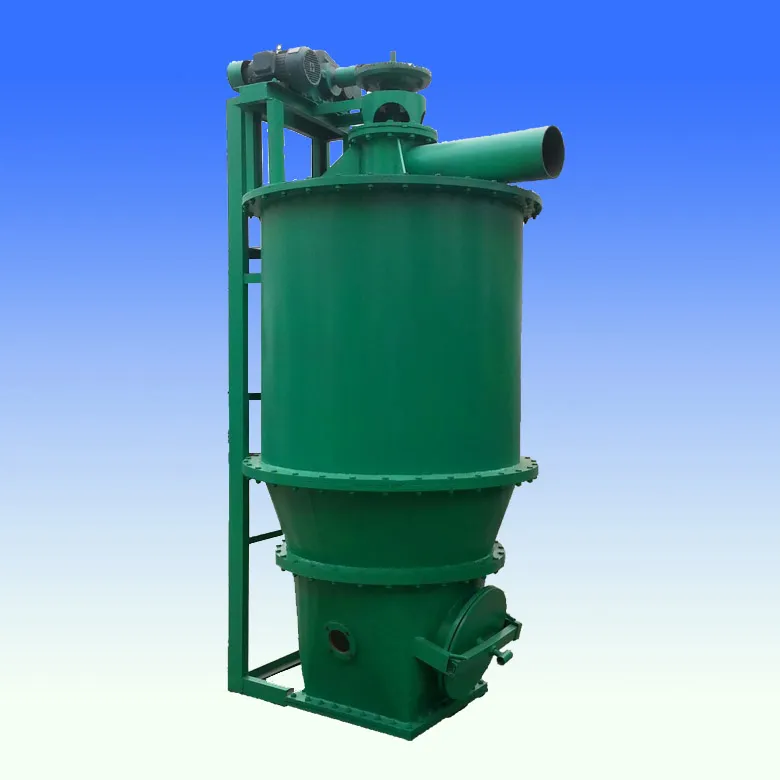
Simply put, drying cylinder manufacturers specialize in designing and producing the large rotating cylinders used for drying wet materials in industrial settings. These cylinders are heated internally—via steam, hot water, or other mediums—to remove moisture quickly and evenly from surfaces like paper sheets, fabrics, or chemical slurries.
The manufacturers handle everything from the selection of corrosion-resistant materials to precise engineering that ensures uniform heat distribution and minimal downtime. In modern terms, they’re the unsung heroes behind smoother supply chains, helping factories meet tight schedules and stringent product specs.
Mini takeaway:
Drying cylinder manufacturers are specialized firms crafting the heart of the industrial drying process, bridging raw materials with final products seamlessly.
Key Factors That Define Quality Drying Cylinders
1. Durability and Material Selection
Drying cylinders often operate under tough conditions: high temperatures, corrosive environments, and continuous rotation. Manufacturers focus on using stainless steel, cast iron, or specially coated alloys to prevent wear and tear. The choice of material directly impacts the cylinder's lifespan and maintenance frequency.
2. Thermal Efficiency
Efficient heat transfer is the holy grail here. Good drying cylinder manufacturers design their cylinders to optimize steam distribution inside and insulation outside, minimizing energy loss. Better thermal efficiency means lower operating costs and improved environmental impact.
3. Scalability and Customization
Different industries require varied cylinder sizes and configurations—for example, a large paper mill versus a smaller textile plant. Leading manufacturers offer scalable solutions, often custom-built to meet specific process requirements, dimensions, or retrofit needs.
4. Compliance and Safety Standards
Being compliant with international standards like ASME for pressure vessels or ISO certifications ensures reliability and reduces risks. It also opens doors for global applications.
5. Maintenance and After-Sales Support
Companies that back their drying cylinders with strong technical support make life easier for plant operators. Availability of spare parts, timely inspections, and training are often the overlooked factors defining long-term value.
Mini takeaway:
- Durability, efficiency, customization, and aftercare are the pillars on which top drying cylinder manufacturers build reputation and trust.
Global Use Cases: Where Drying Cylinder Manufacturers Shine
In Asia, where paper production has skyrocketed to meet both local and export demands, drying cylinders are critical. Mills in China and India rely heavily on sustainable cylinder designs to reduce energy consumption—sometimes cutting costs by up to 20%, according to industry reports.
In Africa, emerging textile factories often import cylinders optimized for scant electricity supplies and local environmental factors. This ensures minimal downtime and consistent output quality.
On a different plane, humanitarian organizations dealing with disaster relief have turned to portable drying solutions that incorporate drying cylinders for faster regeneration of fabric materials—think tents, blankets, or hygiene products—helping speed recovery efforts.
Example:
A South American pulp and paper producer revamped its drying cylinders to a more eco-friendly steam system, achieving 15% energy savings annually. This ripple effect improved profitability and reduced carbon emissions considerably.
Mini takeaway:
From factories in fast-developing economies to disaster zones, drying cylinder manufacturers enable industries across continents to innovate and thrive.
Advantages and Long-Term Value of Working with Trusted Drying Cylinder Manufacturers
- Cost Savings:Energy-efficient cylinders directly translate into leaner utility bills.
- Sustainability:Improved thermal designs reduce carbon footprints.
- Reliability:High-grade materials and testing decrease unplanned shutdowns.
- Social Impact:In humanitarian contexts, reliable drying speeds up aid delivery—restoring dignity and safety.
- Innovation Drive:Collaborating with manufacturers who invest in R&D keeps your processes cutting-edge and competitive.
Emotionally, investing in durable drying cylinders offers peace of mind. It’s like having a reliable partner who quietly strengthens your operations behind the scenes, defusing stress and bolstering trust.
Looking Ahead: Future Trends Impacting Drying Cylinder Manufacturers
Green energy integration is sweeping through industrial drying. Some manufacturers are now developing cylinders compatible with solar-thermal or waste-heat systems, reducing reliance on fossil fuels. I find this particularly exciting because it aligns industry progress with urgent climate goals.
Meanwhile, digital transformation—with sensors enabling real-time condition monitoring of cylinders—is improving predictive maintenance. Imagine avoiding costly downtime just by seeing when a cylinder’s temp fluctuates outside safe limits.
Automation and modular designs are also making it faster to install or swap cylinders with minimal disruption, a feature many engineers praise for increasing flexibility in dynamic manufacturing environments.
Challenges Faced and Some Practical Solutions
Of course, no system is perfect. Manufacturers often wrestle with balancing cost versus performance—premium materials means higher upfront expense, which can deter smaller operations.
Additionally, retrofitting older machinery with new drying cylinders calls for custom engineering and sometimes logistical headaches.
One promising solution is partnering with forward-thinking manufacturers who offer leasing options, flexible payment plans, or refurbishing services.
Also, cross-industry collaboration to develop standardized modular parts can reduce installation friction and promote broader adoption.
FAQs: Quick Answers About Drying Cylinder Manufacturers
Q1: How do I choose the right drying cylinder manufacturer for my paper mill?
A1: Look for manufacturers with experience in your specific industry, strong certifications (like ASME), and a solid track record of customization and after-sales support. Also, consider their energy efficiency offerings to reduce operating costs.
Q2: Can drying cylinders be easily maintained on-site?
A2: Yes, many manufacturers design cylinders for straightforward maintenance—think removable covers and accessible steam lines. Still, periodic professional inspections are essential to keep everything running smoothly.
Q3: Are there eco-friendly drying cylinder options available?
A3: Absolutely. Some manufacturers now produce cylinders optimized for bio-steam or solar-thermal energy sources, reducing overall emissions and energy use.
Q4: What is the typical lifespan of a drying cylinder?
A4: With good material quality and maintenance, drying cylinders can last 10–15 years or more. The lifespan depends on usage intensity, operating conditions, and care.
Q5: Can drying cylinder manufacturers help with installation and training?
A5: Leading manufacturers often provide installation assistance and staff training to ensure optimal operation and safety compliance.
Drying Cylinder Specifications: A Typical Profile
|
Specification |
Typical Range / Value |
|
Diameter |
600 mm – 2800 mm |
|
Length |
1500 mm – 8000 mm |
|
Material |
Cast iron, Stainless steel, Alloy steel |
|
Heating medium |
Steam, Hot water, Thermal oil |
|
Surface finish |
Polished, Chrome-plated |
|
Max operating pressure |
10 – 25 bar |
|
Weight |
Up to 15,000 kg |
Vendor Comparison: Picking Your Drying Cylinder Partner
|
Feature |
Vendor A |
Vendor B |
Vendor C |
|
Customization options |
Extensive |
Moderate |
Limited |
|
Energy efficiency technology |
Advanced |
Standard |
Basic |
|
Warranty period |
5 years |
3 years |
2 years |
|
Delivery speed |
4-6 weeks |
6-8 weeks |
8-10 weeks |
|
After-sales support |
Comprehensive |
Limited |
None |
If you want to explore more about trusted suppliers and expand your drying cylinder options, check out drying cylinder manufacturers who offer a range of products designed for modern industry demands.
Final Thoughts
Drying cylinder manufacturers might not make headlines, but their impact is felt throughout multiple industries across the globe. With rising energy costs and environmental pressures, selecting the right manufacturer is as crucial as choosing good materials or skilled operators. These companies are not just suppliers; they’re innovation partners helping industries evolve responsibly.
For those invested in the durability, efficiency, and adaptability of drying cylinders, the future looks promising with technological advancements on the horizon. Perhaps more importantly, working with expert manufacturers provides that invaluable peace of mind—knowing your production simply runs better.
Ready to upgrade your drying processes? Dive deeper by visiting drying cylinder manufacturers and find the perfect match for your needs.
References
- International Organization for Standardization (ISO)
- Industrial Drying - Wikipedia
- World Bank Industrial Energy Data