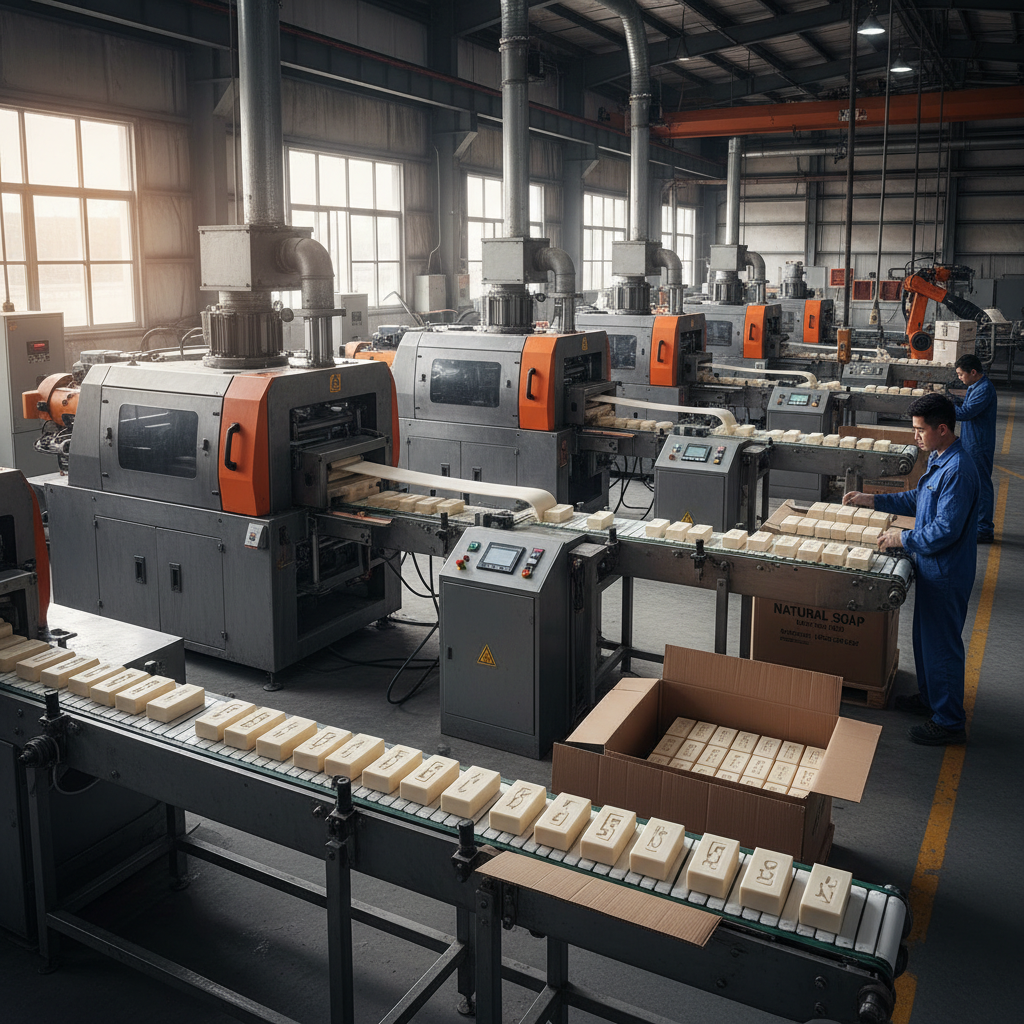
Alright, let's talk about something that often gets overlooked in the glitz and glamour of high-speed production lines: the humble, yet absolutely critical, blending cylinder. You know, that workhorse that ensures your final product isn't just "okay," but truly excellent. In the world of soap manufacturing, for instance, this piece of equipment isn't just mixing; it's about achieving that perfect, consistent blend, batch after batch. And to be honest, it’s far more fascinating than you might think.
Why the Blend Matters: Industry Trends & Applications
We're seeing a big shift, aren't we? Consumers today demand not just clean, but premium. They want perfectly colored soap, consistently scented, and with specialized additives evenly distributed. This isn't just about aesthetics; it’s about performance and brand reputation. That's where a quality blending cylinder really shines. From artisanal soap makers scaling up, to established factories introducing new product lines, the need for precise, uniform mixing has never been higher.
Think about it: whether you're adding sodium silicate for hardness, pigments for vibrant colors, or essential oils for that signature fragrance, every single component needs to be perfectly integrated with the soap base. Any inconsistencies, and you're looking at uneven color, patchy scent, or even structural weaknesses in the final bar. Nobody wants that, I guess.
Under the Hood: Technical Specifications
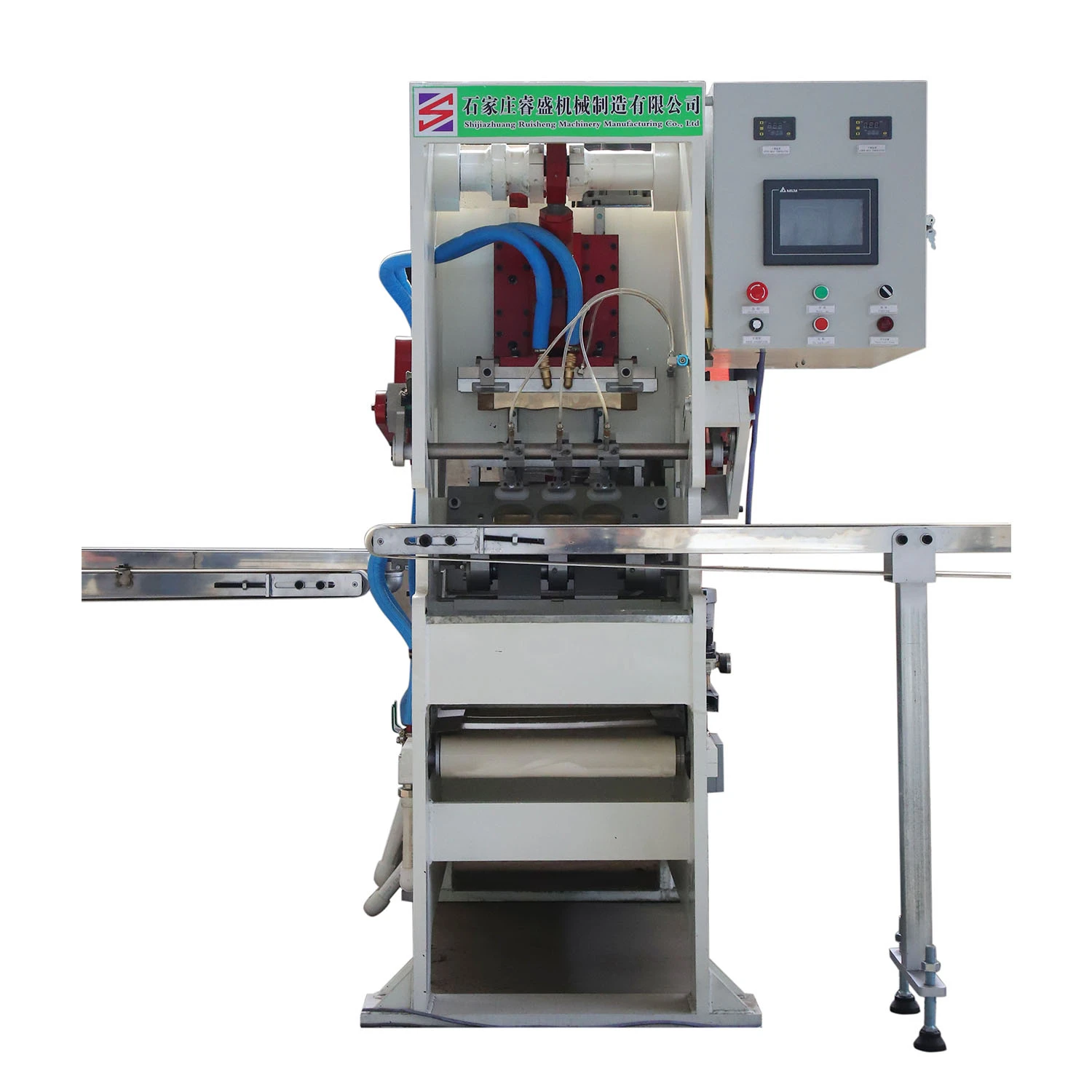
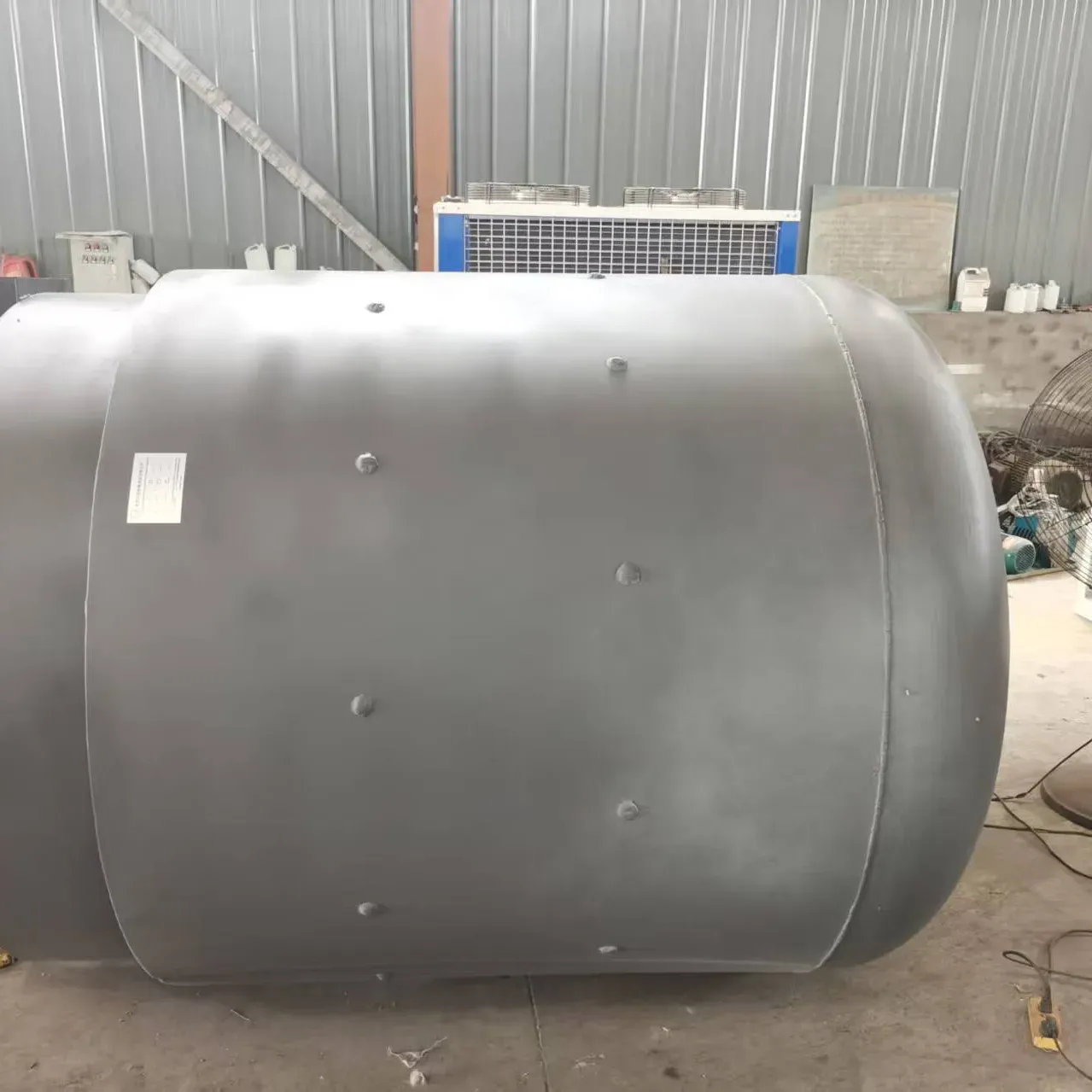
Now, let's get a bit technical. While these machines might look deceptively simple, the engineering behind a good blending cylinder is quite sophisticated. They're designed for robust performance and efficient blending. Here’s a typical rundown of what you might find:
|
Specification |
Detail |
|
Product Name (as per manufacturer) |
Drying Cylinder (often adapted for blending in soap lines) |
|
Function (in blending context) |
Mixing soap base with additives (silicate, pigment, essence) |
|
Typical Output |
≈ 2 tons per batch |
|
Motor Power |
4 kW |
|
Dimensions (approx.) |
φ1500 3160 mm |
|
Weight (approx.) |
1200 kg |
|
Construction Material |
Often stainless steel for hygiene and durability |
The Blending Process: A Flow of Perfection
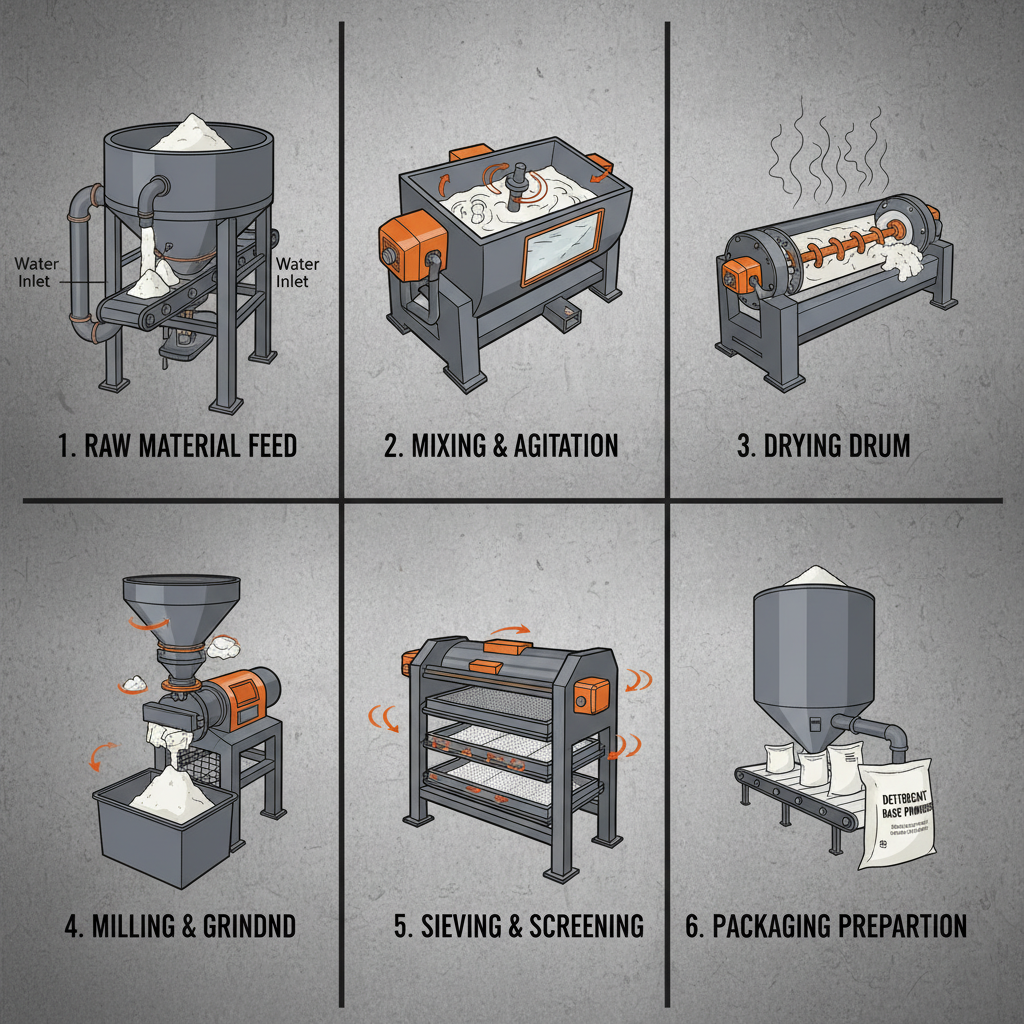
Let's walk through it, shall we? The process is deceptively simple, but critical:
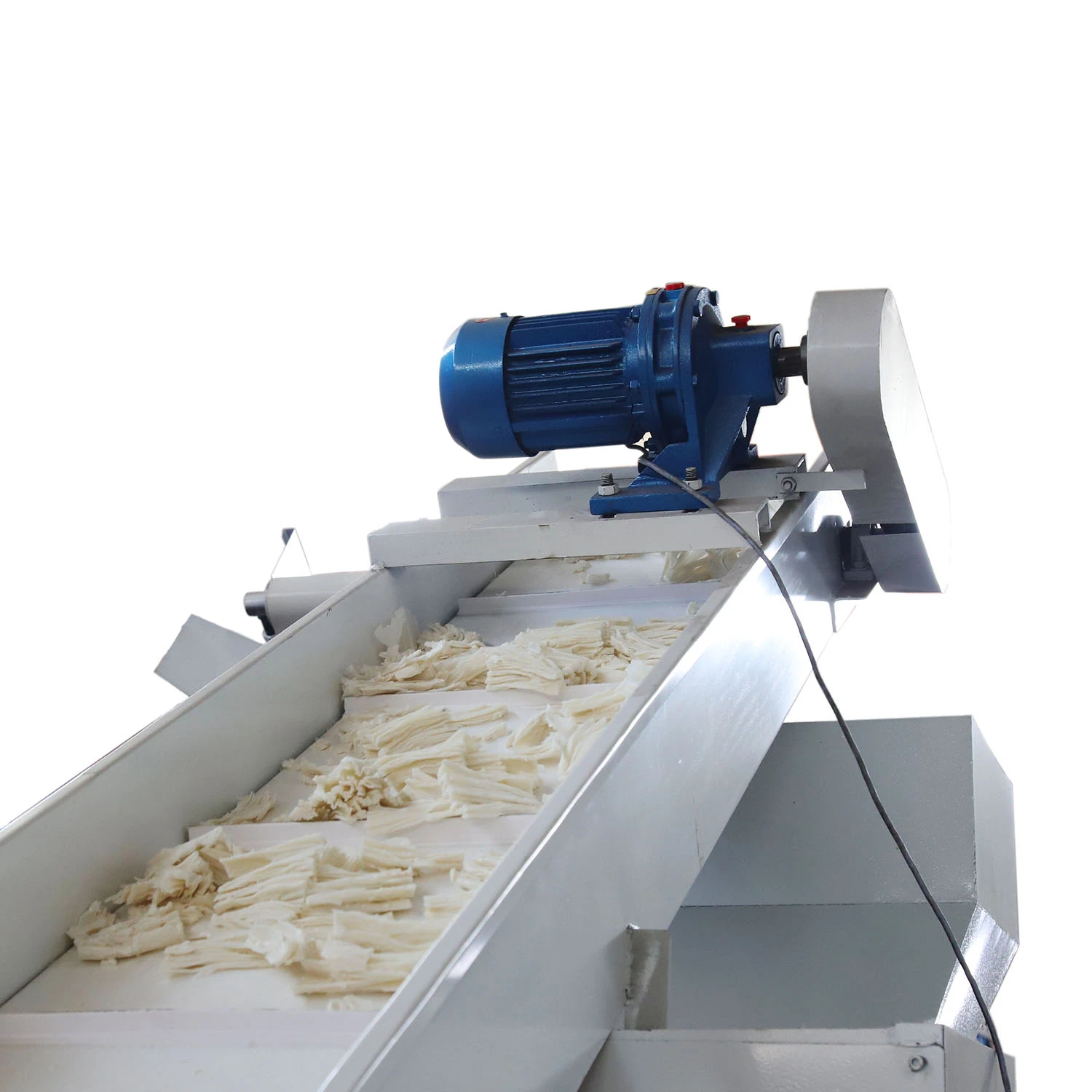
- Material Loading:First, your primary soap base (often in noodle or chip form, fresh from the saponification process) is loaded into the blending cylinder. This is typically done via conveyor or chute.
- Additive Introduction:This is where the magic really starts. Sodium silicate, pigments, fragrances, herbal extracts – whatever your formulation calls for – are precisely measured and introduced. The design of the cylinder often includes access points for this.
- Homogenization:The motor kicks in, and the cylinder, often equipped with internal paddles or a rotating drum mechanism, begins to turn. The goal here is complete homogenization and dispersion. We're talking about ensuring every speck of pigment and every drop of essence is evenly distributed throughout the entire 2-ton batch. This usually takes a specific, calibrated time depending on the materials.
- Quality Control & Testing:During or immediately after blending, samples are often taken. We're looking for color consistency, scent uniformity, and ensuring no agglomerates (undesired clumps) are present. Standards like ISO 9001 and internal quality metrics guide this.
- Discharge:Once the blend is perfect, the material is discharged, often directly into a subsequent processing stage like a plodder for extrusion, or into storage.
Honestly, the service life of these robust machines, especially those made from high-grade stainless steel, can be decades with proper maintenance. They're built like tanks, designed for continuous operation in demanding industrial environments. They're essential across the soap, detergent, and even some cosmetic industries.
Choosing Your Partner: Vendor Comparison & Customization
When it comes to sourcing a blending cylinder, it's not just about the price tag, right? You're investing in the heart of your production line. Many customers say that reliable support, material quality, and after-sales service are paramount. Here's a quick, generalized comparison matrix:
|
Aspect |
High-Tier Vendors |
Mid-Tier Vendors |
Budget-Friendly Options |
|
Quality & Durability |
Exceptional, premium materials, long service life |
Very good, robust, standard industrial components |
Adequate, may require more frequent maintenance |
|
Customization |
Extensive: size, agitator design, automation integration |
Moderate: some variations in features or capacity |
Limited: standard models, minor modifications |
|
Support & Service |
Comprehensive, global network, fast response |
Good, regional support, standard warranty |
Basic, often relies on local technicians |
|
Price (Real-world use may vary) |
Higher investment, but better ROI long-term |
Competitive, good balance of cost and performance |
Lower initial cost |
Customization is a big one. You might need specific loading heights, different discharge mechanisms, or even specialized internal lining for certain chemical blends. A good vendor, honestly, will work with you to tailor the unit to your exact line. Surprisingly, even smaller manufacturers are now offering some decent custom options.
Real-World Impact & Case Studies
I remember one client, a relatively small organic soap company, was struggling with uneven essential oil distribution. Their batch variation was off the charts. After investing in a modern blending cylinder designed for their specific output, their consistency improved by over 40%, and customer complaints about "fading scent" virtually disappeared. It truly highlights the critical role of proper equipment. This isn't just theory; it's proven results.
Another example? A major detergent bar manufacturer managed to reduce pigment usage by 5% because their new blending unit achieved far superior dispersion. That's a direct cost saving that adds up to serious money over time, I can tell you.
In fact, look for equipment that carries certifications like CE or adheres to industry standards such as those set by the American Oil Chemists' Society (AOCS) for fat and oil products, even if indirectly. These indicate a commitment to quality and safety.
Final Thoughts
So there you have it. The blending cylinder, while perhaps not the flashiest machine on the factory floor, is undeniably one of the most important. It’s the unsung hero that ensures quality, consistency, and ultimately, customer satisfaction. Getting the blend right is getting your product right. And in today's competitive market, that's everything.
Authoritative Citations
- "Principles of Soap Making" by E.G. Thomssen, R.J. Donley, and F.C. Thomssen. (While older, foundational texts provide core process understanding.)
- ISO 9001:2015 - Quality management systems — Requirements. (General quality standard applicable to manufacturing.)
- American Oil Chemists' Society (AOCS) Official Methods and Recommended Practices. (Relevant for fatty acid processing and quality control.)
- "Modern Soap-Making" by L.L. Lamborn. (Provides insights into industrial soap production techniques.)