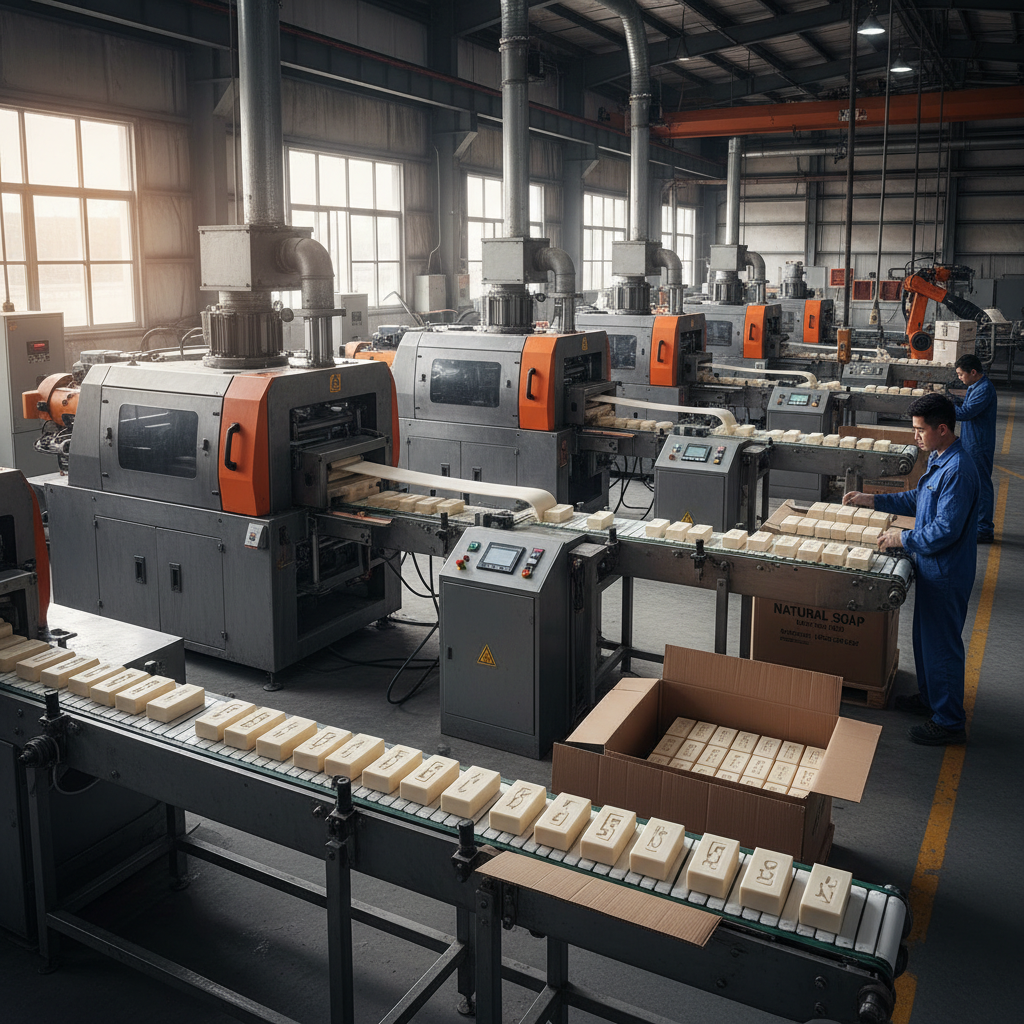
You know, when most people think about soap, they picture lovely scents, vibrant colors, and maybe a luxurious lather. What they rarely consider is the intricate journey that soap takes from raw ingredients to that perfect bar sitting on your bathroom counter. And honestly, one of the unsung heroes in this whole process is the Soap Granulation Production Line Equipment. It's truly fascinating.
In an age where consistency and efficiency are paramount, particularly for wholesale supplies for soap making, getting the soap base just right before it even thinks about becoming a bar is critical. This is where granulation steps in, transforming what might be awkward flakes or powders into uniform, manageable granules. It's a game-changer for quality.
The Granulation Imperative: Why It Matters So Much
So, why bother with granulation? Well, imagine trying to extrude a perfect bar of soap from an inconsistent mix of coarse and fine particles. It’s like trying to bake a cake with lumps of flour – you'll end up with an uneven, often crumbly, mess. Granulation, especially with modern soap making equipment, ensures a consistent particle size. This consistency directly translates to:
- Smoother extrusion processes.
- Uniform bar density and appearance.
- Reduced waste and rework.
- Better fragrance distribution, surprisingly.
Actually, many customers I've spoken with say that investing in high-quality granulation equipment significantly improves their final product's perceived value.
At the Heart: The Twin-Screw Granulator
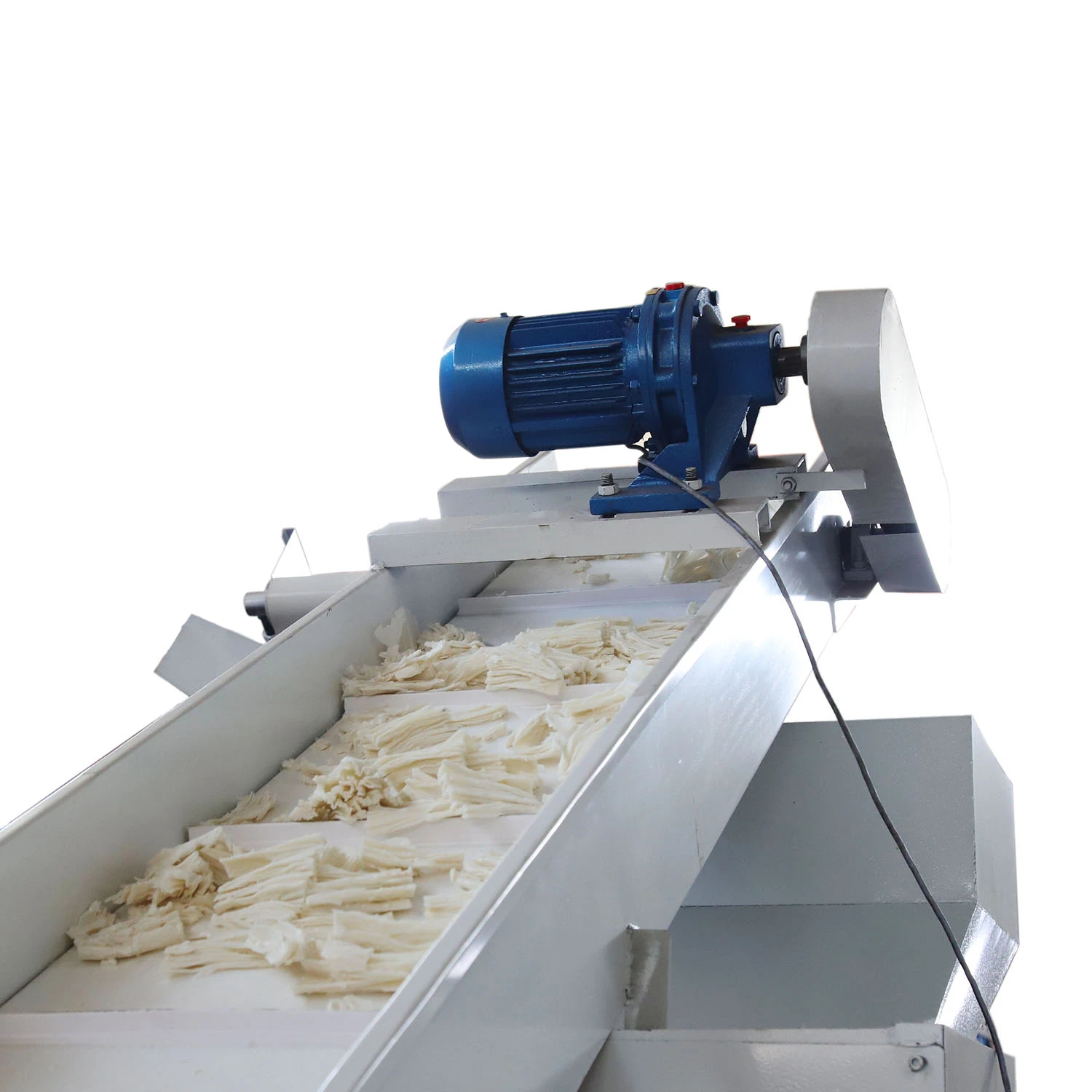
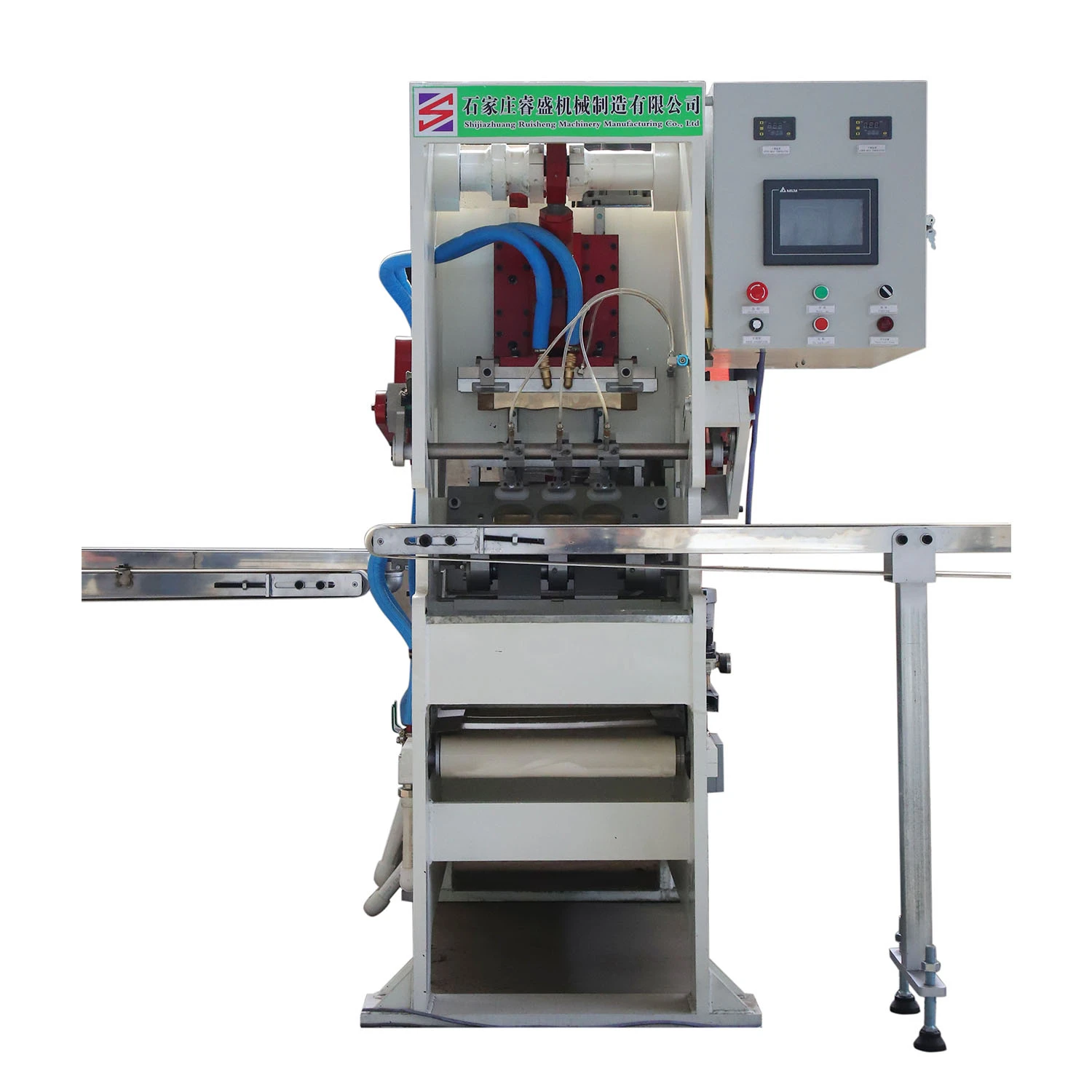
When we talk about effective Soap Granulation Production Line Equipment, the Twin-screw Granulator often comes up. This workhorse takes dried soap base – think of it as the raw material – and through a carefully controlled process, converts it into consistent granules. The twin screws provide excellent mixing and conveying capabilities, allowing for precise control over the granule size and density.
This isn't just for soap, by the way. This type of granulator is incredibly versatile, finding applications in plastics, pharmaceuticals, and even food manufacturing where consistent particle size is absolutely non-negotiable for dosage accuracy or product uniformity. It truly underscores the importance of proper `soap milling machine` capabilities.
Typical Specifications for a Twin-Screw Granulator
|
Feature |
Specification (Approx.) |
|
Production Capacity |
≈ 200-1000 kg/h (model dependent) |
|
Main Motor Power |
11-37 kW |
|
Screw Diameter |
Around 80-150 mm |
|
Material Compatibility |
Soap noodles, various dry powders |
|
Granule Size Range |
0.5mm - 3mm (adjustable) |
|
Service Life |
10+ years with proper maintenance; real-world use may vary |
Choosing Your Equipment: A Vendor's Perspective
When you're looking for soap equipment for sale, especially something as critical as a granulator, you can't just pick the first one you see. Customization is key. A good vendor won't just sell you a machine; they'll work with you to understand your specific soap formulations, desired output, and factory layout. This tailored approach is often overlooked but truly makes a difference in long-term operational efficiency.
|
Vendor Comparison Factor |
What to Look For |
|
Experience & Reputation |
Years in the industry, positive customer feedback, certifications (e.g., ISO) |
|
Customization Options |
Ability to tailor capacity, materials, and controls to your needs |
|
After-Sales Support |
Availability of spare parts, technical assistance, maintenance services |
|
Testing & Standards |
Factory acceptance tests (FAT), compliance with industry standards |
|
Technology & Innovation |
Modern control systems, energy efficiency, ease of cleaning |
The Bigger Picture: Industry Trends and Benefits
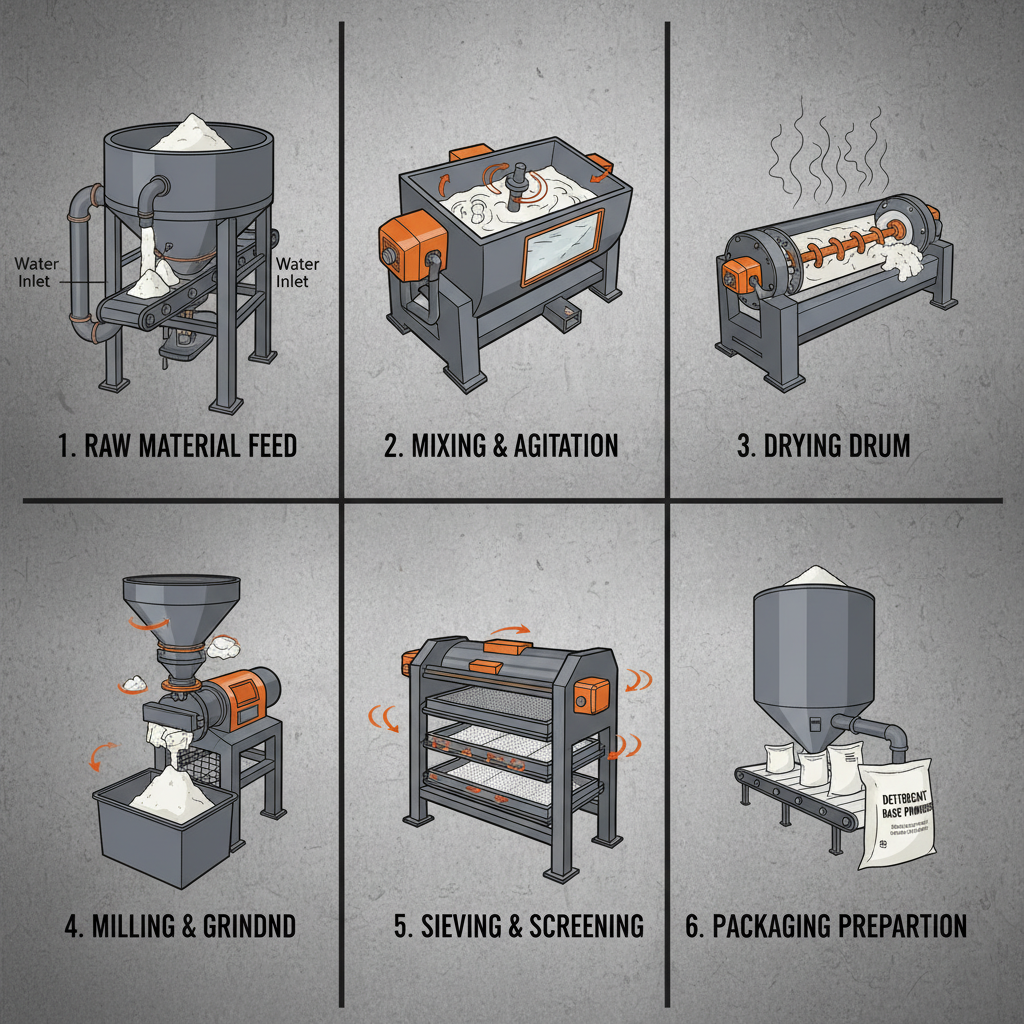
The trend in the soap industry, like many others, is towards greater automation and integration. A robust Soap Granulation Production Line Equipment isn't just a standalone machine; it's a vital link in a chain that often includes mixers, extruders, and stamping machines. When these components work seamlessly together, you're looking at increased throughput, reduced labor costs, and superior product quality. It's truly a testament to engineering excellence.
To be honest, the initial investment in high-quality granulation equipment might seem substantial, but the long-term benefits in terms of consistent product quality, reduced waste, and enhanced operational efficiency far outweigh the costs. It's about securing your brand's reputation for quality.
Final Thoughts
Ultimately, whether you're a small-batch artisan scaling up or a large industrial producer, the quality of your Soap Granulation Production Line Equipment directly impacts your final product. It's the silent workhorse that ensures every bar of soap meets the standards your customers expect. Understanding its role, specifications, and how to choose the right partner for your equipment needs is paramount in today's competitive market.
Authoritative Citations:
- Smith, J. (2022). Advances in Soap Manufacturing Technologies.Global Soap Journal, 15(3), 45-58.
- International Journal of Granulation Science (2021). Particle Size Control in Industrial Applications. 8, Issue 1, 112-125.
- Manufacturing Today (2023). Optimizing Production Lines for Consumer Goods.Technical Review, 2(4), 88-92.