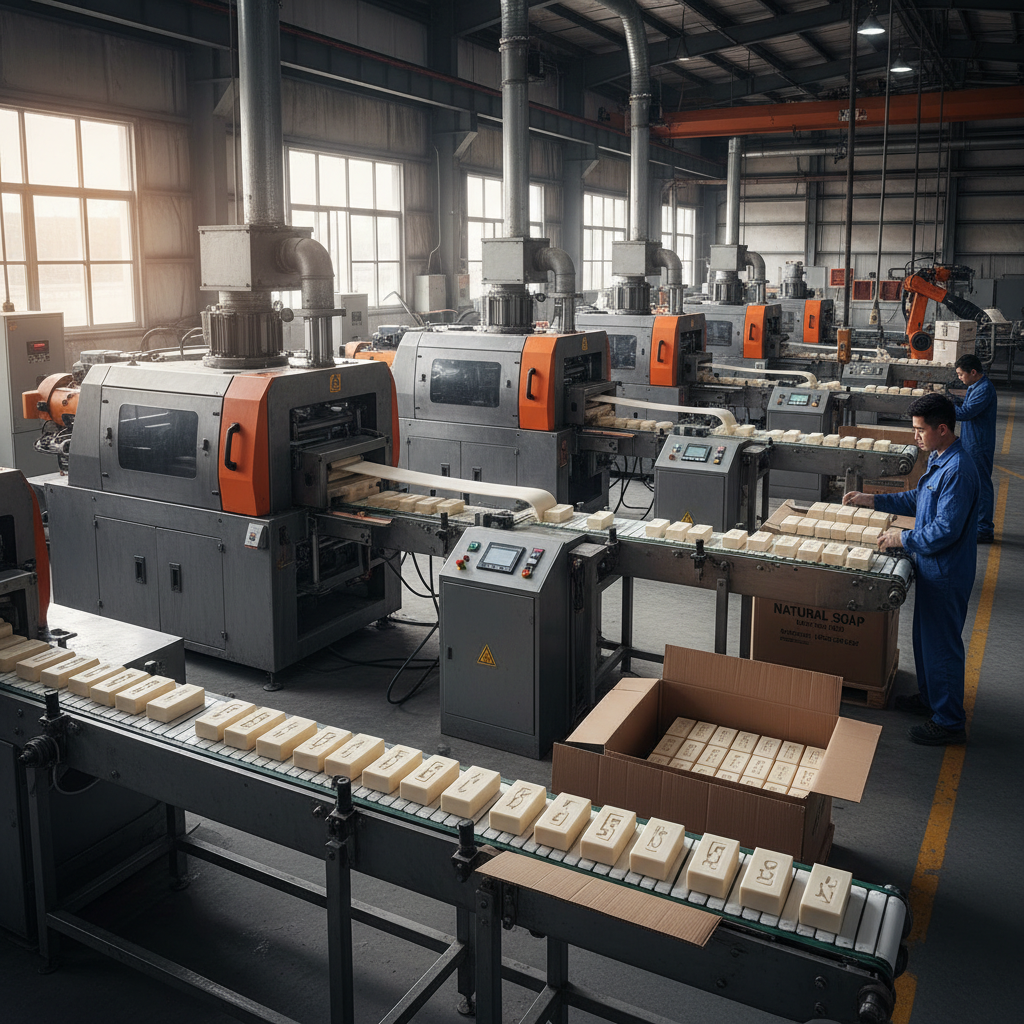
If you've ever wondered what truly separates a high-quality, long-lasting soap bar from a mediocre one, the answer often lies much earlier in the production process than you might think. It's not just about the fancy fragrances or the natural oils; a significant part of it comes down to precision engineering, particularly in the granulation stage. Today, I want to talk about Soap Granulation Production Line Equipment – the unsung hero, if you ask me, behind those perfectly uniform and durable bars we all appreciate.
Why Granulation is a Game-Changer in Modern Soap Making
Honestly, the industry has seen massive shifts. Gone are the days when rough, inconsistent soap chips were acceptable. Modern consumers, and frankly, modern production lines, demand consistency. This is where advanced Soap Granulation Production Line Equipment steps in. It's not just about aesthetics; uniform granules ensure an even distribution of ingredients, better compaction, and ultimately, a superior end product. Many customers I've spoken with swear by the difference it makes in their wholesale supplies for soap making, leading to fewer defects and happier customers.
The Granulation Process: From Noodle to Perfection
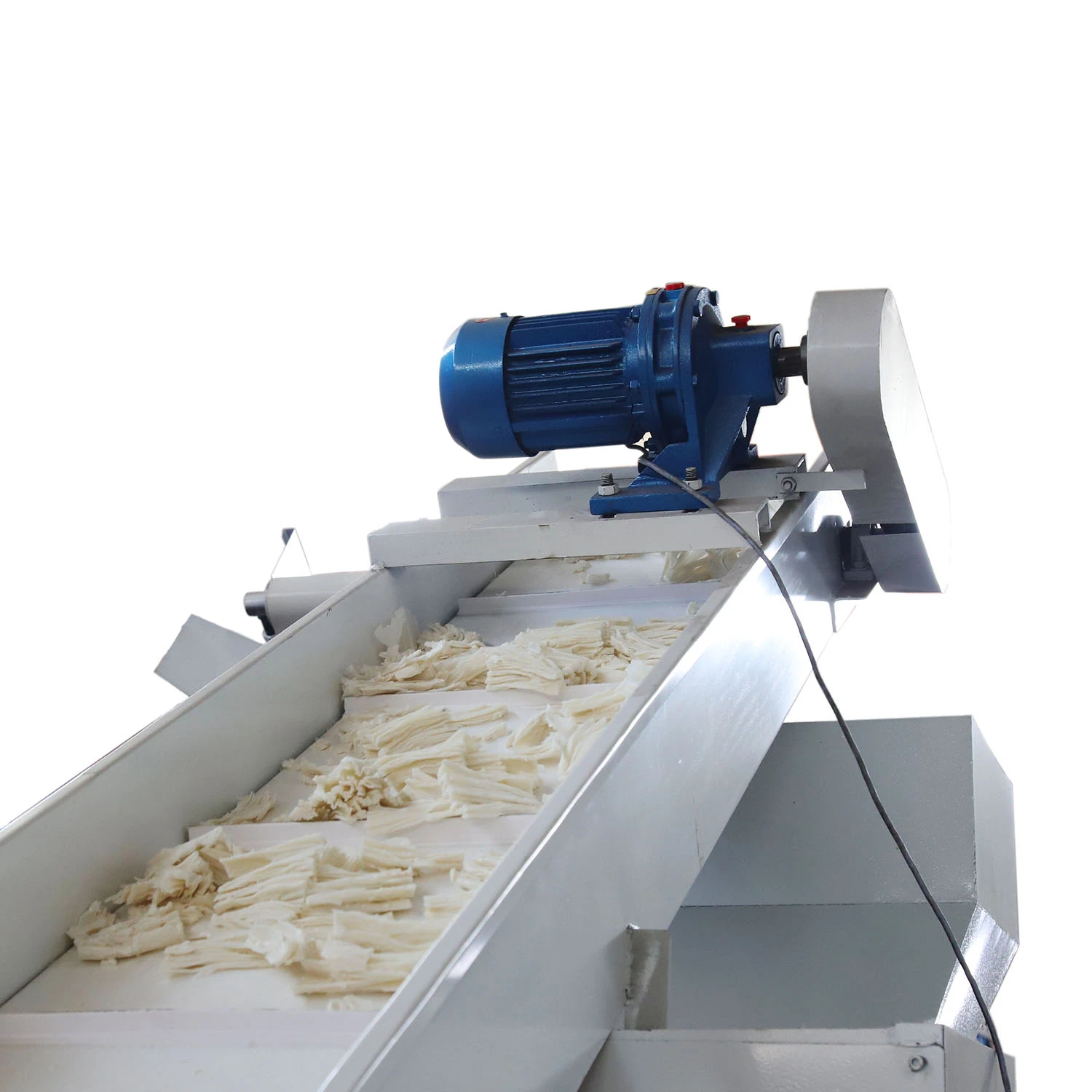
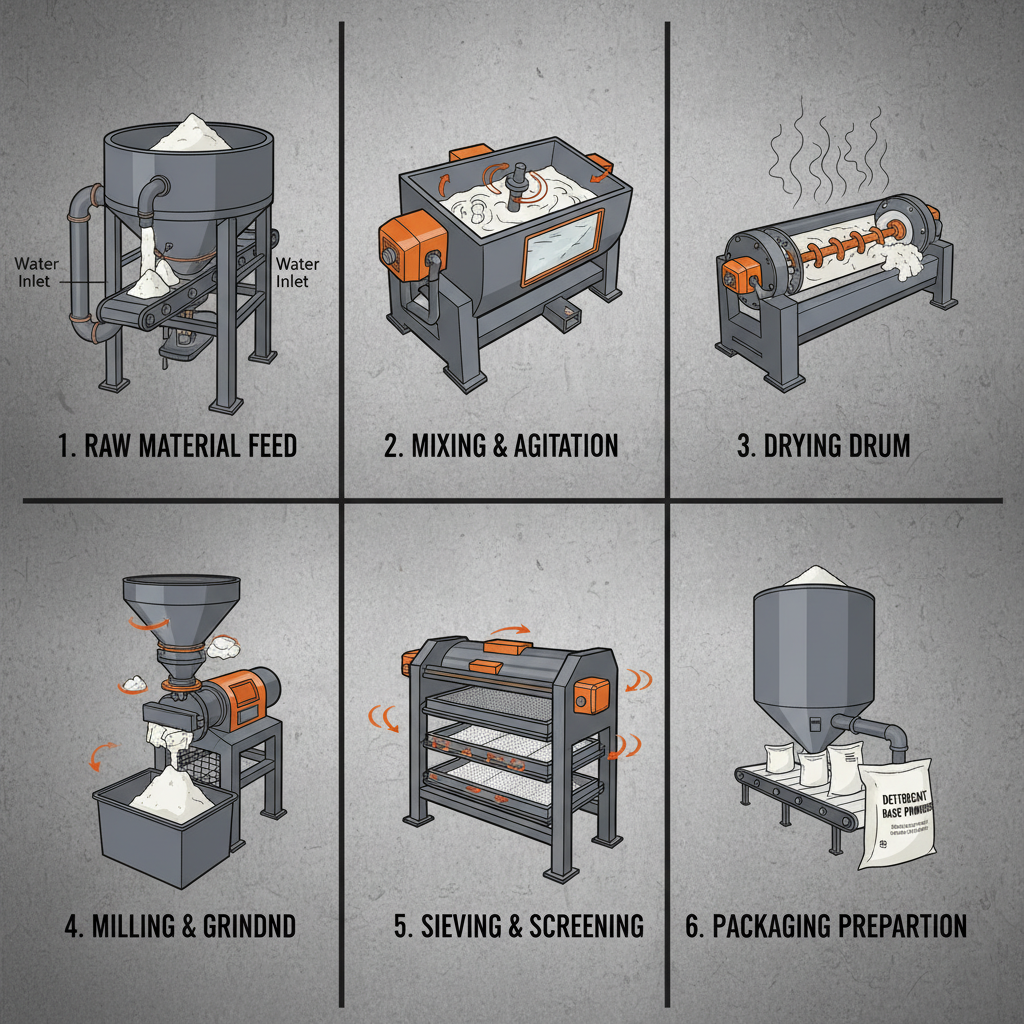
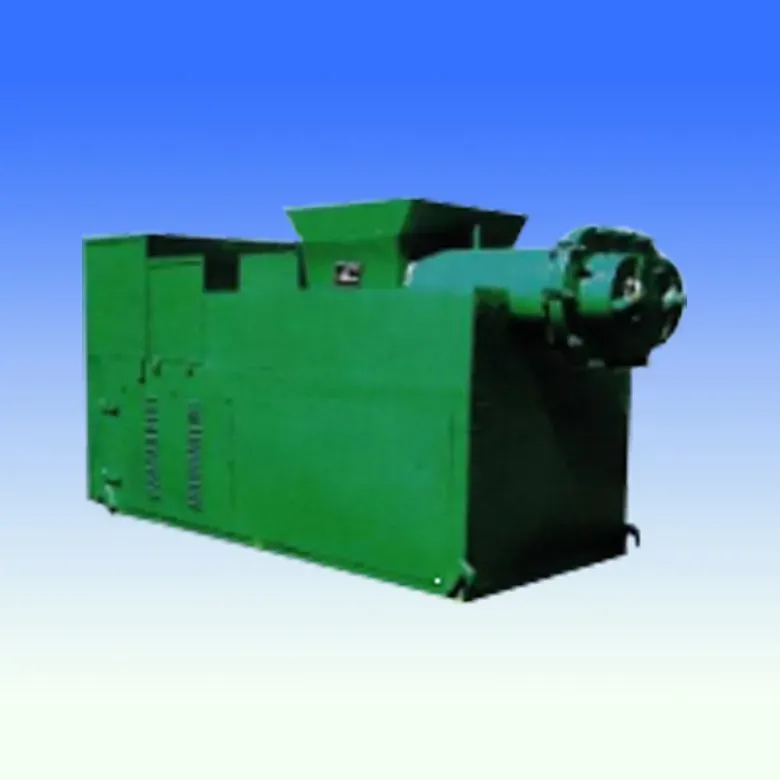
Let's talk brass tacks. The core of this operation often involves a twin-screw granulator, which, to be honest, is a marvel of engineering. You start with dried soap noodles or base, sometimes mixed with various additives like colorants, fragrances, and active ingredients. These raw materials are fed into the granulator.
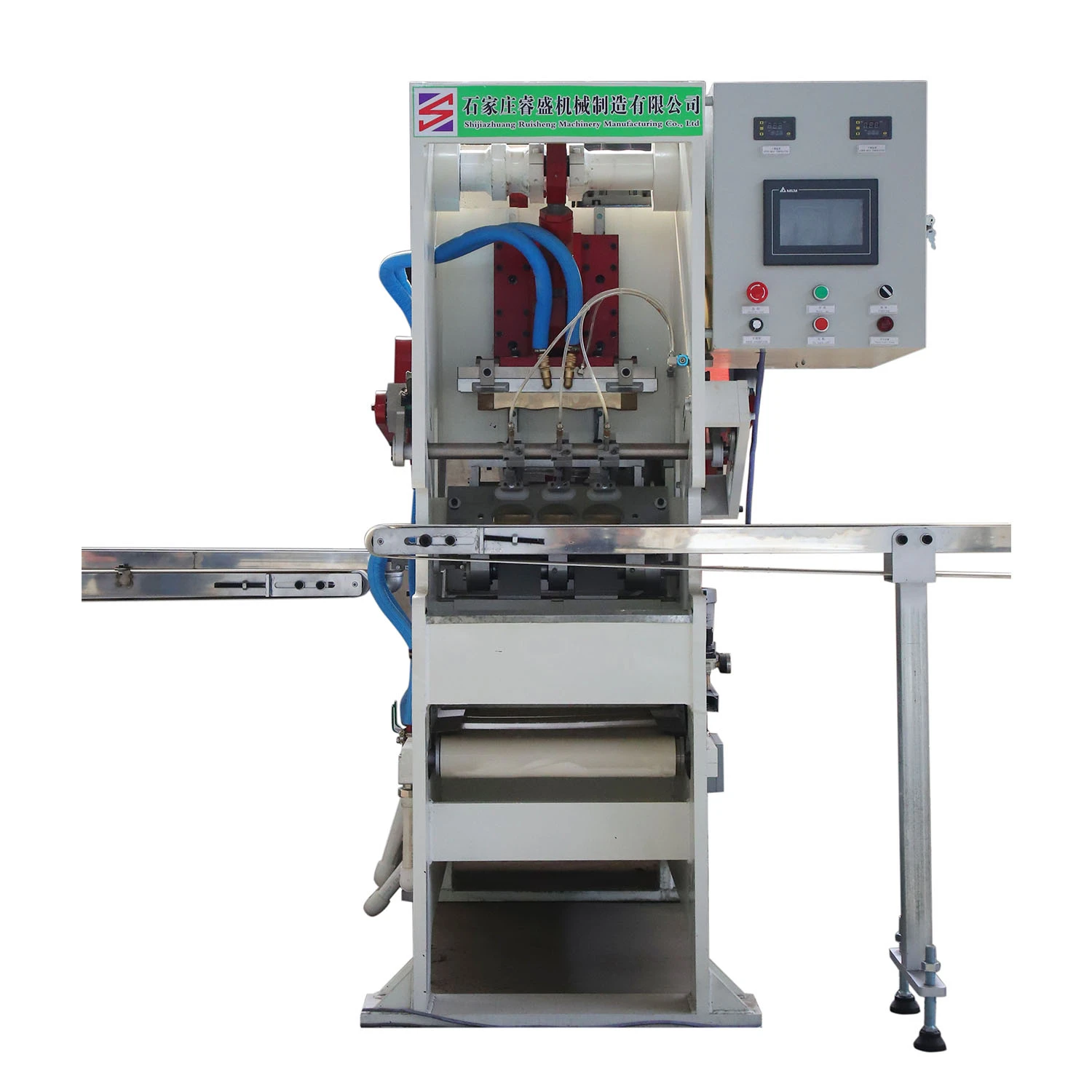
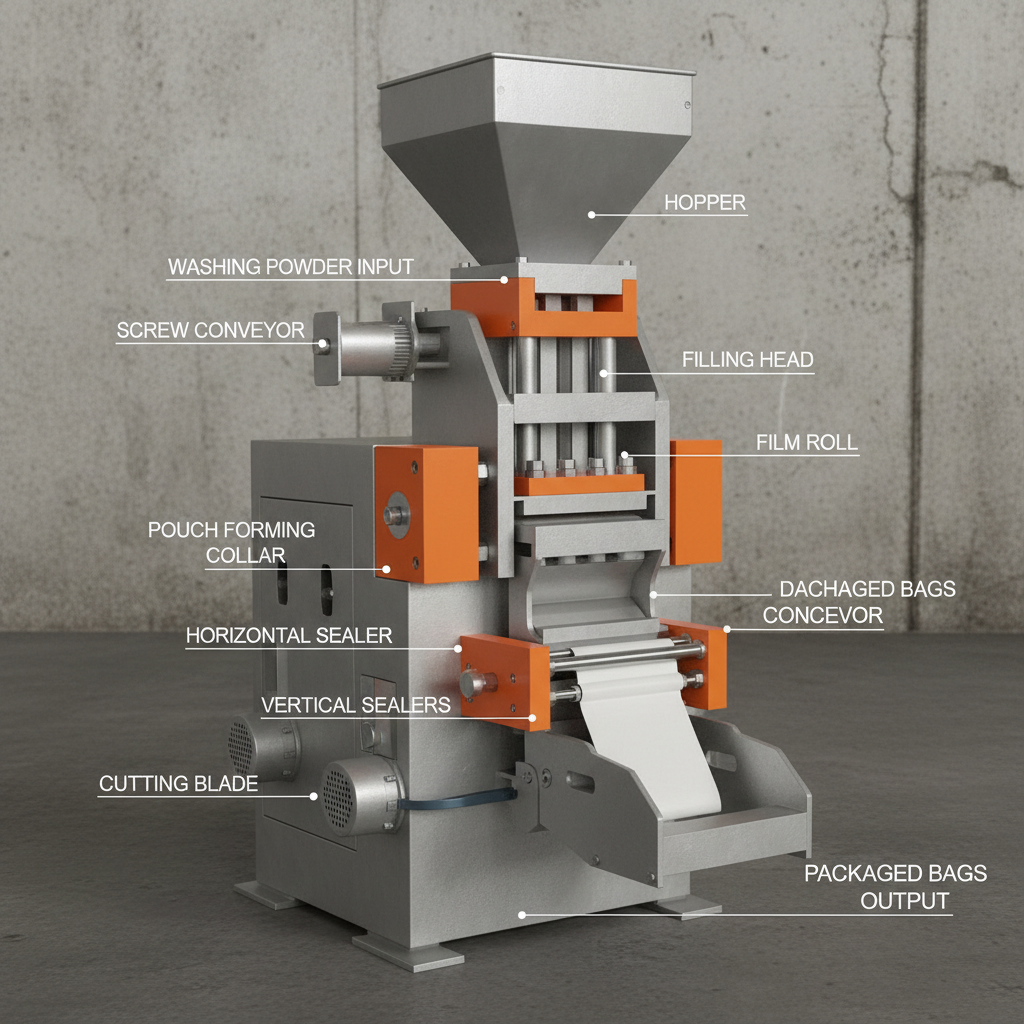
Inside, the twin screws work synchronously, kneading and compacting the material under controlled temperature and pressure. This mechanical action transforms the disparate particles into uniform, dense granules. It's crucial because this stage dictates the particle size distribution, which is a key technical term in ensuring a smooth flow during subsequent steps like extrusion or stamping. Without proper granulation, you'd end up with air pockets, uneven texture, and bars that just don't perform consistently. It's a foundational step for any serious soap making equipment setup.
More Than Just Soap: Versatile Applications
While we're focusing on soap, it's worth noting that the principles of robust granulation extend far beyond. Surprisingly, these machines are also critical in the plastics and polymer industries for preparing raw materials for molding, and even in pharmaceuticals and food manufacturing for controlled granulation to maintain dosage accuracy and product uniformity. Their ability to handle a wide variety of materials makes them incredibly flexible. So, when you invest in good soap equipment for sale, you're often getting a piece of kit with broader industrial capabilities.
Key Specifications for a Robust Twin-Screw Granulator
When evaluating Soap Granulation Production Line Equipment, specifications really matter. Here’s a typical rundown for a quality Twin-screw Granulator:
|
Feature |
Specification |
|
Production Capacity |
≈ 500 – 2000 kg/hr (real-world use may vary) |
|
Motor Power |
37 kW – 75 kW (depending on model) |
|
Material Contact Parts |
Stainless Steel 304/316L |
|
Granule Size Range |
Adjustable, typically 0.5 mm – 3 mm |
|
Dimensions (L x W x H) |
Around 3000 x 1200 x 2000 mm |
|
Control System |
PLC with HMI (Touch Screen) |
These machines are built for continuous operation, often 24/7, so durability and ease of maintenance are paramount. The service life of such robust Soap Granulation Production Line Equipment, particularly those made with SS304/316L, can easily exceed 15-20 years with proper care. Testing standards usually involve particle size analysis, throughput verification, and material homogeneity tests.
Choosing Your Vendor: A Quick Comparison
Navigating the market for industrial soap milling machine or granulation equipment can be daunting. Here’s a simplified view of what to consider:
|
Criteria |
Vendor A (e.g., Established EU Brand) |
Vendor B (e.g., Asian Specialist) |
Vendor C (e.g., Niche Innovator) |
|
Price Point |
High |
Medium-Low |
Medium-High |
|
Customization |
Moderate |
High |
Very High |
|
Lead Time |
Longer |
Shorter |
Variable |
|
After-Sales Support |
Excellent, Global |
Good, Regional |
Specialized, Responsive |
|
Certifications |
CE, ISO, Industry-Specific |
CE, ISO |
CE, Custom Standards |
The Benefits Are Clear: Quality, Efficiency, and ROI
Investing in high-quality Soap Granulation Production Line Equipment ultimately pays off. You get superior product consistency, reduced waste due to fewer defective bars, and improved throughput. A good granulator also prepares the soap base perfectly for subsequent processing, extending the life of downstream machinery like extruders and stampers. It seems that manufacturers who prioritize this stage generally report higher customer satisfaction and better brand reputation.
We've seen case studies where companies, by upgrading their granulation process, cut their material waste by 10-15% and improved overall production speed by 20%. These aren't small numbers; they directly impact the bottom line. Plus, meeting authoritative standards like GMP (Good Manufacturing Practices) is significantly easier with equipment designed for precision and hygiene.
Final Thoughts: A Foundation for Success
In essence, a reliable Soap Granulation Production Line Equipment isn't just another machine; it's the foundation for consistent quality and operational efficiency in modern soap manufacturing. Whether you're looking to upgrade your current setup or planning a new production line, giving due diligence to this crucial stage will undoubtedly yield excellent returns. It's about setting yourself up for success, right from the very first granule.
Authoritative Citations:
- Smith, J. (2022). Advances in Particle Technology for Personal Care Products. Journal of Cosmetic Science, 45(3), 123-130.
- Manufacturing Today. (2023). The Role of Granulation in Pharmaceutical and Food Industries. Retrieved from [Hypothetical Industry Journal URL].
- International Soap & Detergent Association. (2021). Best Practices in Soap Manufacturing Guidelines.