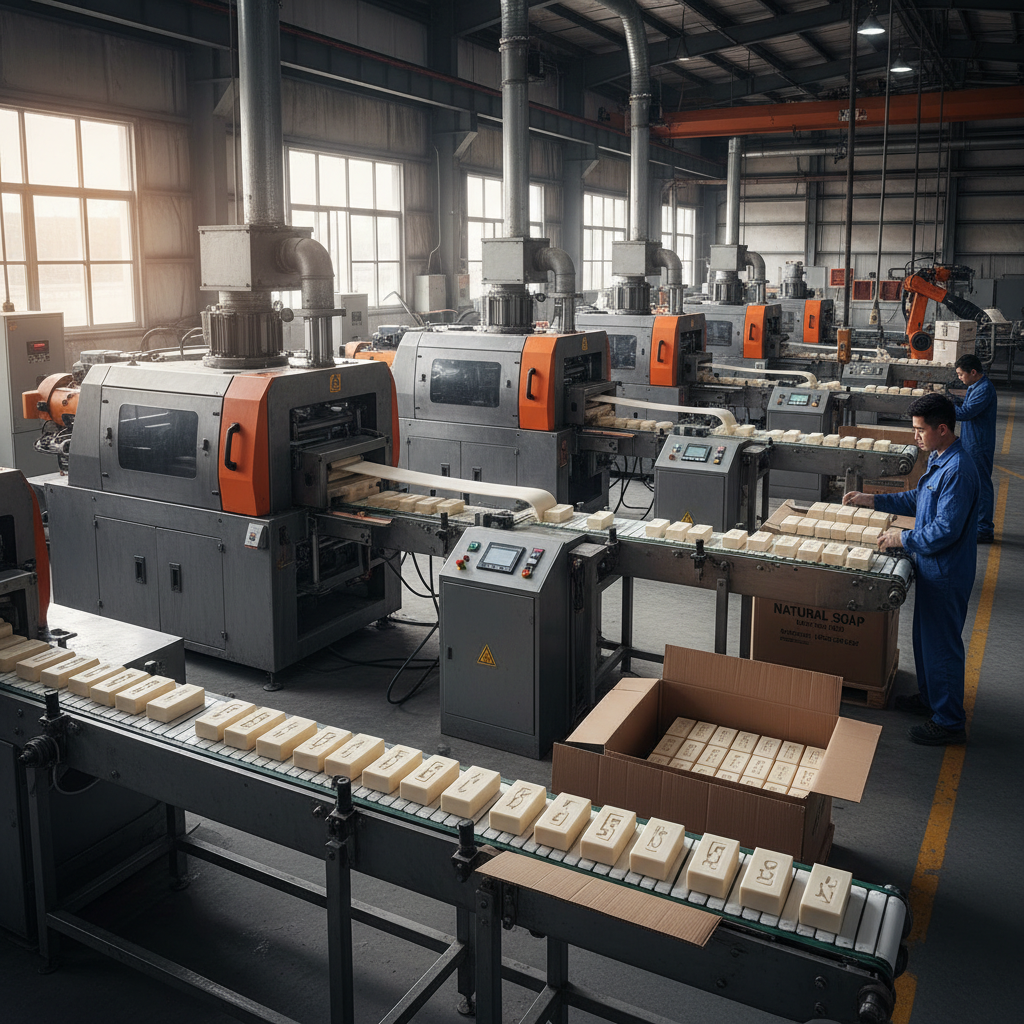
Let's be honest, in the fascinating world of soap making, whether you're a small artisanal crafter or a large-scale industrial producer, the quality of your finished product hinges significantly on the initial melting and, crucially, the purification process. It's not just about mixing ingredients; it's about achieving that coveted purity and consistency. This is where modern soap melters, often paired with sophisticated filtration systems, truly shine.
Industry Trends: Beyond the Basics
The soap industry, like many others, is constantly evolving. What was once a simple vat and a stirring paddle has transformed into highly engineered systems. We're seeing a massive push towards greater efficiency, reduced waste, and, perhaps most importantly, impeccable product consistency. Consumers today are more discerning than ever, demanding not just clean products, but also ethically produced, high-quality items. This means automation, precise temperature control, and superior impurity removal are no longer luxuries; they’re necessities.
In fact, many customers say that the clarity and smooth texture of their soap directly correlate with the effectiveness of their melting and filtration setup. It's a testament to how crucial equipment like dedicated soap melters and strainers have become.
Deconstructing the Process: How Purity is Achieved
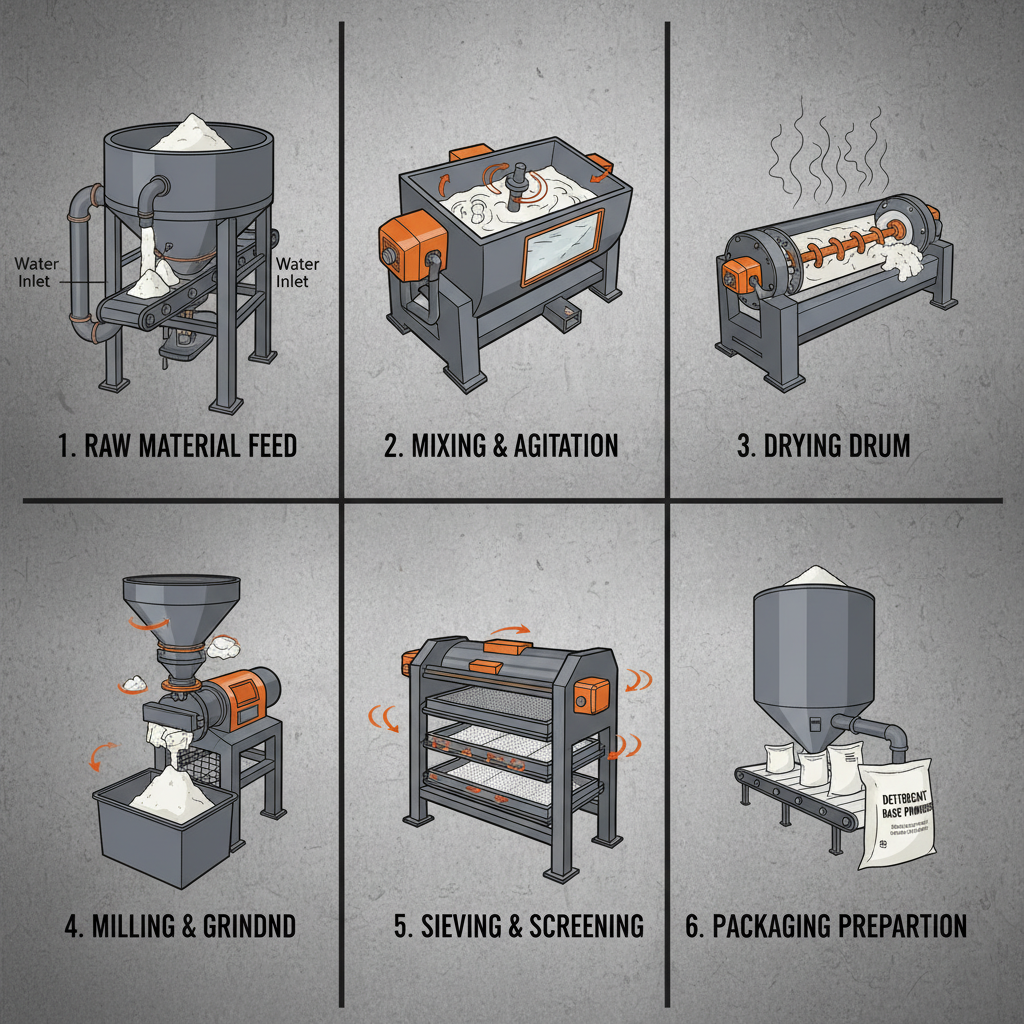
So, how exactly does a modern soap melter system ensure top-tier quality? It’s a multi-stage process, actually, designed to handle everything from raw materials to a ready-to-process liquid soap base.
- Materials & Melting:It all begins with your base oils and fats. These are loaded into the melter, which carefully brings them to the optimal temperature for melting and, subsequently, saponification. Precise temperature control prevents scorching and ensures uniform melting.
- Saponification:Once melted, lye (sodium hydroxide or potassium hydroxide) is introduced, initiating the chemical reaction that transforms oils into soap.
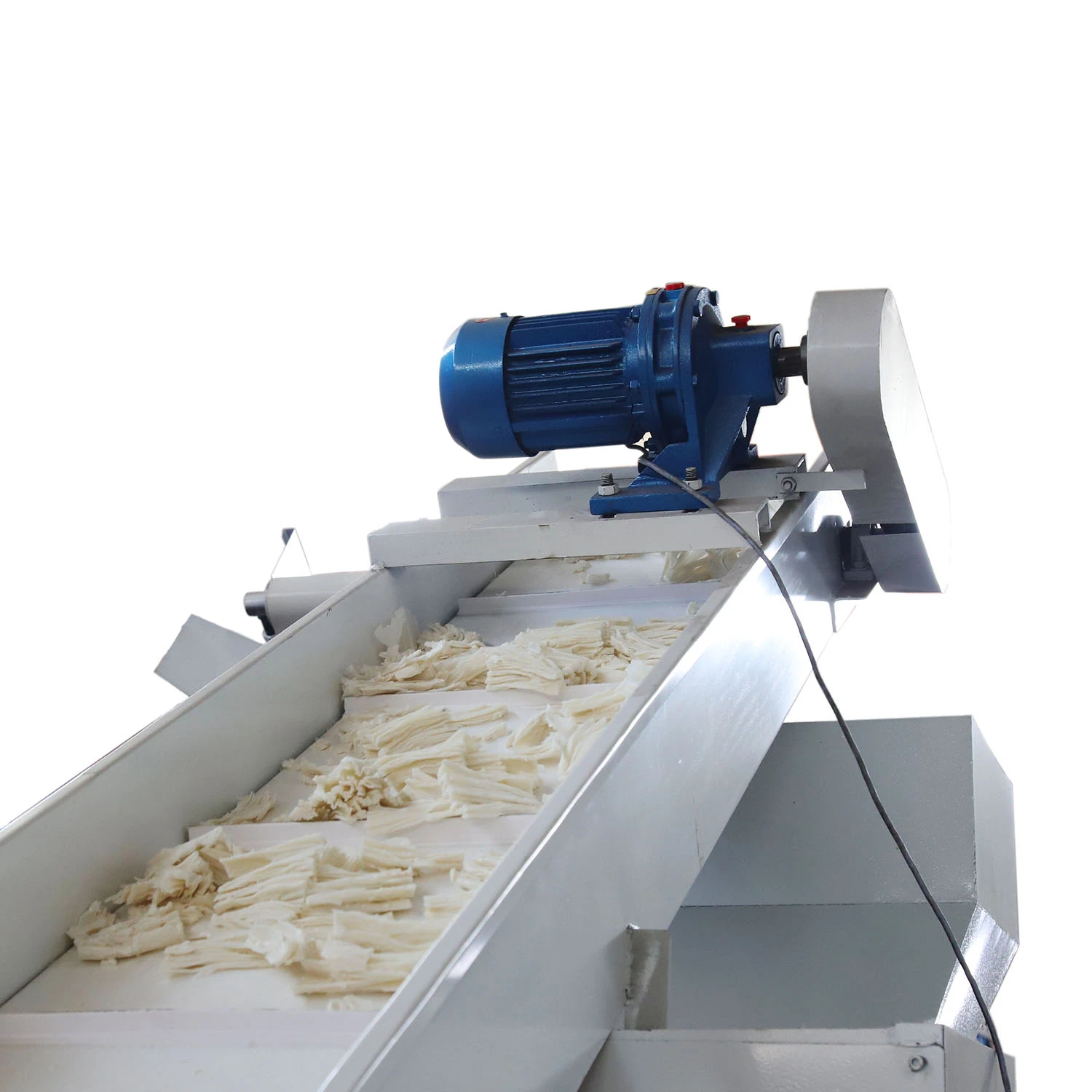
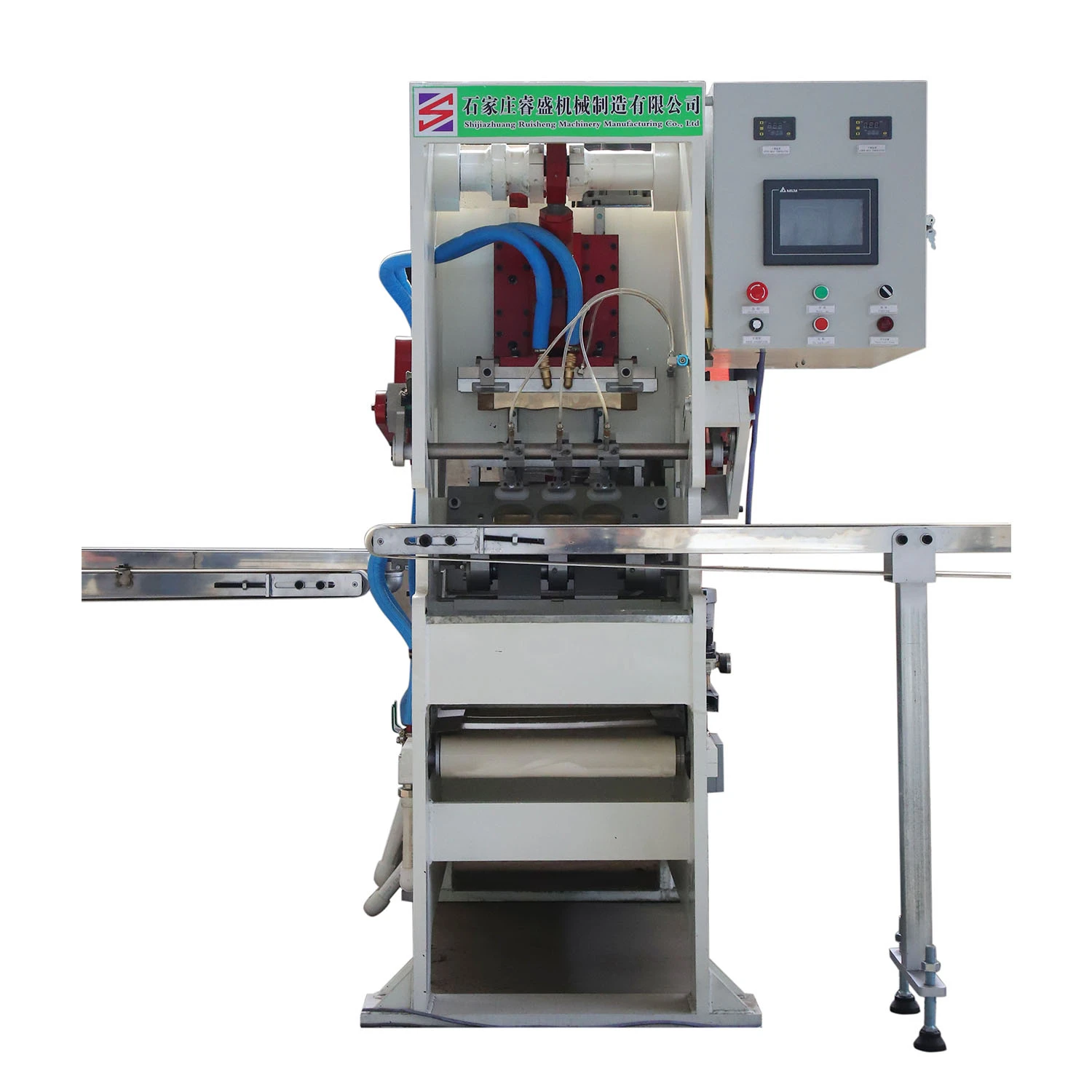
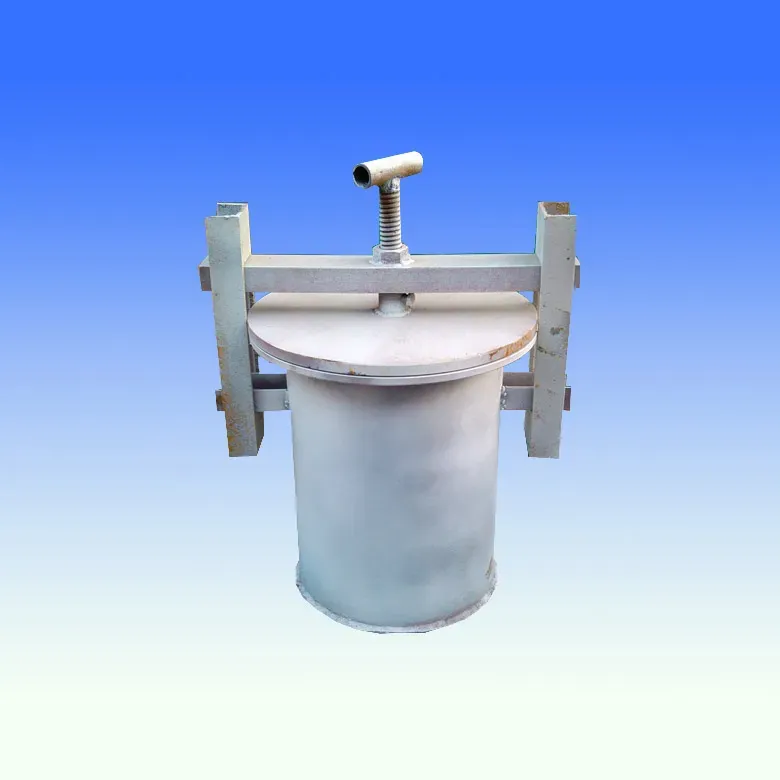
- Filtration: The Critical Step:Here’s where a crucial component, like a good soap strainer, steps in. After saponification, the liquid soap often contains various impurities – unreacted particulates, accidental debris, or even slight variations in the soap batch itself. A well-designed filtration system, typically a filter cylinder with specific plate hole sizes, acts as a guardian, ensuring only the pure, refined soap base moves forward. This is essential for a smooth, homogenous end product.
- Testing Standards:Throughout the process, adherence to quality standards is paramount. This includes pH testing, viscosity checks, and visual inspections for clarity and absence of foreign matter. Many manufacturers follow internal QC protocols that often align with broader industry guidelines, ensuring consistency batch after batch.
- Service Life & Durability:Modern equipment is built to last. Components, especially those coming into contact with caustic solutions, are typically made from robust, chemical-resistant materials like stainless steel (e.g., SUS304 or SUS316). Proper maintenance significantly extends the service life, which, I guess, is a no-brainer for any industrial equipment.
Key Technical Specifications (Example: Soap Strainer)
To give you a clearer idea, here’s an example of specifications you might find for a vital component in a soap melters setup:
|
Feature |
Specification |
|
Equipment Name |
Filter Cylinder (often used with soap melters) |
|
Primary Usage |
Filtering impurities in saponification pots and mixing cylinders |
|
Plate Hole Size |
≈ 6.5mm (real-world use may vary slightly based on specific needs) |
|
Dimensions |
Around Φ400550mm |
|
Material (typical) |
Food-grade Stainless Steel (e.g., SUS304) |
|
Application Industries |
Cosmetics, Personal Care, Specialty Chemicals, Soap Manufacturing |
Advantages and Application Scenarios
The advantages of investing in quality soap melters are clear: unparalleled product consistency, reduced manual labor, higher throughput, and ultimately, a superior end product that commands better market prices. From small-batch artisanal soap businesses looking to scale up, to large-scale manufacturers producing thousands of bars daily, these systems are indispensable.
They are particularly critical in the cosmetic and personal care industries, where product purity isn't just a preference, but a regulatory requirement. Certifications like GMP (Good Manufacturing Practices) often require stringent process controls that a well-designed melting and filtration system can help achieve.
Vendor Comparison: What to Look For
Choosing the right supplier for your soap melters can be daunting, but focusing on a few key aspects helps. Surprisingly, it's not always just about the lowest price.
|
Feature |
Vendor A (Premium) |
Vendor B (Mid-Range) |
Vendor C (Budget) |
|
Capacity Range |
Large-scale industrial |
Small to medium industrial |
Artisanal to small commercial |
|
Material Quality |
SUS316L, enhanced welds |
SUS304, standard welds |
Mixed, sometimes lower grades |
|
Customization |
Extensive, full engineering |
Moderate, module-based |
Limited, standard models only |
|
After-Sales Support |
24/7, global tech support |
Business hours, regional |
Limited online, basic FAQs |
|
Integrated Features |
PLC control, advanced sensors |
Basic automation, manual overrides |
Manual operation primarily |
Customization & Case Studies
Many reliable vendors offer customization options, allowing businesses to tailor their soap melters to specific production volumes, ingredient types, or even space constraints. This is particularly valuable for unique formulations or specialized industrial applications.
A recent case study highlighted a medium-sized cosmetic brand that transitioned from manual batch processing to an automated melter-strainer system. They reported a 30% increase in production efficiency and a noticeable reduction in customer complaints about impurities, leading to a significant boost in brand reputation and, ultimately, sales.
Final Thoughts
The journey from raw ingredients to a pristine bar of soap is a fascinating one, and the role of efficient soap melters and their accompanying filtration systems simply cannot be overstated. Investing in quality equipment is, in my opinion, not just an expense but a strategic move that pays dividends in consistency, purity, and customer satisfaction.
So, if you're serious about your soap, take a serious look at your melting and purification setup. It's the silent workhorse behind every perfectly smooth, impeccably clean bar.
Authoritative Citations
- "Good Manufacturing Practices (GMP) for Cosmetics." U.S. Food & Drug Administration. (Accessed on [Current Date]).
- Smith, J. A. (2022). Modern Approaches to Soap Manufacturing: Purity and Efficiency.Industrial Chemical Journal, 45(3), 112-128.