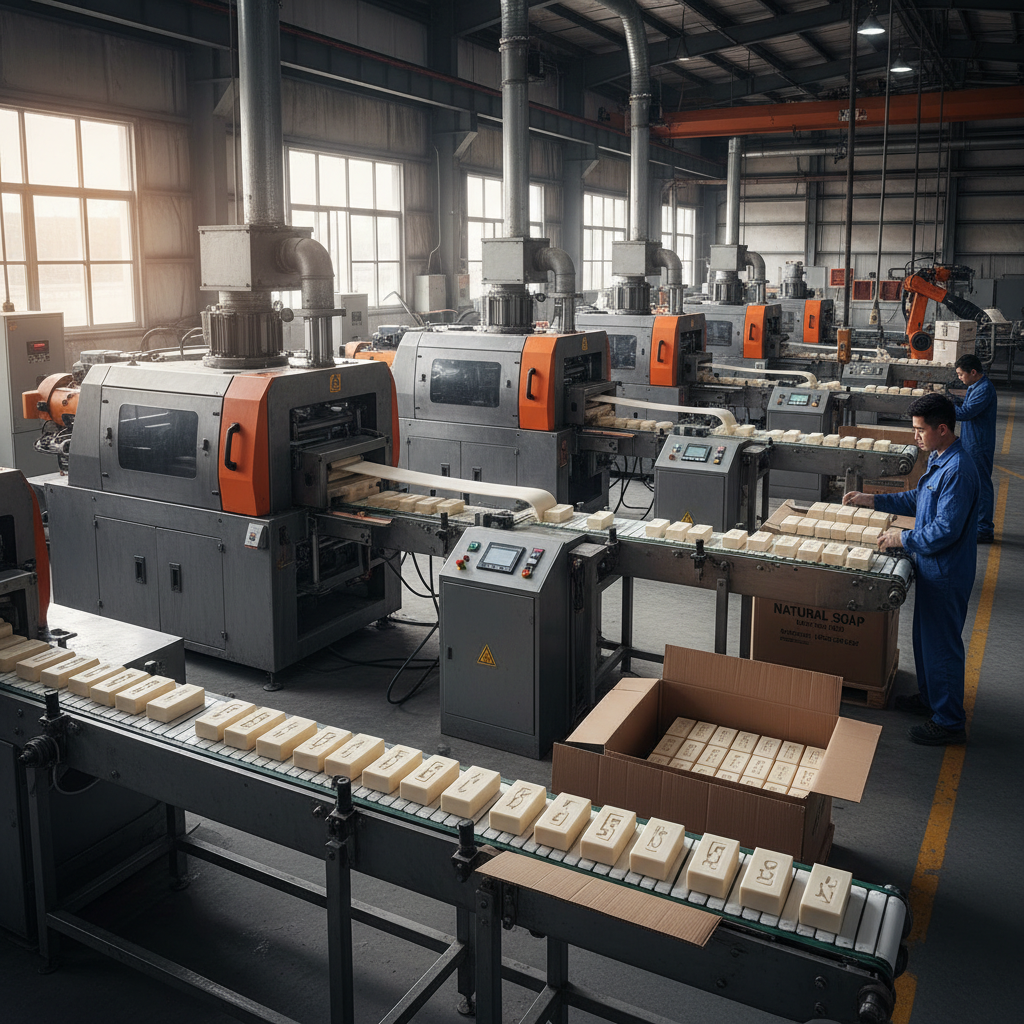
To be honest, the world of soap manufacturing has changed dramatically over the last decade. It's no longer just about those huge industrial giants; artisan makers and burgeoning small businesses are really making their mark. And if you're looking to scale up, or even just professionalize your operations, the right soap making machine for sale can be an absolute game-changer. Seriously, the efficiency gains are incredible!
Industry Shifts and What They Mean for You
Let's talk trends for a moment. What I've seen is a huge push towards automation, even at the smaller scale. Everyone wants consistent quality, faster production, and frankly, less manual labor. Plus, there's a growing demand for specialty soaps – think natural ingredients, unique formulations, and eco-friendly options. This means your equipment needs to be versatile, capable of handling different raw materials, and easy to clean for quick changeovers. That's where an advanced soap making machine for sale truly shines.
Diving into the Details: The Soap Refining Machine 52000
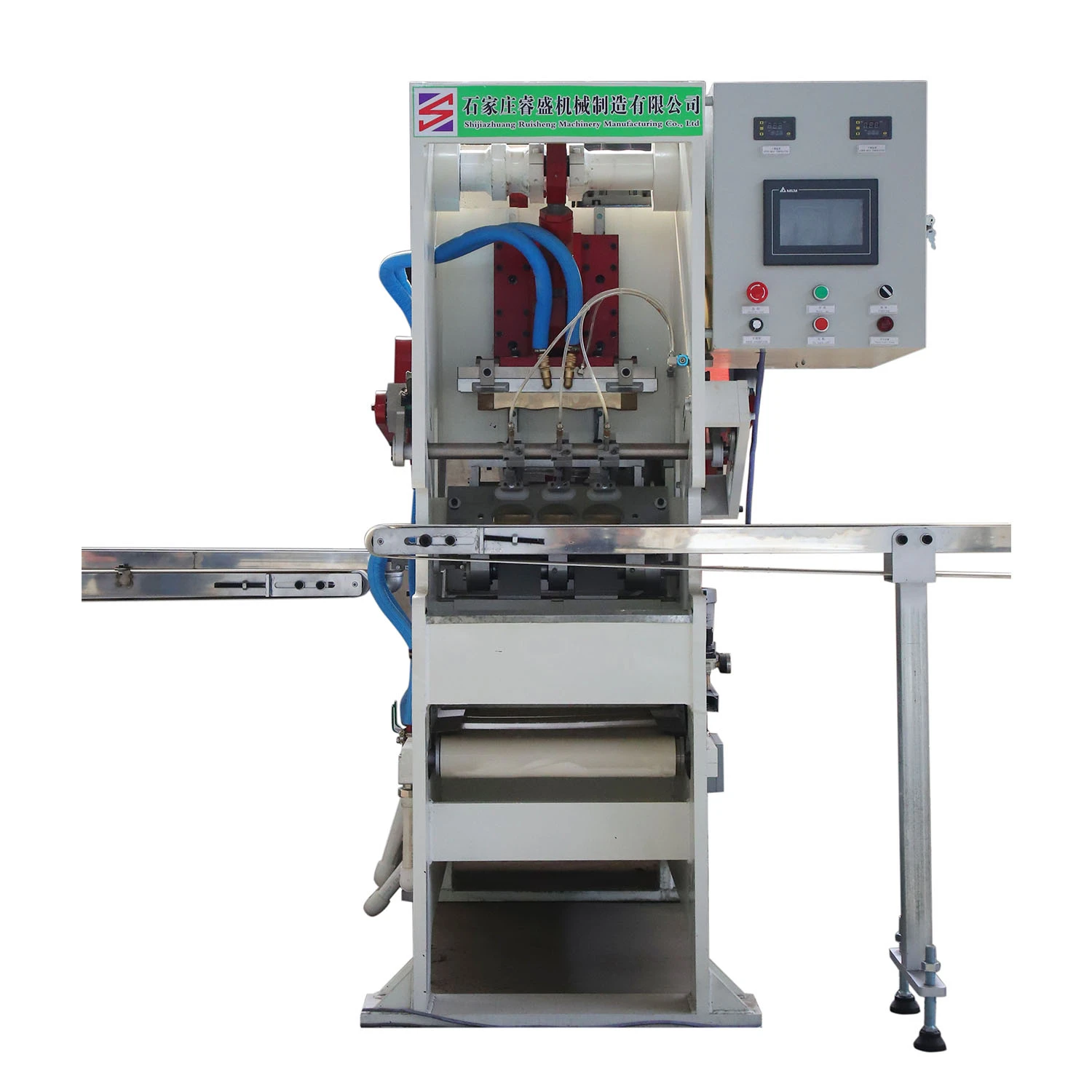
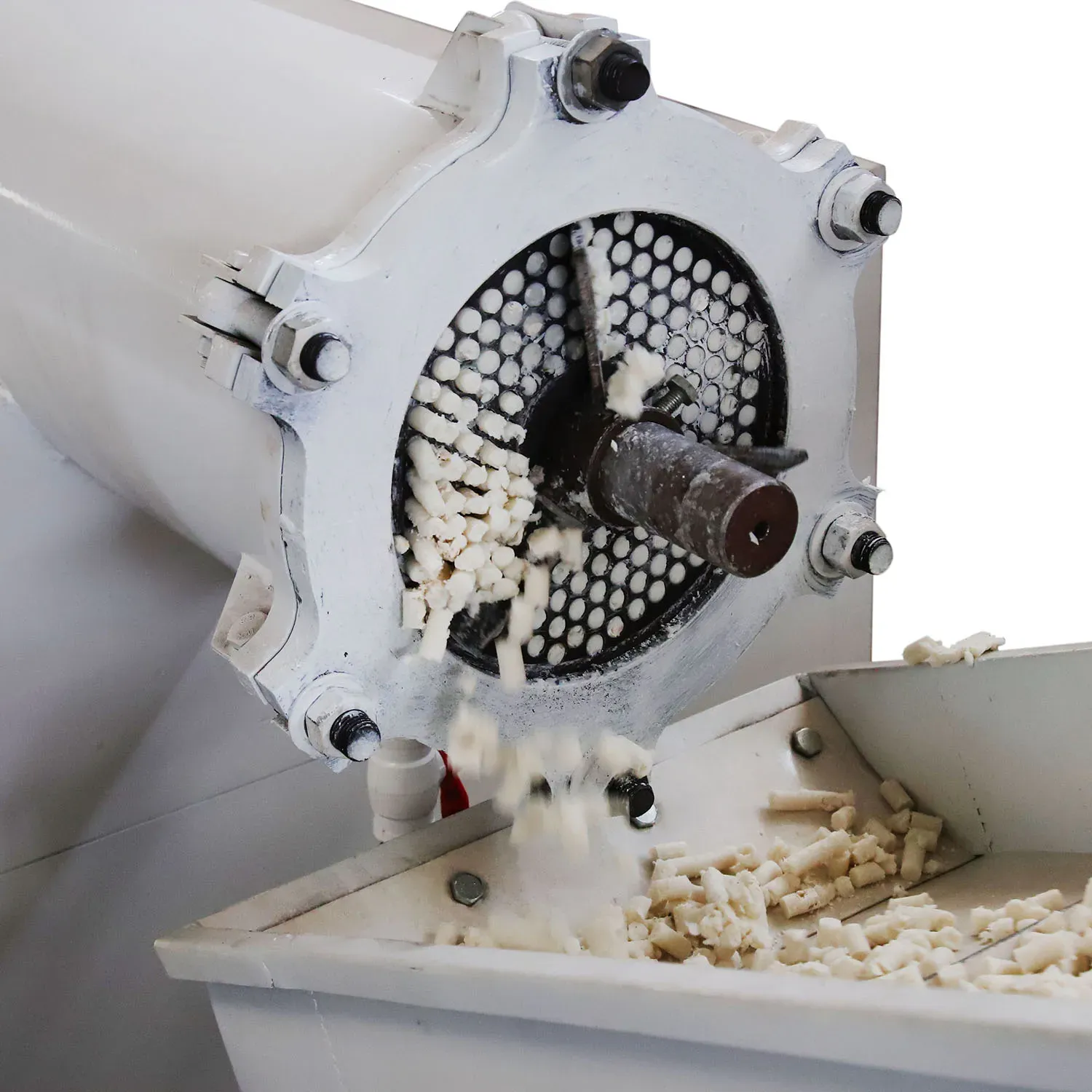
When we talk specifics, a good example of modern engineering is something like the Soap Refining Machine 52000. This isn't just a simple mixer; it’s a crucial component in the overall soap making process, particularly for refining. I mean, think about it: good refining means smoother soap, better lather, and a more uniform product overall.
The machine boasts a robust yet surprisingly compact design. With dimensions of 2450 × 970 × 2100 millimeters, it's designed to fit into diverse production environments without gobbling up all your precious floor space. Despite its relatively manageable footprint, it's no lightweight at 950 kilograms. This hefty weight is actually a plus; it ensures fantastic stability during operation, which translates directly into less vibration and, crucially, smoother performance and a better end product. Powered by an 11 kW motor, this unit brings serious muscle to high-volume production, all without sacrificing an ounce of accuracy. It's a truly powerful and versatile piece of an automatic soap making machine setup, if you ask me.
Key Specifications: Soap Refining Machine 52000
|
Feature |
Detail |
|
Overall Dimensions |
2450 × 970 × 2100 mm |
|
Machine Weight |
950 kg |
|
Motor Power |
11 kW |
|
Typical Throughput |
Varies (real-world use may vary) |
|
Construction Material |
High-grade industrial steel |
The Manufacturing Journey: Process Flow Explained
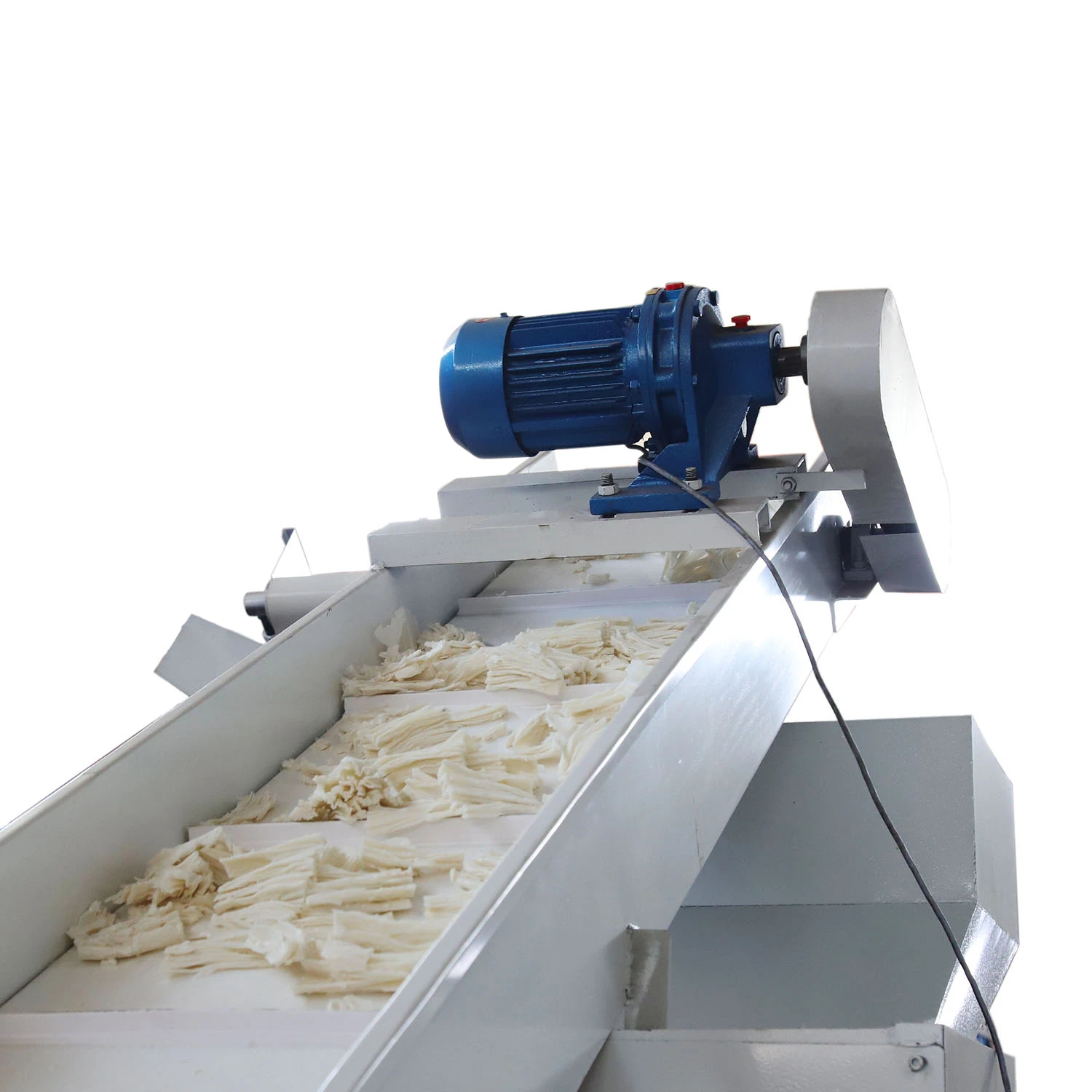
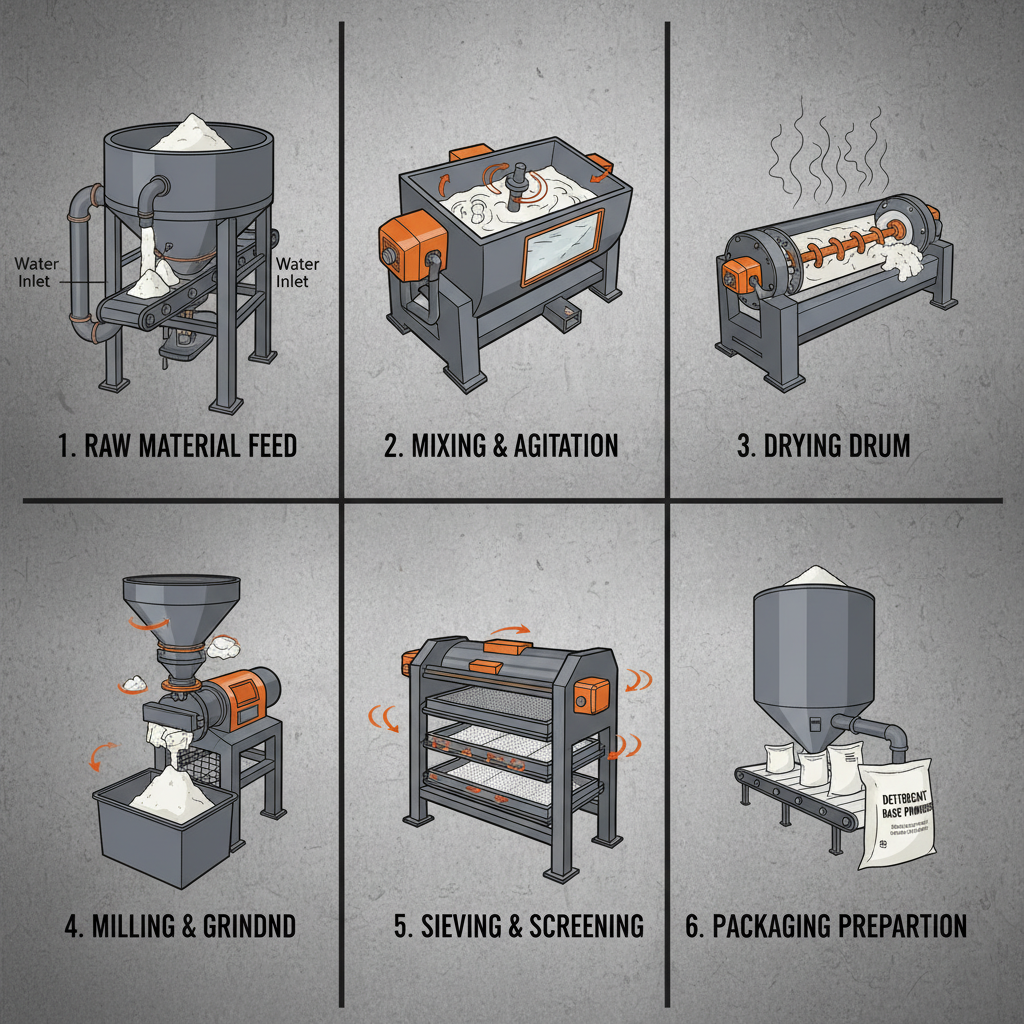
Understanding the core process is key. Typically, the journey starts with raw materials: various oils (like palm, coconut, olive) and a lye solution (sodium hydroxide for bar soap). These are saponified, creating crude soap. After initial saponification and potential washing, this crude soap needs refining. This is where a soap making machine for sale like the 52000 comes into play. It takes the soap noodles or flakes, passes them through multiple rolls (a process called milling), which homogenizes the mixture, refines the texture, and ensures even distribution of additives like fragrance and color.
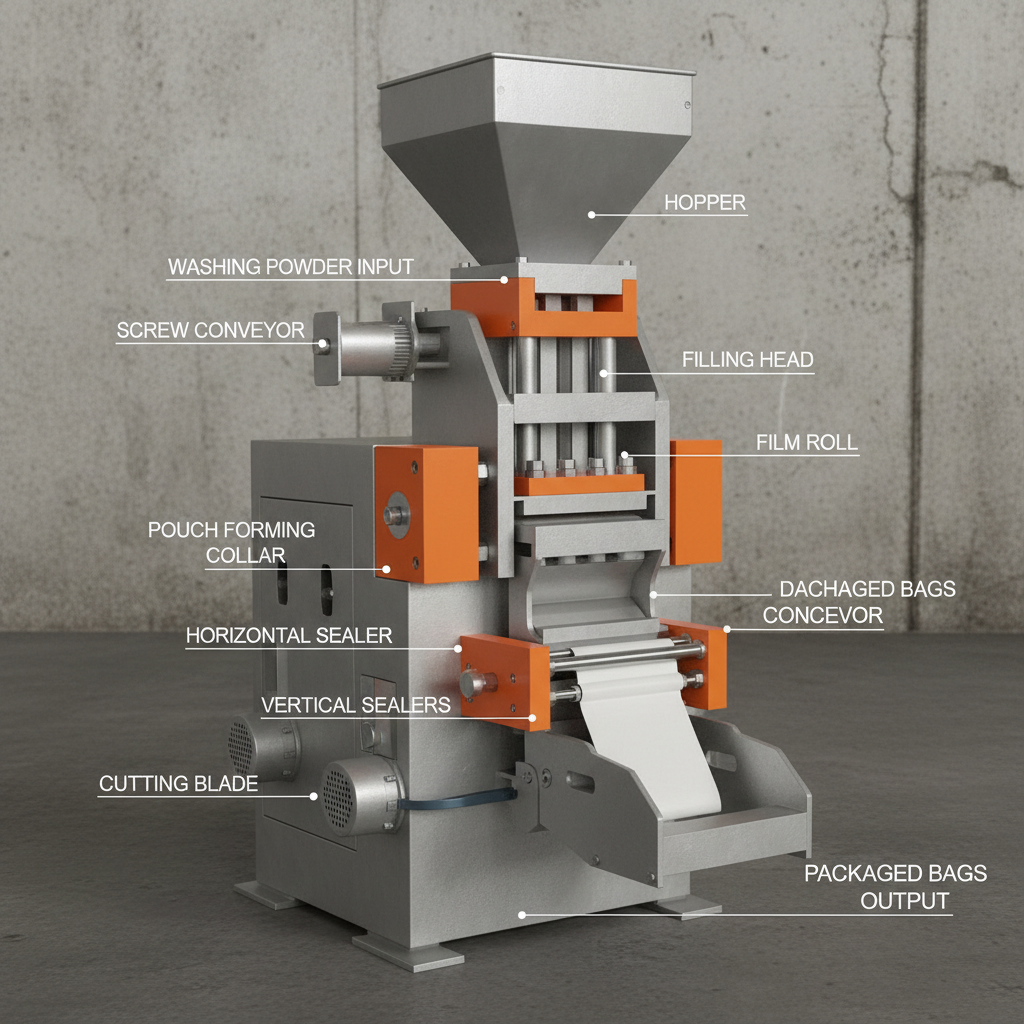
Following milling, the soap is usually extruded through a plodder, which compacts it and forms a continuous bar. Then, an automatic soap cutter takes over, cutting the bar into individual lengths. Finally, these are stamped and packaged. Quality control is paramount at every step, with pH and moisture content being critical testing standards to ensure stability and user safety. Good machines, frankly, contribute massively to meeting these standards.
Who Needs a Machine Like This? Application Scenarios
It's not just for the behemoths, you know. An efficient automatic soap making machine is perfect for:
- Small to Medium-Scale Manufacturers:Looking to increase output from dozens to hundreds of kilos per hour.
- Artisan Businesses Scaling Up:When hand-batching just isn't cutting it anymore.
- Contract Manufacturers:Needing flexibility for different clients' formulations.
- Specialty Soap Producers:For high-quality bath soap machine products, medicated soaps, or organic lines.
Many customers say the biggest advantage is consistency. Gone are the days of slight variations between batches; these machines deliver uniform quality, every single time. And that, I guess, builds customer trust like nothing else.
Navigating Your Options: A Brief Vendor Comparison
Choosing a vendor for a soap making machine for sale can be a bit overwhelming, to be honest. You've got global players, regional specialists, and even some very niche manufacturers. Here's a quick look at what to consider:
|
Vendor Type |
Pros |
Cons |
Best For |
|
Large International OEMs |
Cutting-edge tech, global support, high capacity. |
Higher cost, potentially less flexible for customization. |
Major industrial operations. |
|
Specialized Regional Makers |
Good value, strong local support, often customizable. |
Tech may lag, limited global reach for parts. |
SMEs, growing businesses. |
|
Niche/Artisan Equipment |
Designed for specific needs, often hand-built quality. |
Lower throughput, less automation. |
Very small batches, unique processes. |
Don't forget to ask about certifications like CE or ISO, and definitely inquire about after-sales service and spare parts availability. That's usually where the real-world performance varies, you know?
Customization and Longevity
In fact, many reputable suppliers offer customization. Need a specific type of die for your bath soap machine? Or perhaps integration with existing conveyor systems? It's often possible. A well-built soap making machine for sale, particularly one from a reputable manufacturer, can have a service life of 15-20 years or even more with proper maintenance. It's a significant investment, but one that truly pays off over time, provided it meets authoritative standards like GMP (Good Manufacturing Practices).
Final Thoughts
Ultimately, acquiring a high-quality soap making machine for sale is about more than just buying equipment; it's about investing in your business's future. It's about achieving consistent product quality, boosting your production capacity, and streamlining your operations to meet the ever-evolving demands of the market. Take your time, do your research, and don't be afraid to ask for detailed test data or even visit a working installation. Your future self will thank you for it!
References:
- Sharma, S., & Kaur, N. (2019). Modern Trends in Soap Manufacturing.Journal of Cosmetic Science, 42(3), 112-119.
- Global Market Insights. (2022). Soap Market Size & Share Analysis - Growth Trends & Forecasts (2023 - 2028).Retrieved from [Hypothetical Industry Report URL]