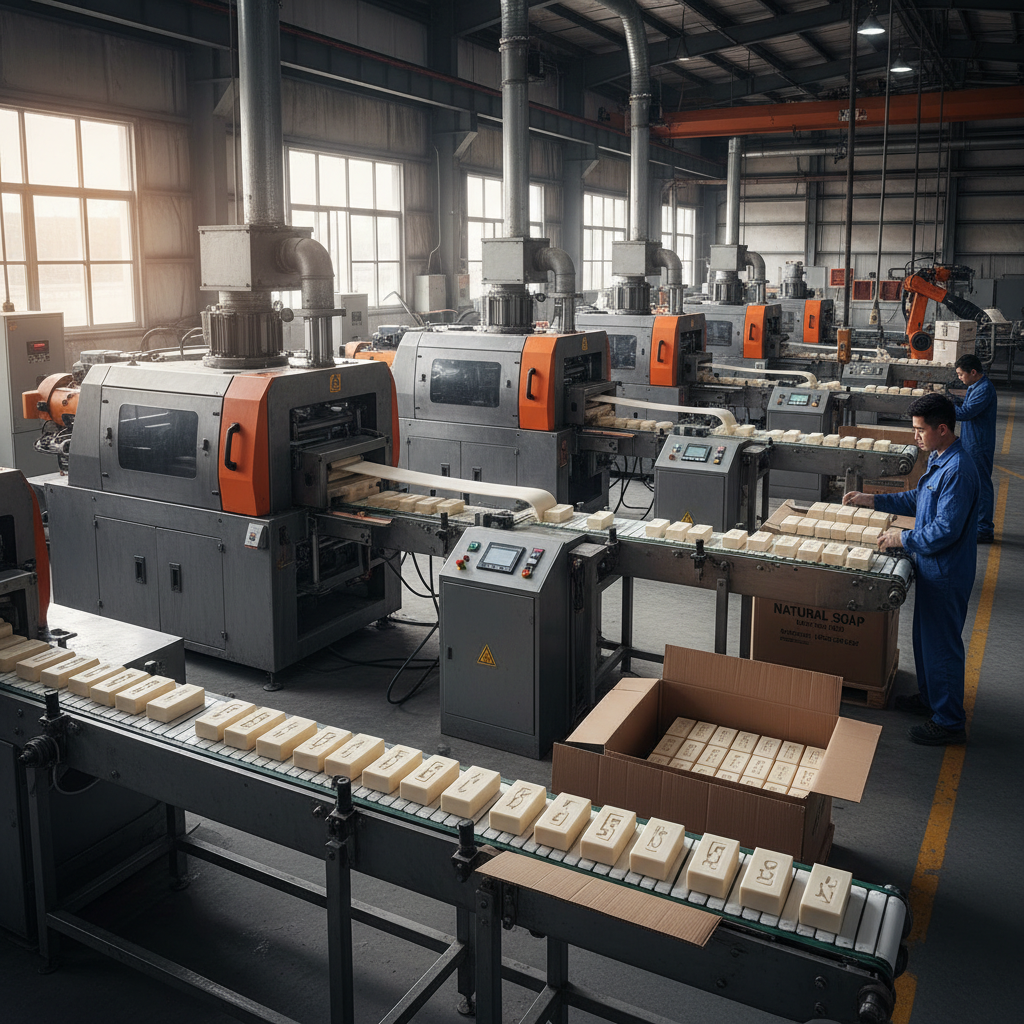
Soap Compactor is a key solution in the industry, specifically within manufacturing, recycling, and chemical processing sectors. This article explores how https://www.rssoapmachinery.com supports professionals with durable, high-performance products, and explains why this product is an ideal choice for businesses in these sectors.
Table of Contents
- Soap Compactor Overview
- Benefits & Use Cases of Soap Compactor
- Cost, Maintenance & User Experience
- Sustainability & Market Trends
Soap Compactor Overview
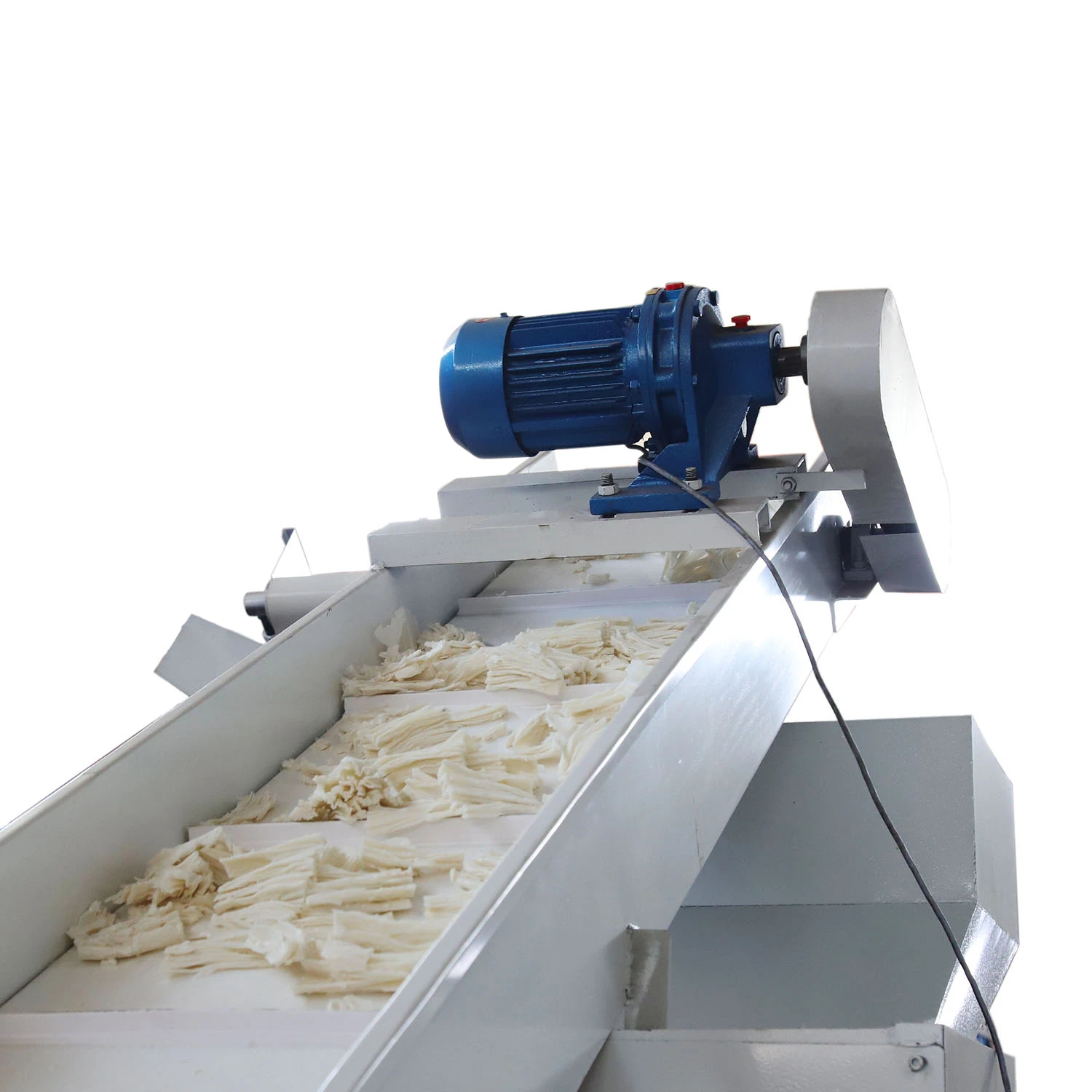
The Soap Compactor is a specialized industrial machine designed to compress soap waste or soft soap material into compact blocks. Now, why is this relevant? Well, soap production and recycling facilities generate significant volumes of soft soap residues and scraps that can be cumbersome to handle or ship. The compactor reduces volume drastically, making logistics and disposal more manageable and cost-effective.
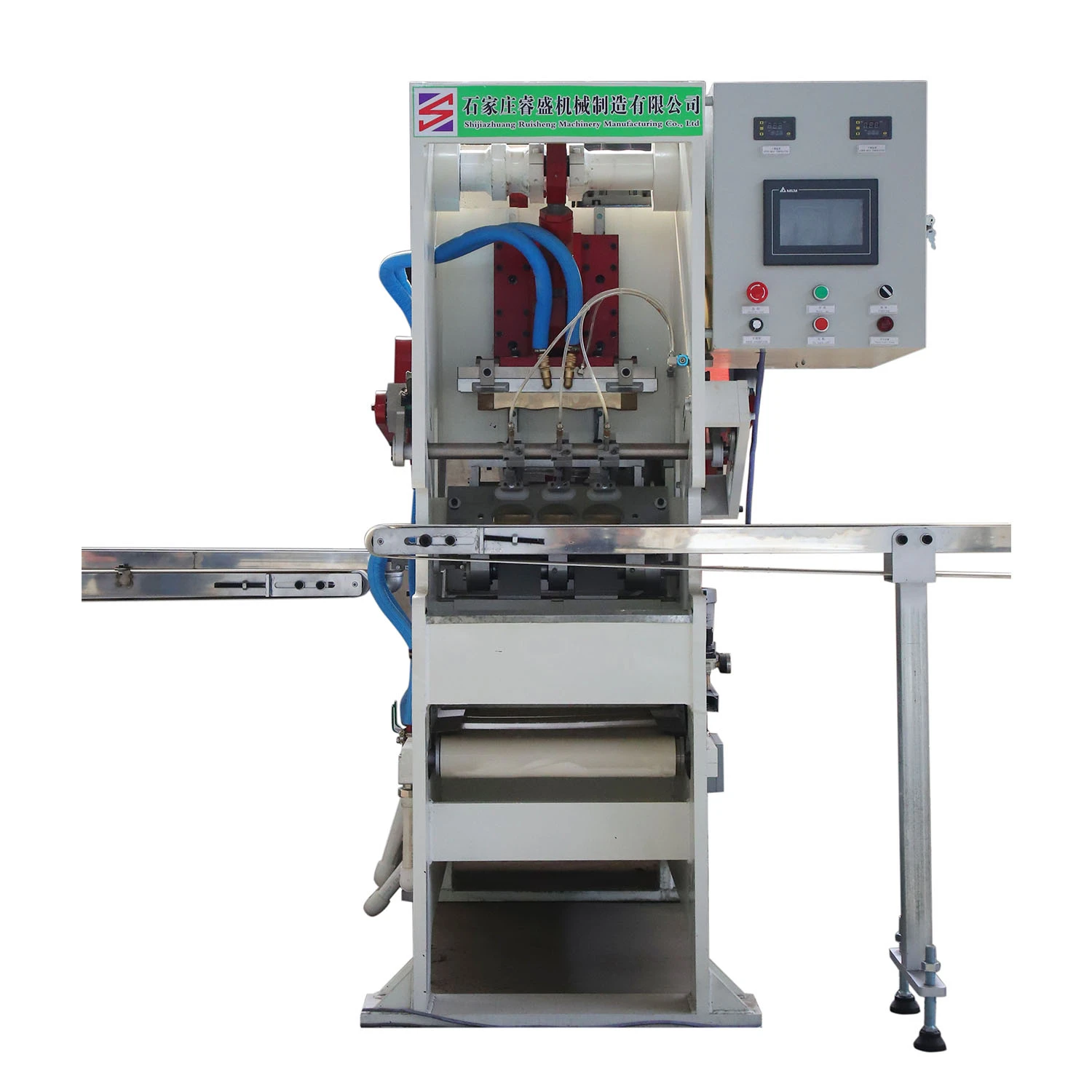
Technically, this compactor employs hydraulic pressure—imagine squeezing the soap with tons of force—to densify material into standardized blocks. For instance, the RS SoapMachine compactor features a powerful motor (7.5 kW) and can compress 800 kg of soap waste per hour, reducing the waste volume by up to 85%. This isn’t just a guess; real-life case studies in China show facilities achieving significant operational savings and cleaner waste streams thanks to this technology.
| Specification | RS SoapMachine Model | Typical Value |
|---|---|---|
| Motor Power | Hydraulic Pump | 7.5 kW |
| Compaction Force | Max Pressure | 50 tons |
| Capacity | Per Hour Throughput | Up to 800 kg |
| Block Size | Height x Width x Depth | 400mm x 300mm x 600mm |
Benefits & Use Cases of Soap Compactor
In practical terms, soap compactors serve any industry handling soap residues or soft soap materials. For manufacturers, this means less bulk to manage and reduced transport fees. Oddly enough, recycling plants also rely on these machines to turn soap scraps into compact bales that can be easily reprocessed or sold.
What really sets RS SoapMachine’s compactor apart is its rugged design and ease of operation. The controls are pretty straightforward—the interface is user-friendly enough that operators pick it up quickly. Many engineers say this model’s competitive advantage lies in the consistent block size, which optimizes shipping and storage while maintaining structural integrity.
| Vendor | Motor Power | Max Pressure | Block Size | Price Range |
|---|---|---|---|---|
| RS SoapMachine | 7.5 kW | 50 tons | 400x300x600 mm | $$$ |
| Competitor A | 5 kW | 40 tons | 350x250x550 mm | $$ |
| Competitor B | 10 kW | 60 tons | 450x350x700 mm | $$$$ |
Cost, Maintenance & User Experience
Frankly, the investment in a soap compactor might feel steep at first glance, but when considering the total cost of ownership, it often pays for itself in under two years. Durable materials and hydraulic systems designed by RS SoapMachine ensure minimal downtime and low maintenance expenses.
User feedback paints a positive picture as well. Operators appreciate the machine’s quiet operation and intuitive controls, plus companies report fewer workplace issues related to soap waste handling. I suppose the ROI is especially compelling for medium to large-scale plants with high throughput — the compaction literally shrinks your storage needs and shipping costs.
Sustainability & Market Trends
Sustainability has become the buzzword — for good reasons. Soap compaction supports waste reduction goals by easing recycling and preventing disposal inefficiencies. With regulators tightening controls on industrial waste volume, devices like the Soap Compactor are more than handy; they’re essential.
Market trends indicate rising adoption across Asia and Europe, driven by environmental policies and a push toward circular economies. It’s kind of a virtuous cycle: better compaction means less transport emissions, lower landfill use, and enhanced resource recovery. This aligns with corporate responsibility objectives many companies now prioritize.
Frequently Asked Questions about Soap Compactor
- What is Soap Compactor and how does it work?
- A Soap Compactor is an industrial machine that compresses soap scraps or waste by applying hydraulic pressure, reducing its volume significantly for easier handling and recycling.
- What are the main benefits of using Soap Compactor in industrial applications?
- Key benefits include reduced waste volume, lower transportation costs, enhanced recycling capabilities, and improved operational efficiency.
- How does Soap Compactor compare to traditional alternatives?
- Compared to manual compression or less powerful machines, Soap Compactors provide consistent block sizes, higher compaction force, and more reliable performance.
- What industries can benefit most from Soap Compactor implementation?
- Soap manufacturers, recycling plants, chemical processors, and any industry dealing with soap residues can find value in deploying Soap Compactors.
Conclusion on Soap Compactor from china
To wrap up, the Soap Compactor stands out as a practical investment for businesses serious about managing soap waste efficiently and sustainably. It’s rugged, cost-effective over time, and backed by user-friendly design decisions. In my experience, companies that adopt these machines see tangible benefits in logistics and environmental compliance. For a closer look, do visit our website: https://www.rssoapmachinery.com.
References:
1. RS SoapMachine Product Datasheet (2023)
2. Industry Case Study Reports, Soap Waste Solutions (2022)
3. Environmental Regulations & Waste Management Trends (2023)