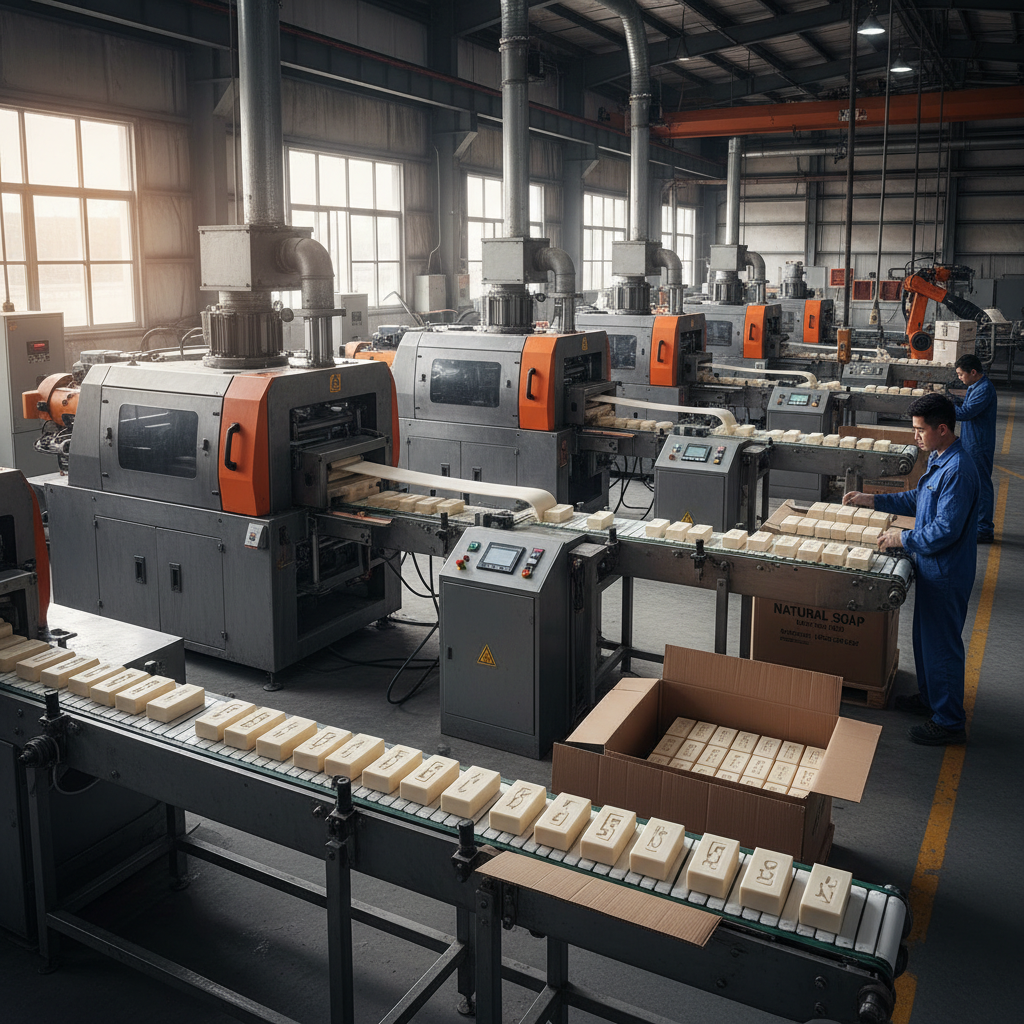
Soap Compressor Machine: The Workhorse of Industrial Soap Production
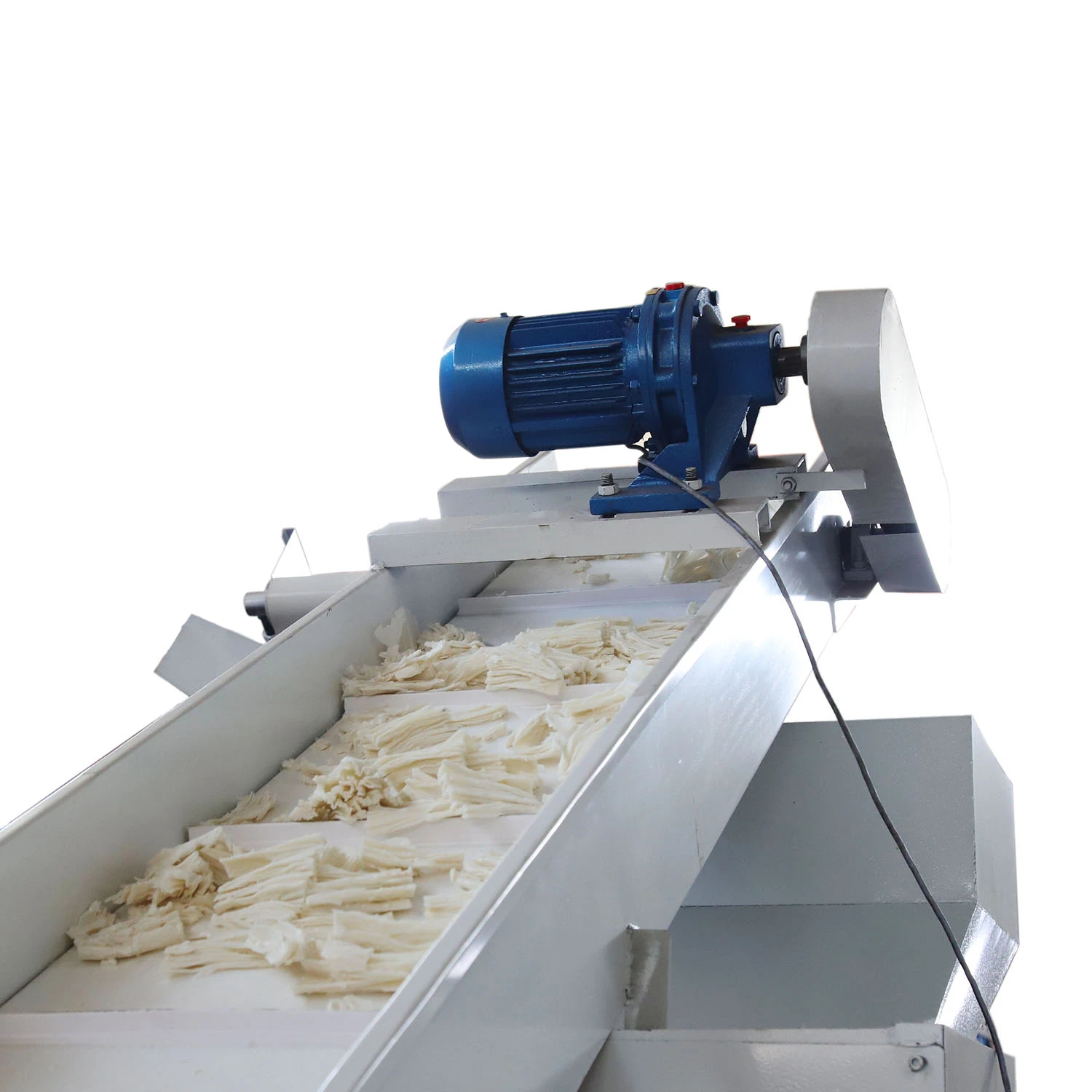
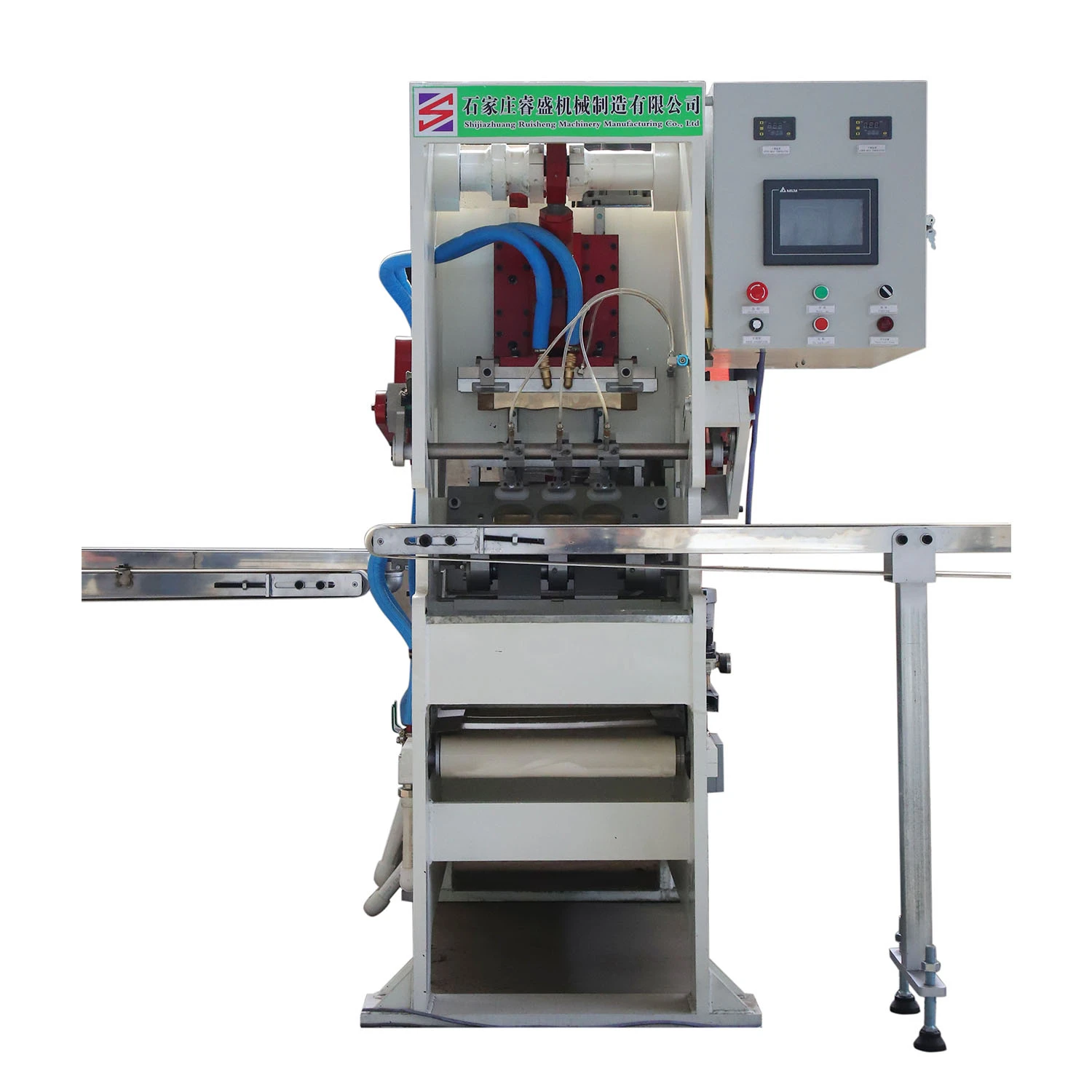
Having been around industrial equipment for what feels like ages, I can tell you—not all machines are created equal. Take the soap compressor machine, for instance. It’s one of those unsung heroes in soap manufacturing plants. If you’ve never seen one up close, you might be surprised by how crucial it is in shaping soap bars efficiently, consistently, and without fuss.
Frankly, in my early days visiting production floors, I noticed that soap cleaning and shaping were often bottlenecks—until these compressors came into play. They take soap paste (sometimes soft and sticky) and compress it to the perfect density and form needed for soaps, which ultimately influences quality downstream. It’s a blend of art and solid engineering.
What makes these machines stand out? Many engineers I know swear by their robust build quality, controllable pressure settings, and ease of maintenance. When you’re running a busy plant, downtime is the enemy, right? Reliability here isn’t just a bonus—it’s essential.
| Feature | Specification |
|---|---|
| Model Type | RS-Soap Compressor 3000 |
| Max Compression Pressure | 1500 PSI |
| Power Consumption | 5 kW |
| Cycle Time per Bar | 3 seconds |
| Material Handling Compatibility | Powdered & Paste Soap |
| Dimensions (L×W×H) | 1800×1200×1600 mm |
Oddly enough, soap machines like these quietly adapt to customization requests pretty well—different shapes and sizes, ingredient mixtures, pressures, even cycle speeds. I remember one customer’s factory where the soap blend was somewhat fragile, and the pressure curve had to be tweaked subtly. It felt like tuning a musical instrument more than working with heavy machinery.
And there’s the aspect of rigorous testing. You might think compressing soap is straightforward, but factors like moisture content or additives can change the whole game. So, it’s reassuring that manufacturers often run extensive trials before final shipping—and not just quick factory tests. It reflects a real commitment to quality control.
When it comes to picking a vendor, well, that’s where things get tricky fast. I’ve seen plants go through several machines before settling on the one that fits their operation style. Price, spare parts availability, local support, and machine robustness are often the decisive factors in the end. Here’s a quick rundown of some well-known soap compressor equipment providers I keep tabs on:
| Vendor | Price Range (USD) | Customization | After-Sales Support | Notable Pros |
|---|---|---|---|---|
| RS Soap Machines | $15,000 - $25,000 | High, adaptable pressure & cycle customization | Phone & onsite support; manuals included | Robust build; energy-efficient design |
| CleanPress Inc. | $18,000 - $30,000 | Medium; offers standard mold sizes | Online chat; spare parts shipping delays reported | Well-known brand; good resale value |
| SoapPro Technologies | $13,000 - $22,000 | Low; mostly fixed specs | Limited support outside warranty | Budget-friendly; compact footprint |
I suppose what stands out the most about these machines is how they silently keep production humming—almost like clockwork. Seeing a row of perfectly formed soap bars rolling out every minute, I always think about the many unseen engineering challenges behind such apparently simple output. The soap compressor machine might not grab headlines, but in real terms, it defines the quality and efficiency of soap production.
If you're venturing into soap manufacturing or considering equipment upgrades, you might find yourself naturally drawn to reliable options like the soap compressor machine. It’s a sort of baseline for any serious plant these days.
In the end, it’s the quiet consistency of such machines, more than flash or novelty, that wins the day.
References:
1. Industry reports from Soap Equipment Review 2023
2. Interviews with plant engineers from multiple suppliers
3. Technical sheets from RS Soap Machines and competitors