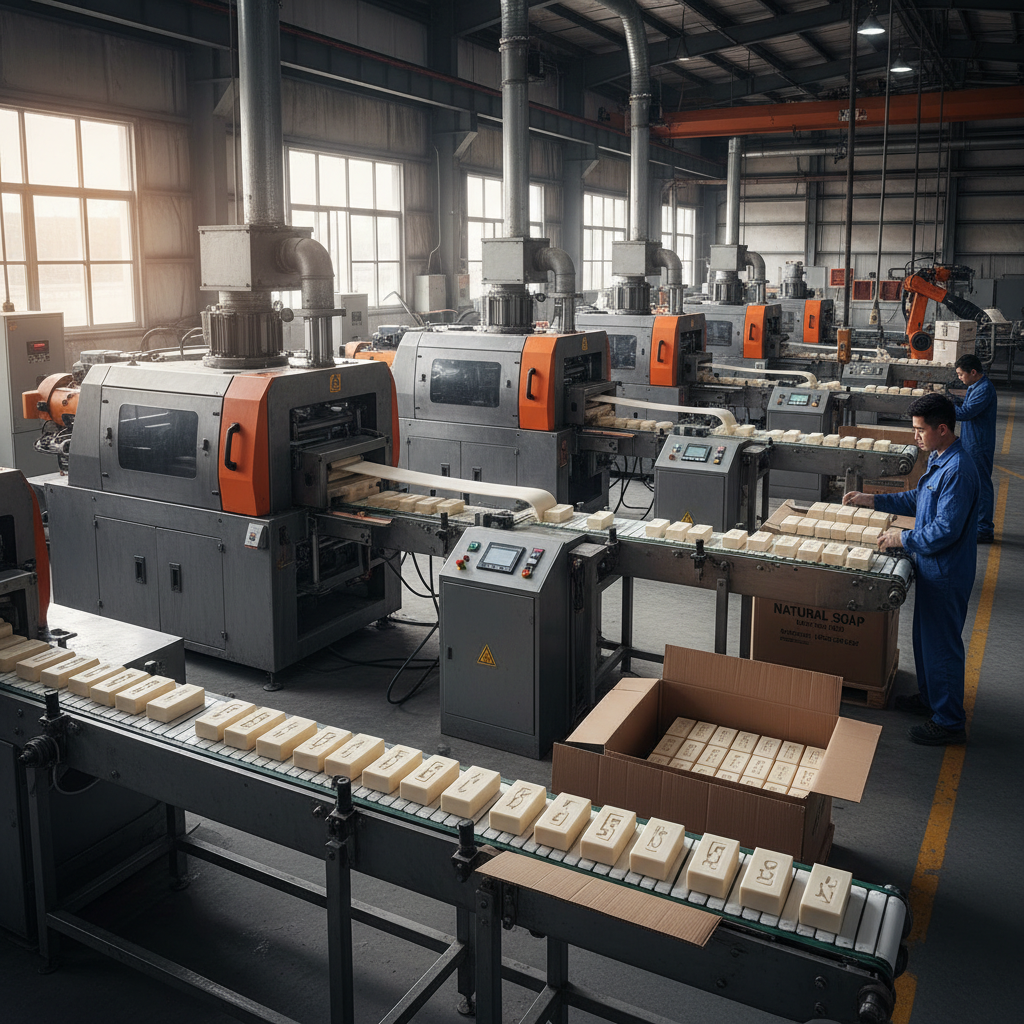
Understanding the Soap Base Making Machine: A Global Perspective
Soap is something we all take for granted — that simple bar or liquid that cleanses and refreshes. But have you ever stopped to think about how the soap base, the very foundation of quality soaps, is produced at scale? This is where the soap base making machine comes in. It’s not just industrial jargon; it’s a device with worldwide importance affecting personal hygiene, industry, and even humanitarian aid. Today, understanding this machine means recognizing its contributions to cost-efficiency, sustainability, and global health.
Introduction: Why the Soap Base Making Machine Matters Globally
According to the World Health Organization, hand hygiene is one of the most effective ways to prevent infectious diseases, yet many communities struggle to access affordable soap regularly. The soap base making machine enables manufacturers worldwide to produce soap bases efficiently, responding to high demand with lower costs and improved consistency. Oddly enough, a recent UN study highlighted that nearly 3 billion people still lack handwashing facilities at home, so the role of scalable soap production is clearer than ever. Industrially, this machine ensures soap makers – from small businesses to large-scale producers – meet the quality requirements set by ISO 22716 (Cosmetic Good Manufacturing Practices).
But here’s the big challenge: Traditional soap production can be time-consuming, energy-intensive, and sometimes wasteful. Soap base making machines tackle these head-on, making the overall production chain smarter and more eco-friendly.
What is a Soap Base Making Machine?
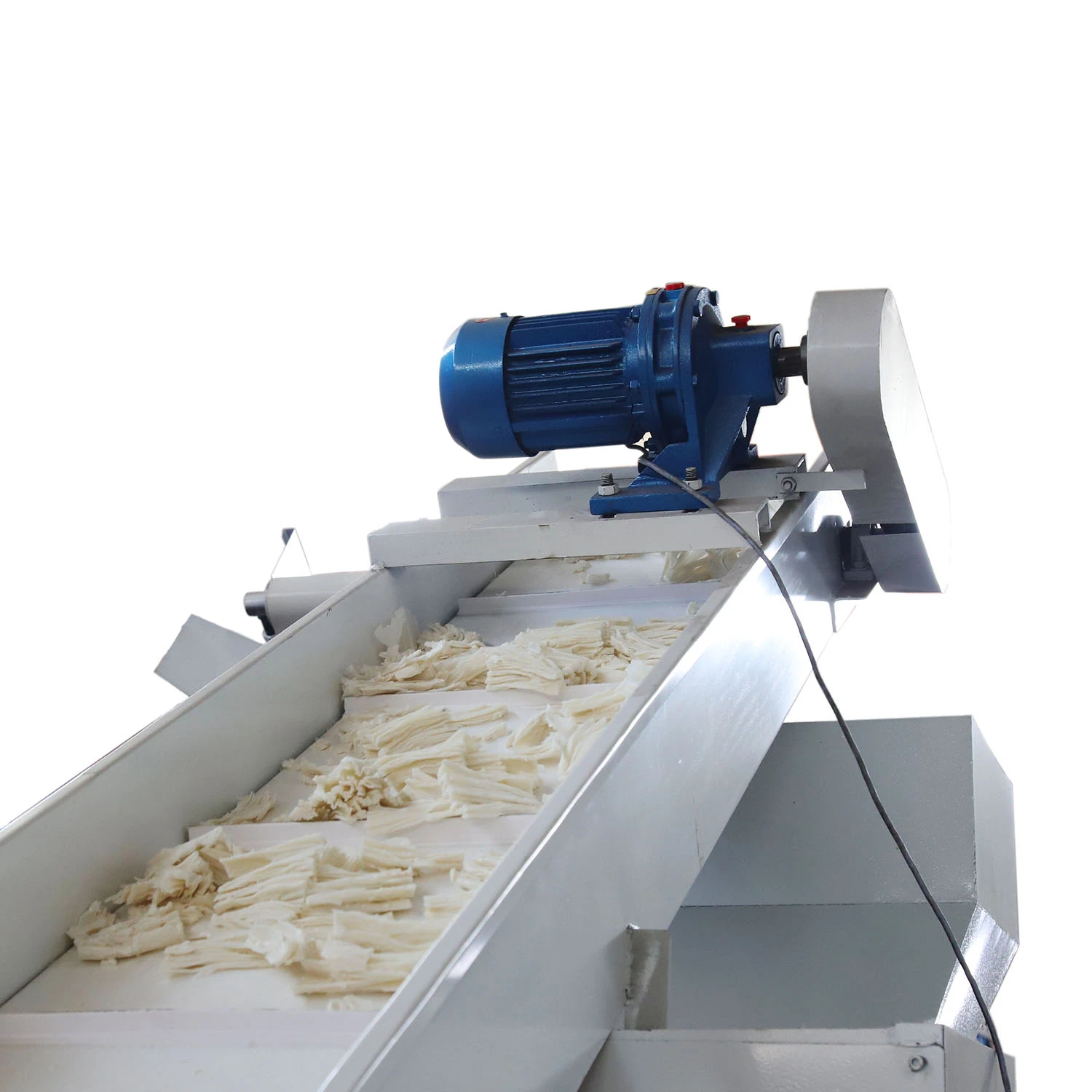
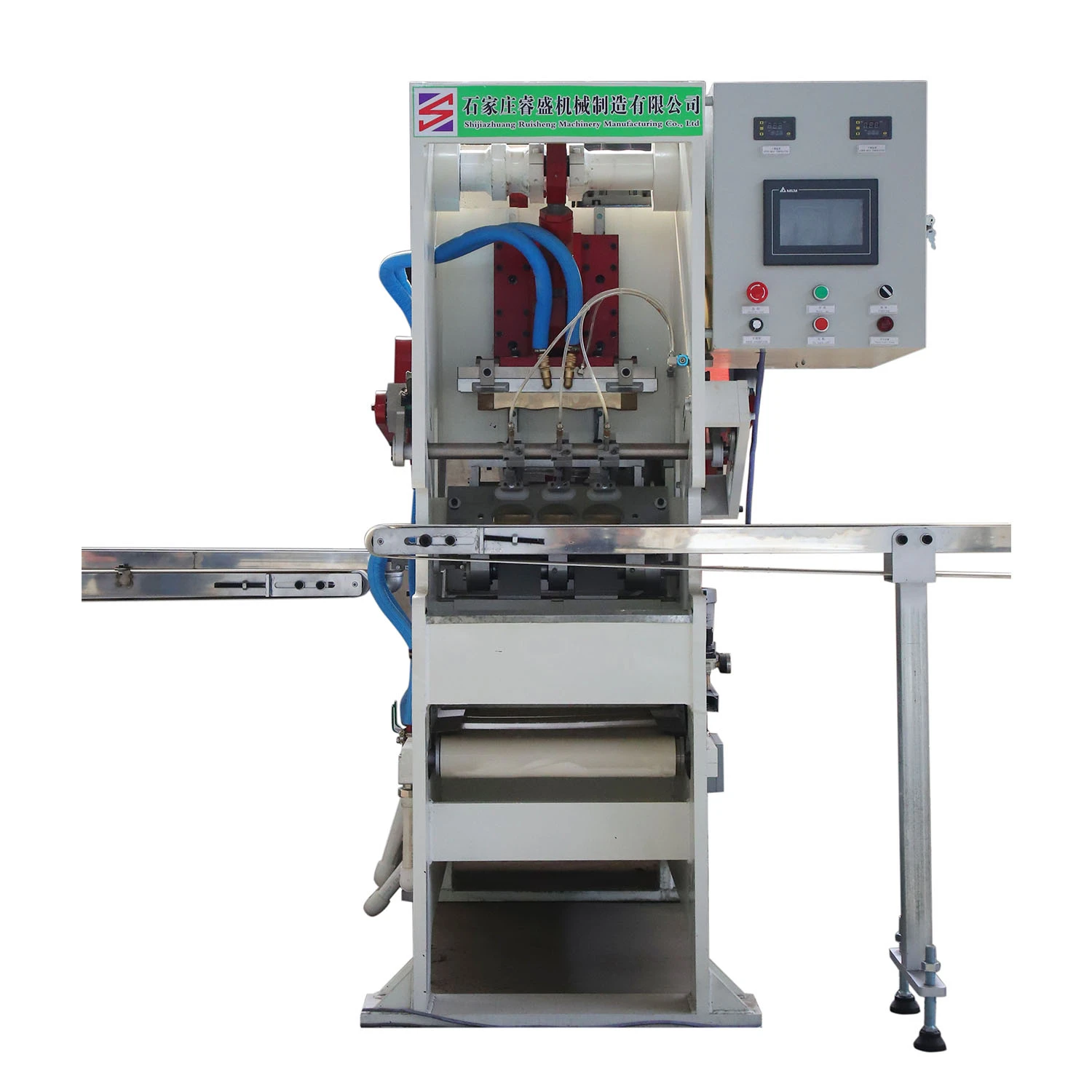
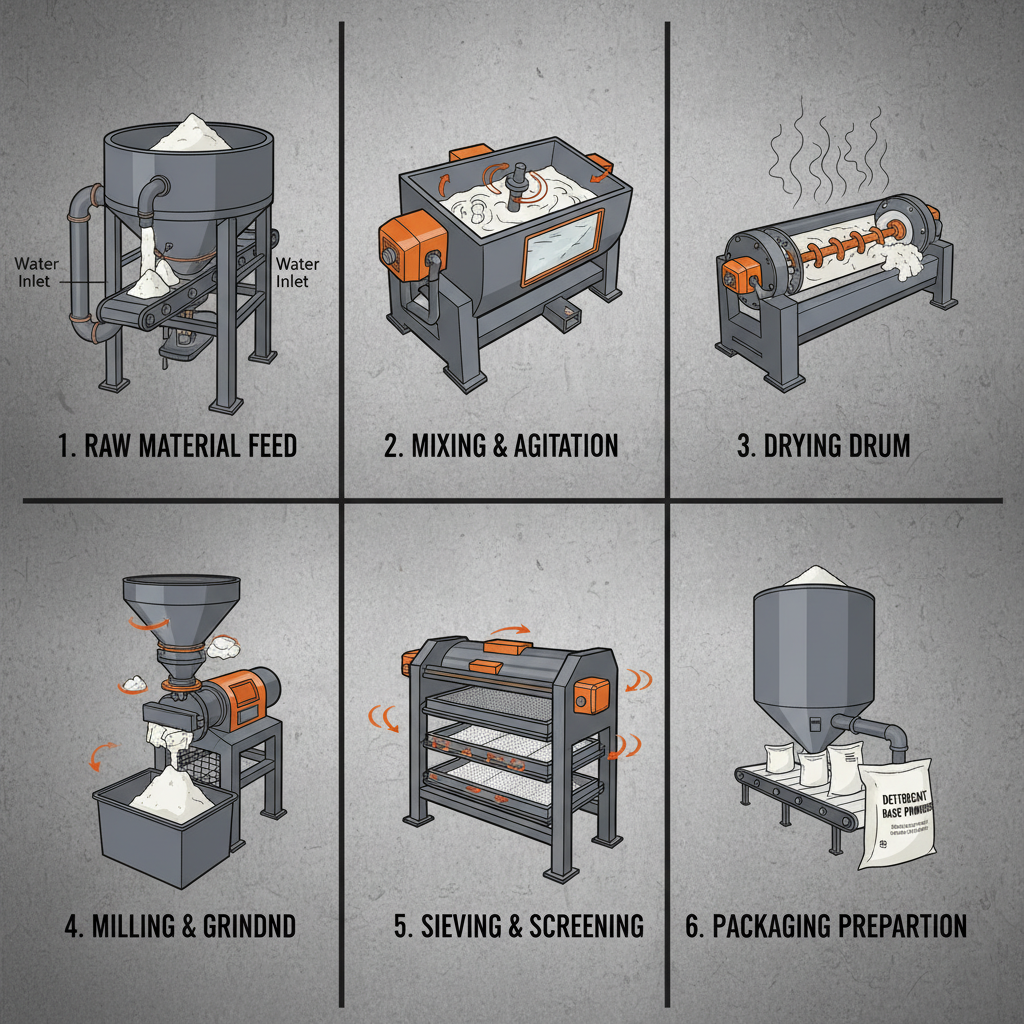
In simple terms, a soap base making machine is specialized equipment designed to automate the blending, cooking, and forming of soap bases — the raw soap material before fragrance, colorants, or additives are mixed in. Unlike manual batch processes, these machines bring precision, scalability, and repeatability to a fundamental manufacturing step. Imagine a large kettle, mixer, and mold all fused into one sophisticated unit that can handle various formulas depending on the ingredients.
Core Components and Key Aspects
1. Durability
Typically made from stainless steel or other corrosion-resistant materials, these machines are built to last even when working with caustic chemicals inherent in soap making.
2. Scalability
From small pilot units processing a few hundred kilograms a day to massive industrial-grade machines churning out tons, scalability is key — especially for brands growing their footprint or responding to shifting market demands.
3. Cost Efficiency
Automation reduces labor costs and material wastage. This means leaner production and better margins, which frankly is a major selling point for any soap producer.
4. Safety Features
Because soap base making involves heating and mixing potentially hazardous materials, integrated safety protocols are non-negotiable — from emergency stops to sealed chambers preventing exposure.
5. Ease of Operation & Maintenance
Many machines come with user-friendly interfaces and modular parts that simplify cleaning and repairs — a practical advantage in busy production environments.
Product Specifications: A Typical Soap Base Making Machine
| Specification | Details |
|---|---|
| Production Capacity | 500-2000 kg per batch |
| Material | Stainless Steel 316L |
| Energy Source | Electric/Steam |
| Control System | PLC with touchscreen display |
| Safety Features | Emergency stop, sealed vessel, overheat protection |
Global Applications & Use Cases
This might surprise some, but soap base making machines aren’t just for industrial soap brands in the West. They’re vital in many parts of Asia, Africa, and Latin America where local soap makers cater to booming populations. For example:
- In post-disaster relief operations: Rapid soap base production ensures effective hygiene kits reach displaced populations quickly.
- In remote industrial zones: Automated systems reduce dependency on skilled labor, empowering smaller enterprises to produce quality soap.
- Artisanal and boutique soap brands: Use these machines to maintain consistency while experimenting with natural ingredients.
Vendor Comparison Table
| Brand | Capacity | Price Range | Key Features |
|---|---|---|---|
| EcoSoapTech | 1000 kg/hr | $45,000 - $60,000 | Energy-efficient, touchscreen control, modular design |
| PureBase Systems | 500-1500 kg/hr | $35,000 - $55,000 | Compact design, safety locks, steam heating |
| GreenSoap Equipment | 800-2000 kg/hr | $50,000 - $70,000 | Eco-friendly process, automated cleaning, remote monitoring |
Advantages & Long-Term Value
It’s worth taking a moment to appreciate how this technology impacts society and business. For starters, cost savings from reduced labor and waste add up, making soaps affordable for both producers and consumers. From a sustainability standpoint, newer machines use cleaner energy and reduce chemical runoff — crucial in our fight against pollution. Socially, they improve product safety and quality, enhancing consumer trust.
On a personal note, many engineers I’ve chatted with say these machines almost feel like “silent heroes” behind the scenes in public health. They embody an intersection of innovation and human dignity, ensuring everyone can access a basic hygiene product.
Future Trends & Innovations
The future of soap base making machines is, frankly, pretty exciting. We’re seeing moves toward integrating IoT for real-time monitoring, allowing operators to optimize processes remotely. Then there’s a growing trend in using renewable energy sources, like solar-powered steam boilers. Material science is also pushing boundaries, with biodegradable coatings reducing maintenance needs and greener machine designs to minimize the carbon footprint — all aligned with global sustainability goals.
Challenges & Solutions
Of course, no machine is perfect. Some challenges include high upfront costs, the need for skilled operators, and maintenance demands in remote areas. However, many vendors now offer leasing or modular upgrades to reduce capital barriers. Training programs paired with local partnerships have proven effective in skill development. Plus, innovations in remote diagnostics and self-cleaning systems are tackling maintenance headaches.
FAQ: Your Soap Base Making Machine Questions Answered
-
Q: How easy is it to switch soap recipes on a soap base making machine?
A: Modern machines often feature programmable controllers allowing quick recipe adjustments without major downtime. This flexibility is great for producers experimenting with different formulations or responding to market trends. -
Q: What are typical energy requirements for these machines?
A: Energy consumption varies but average machines use electric or steam inputs ranging from 10 to 30 kW depending on capacity and heating method. Energy-efficient models often reduce this substantially. -
Q: Can these machines be used in small-scale or artisanal production?
A: Absolutely. There are smaller, pilot-scale versions designed specifically for boutique soap makers, offering precision without the bulk or cost of industrial-sized equipment. -
Q: What maintenance routines are essential for reliable operation?
A: Regular cleaning after batches, inspection of seals, and checking safety sensors keep machines running smoothly. Some manufacturers provide detailed maintenance schedules and support.
Conclusion: Why Invest in a Soap Base Making Machine?
To wrap things up, the soap base making machine is more than just factory equipment — it’s a critical enabler of public health, economic growth, and sustainability worldwide. Whether you’re an established brand or a growing startup, investing in such technology can drastically improve efficiency, quality, and long-term resilience. It’s a clear win in a world increasingly seeking better hygiene solutions.
If you’re curious to explore options or learn more, visit our website: soap base making machine.
Oddly enough, the humble soap base making machine quietly shapes how clean we all are — a truly underrated piece of tech.
References:
1. World Health Organization, "Hand hygiene: Why, How & When?" (https://www.who.int)
2. United Nations, "Hygiene and Sanitation Statistics," 2023
3. ISO 22716: Cosmetics — Good Manufacturing Practices (https://www.iso.org)