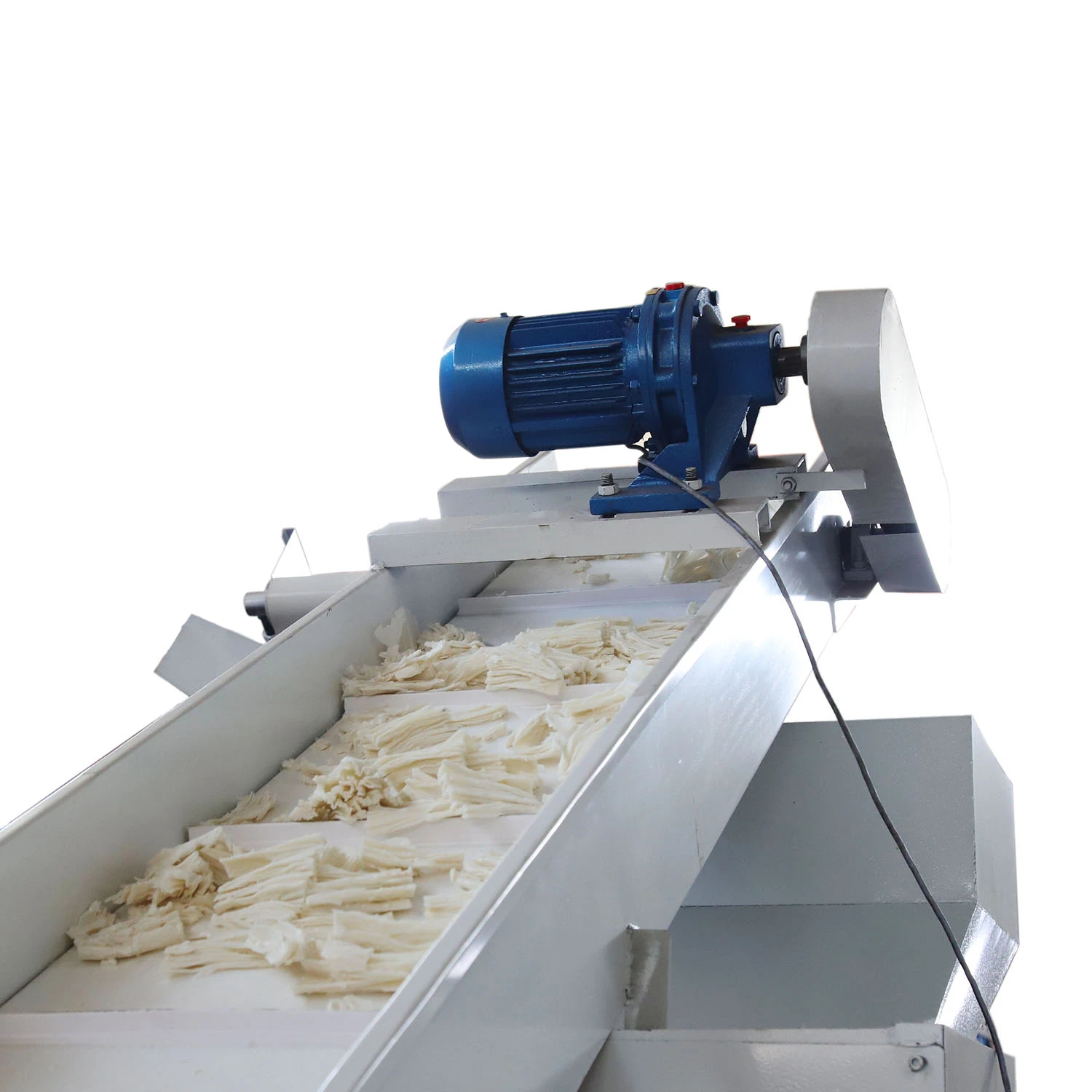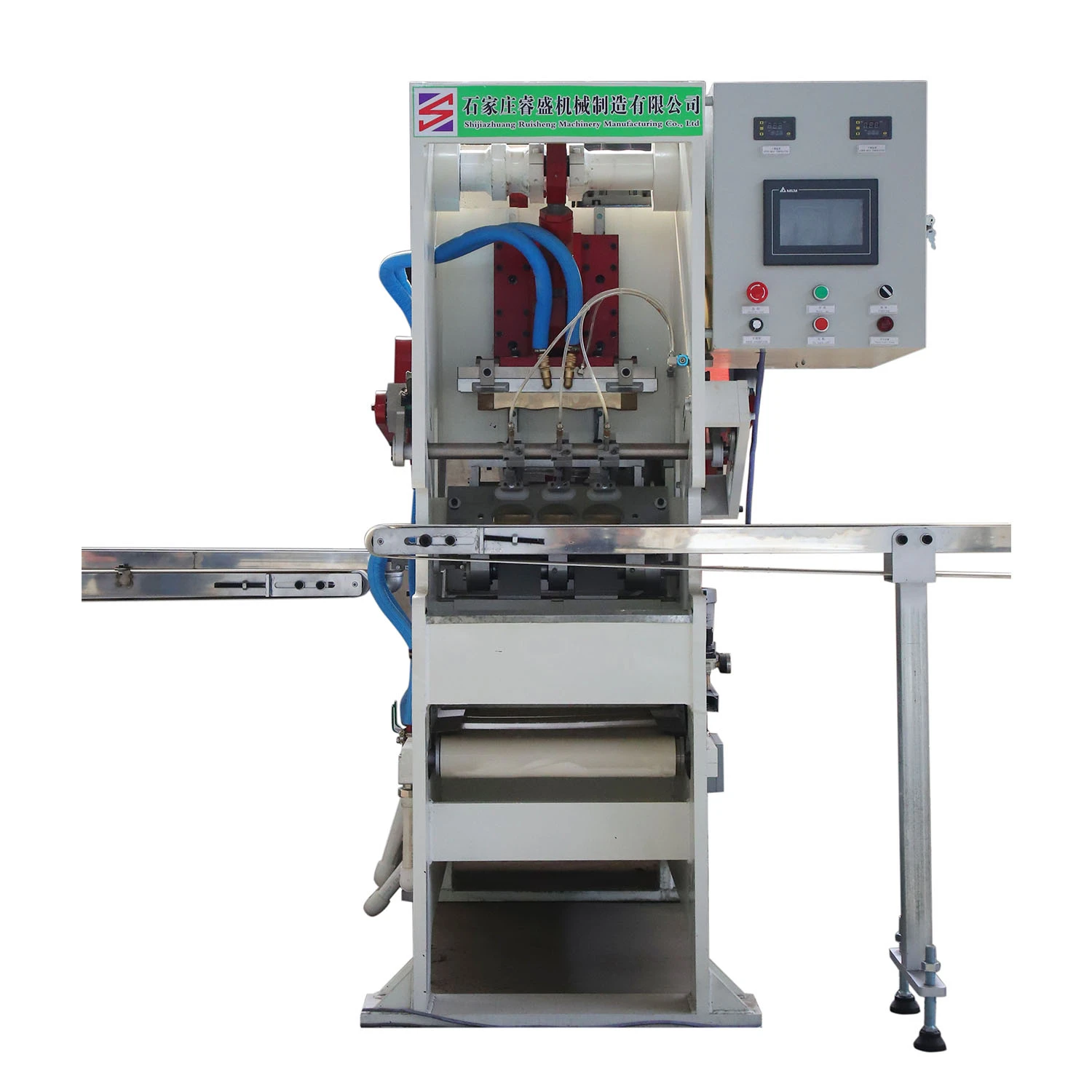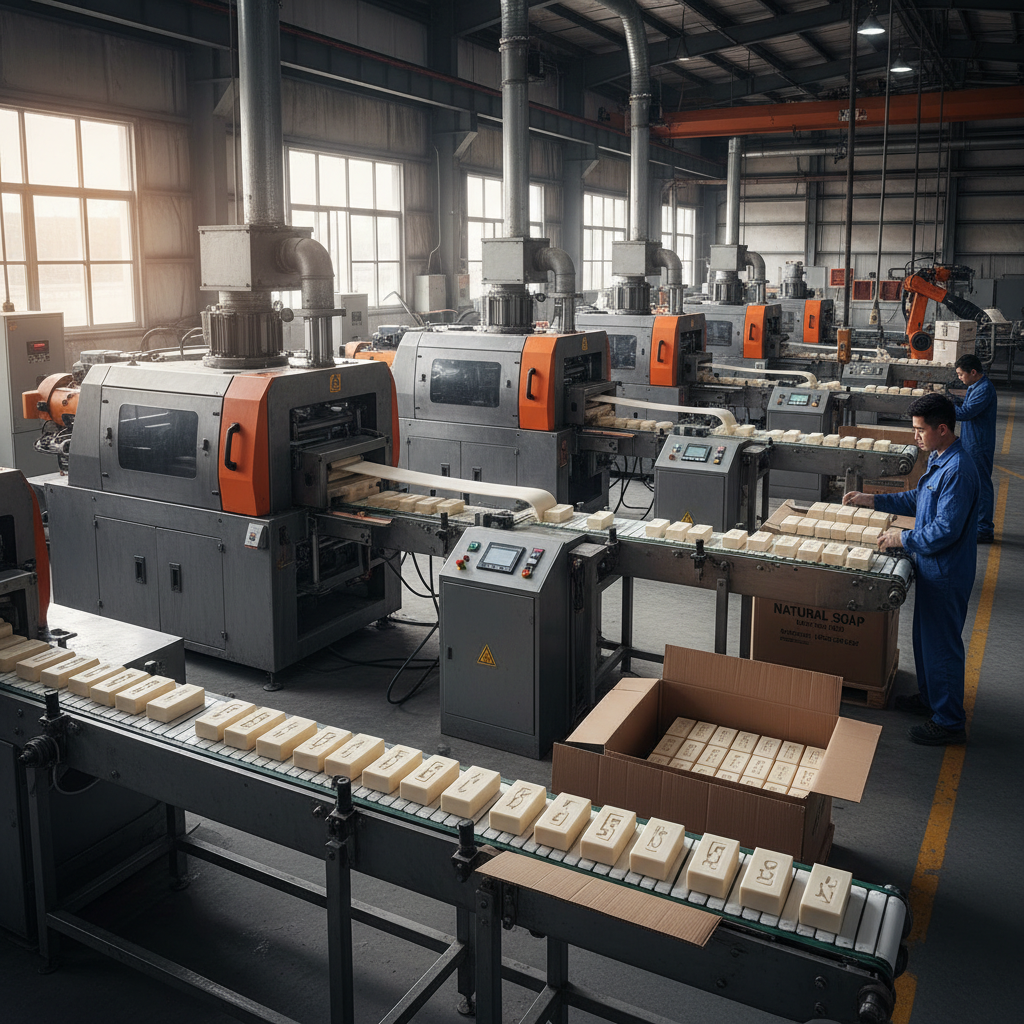
If you're in manufacturing, you've probably seen a [soap milling machine] in photos or on a factory tour. I spent time on a plant floor last year and, to be honest, the hum of the rollers and the smell of fatty acids is oddly reassuring — it's where raw soap becomes consistent product at scale.
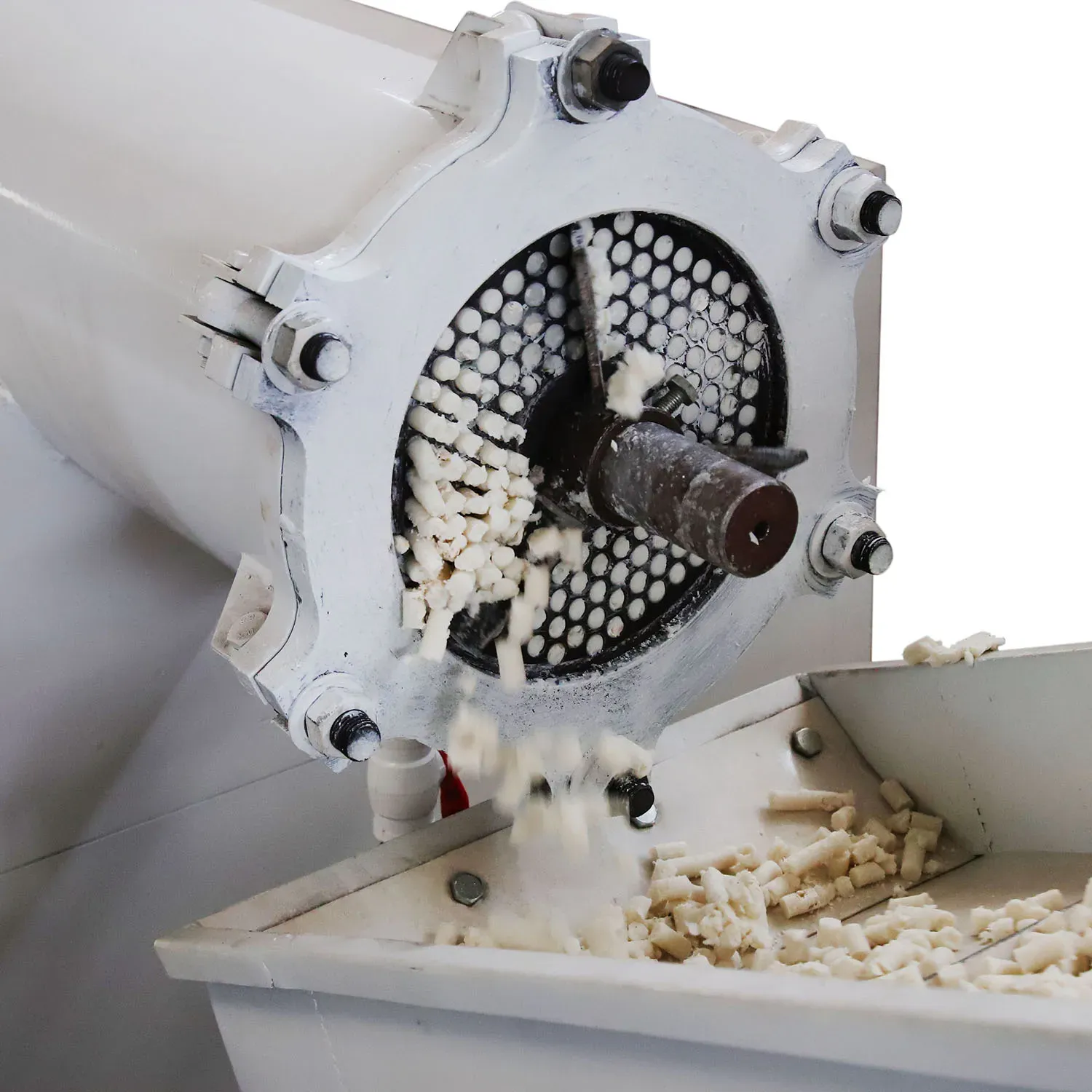
What it does and where it fits
A soap milling machine is used to refine soap blocks or pellets into a homogeneous paste — reducing particle size, improving texture, and homogenizing additives (fragrance, color, glycerin). Typical buyers are in personal care, household detergents, and industrial cleaning supply chains. In fact, many customers say it’s the single biggest productivity upgrade on the line.
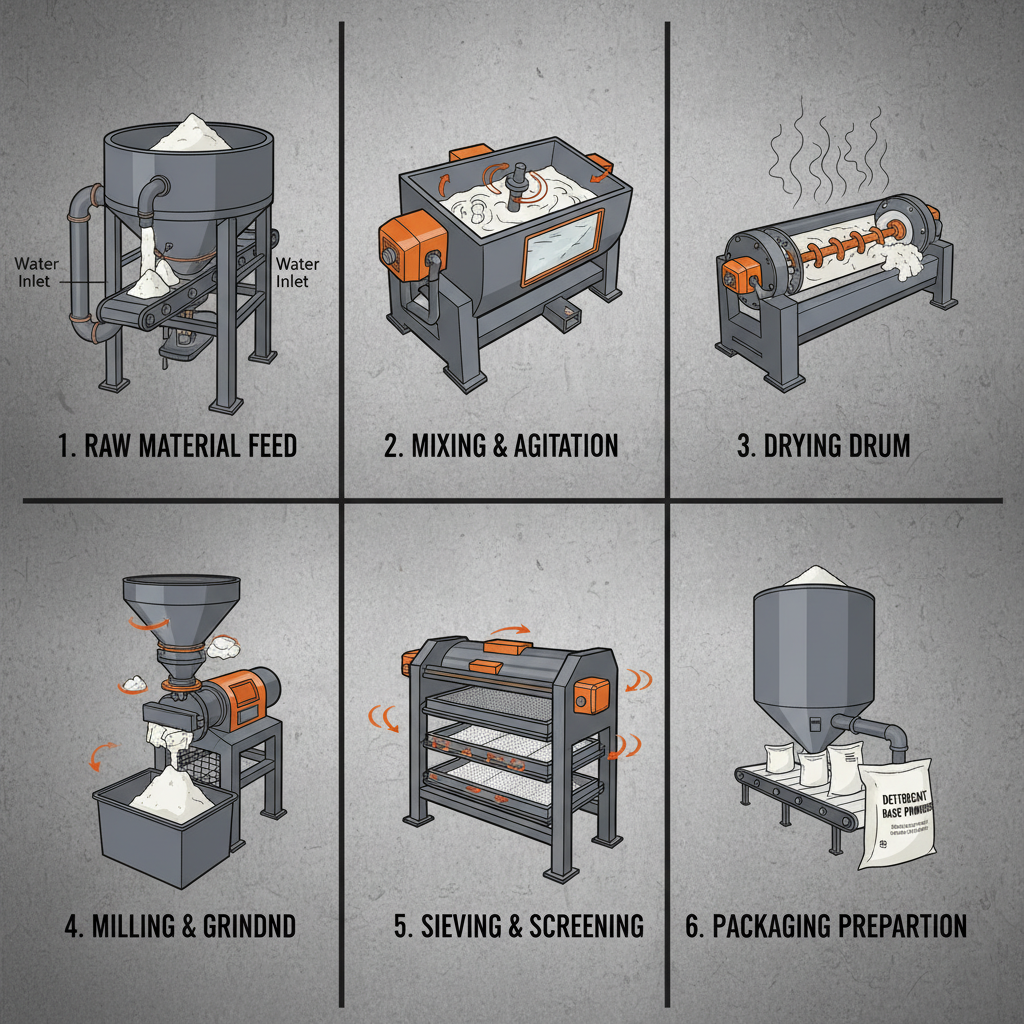
Process flow (materials → finished quality)
- Input: soap base (saponified oils/fats), water, glycerin, additives.
- Pre-mixing: blend solids and liquids to a pumpable consistency.
- Milling/refining: high-shear rollers or knives reduce particle size and disperse additives.
- Homogenization & cooling: controlled temperature, final viscosity adjustments.
- Quality checks & packaging: viscosity, pH, particle-size (D90 ≤ target), microbial tests.
Product specification
|
Model |
Working efficiency |
Motor power |
Dimensions (L×W×H) |
Weight |
|
Soap Refining Machine 52000 (Exquisite Machine 52000/75000) |
≈ 1000–2000 kg/hour (real-world use may vary) |
11 kW |
2450 × 970 × 2100 mm |
≈ 950 kg |
Vendor comparison (quick)
|
Vendor |
Capacity |
Certifications |
Notes |
|
RS Soap Machine (52000) |
1000–2000 kg/h |
CE, ISO 9001 (often) |
Balanced throughput, compact footprint |
|
Competitor A |
≈ 800–1500 kg/h |
CE |
Lower cap, lower price — more manual intervention |
|
Competitor B |
≈ 2000–3500 kg/h |
CE, UL |
Higher throughput, larger footprint and cost |
Testing, certifications & service life
Quality teams usually check pH, viscosity, particle-size distribution (laser diffraction, D10/D50/D90), and microbial counts (USP/FDA-style tests if for cosmetics/pharma). Certifications to look for: ISO 9001, CE, sometimes GMP. Service life is commonly 8–15 years with routine maintenance; of course, real-world use may vary depending on load cycles and environment.
Applications & customer feedback
Use cases range from boutique soap makers scaling up to industrial detergent producers. Customers often praise the 52000 for consistent texture and predictable throughput; complaints, when they occur, tend to be about integration with older feeding systems (you'll want a slow feed conveyor to avoid air entrapment).
A short case: a mid-sized OEM swapped a tooth-mill for a 52000 and saw batch rework drop by ≈ 30% within three months — not speculation, straight from the QA manager's report. I guess that speaks louder than marketing copy.
If you're evaluating, ask for test runs with your exact formula, request particle-size & viscosity reports, and check spare-part lead times. Small digression: don't underestimate operator training — even the best machines are only as good as the people running them.
References
- RS Soap Machine product page: https://www.rssoapmachinery.com/soap-refining-machine-52000.html
- ISO 9001 — Quality management systems (overview): https://www.iso.org/iso-9001-quality-management.html
- Cosmetic Good Manufacturing Practices and particle testing guidance (industry whitepapers and USP references)