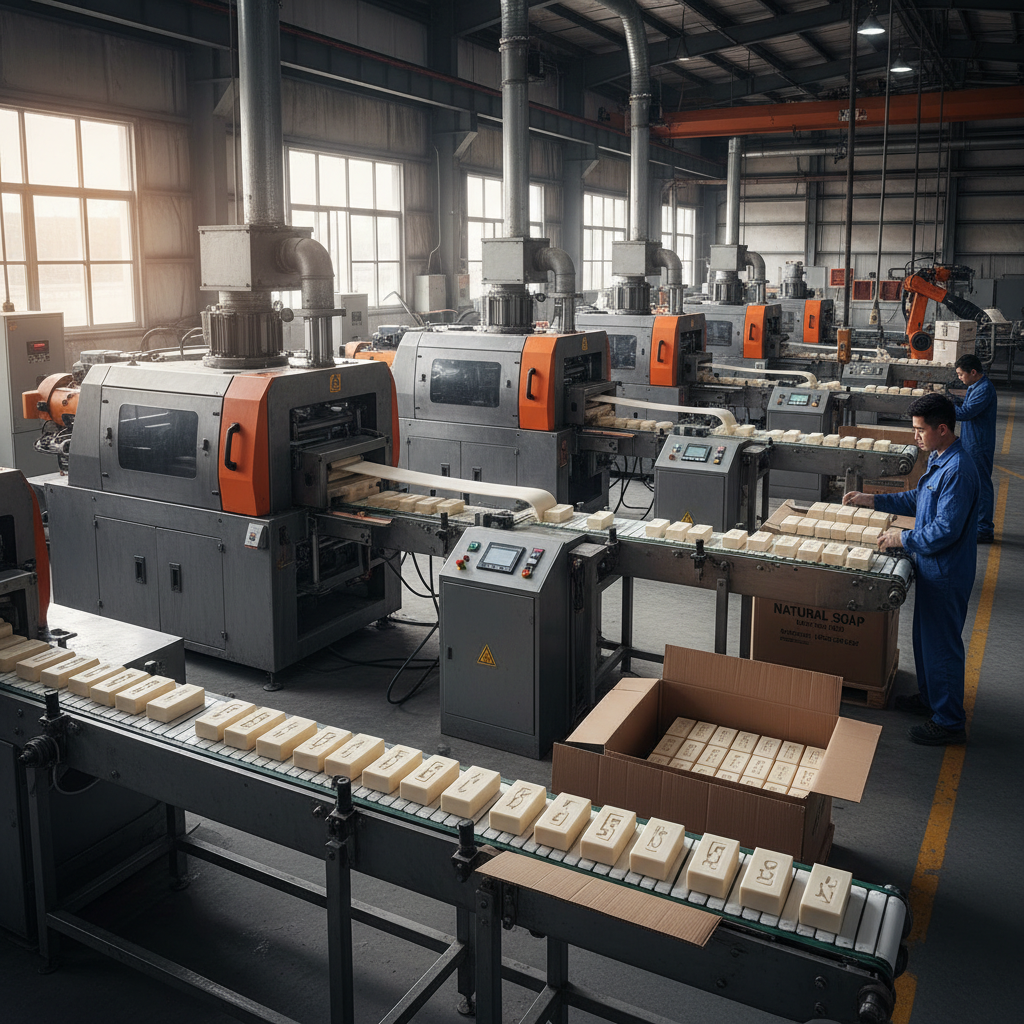
You know, when you think about the sheer variety of products we use daily, it’s easy to overlook the unsung heroes of manufacturing. One such workhorse, particularly in industries dealing with viscous or semi-solid materials, is the blending cylinder. To be honest, it’s a critical piece of equipment that often doesn't get the spotlight it deserves, but trust me, without it, many of the products we take for granted simply wouldn't exist in their consistent, high-quality form.
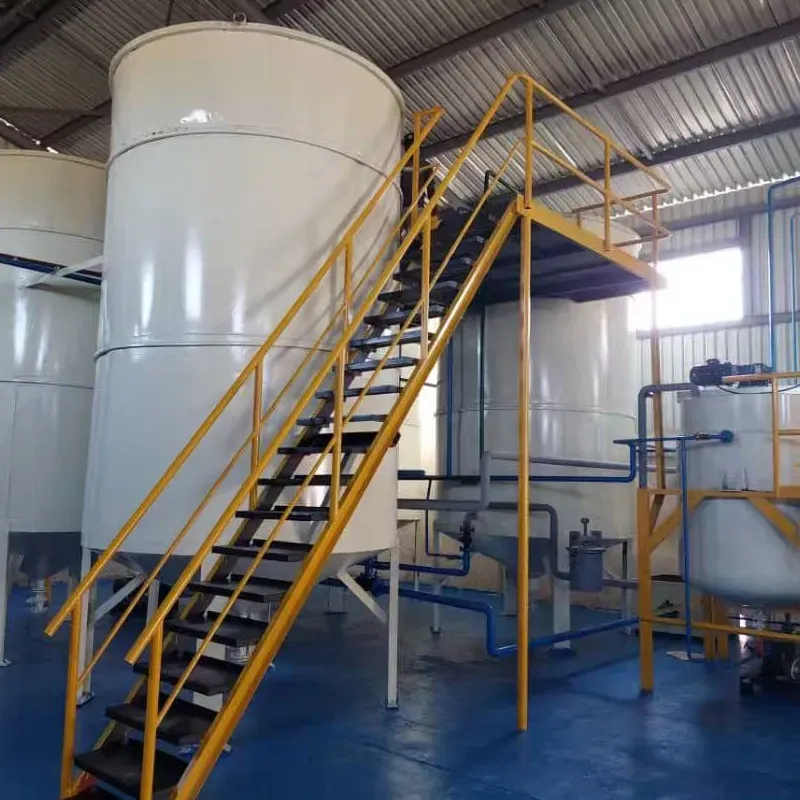
In my years observing production lines, I’ve seen everything from ancient contraptions barely holding together to gleaming, automated marvels. The common thread? The need for a perfect mix. Whether it's soap, cosmetics, or certain food products, achieving that homogeneous blend is paramount. And that, my friends, is precisely where the blending cylinder shines.
What Exactly Does a Blending Cylinder Do?
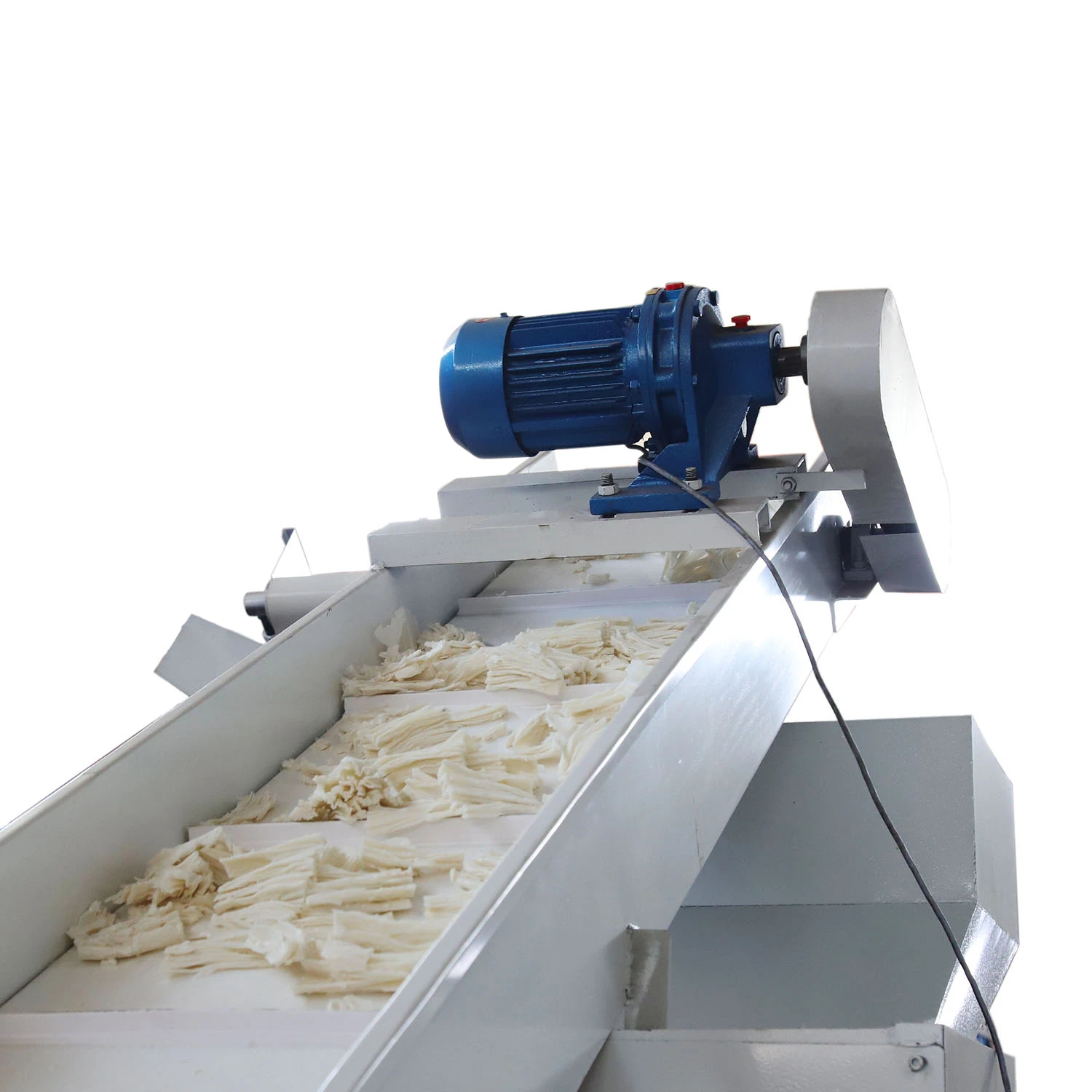
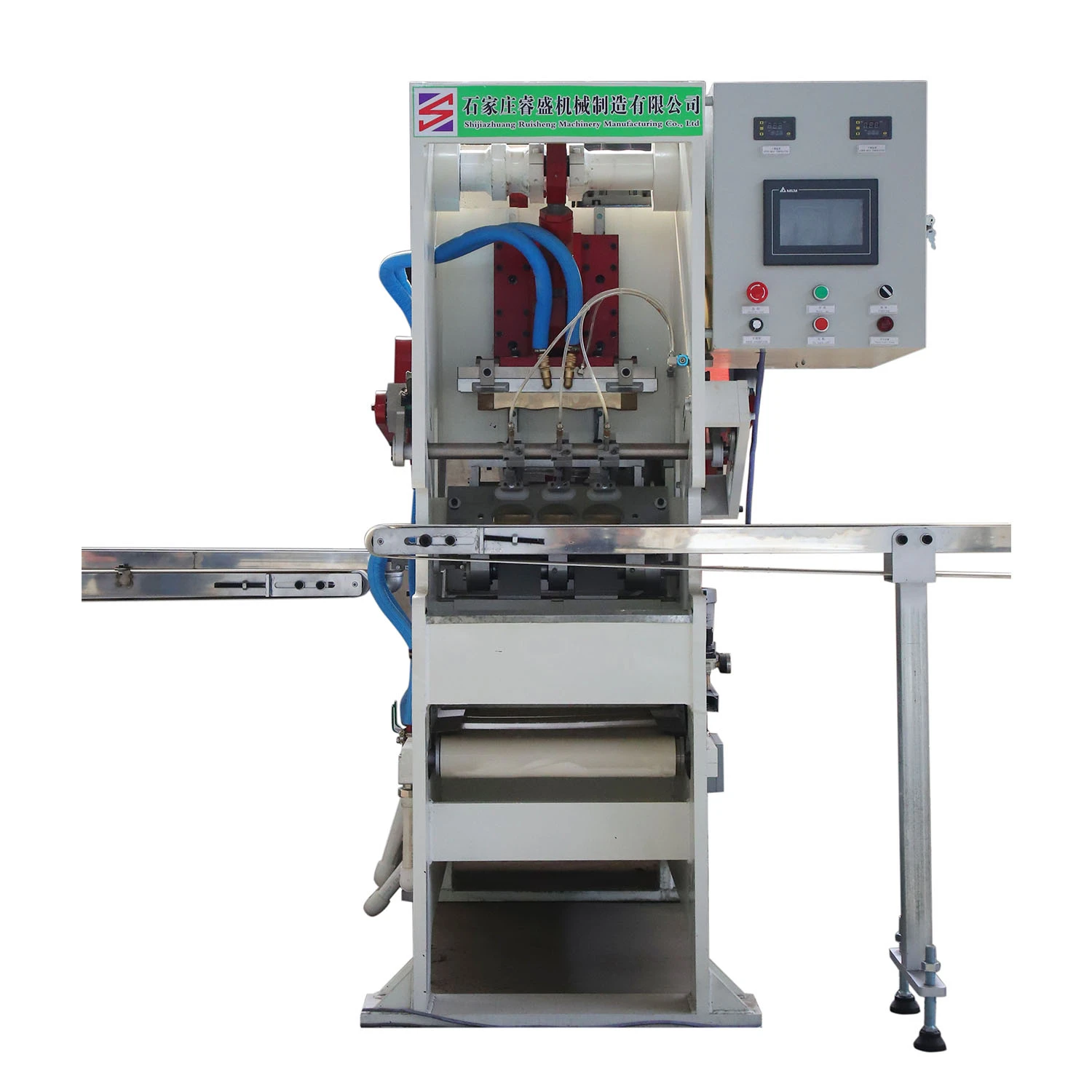
At its core, a blending cylinder is designed to thoroughly combine various raw materials into a uniform mixture. Think of it like a giant, industrial-scale mixing bowl, but with far more precision and power. For instance, in soap manufacturing – a field I've spent a fair bit of time in – you might be mixing soap base with additives like sodium silicate, pigments for color, or essences for that delightful fragrance. The goal is simple: ensure every part of the batch has the exact same composition. No streaks, no unmixed clumps, just pure consistency.
Industry Trends & Application Scenarios
The trend in manufacturing is always towards greater efficiency, better quality control, and reduced waste. Modern blending cylinders fit right into this narrative. While soap production is a primary user, these machines are also crucial in producing detergents, certain pharmaceutical pastes, and even some specialty chemical compounds where precise ingredient distribution is key. You'd be surprised how many products require such meticulous blending. I guess it all comes down to consistency, which consumers demand.
The Blending Process Flow: A Closer Look
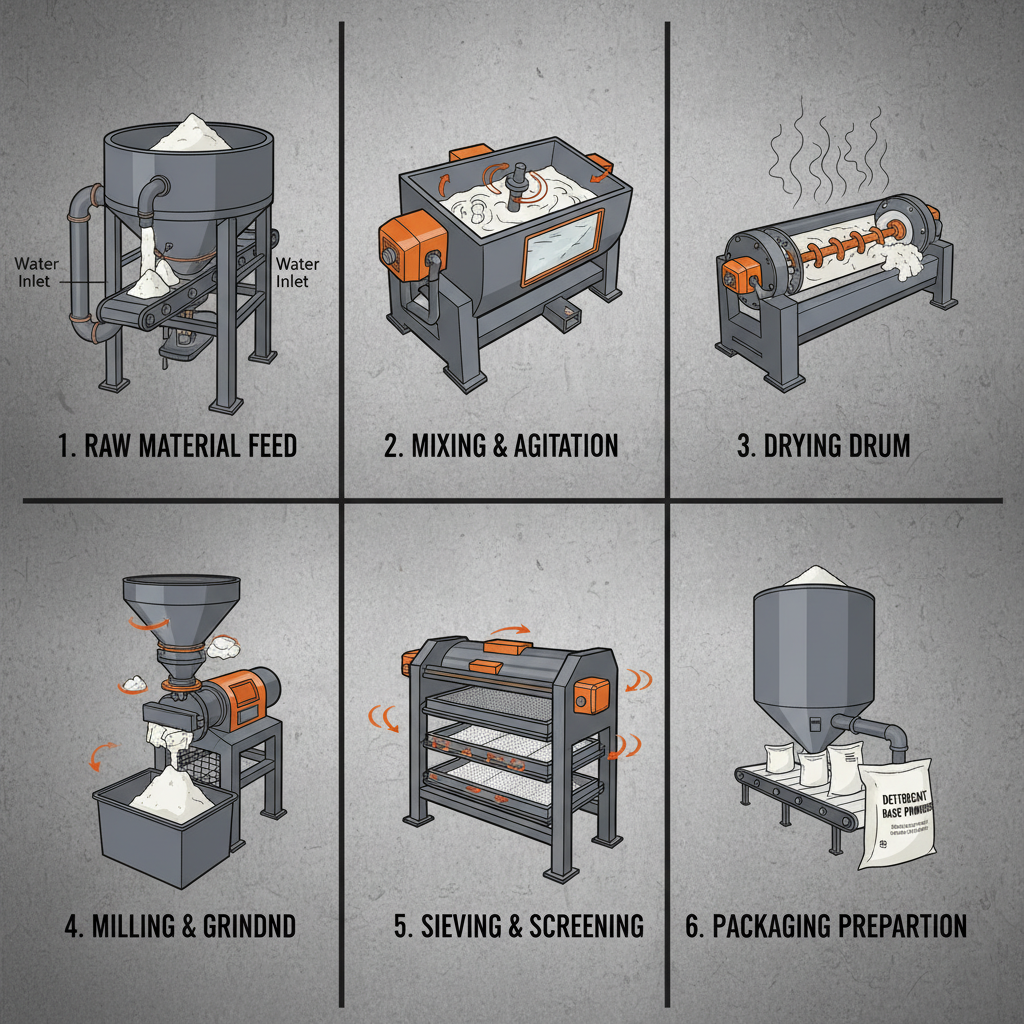
- Material Loading:Raw materials, like pre-processed soap noodles, are loaded into the cylinder.
- Additive Introduction:Sodium silicate (often for hardening and opacity), pigments, and fragrance essences are then carefully added. Timing is crucial here, actually.
- Mixing Cycle:The cylinder's internal mixing mechanism (often robust blades or paddles) begins to rotate, ensuring an even dispersion. This isn't just a simple stirring; it's a carefully engineered process to achieve molecular-level integration.
- Quality Checks:Samples are often taken during or immediately after the cycle to check for consistency, color, and fragrance distribution against established standards.
- Discharge:Once the blend meets specifications, the finished product is discharged, ready for the next stage, perhaps extrusion or molding.
Key Technical Specifications (Example)
When considering a blending cylinder, the specs are vital. Here’s a typical example, though real-world models may vary slightly:
|
Feature |
Specification |
|
Function |
Mixing soap base with additives (sodium silicate, pigment, essence) |
|
Typical Output |
≈ 2 tons per batch |
|
Motor Power |
4 kW (around 5.4 hp) |
|
Approx. Size (DiameterLength) |
Φ1500 3160 mm |
|
Approx. Weight |
1200 kg |
|
Material Construction |
Often stainless steel (food-grade options available) |
|
Service Life |
10-15+ years with proper maintenance |
Advantages & Customer Feedback
The primary advantage of a well-engineered blending cylinder is consistency. Without it, you’d have batches of soap with varying colors or scents, which is a nightmare for quality control and brand reputation. Many customers I've spoken with rave about the improved efficiency and reduced manual labor. "It just works," one factory manager told me, "and we get a perfectly homogeneous mix every single time, which cuts down on reworks." That's high praise, in my book. The technical term for this consistency is often "coefficient of variation" – the lower, the better, and these machines deliver.
Vendor Comparison & Customization
Choosing the right vendor for a blending cylinder isn't just about price. It's about reliability, after-sales support, and the ability to customize. Some manufacturers, for example, might be using terms like `drying cylinder`, `cylinder dryer machine`, or `dryer cylinder paper machine` for other industrial applications. While these also involve cylinders, their function is fundamentally different – ours is about mixing, not drying! It's important to clarify the exact purpose.
|
Factor |
Consideration for Blending Cylinders |
|
Build Material |
Stainless steel (304, 316L) for hygiene and corrosion resistance. |
|
Motor Efficiency |
Energy-saving options, robust enough for viscous materials. |
|
Mixing Mechanism |
Blade design, rotation speed (variable speed drives are a plus). |
|
Safety Features |
Emergency stops, interlocking mechanisms. |
|
Customization |
Capacity, material contact surfaces, heating/cooling jackets, automation. |
|
Certifications |
CE, ISO, or specific industry standards. |
Many reputable vendors offer customization. Need a larger batch size? Different discharge mechanism? Integrated cleaning systems? Often, these are all on the table. It's really about finding a supplier who understands your specific production needs.
Quality Assurance & Standards
When it comes to manufacturing equipment, especially something that handles product ingredients, adherence to authoritative standards is non-negotiable. Look for certifications like ISO 9001 for quality management, and ideally, machines built to meet local safety regulations (e.g., CE marking in Europe). Regular test data on homogeneity and material integrity is also something a good supplier should provide. The service life of a well-maintained blending cylinder can easily exceed a decade, sometimes two, making it a sound long-term investment.
A Final Word
So, while it might not be the flashiest machine on the factory floor, the blending cylinder is absolutely vital. It ensures that the product you buy, whether it’s a bar of soap or a cosmetic cream, is consistent, reliable, and exactly what you expect. In fact, for any industry that relies on precise, homogeneous mixing of semi-solid or viscous materials, investing in a high-quality blending cylinder isn't just a good idea; it's an absolute necessity. It seems pretty clear to me that these workhorses will remain a cornerstone of industrial production for years to come.
References
- International Organization for Standardization. (2015). ISO 9001:2015 - Quality management systems — Requirements.
- European Commission. (2006). Directive 2006/42/EC on machinery.
- Smith, J. (2019). Advanced Mixing Technologies in Personal Care Manufacturing. Chemical Engineering Journal, 345(C), 112-120.