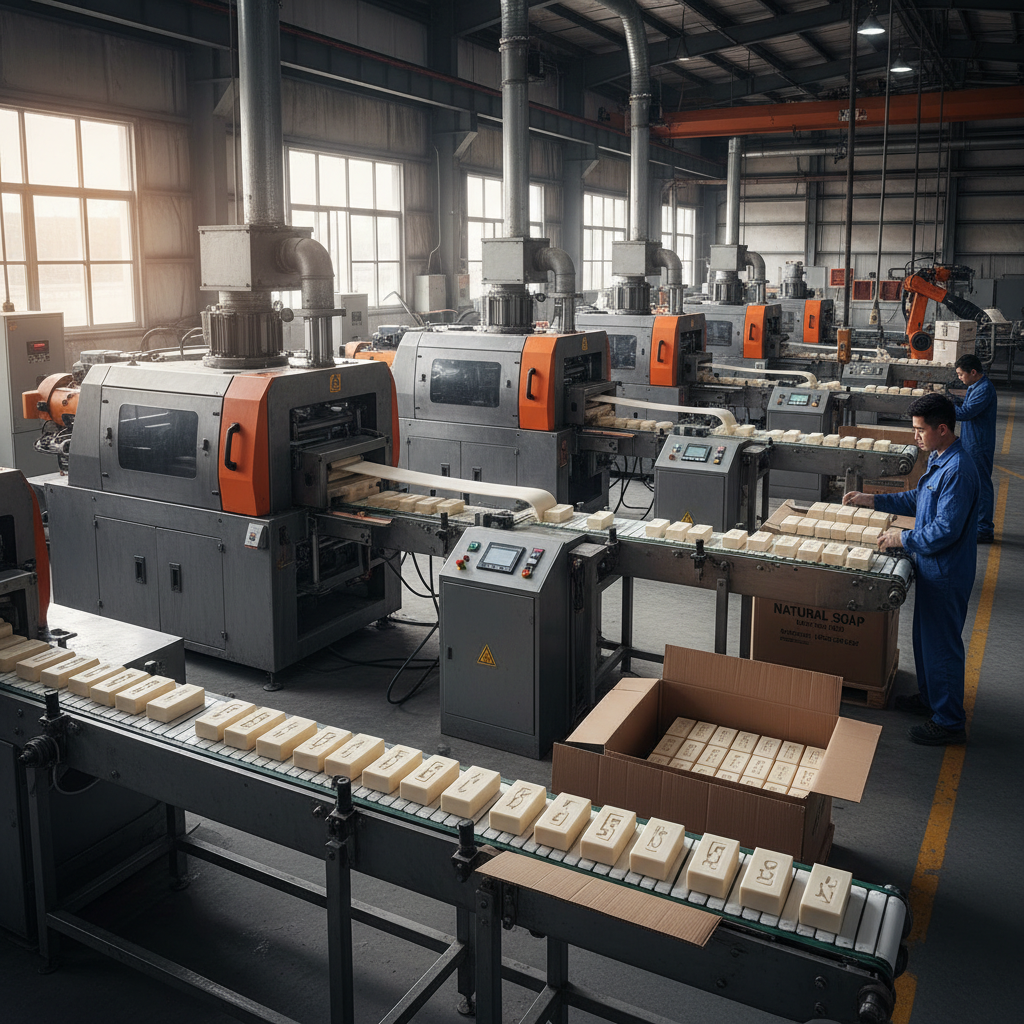
You know, in the world of soap manufacturing, getting that perfect mix is absolutely crucial. It's not just about throwing ingredients together; it's an art, really, and a science. For years, I've seen countless producers grapple with achieving consistent quality, especially when it comes to incorporating additives into their soap base. This is where a dedicated piece of equipment, the blending cylinder, truly shines, transforming what could be a messy, uneven process into a streamlined operation. Let's dive in and explore why this often-underestimated machine is a game-changer.
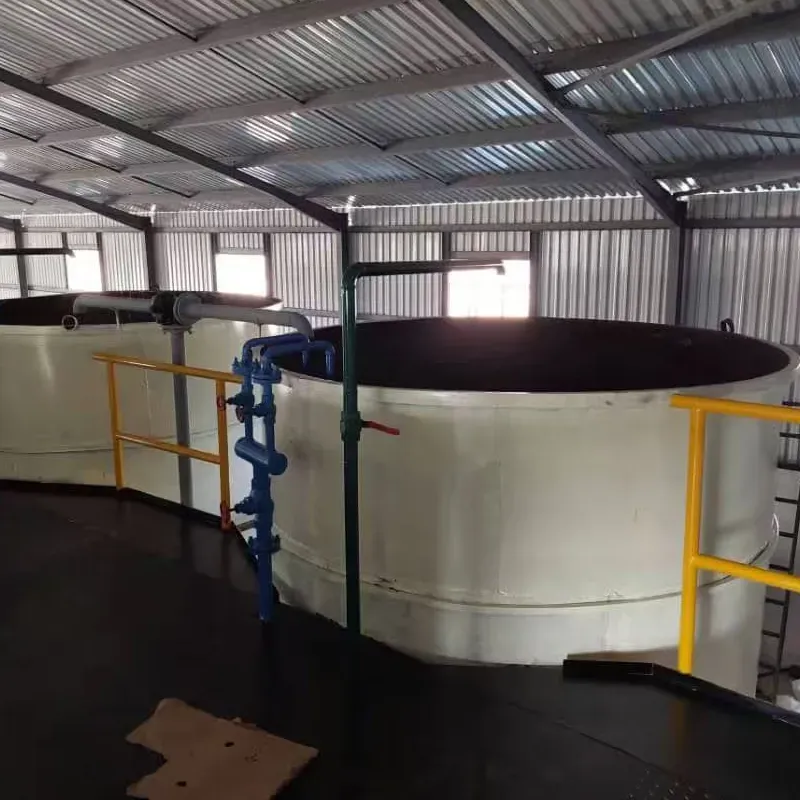
The Crucial Role of Blending in Modern Soap Production
Honestly, industry trends are constantly pushing for greater product uniformity and efficiency. Consumers today expect their soap bars to look, feel, and smell the same, batch after batch. This isn't just about brand reputation; it’s about meeting strict quality control standards. Think about it: an inconsistent blend can lead to patchy colours, uneven fragrance distribution, or even structural weaknesses in the final product. A proper blending method, especially one facilitated by a robust blending cylinder, ensures that your sodium silicate, pigments, essences, and other additives are perfectly homogenized with the soap base.
Inside the Blending Cylinder: A Technical Deep Dive
So, how does this magic happen? Essentially, the blending cylinder is designed for thorough, efficient batch mixing. Here's a typical process flow:
- Material Loading:The pre-processed soap base, often still warm and pliable, is loaded into the cylinder.
- Additive Introduction:Sodium silicate (for hardness and lather), various pigments for colour, and precious essences for fragrance are then carefully introduced. The goal here is controlled addition to prevent clumping.
- The Blending Cycle:The cylinder rotates, often with internal paddles or baffles, ensuring gentle yet effective mixing. This creates shear forces that help disperse additives uniformly throughout the viscous soap base. It’s all about achieving perfect homogenization.
- Discharge:Once the blending cycle is complete (which can vary depending on the specific formulation and desired consistency), the perfectly mixed soap base is discharged, ready for the next stages like milling, extrusion, or moulding.
I've seen these machines come in various sizes, but for many small to medium-scale operations, a capacity of around 2 tons per batch is pretty common and incredibly efficient. Let's look at some typical specs for one such unit:
|
Specification |
Detail |
|
Product Name |
Blending Cylinder |
|
Primary Function |
Mixing soap base with additives (sodium silicate, pigment, essence) |
|
Output Capacity |
≈ 2 tons per batch (real-world use may vary slightly) |
|
Motor Power |
4 kW |
|
Approx. Dimensions (L×W×H) |
Φ1500 × 3160 mm (Diameter × Length) |
|
Approx. Weight |
1200 kg |
Advantages and Key Application Scenarios
The advantages of using a dedicated blending cylinder are pretty clear, in my opinion:
- Unmatched Homogeneity:This is probably the biggest win. It ensures every single bar of soap from a batch has the same colour, scent, and structural integrity.
- Efficiency Gains:Batch processing becomes faster and less labour-intensive compared to manual mixing methods.
- Quality Control:By standardizing the blending process, it's easier to maintain consistent quality, reducing waste and ensuring customer satisfaction.
- Versatility:While we're talking about soap, these principles apply to other viscous material industries too, like certain cosmetics or even some food applications where ingredient dispersion is key.
These cylinders are vital in industries beyond just traditional bar soap, finding utility wherever a high-viscosity base needs consistent additive incorporation. Think detergent bars, specialized industrial cleaning blocks, and even some personal care product bases.
Choosing Your Blending Cylinder: What to Consider
When it comes to selecting a blending cylinder, it's not a one-size-fits-all situation. Customization is actually a big deal here. You might need different material grades (e.g., stainless steel for hygiene), variable speed motors for different viscosities, or even specific internal paddle designs. Many customers say that reliable vendor support and the ability to customize are just as important as the initial price tag. Here's a quick, general comparison guide:
|
Feature |
Premium Vendor Consideration |
Standard Vendor Consideration |
|
Build Quality & Materials |
High-grade stainless steel (e.g., SUS304/316L), robust welding, superior finish. Longer service life, easier cleaning. |
Standard stainless steel, adequate construction. Acceptable durability for general use. |
|
Motor & Controls |
Energy-efficient, reputable brand motors with variable frequency drives (VFD) for precise speed control. Advanced safety features. |
Standard industrial motor, possibly fixed speed or basic controls. Basic safety. |
|
Customization Options |
Extensive (size, heating/cooling jackets, specific agitator designs, automated loading/unloading). |
Limited (standard sizes, few add-ons). |
|
After-Sales Support |
Comprehensive warranty, readily available spare parts, expert technical assistance. |
Basic warranty, spare parts might take time, general technical support. |
|
Compliance & Certs |
Adherence to international standards (e.g., CE, GMP-compliant for certain applications), extensive test data. |
Meets local essential safety standards. |
Real-World Impact and Longevity
I've personally witnessed how upgrading to a high-quality blending cylinder can drastically improve a soap manufacturer's output and consistency. For instance, one client struggled with 'mottling' in their coloured soaps, leading to significant rejects. After implementing a new blending cylinder, their defect rate plummeted, and customer feedback on product appearance soared. It seems small investments in key machinery can have huge returns.
In terms of service life, a well-maintained blending cylinder, especially one built with durable materials like 304 or 316L stainless steel, can easily last decades. Regular cleaning, timely lubrication of moving parts, and periodic inspection of the motor and internal components are key. Adherence to industry best practices and perhaps even some internal testing standards (like ensuring uniform pigment distribution across different samples) will ensure your product maintains a competitive edge.
In conclusion, the blending cylinder might not be the flashiest machine in your production line, but its impact on product quality, consistency, and overall efficiency is undeniable. It’s a foundational piece of equipment that, when chosen and utilized correctly, can elevate your entire manufacturing process.
Authoritative Citations
- Handbook of Soap, Detergents and Emulsifiers. (2014). John Wiley & Sons.
- American Oil Chemists' Society (AOCS). (2018). Official Methods and Recommended Practices of the AOCS. AOCS Press.
- Smith, R. (2020). Principles of Chemical Engineering Design. McGraw-Hill Education.
- International Organization for Standardization (ISO). (Various standards on quality management systems, e.g., ISO 9001).