Uses of Ribbon Blender: A Comprehensive Guide
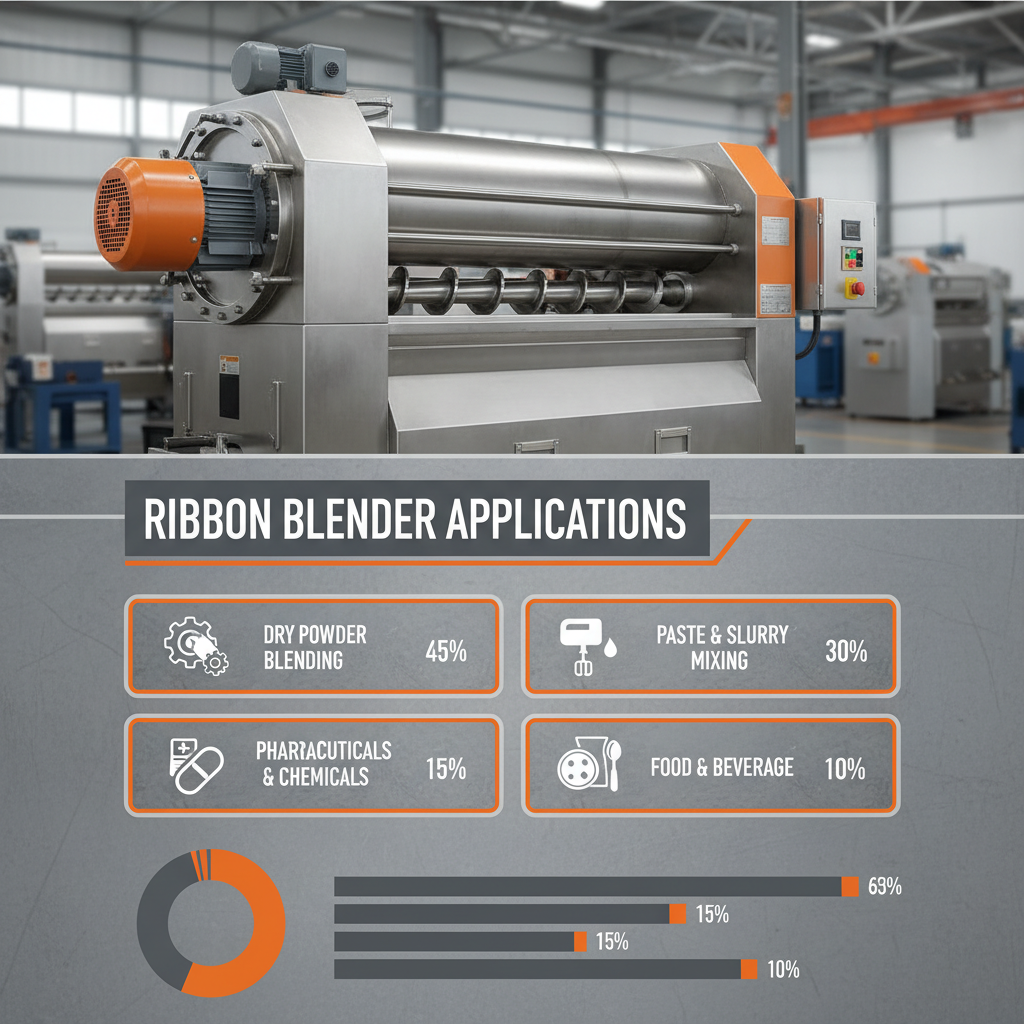
Ribbon blenders are versatile industrial mixing machines used across a wide range of industries. They efficiently combine dry ingredients and are particularly effective for handling cohesive or sticky materials. This article explores the diverse ribbon blender applications, highlighting their benefits and suitability for specific processes. Understanding these applications can help you determine if a ribbon blender is the right solution for your mixing needs. Proper material handling and efficient mixing are critical for product quality and consistency.
Food Industry Applications
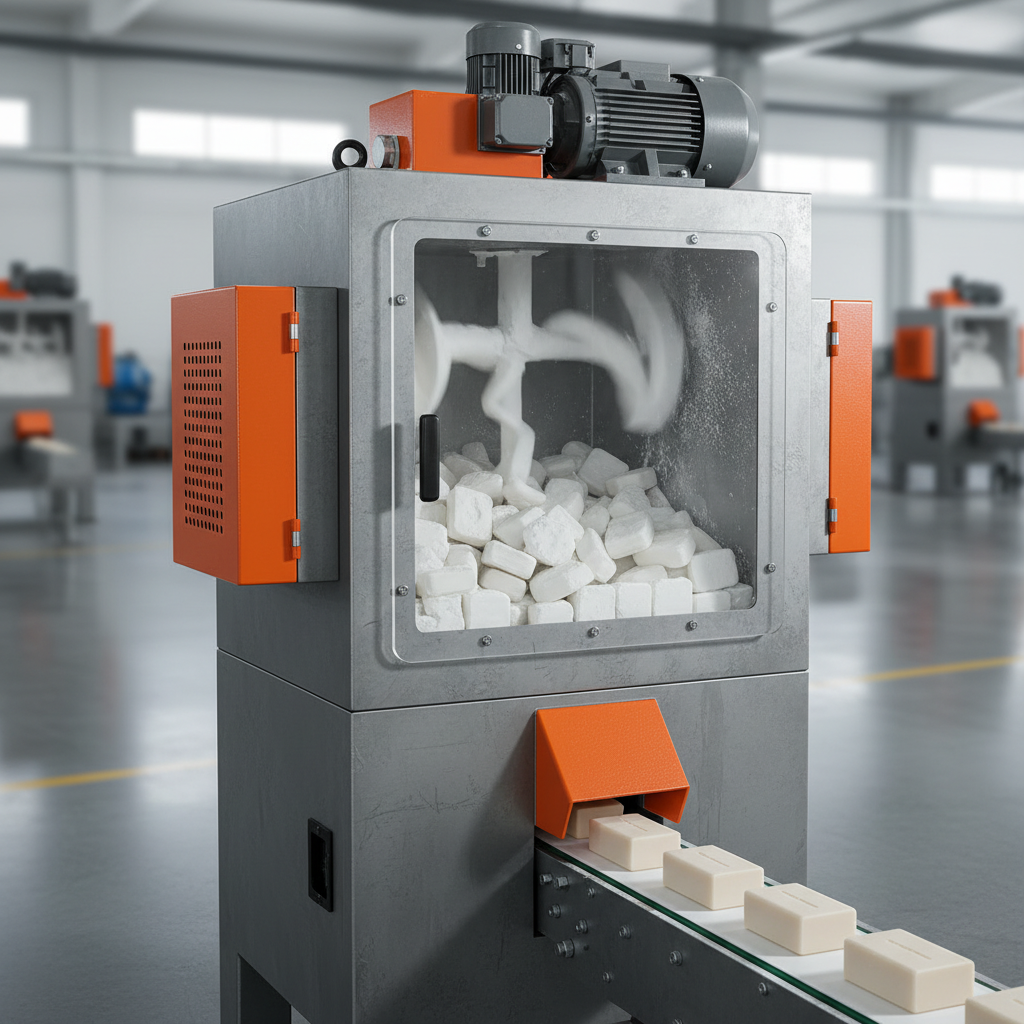
The food industry frequently utilizes ribbon blenders for mixing dry ingredients like flour, sugar, spices, cereals, and powdered milk. Their gentle mixing action prevents ingredient degradation, preserving flavor and texture. Ribbon blenders are also ideal for incorporating powdered additives into food products, ensuring homogenous distribution. Because of their easy-to-clean designs, ribbon blenders meet the stringent hygiene standards required in food processing. RS Soap Machine offers models designed specifically for food-grade applications.
Key Benefit: Gentle mixing action prevents ingredient degradation and maintains product quality.
Pharmaceutical & Chemical Blending
Ribbon blenders excel in pharmaceutical and chemical applications where precise and homogenous mixing is critical. They’re used for blending powders, granules, and other dry materials used in drug manufacturing, cosmetic production, and chemical formulations. The enclosed design minimizes dust emissions, protecting operators and preventing contamination. Their ability to handle a wide range of materials, including those with varying densities, makes them a versatile choice for diverse formulations.
Pharmaceutical Blending Advantages:
• Precise and homogenous mixing
• Enclosed design minimizes dust
• Handles varying densities effectively
Plastic & Polymer Industry: Compound Mixing
The plastic and polymer industry relies on ribbon blenders to uniformly mix additives, pigments, and stabilizers into plastic resins. This ensures consistent color, strength, and other desired properties in the final plastic product. Ribbon blenders can effectively blend materials like polyethylene, polypropylene, and PVC powders. RS Soap Machine’s ribbon blenders can be customized with abrasion-resistant materials to handle the abrasive nature of some plastic compounds.
Animal Feed Production
Ribbon blenders are essential in animal feed manufacturing for thoroughly mixing grains, vitamins, minerals, and other feed ingredients. Consistent ingredient distribution is crucial for ensuring animals receive a nutritionally balanced diet. The efficiency of the ribbon blender reduces mixing times, increasing production capacity. The ability to handle a large volume of materials makes ribbon blenders ideal for large-scale feed operations.
Detergent & Cleaning Product Manufacturing
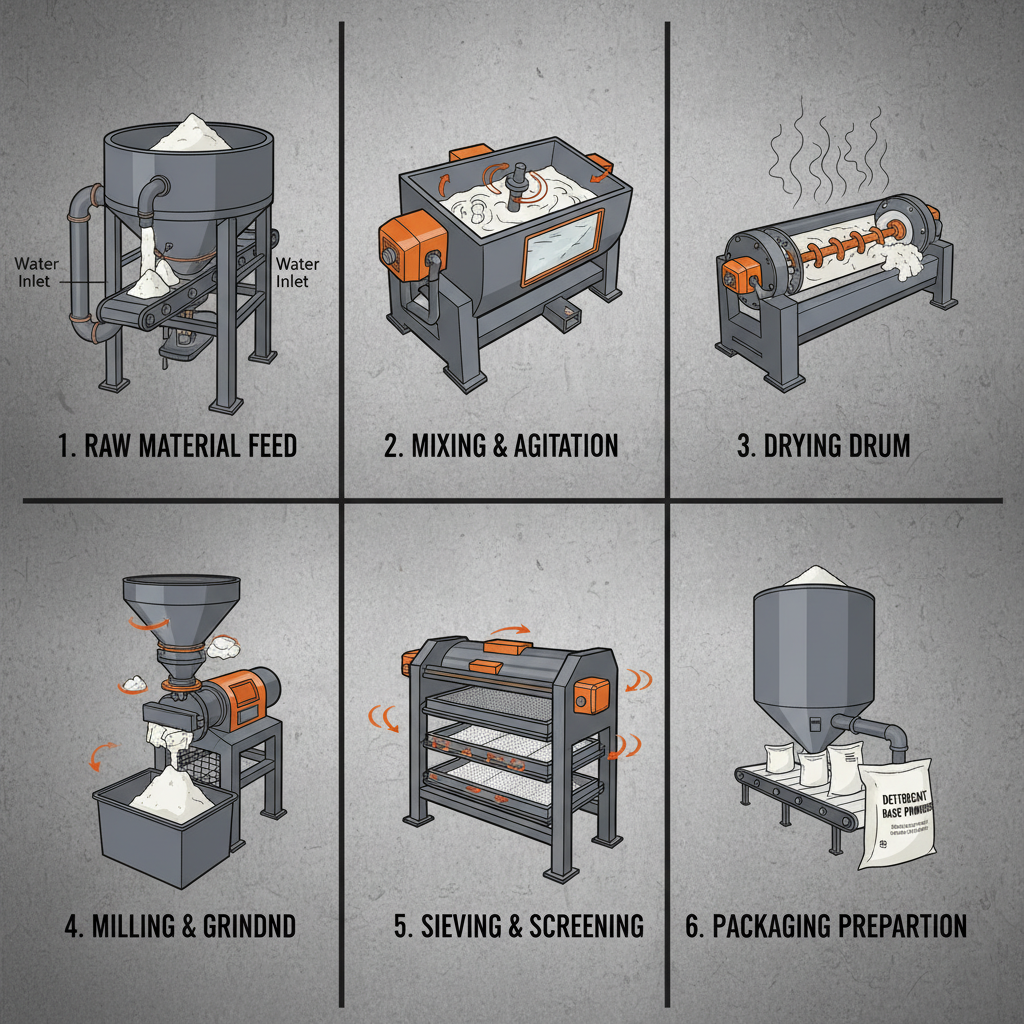
In the detergent and cleaning product industry, ribbon blenders are used to blend powdered ingredients like surfactants, builders, enzymes, and fragrances. The gentle action of the ribbon blender prevents damage to sensitive ingredients, preserving their effectiveness. They are also suitable for mixing abrasive materials like sodium carbonate and sodium sulfate. RS Soap Machine provides specialized models for these demanding applications.
Conclusion: The Versatility of Ribbon Blenders
From food processing to chemical manufacturing, ribbon blenders offer a reliable and efficient solution for dry material mixing. Their versatility, gentle mixing action, and ease of cleaning make them a valuable asset in a wide range of industries. RS Soap Machine offers a comprehensive selection of ribbon blenders designed to meet your specific needs.
Frequently Asked Questions (FAQs)
What types of materials can a ribbon blender handle?
Ribbon blenders are exceptionally versatile and can handle a wide range of dry materials, including powders, granules, flakes, and pastes. They are particularly effective with cohesive or sticky materials that are difficult to mix using other methods. However, extremely abrasive materials may require blenders constructed with abrasion-resistant materials. The ability to handle varying material densities is also a key strength of ribbon blenders. They excel with mixtures containing ingredients of significantly different sizes and weights, ensuring a homogenous blend.
How does a ribbon blender differ from other types of mixers?
Ribbon blenders differentiate themselves through their unique mixing mechanism. Unlike paddle mixers or V-blenders, ribbon blenders employ a helical ribbon agitator that moves materials both axially and radially. This results in a thorough and efficient blend, even with materials that tend to segregate. They are generally more gentle than high-speed mixers, minimizing ingredient degradation. Ribbon blenders are also typically more cost-effective than some other types of industrial mixers, making them a popular choice for a wide range of applications.
What size ribbon blender do I need?
Determining the appropriate ribbon blender size depends on the volume of material you need to mix per batch. Factors to consider include the material density, desired mixing time, and available floor space. It's generally recommended to choose a blender with a capacity that is slightly larger than your typical batch size to allow for proper mixing and prevent overflow. Contacting a mixing equipment supplier, like RS Soap Machine, can provide tailored recommendations based on your specific requirements.