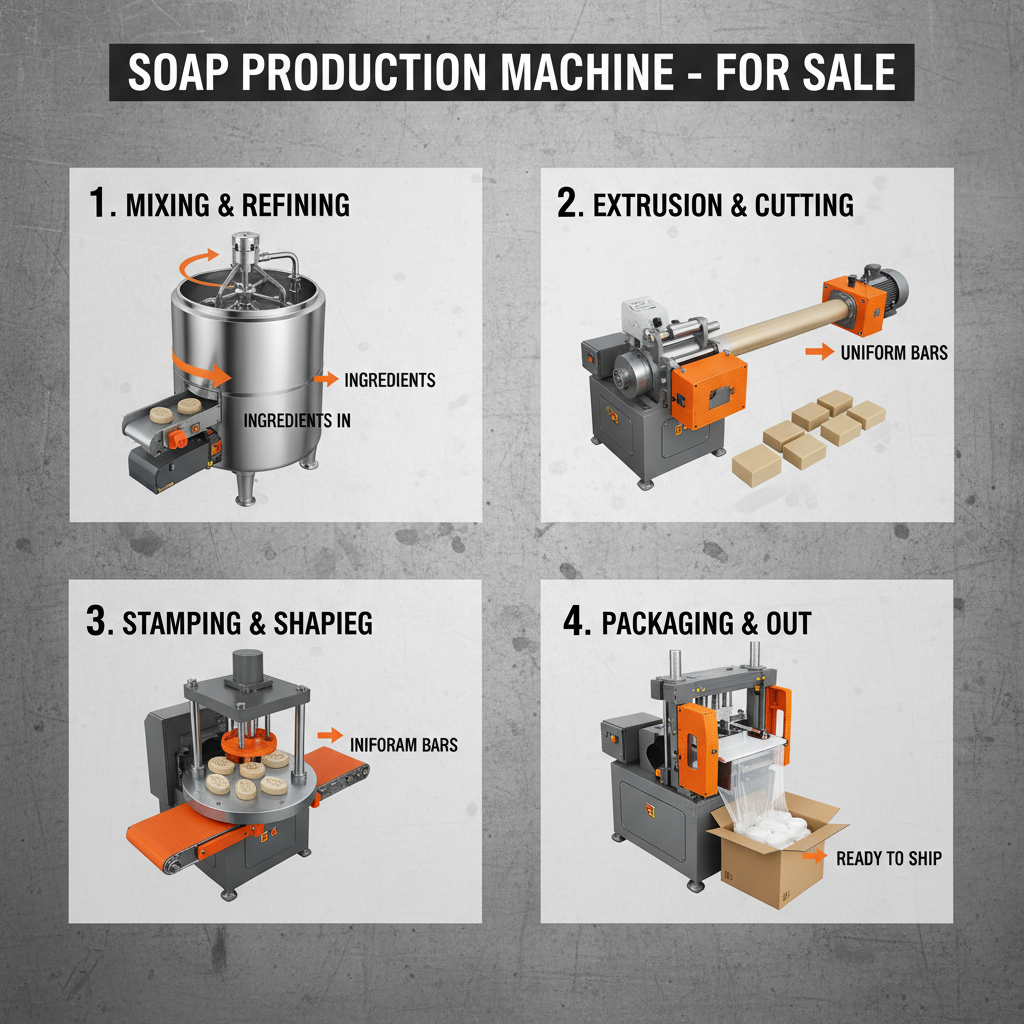
Look, I've spent the last fifteen years breathing concrete dust and dodging forklifts. I’ve seen a lot of soap production setups – from makeshift buckets in small workshops to fully automated lines churning out thousands of bars a day. What I can tell you is this: getting consistent quality, especially when scaling up, is a pain without the right tools. That's where the soap roller machine comes in. It's not flashy, but it gets the job done, reliably. We’re talking about a system that directly impacts production efficiency, product consistency, and ultimately, your bottom line.
And it’s not just about big factories. I've seen these machines in smaller operations making specialty soaps, and the difference is night and day. The precision mixing and controlled rolling leads to a far superior product. It simplifies a traditionally labor-intensive process. Honestly, the biggest struggle is convincing some folks to step away from 'the way we’ve always done it’ and embrace a smarter approach.
The biggest bottleneck I consistently see in soap making, especially as businesses grow, is consistent quality control. You can train people, you can implement SOPs, but human error is inevitable. A soap roller machine takes a huge chunk of that variability out of the equation, allowing you to focus on innovation and sales, not re-work.
The Importance of Soap Roller Machines in Modern Production
I’ve seen operations where the entire soap-making process is still done by hand, relying on muscle power and years of experience. It works, to a point. But try scaling that up to meet growing demand. It quickly becomes unsustainable. A soap roller machine isn't about replacing skilled labor; it’s about amplifying it. It’s about allowing those skilled craftspeople to focus on what they do best – formulating unique recipes and perfecting the final product – rather than getting worn down by repetitive, physically demanding tasks.
The truth is, consistent quality is paramount, and a machine delivers that consistency. It reduces waste, minimizes errors, and ultimately, creates a more efficient and reliable production process. It's an investment that pays for itself in the long run.
Defining the Soap Roller Machine
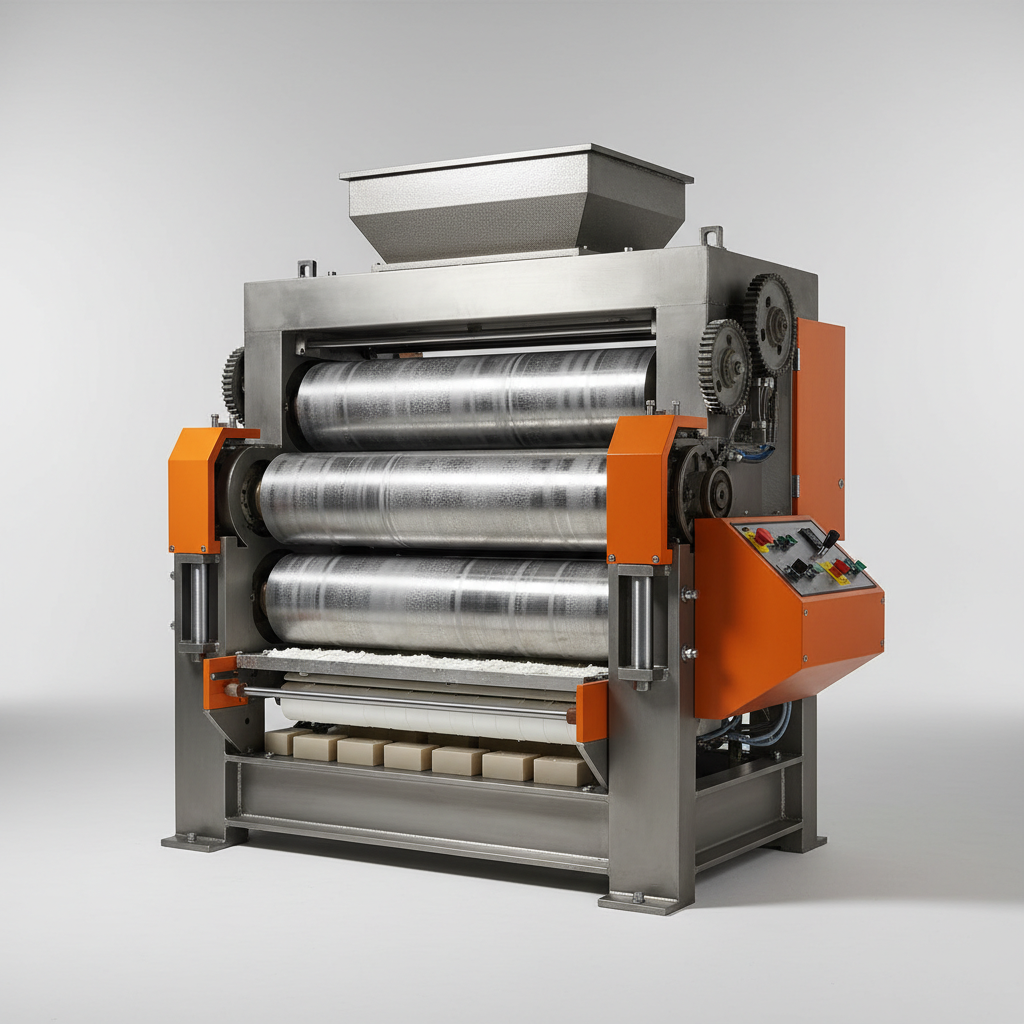
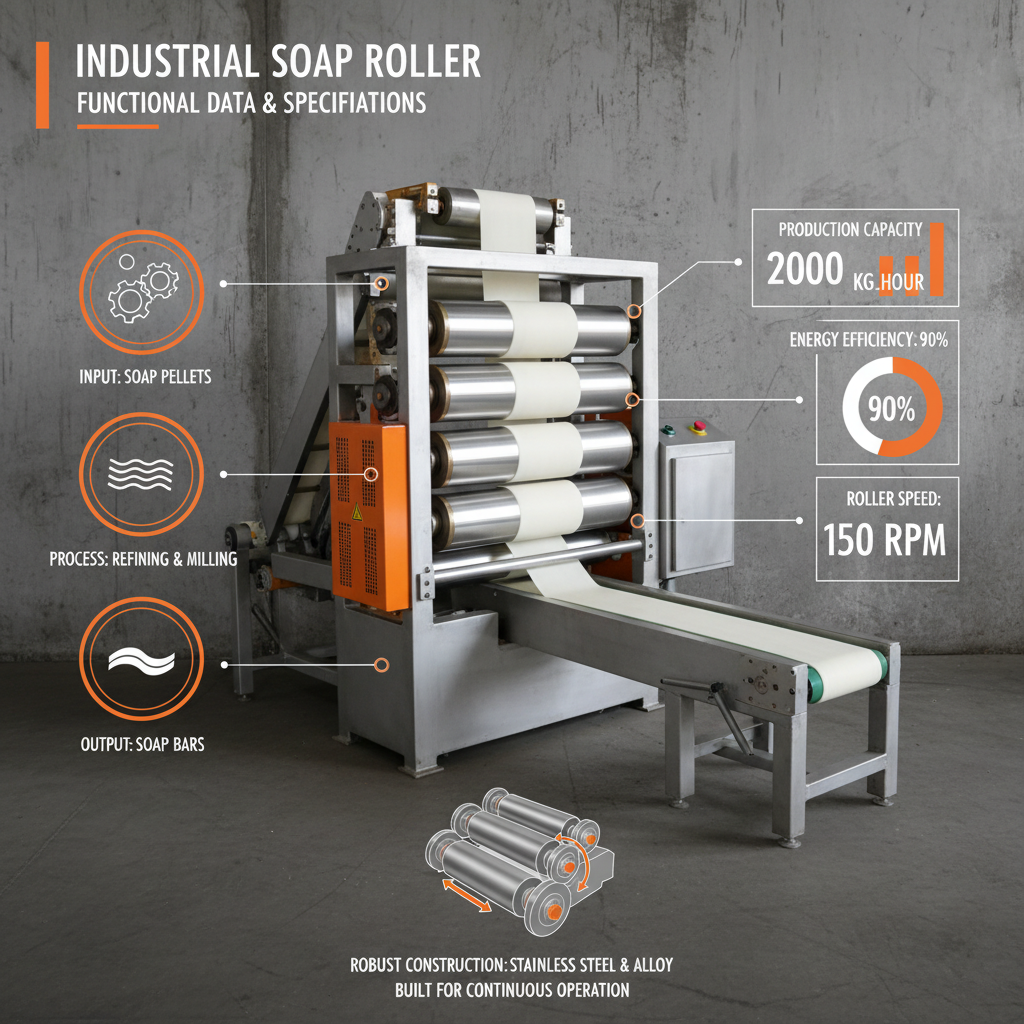
Simply put, a soap roller machine is a piece of equipment designed to uniformly mix and compress soap materials into a consistent, rollable sheet. Traditionally, this was done by hand, using tables and rollers, a process that required significant physical effort and skill. Modern machines automate this process, offering precise control over speed, pressure, and temperature. This control is crucial for achieving the desired texture, density, and overall quality of the soap.
It’s not just about rolling the soap, it's about the preliminary mixing too. Many machines integrate mixing capabilities, ensuring the ingredients are thoroughly blended before being rolled. This reduces air pockets and ensures a homogenous mixture, crucial for a high-quality finished product.
It's a fundamental link in the chain for any substantial soap production. From artisanal batches to large-scale industrial runs, the machine acts as a central component, ensuring product uniformity and reducing manual labor demands.
Key Factors Driving Soap Roller Machine Adoption
Durability is huge. I've seen machines built to last, constructed from stainless steel and heavy-duty components. You're not just buying a machine; you're buying years of reliable operation. I always tell people, if it's not built to withstand a factory floor, it's not worth the money.
Scalability is another big one. As demand grows, a soap roller machine allows you to increase production without sacrificing quality. You can easily adjust the speed and settings to meet changing requirements.
Cost efficiency is obvious. Reduced labor costs, less waste material, and improved product consistency all contribute to a healthier bottom line. But it goes beyond that. A reliable machine minimizes downtime and reduces the need for costly repairs. The machines' build quality minimizes the down time.
Cleanability is often overlooked. Soap residue can be a nightmare to clean up. Machines designed with easy access and smooth surfaces make maintenance a breeze.
Automation, I keep hearing the term thrown around. Modern machines have automated features, like programmable settings and automatic shut-offs, which streamlines the entire production process.
Finally, and this is something I’ve noticed, the integration with existing equipment is crucial. A machine that seamlessly integrates with your current setup will save you time and money.
Global Applications and Diverse Use Cases
I’ve seen these machines being used everywhere, from small artisan soap makers in Europe to large-scale industrial facilities in Asia. In post-disaster relief operations, the ability to quickly and efficiently produce hygiene products can be life-saving. These machines enable local production, reducing reliance on external aid.
In remote industrial zones, where access to skilled labor is limited, a soap roller machine provides a reliable solution for maintaining consistent product quality. It allows businesses to operate effectively even in challenging environments.
We're also seeing increased use in developing countries, where local entrepreneurs are using these machines to establish small-scale soap-making businesses, creating jobs and boosting local economies. It’s a significant step toward self-sufficiency and economic empowerment. It’s a simple tool that can make a real difference.
Soap Roller Machine Performance Metrics
Advantages and Long-Term Value Proposition
Let’s talk about the tangible benefits. Reduced labor costs, less waste, and increased production capacity translate directly into higher profits. But it’s more than just numbers. These machines enhance worker safety by eliminating the need for strenuous manual labor. A safer work environment builds trust and improves morale.
Sustainability is another huge factor. Reduced waste and efficient use of resources contribute to a smaller environmental footprint. Consumers are increasingly demanding sustainable products, and a soap roller machine can help you meet that demand. You’re not just selling soap; you’re selling a commitment to a better future.
Future Trends and Innovations in Soap Roller Technology
I’m seeing a lot of movement towards integrating these machines with digital control systems. We’re talking about remote monitoring, data analytics, and predictive maintenance. Being able to track performance in real-time and identify potential issues before they become major problems is a game-changer.
Automation is also continuing to evolve. We’re seeing machines that can automatically adjust settings based on the type of soap being produced, reducing the need for manual intervention. And the push towards energy efficiency is driving the development of more sustainable machine designs.
Addressing Challenges and Implementing Solutions
One of the biggest challenges is initial investment cost. These machines can be expensive, especially for smaller businesses. But it’s important to look at it as a long-term investment. The increased efficiency and reduced costs will quickly offset the initial expense.
Another challenge is finding skilled technicians to maintain and repair the machines. Proper training and preventative maintenance are crucial for ensuring reliable operation.
Finally, integration with existing infrastructure can be tricky. Careful planning and consideration of your current setup are essential for a smooth transition. I've seen too many operations fail because they didn't properly assess their needs before investing.
Summary of Soap Roller Machine Challenges and Solutions
| Challenge |
Impact on Soap Production |
Solution |
Implementation Cost (1-10) |
| High Initial Investment |
Limits access for small businesses |
Explore leasing options or phased implementation |
7 |
| Lack of Skilled Technicians |
Downtime and repair costs |
Invest in comprehensive training programs |
6 |
| Integration with Existing Systems |
Disruptions to production flow |
Conduct thorough assessments and plan carefully |
5 |
| Maintaining Consistent Quality |
Product variability and customer dissatisfaction |
Regular calibration and quality control checks |
4 |
| Cleaning and Maintenance |
Downtime and hygiene concerns |
Choose machines with easy-clean designs |
3 |
| Adapting to Different Soap Formulas |
Difficulty handling varied ingredients |
Select machines with adjustable settings |
5 |
FAQS
Regular maintenance is vital. You're looking at daily cleaning of rollers, weekly lubrication of moving parts, and annual inspections by a qualified technician. Neglect this, and you'll be looking at costly downtime. Keep a log of all maintenance performed; it’ll save you headaches down the road. And don't underestimate the power of a simple visual inspection – look for worn belts, loose bolts, and any signs of damage.
The consistent pressure and speed of the rollers ensure uniform mixing and compression of the soap mixture. This minimizes variations in density and texture, resulting in a more consistent final product. Think about it: a human operator can’t maintain the same pressure and speed throughout an entire production run. A machine can, and that's where you see the biggest difference in quality.
Emergency stop buttons are a must. Guards to prevent access to moving parts are also crucial. Look for machines with overload protection to prevent damage. And ensure the machine meets relevant safety standards in your region. Safety isn’t an afterthought; it should be a primary consideration when choosing a machine.
Most modern machines have adjustable settings for speed, pressure, and temperature, allowing them to handle a wide range of soap formulations. However, it's essential to check the manufacturer's specifications to ensure the machine is compatible with the specific ingredients you're using. Some formulations are more abrasive or viscous than others, and that can impact machine performance.
The payback period varies depending on your production volume and existing costs. But generally, you can expect to see a return on investment within 12-24 months. The savings from reduced labor costs, less waste, and improved product quality will quickly add up. It’s an investment in efficiency and long-term profitability.
Consider your current and projected production volume. A machine that’s too small will become a bottleneck, while a machine that’s too large will be an unnecessary expense. Factor in the types of soaps you're producing, the space available in your facility, and your budget. Consulting with a reputable supplier can help you determine the optimal size for your needs.
Conclusion
Ultimately, the soap roller machine isn’t just about automating a process; it’s about building a more efficient, reliable, and sustainable soap production operation. It’s about empowering your team to focus on innovation and quality. It’s about future-proofing your business against increasing demand and evolving market trends.
If you're serious about scaling your soap production, improving product consistency, and reducing costs, investing in a high-quality soap roller machine is a smart move. Don’t just take my word for it – do your research, talk to other manufacturers, and visit www.rssoapmachinery.com to learn more about the options available. Your bottom line will thank you.