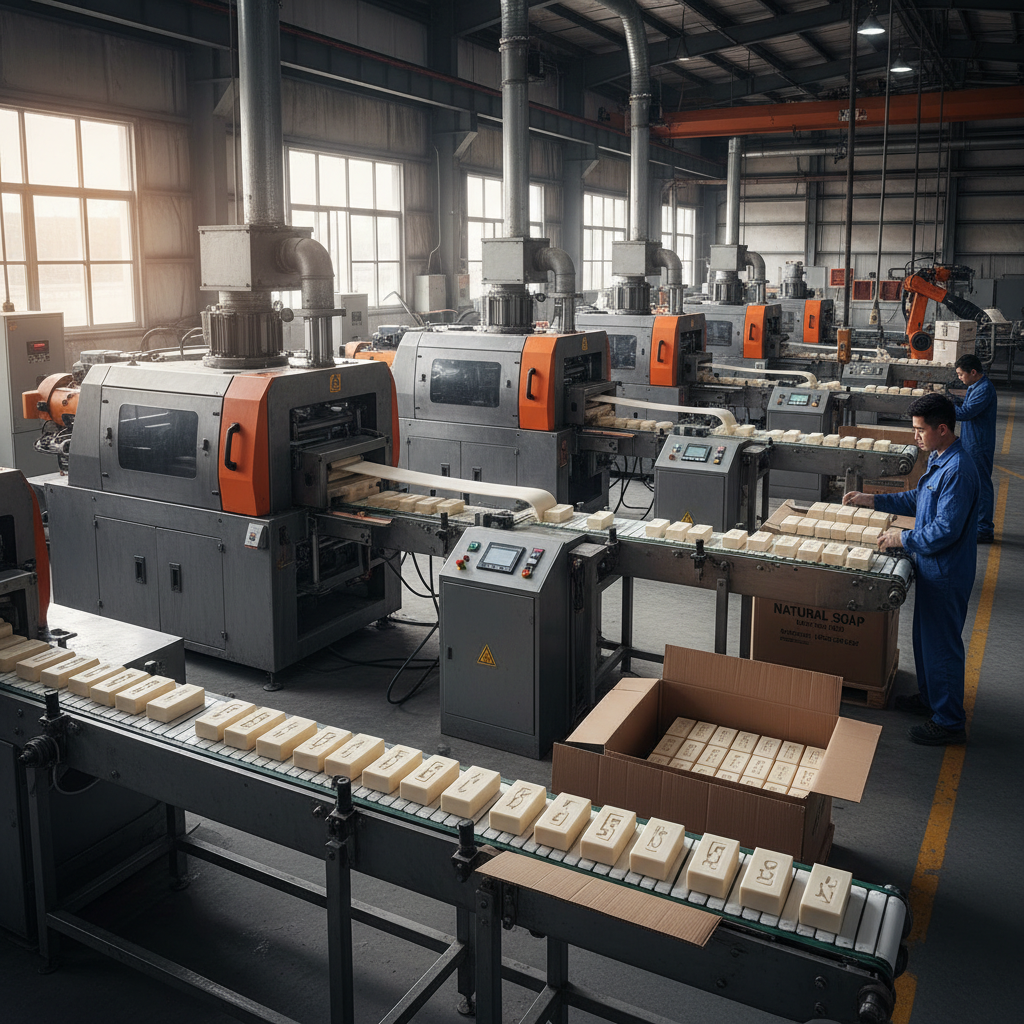
Choosing the Right Mixer Machine for Rubber: A Comprehensive Guide
Selecting the ideal rubber mixer machine is crucial for optimizing your production process and ensuring product quality. This article provides an in-depth look at the different types of rubber mixing machines, their applications, key features, and factors to consider when making a purchase. We'll explore how the right mixer can enhance efficiency, reduce waste, and ultimately improve your bottom line. A well-chosen mixer will contribute significantly to a consistent and high-quality rubber product.
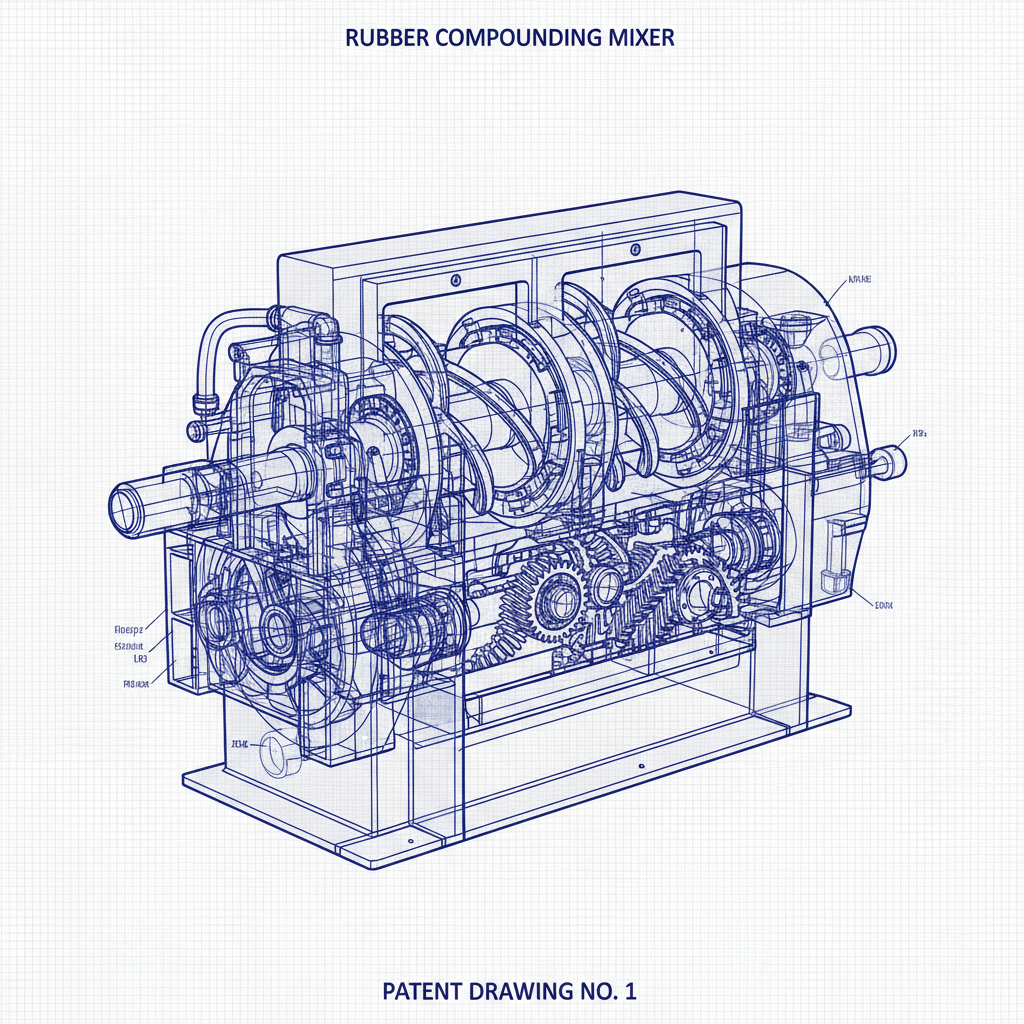
Understanding the Different Types of Rubber Mixer Machines
Rubber mixer machines come in various designs, each suited to specific applications and production volumes. The two primary types are internal mixers (Banbury mixers) and open mills (two-roll mills). Internal mixers offer high efficiency and are ideal for large-scale production, while open mills are more versatile and suitable for smaller batches and specialized compounds. There are also continuous mixers for high-volume, consistent output. Selecting the appropriate type depends on your specific requirements, budget, and desired level of automation.
Key Considerations: Choosing between internal mixers, open mills, and continuous mixers depends on production volume, compound complexity, and budget constraints. RS Soap Machine provides expert guidance to help you determine the best solution for your needs.
Internal Mixers (Banbury Mixers): High-Volume Efficiency
Internal mixers, also known as Banbury mixers, are closed systems designed for high-volume rubber mixing. They feature rotating rotors within a mixing chamber, providing intense shearing action that quickly and efficiently blends rubber and other ingredients. These mixers are ideal for producing large batches of consistent compounds, minimizing labor costs, and ensuring uniform dispersion of ingredients. They are particularly well-suited for tire manufacturing, automotive components, and other large-scale rubber applications.
Internal Mixer Benefits:
• High mixing efficiency and speed
• Consistent compound quality
• Reduced labor costs
• Suitable for large-scale production
Open Mills (Two-Roll Mills): Versatility and Precision for Mixer Machine for Rubber
Open mills, consisting of two rotating rollers, are a versatile option for rubber mixing, particularly for smaller batches and specialized compounds. They allow for precise control over mixing parameters, making them suitable for developing custom formulations and achieving specific material properties. Open mills are also commonly used for finishing operations, such as sheet calendaring and coating. While slower than internal mixers, they offer greater flexibility and are often preferred for R&D and small-scale production runs.
Choosing the Right Mixer Machine for Rubber: Key Considerations
Several factors should influence your decision when selecting a rubber mixer. Consider your production volume, the types of rubber compounds you'll be mixing, your budget, and the available floor space. Factors like cooling systems, control automation, and safety features are also critical. RS Soap Machine offers customized solutions tailored to your specific operational needs.
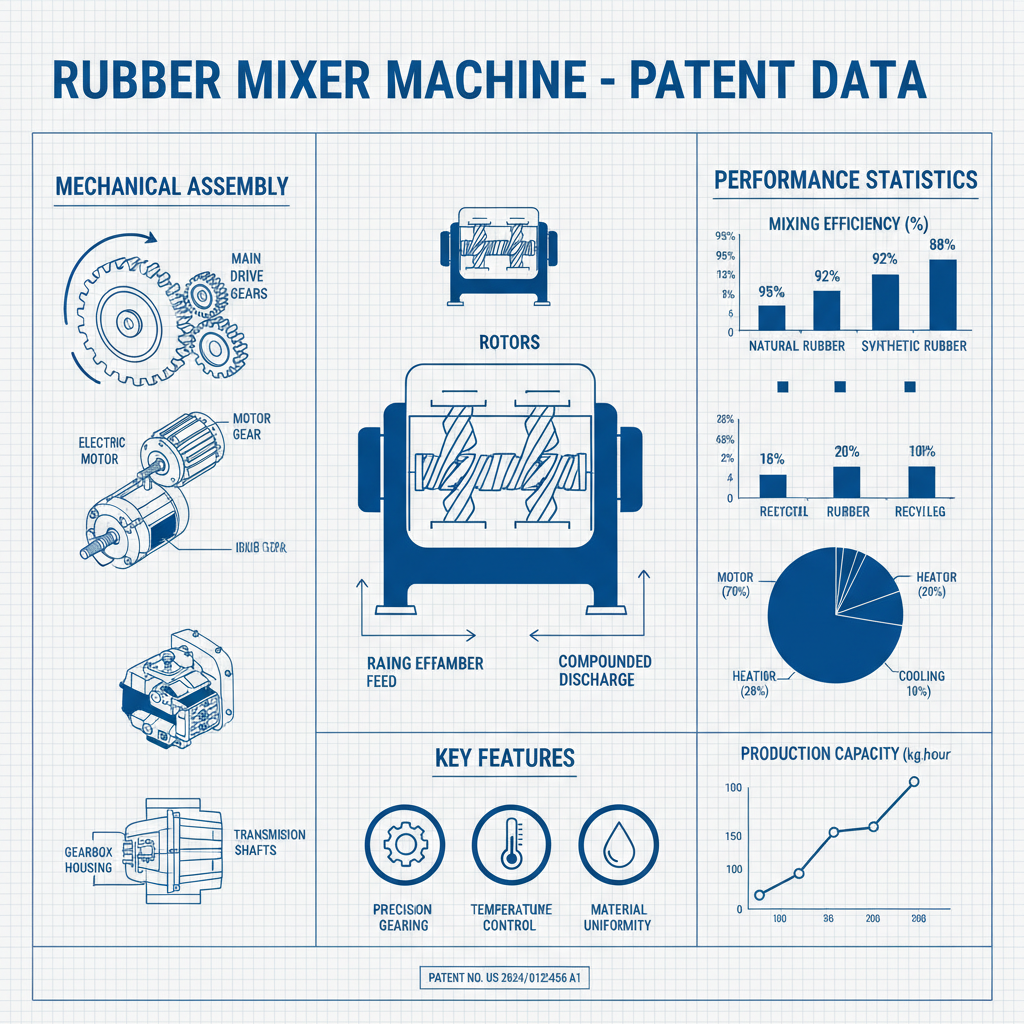
RS Soap Machine: Your Trusted Partner for Rubber Mixing Solutions
At RS Soap Machine, we specialize in providing high-quality, reliable rubber mixer machines to businesses of all sizes. We offer a comprehensive range of internal mixers, open mills, and continuous mixers, along with expert technical support and after-sales service. Our commitment to innovation and customer satisfaction makes us the ideal partner for all your rubber mixing needs. We provide both standard and custom-built solutions to meet your specific requirements, ensuring optimal performance and efficiency.
Conclusion: Investing in the Right Rubber Mixer Machine
Investing in the right rubber mixer machine is a strategic decision that can significantly impact your production efficiency, product quality, and overall profitability. Whether you choose an internal mixer, an open mill, or a continuous mixer, partnering with a trusted supplier like RS Soap Machine ensures you receive a reliable, high-performance machine backed by exceptional support. Don't compromise on quality – choose the right mixer for your business.
Frequently Asked Questions (FAQs)
What maintenance is required for a rubber mixer machine?
Regular maintenance is crucial for extending the lifespan and ensuring optimal performance of your rubber mixer machine. This includes daily cleaning to remove rubber residue, lubrication of moving parts, and periodic inspection of seals, bearings, and drive systems. For internal mixers, rotor tip maintenance is essential. Open mills require regular roll polishing to maintain surface quality. RS Soap Machine offers comprehensive maintenance services and provides detailed manuals to guide you through proper care and upkeep. Neglecting maintenance can lead to costly repairs and downtime.
What safety features should I look for in a rubber mixer?
Safety is paramount when operating rubber mixer machines. Key safety features include emergency stop buttons, safety guards to prevent access to moving parts, overload protection systems, and interlocks that shut down the machine if guards are opened. Proper grounding is also essential to prevent electrical hazards. Operators should receive thorough training on safe operating procedures and wear appropriate personal protective equipment (PPE). RS Soap Machine prioritizes safety in its machine designs and incorporates these critical features as standard.
What is the typical lead time for a custom-built rubber mixer machine?
The lead time for a custom-built rubber mixer machine varies depending on the complexity of the design, the availability of materials, and our current production schedule. Typically, the lead time ranges from 8 to 16 weeks. We work closely with our clients throughout the design and manufacturing process to ensure timely delivery. Contact RS Soap Machine to discuss your specific requirements and obtain a precise quote and lead time estimate.
How can I determine the appropriate mixer size for my production needs?
Determining the appropriate mixer size involves considering your production volume, batch size, and the density of the rubber compound. A larger mixer can handle larger batches but may be less efficient for smaller runs. RS Soap Machine's experienced engineers can assist you in calculating the optimal mixer size based on your specific production parameters. We'll analyze your requirements and recommend a machine that provides the best balance of capacity, efficiency, and cost-effectiveness.