The global demand for cleaning agents is consistently high, driven by factors such as population growth, increasing hygiene awareness, and expanding industrial activities. A detergent powder plant plays a crucial role in meeting this demand, providing a cost-effective and efficient means of producing essential cleaning products. Understanding the intricacies of these plants – from their operational components to their impact on sustainability – is becoming increasingly important for manufacturers, researchers, and policymakers alike.
The design and operation of a detergent powder plant are complex processes, requiring careful consideration of chemical engineering principles, safety protocols, and environmental regulations. The industry is constantly evolving, with a growing focus on developing eco-friendly formulations and optimizing production processes to minimize waste and energy consumption. Therefore, a comprehensive understanding of detergent powder plants enables informed decision-making and promotes sustainable practices.
From large-scale industrial production to smaller, regional facilities, the efficient functioning of a detergent powder plant is fundamental to supplying cleaning products to homes, businesses, and institutions worldwide. Investment in innovative technologies and skilled workforce development are essential for maintaining competitiveness and addressing the evolving needs of the market.
Introduction to Detergent Powder Plant
A detergent powder plant is a sophisticated industrial facility designed for the large-scale production of detergent powders. These plants typically involve a series of complex processes, including raw material handling, mixing, spray drying, granulation, and packaging. The efficient operation of a detergent powder plant is vital for meeting the ever-increasing global demand for cleaning agents.
The process starts with the sourcing of key raw materials, such as sodium tripolyphosphate (STPP), sodium carbonate, sodium silicate, surfactants, and enzymes. These ingredients are precisely blended according to specific formulations, then processed to create the final powdered detergent product. Modern plants emphasize automation and quality control to ensure consistent product standards and optimize production efficiency.
The Global Relevance of Detergent Powder Plants
The detergent industry is a multi-billion dollar global market, essential for maintaining public health and hygiene. According to recent UN reports, access to sanitation and cleaning products is directly correlated with reduced disease transmission and improved quality of life. Detergent powder plants are critical infrastructure in meeting this global need, particularly in developing countries where affordability and accessibility are paramount.
The World Bank highlights the economic impact of the detergent industry, providing employment opportunities and contributing to national economies. The increasing urbanization and rising disposable incomes in emerging markets are further driving the demand for detergent products. This growth underscores the strategic importance of establishing and maintaining efficient and sustainable detergent powder production facilities.
International Organization for Standardization (ISO) standards dictate quality control measures and environmental management systems within the detergent manufacturing sector. Adherence to these standards ensures that detergent powder plants operate responsibly, minimizing their environmental footprint and producing safe, high-quality products for consumers worldwide.
Defining a Detergent Powder Plant
A detergent powder plant is essentially a manufacturing facility dedicated to converting raw chemical ingredients into powdered detergent products. It’s a complex interplay of chemical engineering, mechanical engineering, and process control. Unlike liquid detergent manufacturing, powder production requires specialized equipment for spray drying, granulation, and dust control to ensure a free-flowing, stable final product.
The plant's operations are deeply connected to modern industry and humanitarian needs. Efficient detergent production ensures accessible hygiene, impacting public health, sanitation standards, and disease prevention. In disaster relief scenarios, the rapid availability of detergent is crucial for preventing the spread of infection and maintaining basic sanitation.
Beyond household cleaning, detergent powder plants also cater to industrial applications, providing cleaning solutions for textiles, food processing, and various manufacturing processes. The plant’s ability to tailor formulations to specific industry requirements is a key aspect of its versatility.
Core Components & Operational Factors
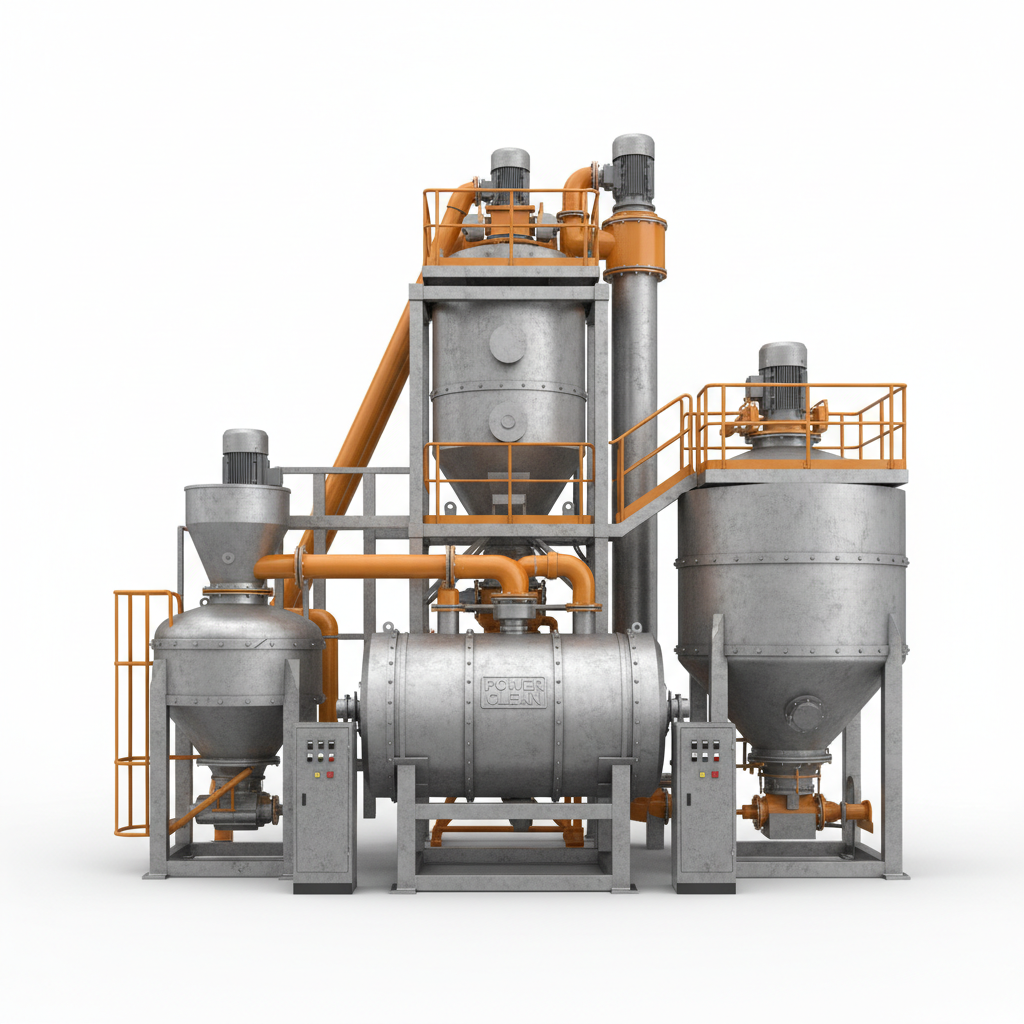
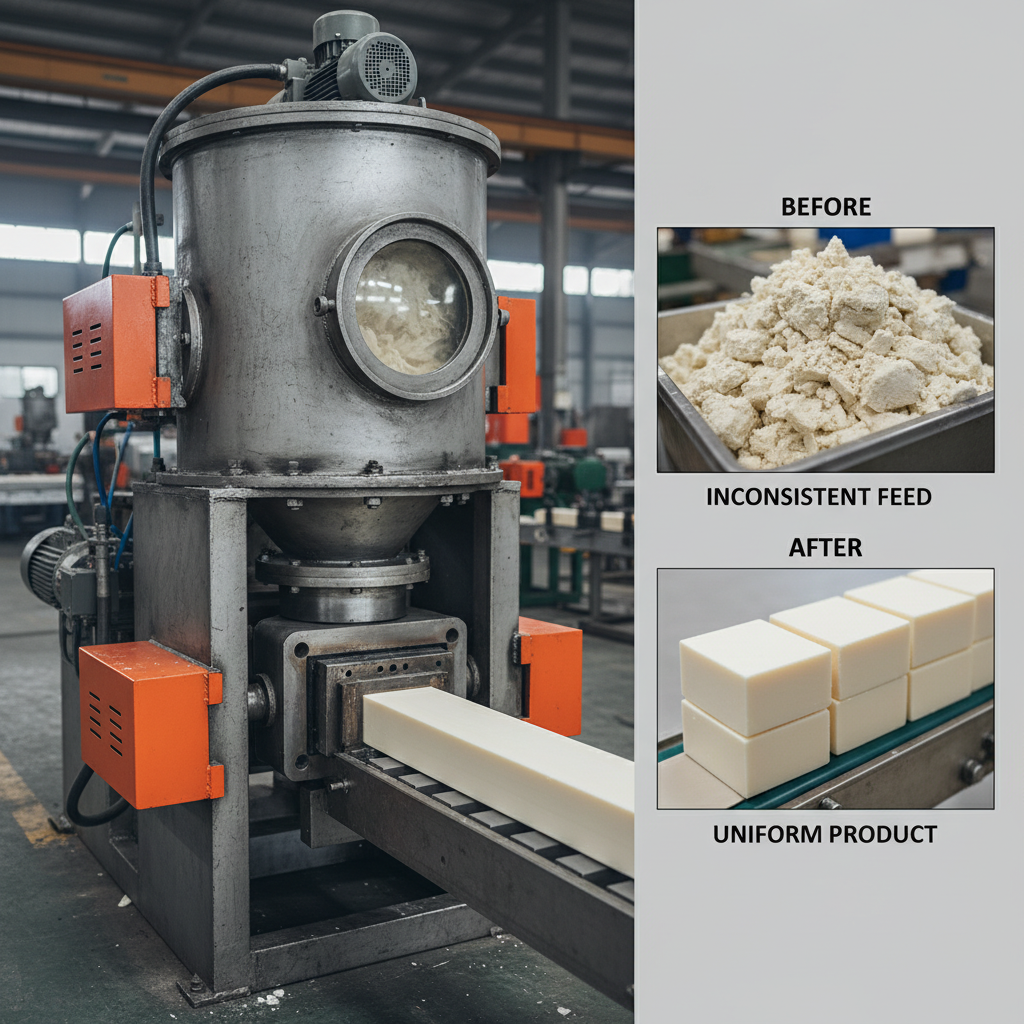
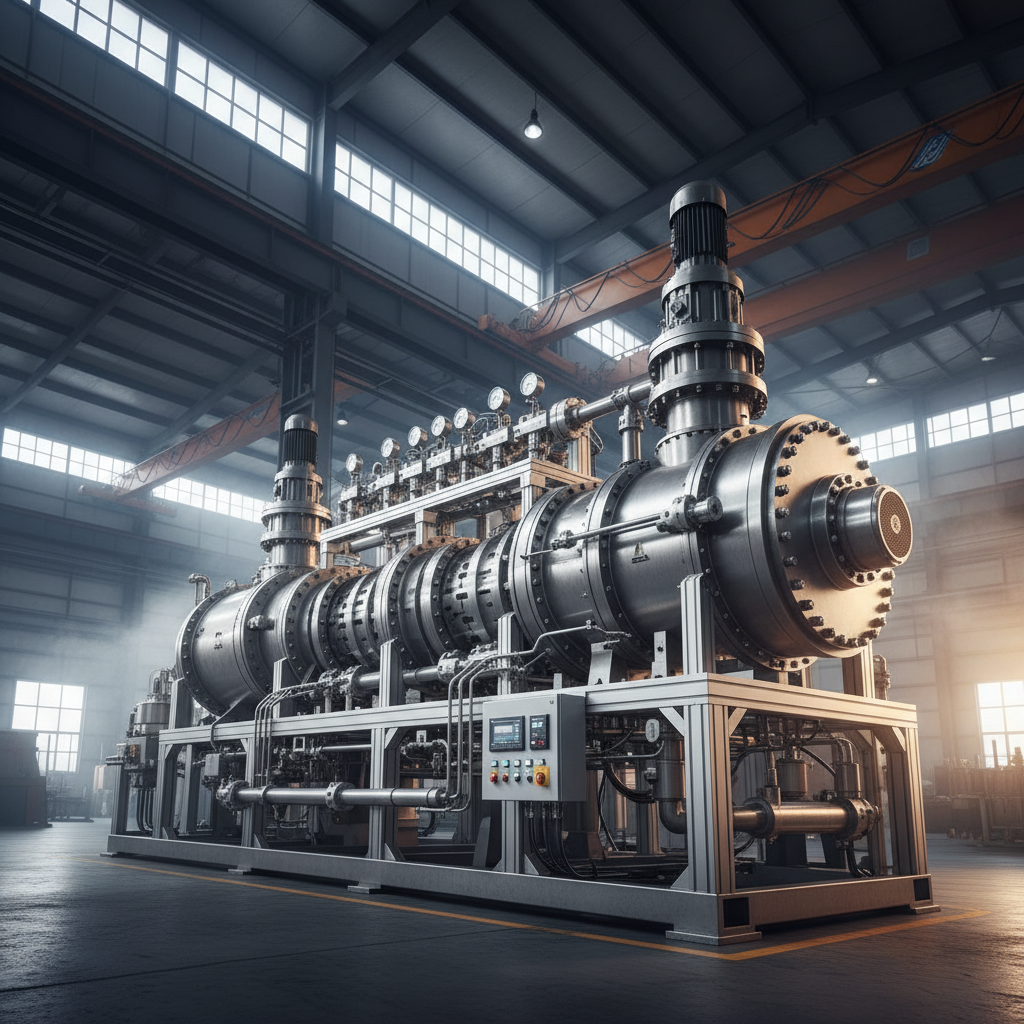
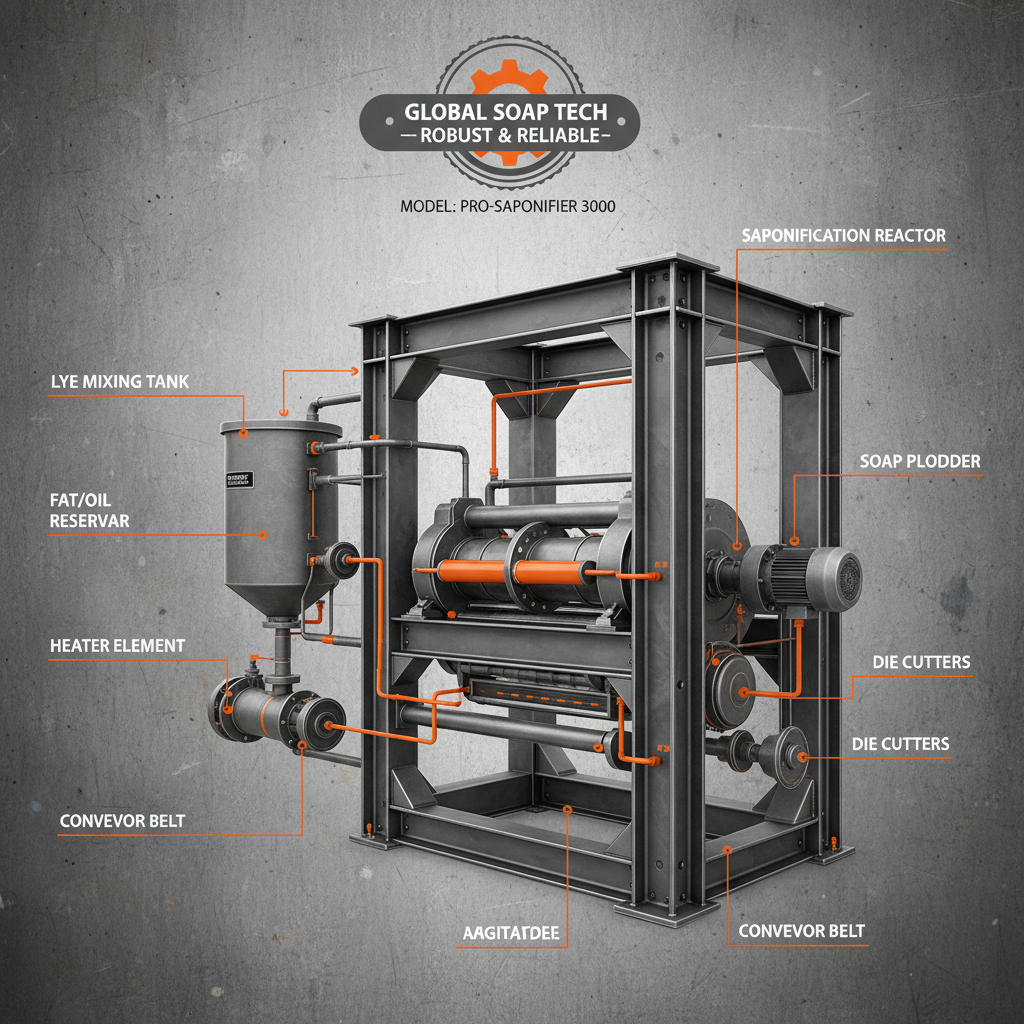
Several core components drive the efficiency and effectiveness of a detergent powder plant. These include sophisticated mixing systems, spray dryers for transforming liquid slurry into powder, granulation units for improving powder flowability, and advanced packaging lines for ensuring product integrity. Effective raw material handling and storage systems are also critical for maintaining a consistent supply chain.
Operational factors such as precise formulation control, temperature regulation during drying, and dust suppression are crucial for maintaining product quality and ensuring a safe working environment. Regular maintenance and calibration of equipment are essential for minimizing downtime and maximizing production output.
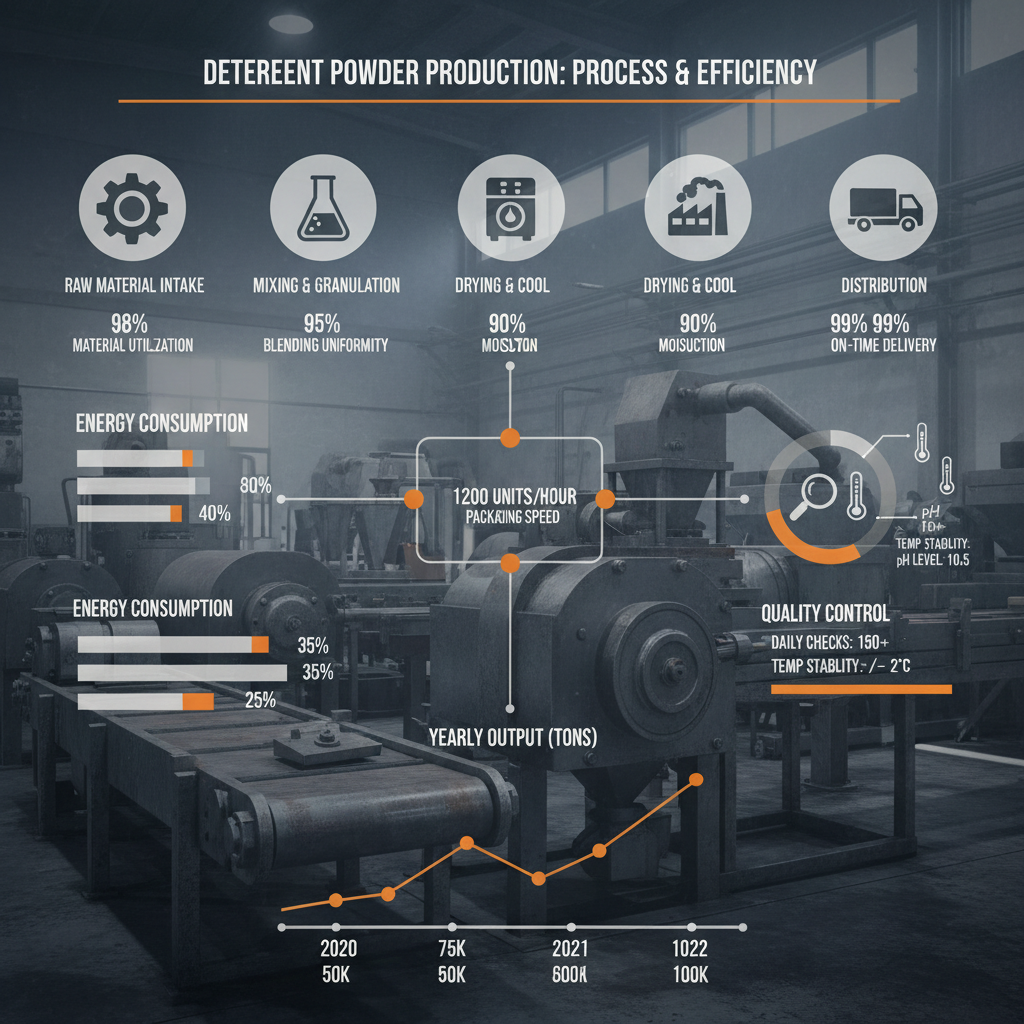
Detergent Powder Plant Performance Metrics
Global Applications & Industries Served
Detergent powder plants serve a remarkably diverse range of applications. The most prominent is the household cleaning sector, providing detergents for laundry, dishwashing, and general surface cleaning. However, the impact extends far beyond domestic use.
Industries such as textiles, food processing, healthcare, and hospitality rely heavily on specialized detergent formulations produced by these plants. For example, the textile industry uses detergents for scouring, bleaching, and finishing fabrics, while the food processing industry employs detergents for sanitation and hygiene compliance. In post-disaster relief operations, readily available detergent supplies are critical for preventing disease outbreaks and maintaining sanitation in temporary shelters.
Advantages and Long-Term Value Proposition
The advantages of a well-managed detergent powder plant are numerous. Cost efficiency is a significant benefit, as large-scale production allows for economies of scale and reduced per-unit costs. Furthermore, advancements in formulation technology are leading to more sustainable and eco-friendly detergents, reducing environmental impact.
The long-term value lies in ensuring reliable access to essential cleaning products, which directly contributes to public health and sanitation. Investing in automation and process optimization increases production capacity and reduces operational costs, enhancing profitability and ensuring a competitive edge in the global market. Ultimately, the stability provided by a robust detergent supply chain fosters consumer trust and supports a higher quality of life.
Future Trends & Technological Advancements
The future of detergent powder plants is being shaped by several key trends. The increasing demand for sustainable and biodegradable formulations is driving research into bio-based surfactants and enzymes. Digital transformation, including the implementation of IoT sensors and data analytics, is optimizing production processes and improving quality control.
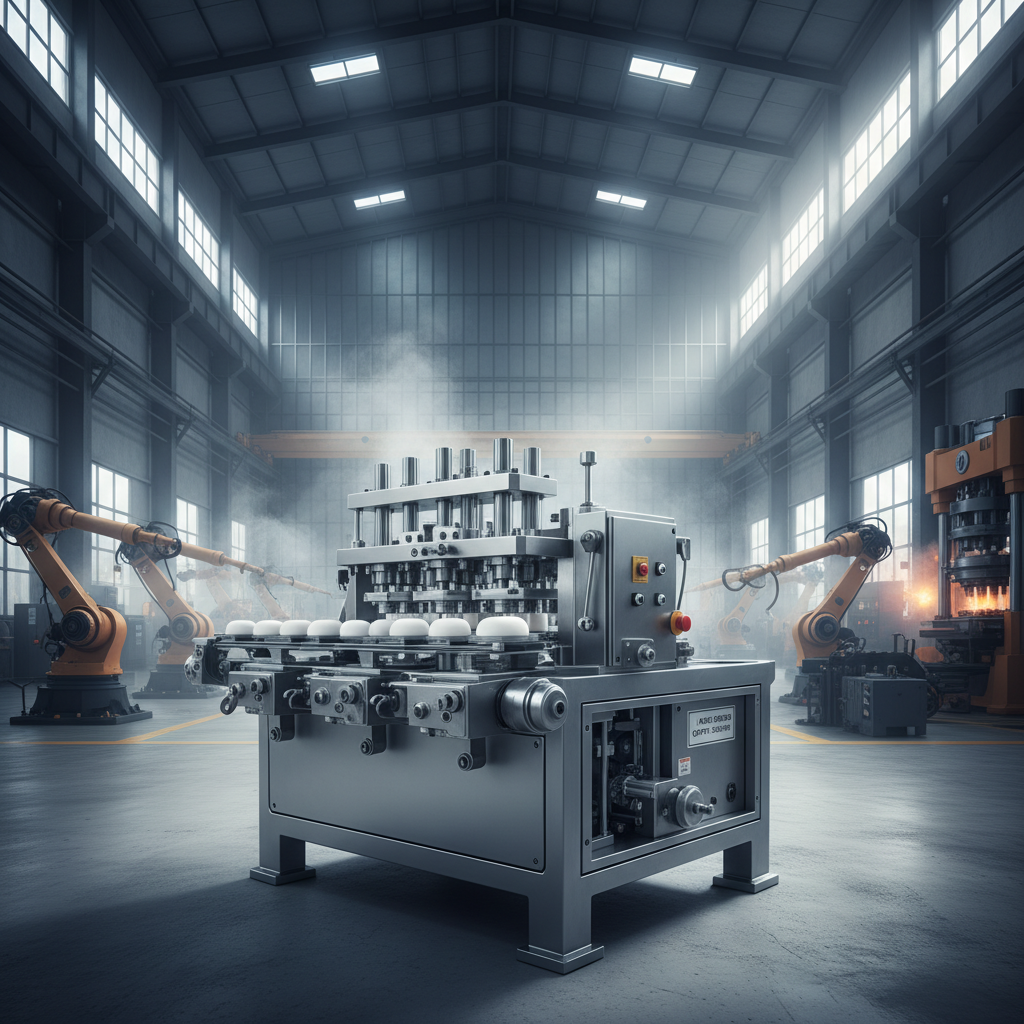
Automation and robotics are becoming increasingly prevalent, enhancing efficiency and reducing labor costs. Furthermore, the development of closed-loop systems for water and chemical recovery is minimizing waste and promoting circular economy principles. Green energy integration, such as solar power, is also gaining traction as a means of reducing the carbon footprint of detergent production.
Innovations in packaging, such as biodegradable and compostable materials, are aligning with growing consumer demand for eco-friendly products. The integration of artificial intelligence (AI) for predictive maintenance and supply chain optimization will further enhance the efficiency and resilience of detergent powder plants.
Challenges in Detergent Powder Plant Management & Solutions
Operating a detergent powder plant presents several challenges, including managing fluctuating raw material costs, ensuring consistent product quality, and complying with increasingly stringent environmental regulations. Dust control and waste management are also ongoing concerns.
Solutions involve diversifying sourcing strategies for raw materials, implementing robust quality control systems with real-time monitoring, and investing in advanced air filtration and waste treatment technologies. Utilizing predictive maintenance algorithms can minimize downtime and optimize equipment performance.
Adopting lean manufacturing principles and implementing digital supply chain management solutions can improve efficiency and reduce waste. Proactive engagement with regulatory bodies and a commitment to sustainable practices are essential for long-term success.
Summary of Key Challenges and Solutions in Detergent Powder Plant Operation
| Challenge |
Impact on Plant Operations |
Potential Solutions |
Implementation Cost (Scale 1-10) |
| Raw Material Price Volatility |
Increased Production Costs, Reduced Profit Margins |
Diversified Sourcing, Long-Term Contracts |
6 |
| Maintaining Product Quality |
Customer Dissatisfaction, Brand Reputation Damage |
Real-Time Monitoring, Statistical Process Control |
7 |
| Environmental Regulations Compliance |
Fines, Production Disruptions |
Advanced Wastewater Treatment, Emission Control |
8 |
| Dust Control |
Worker Safety Concerns, Product Contamination |
Advanced Air Filtration Systems, Enclosed Processes |
5 |
| Waste Management |
Environmental Impact, Disposal Costs |
Waste Reduction Programs, Recycling Initiatives |
4 |
| Equipment Downtime |
Reduced Production Capacity, Increased Maintenance Costs |
Predictive Maintenance, Regular Inspections |
6 |
FAQS
The lifespan of a detergent powder plant can vary significantly based on factors like construction quality, maintenance schedules, and operational intensity. However, with proper care and regular upgrades, a well-built plant can reliably operate for 25-30 years. Key components like spray dryers and mixers may require replacement or significant refurbishment after 15-20 years to maintain optimal performance. Investing in preventative maintenance is critical for maximizing longevity.
The primary environmental concerns include wastewater discharge containing phosphates and surfactants, air emissions from drying processes, and solid waste generated from packaging materials. Modern plants address these concerns through advanced wastewater treatment systems, air filtration technologies, and waste reduction/recycling programs. Increasingly, there is a focus on using biodegradable surfactants and minimizing the use of phosphates to reduce environmental impact.
Modern detergent powder plants feature a high degree of automation, encompassing raw material handling, mixing, spray drying, granulation, and packaging processes. Programmable Logic Controllers (PLCs) and Supervisory Control and Data Acquisition (SCADA) systems are used to monitor and control plant operations in real-time. This automation improves efficiency, reduces labor costs, and enhances product quality consistency.
Safety is paramount. Key considerations include dust explosion prevention (detergent powders can be combustible), proper handling of hazardous chemicals, ensuring adequate ventilation, and providing comprehensive safety training to all personnel. Regular safety audits, hazard assessments, and emergency response drills are essential for mitigating risks and maintaining a safe working environment.
Energy reduction strategies include optimizing the spray drying process (a major energy consumer), recovering waste heat from dryers, implementing energy-efficient lighting and HVAC systems, and utilizing variable frequency drives (VFDs) on motors. Switching to renewable energy sources, such as solar power, can further reduce the plant’s carbon footprint and lower operating costs.
Quality control is crucial for ensuring that the final detergent product meets specified standards for performance, stability, and safety. This involves rigorous testing of raw materials, in-process monitoring of key parameters (e.g., pH, moisture content, particle size), and final product analysis. Statistical Process Control (SPC) techniques are used to identify and address any deviations from target specifications.
Conclusion
In conclusion, the detergent powder plant represents a vital component of the global cleaning industry, essential for maintaining hygiene, supporting industrial processes, and contributing to public health. Understanding its core components, operational factors, and future trends is crucial for stakeholders seeking to optimize production, enhance sustainability, and meet evolving market demands. Continued innovation and a commitment to responsible manufacturing practices are key to ensuring the long-term viability and success of this essential industry.
Looking ahead, the industry will continue to prioritize sustainability, embracing green technologies and circular economy principles. Investing in research and development to create eco-friendly formulations and improve process efficiency will be critical. By embracing these advancements, detergent powder plants can not only meet the growing global demand for cleaning products but also contribute to a healthier and more sustainable future. Visit our website at www.rssoapmachinery.com to learn more.