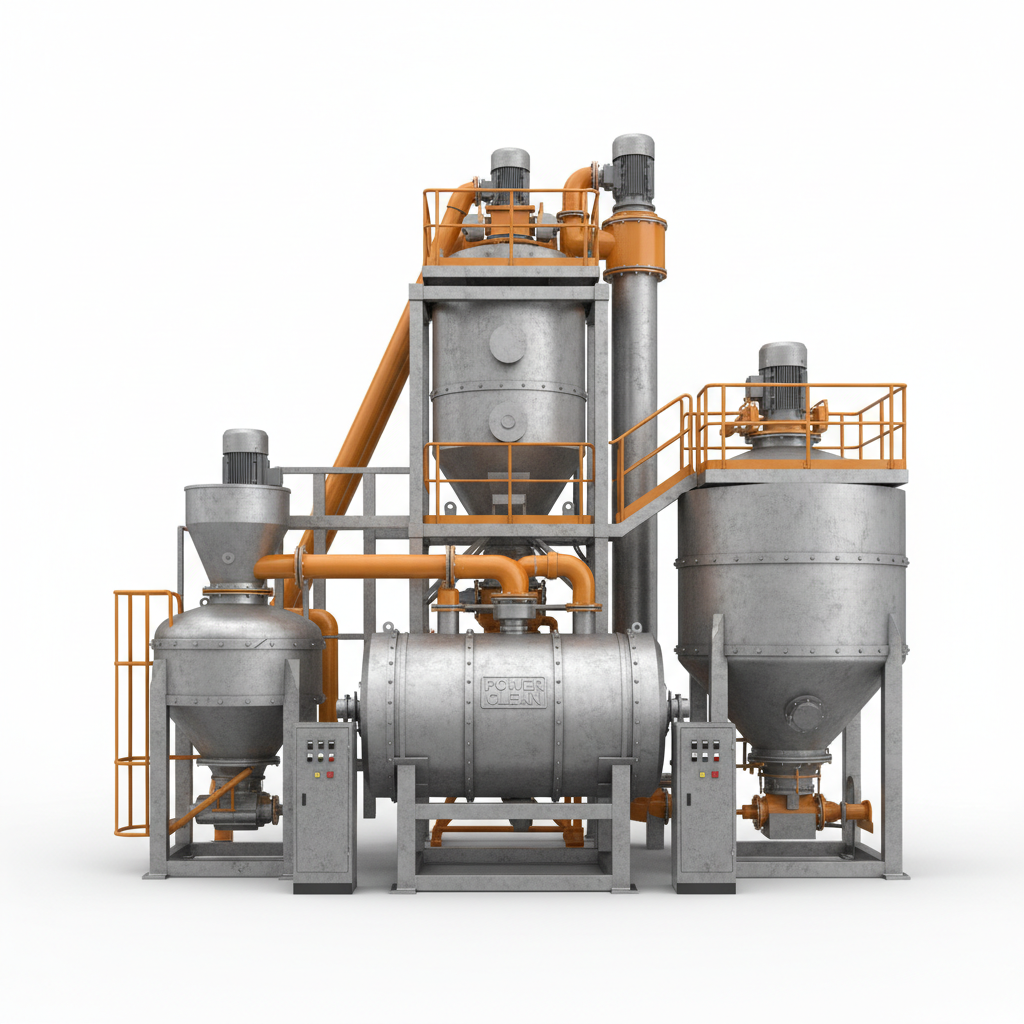
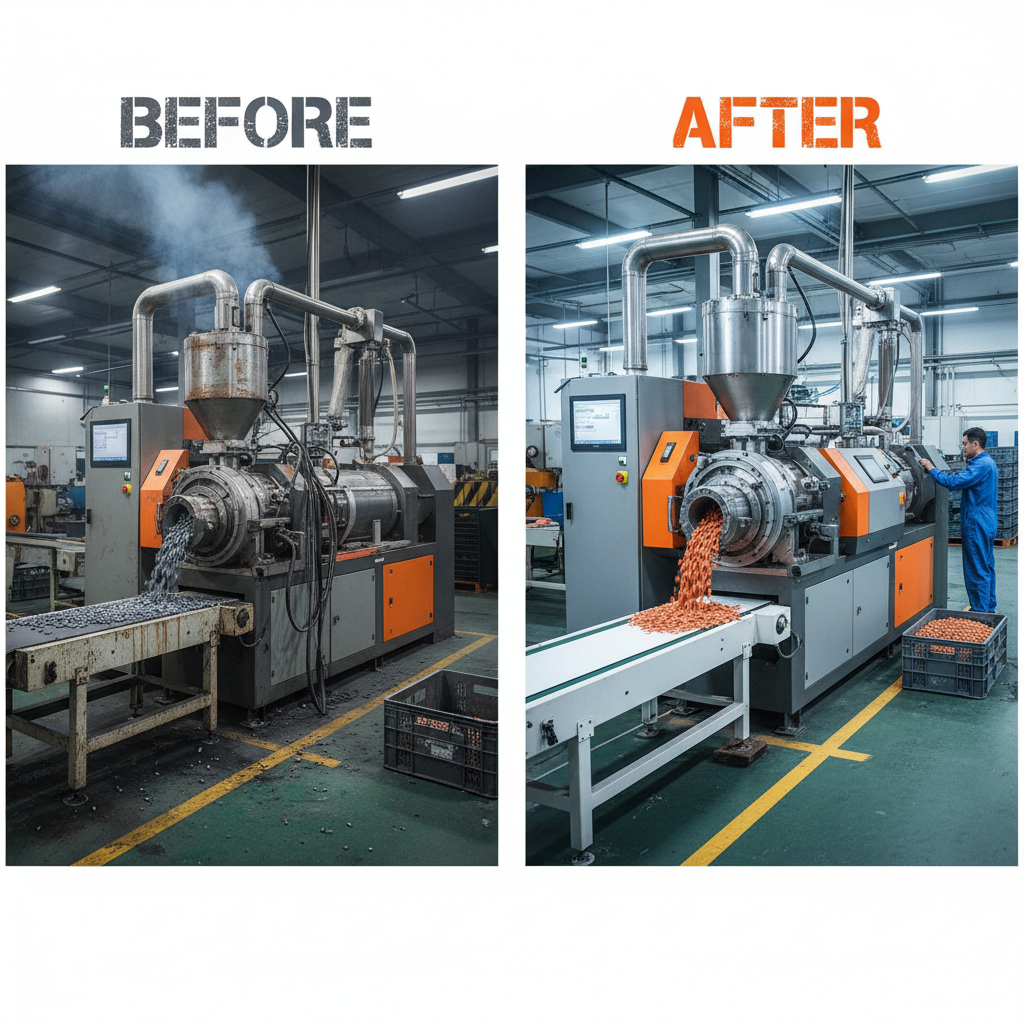
A fully automatic detergent powder plant represents a sophisticated industrial solution for the large-scale production of detergent powder. These plants are designed to minimize human intervention, offering consistent quality, increased efficiency, and reduced operational costs. The demand for detergent powder remains consistently high globally, driven by increasing hygiene awareness and population growth, making these plants crucial for meeting consumer needs and industrial applications. Understanding the nuances of fully automatic detergent powder plants is vital for investors, manufacturers, and policymakers alike.
The global detergent market is a multi-billion dollar industry, with significant growth expected in emerging economies. A fully automatic detergent powder plant addresses key challenges within this market, such as maintaining product consistency, scaling production to meet demand fluctuations, and optimizing resource utilization. According to the UN, access to basic hygiene products, including detergents, is a critical component of public health, especially in developing nations. This reinforces the importance of efficient and reliable detergent production facilities.
Investing in a fully automatic system isn’t merely about automating a process; it’s about enhancing long-term profitability and sustainability. These plants offer advanced control systems, automated material handling, and precise blending capabilities, resulting in superior product quality and minimized waste. The efficiency gains translate into a faster return on investment and a stronger competitive position in the market.
Introduction to fully automatic detergent powder plant
A fully automatic detergent powder plant represents a significant advancement in manufacturing efficiency and product quality within the cleaning product industry. These plants employ sophisticated automation technologies to streamline the entire production process, from raw material handling to final product packaging. The rise of these systems is a direct response to the growing demand for high-quality detergents and the need to optimize production costs in a competitive global market.
The integration of automation extends beyond simple machinery operation. It includes intelligent control systems, real-time monitoring, and data analytics, enabling precise adjustments to maintain optimal performance. This level of control minimizes waste, ensures consistent product formulation, and allows for rapid adaptation to changing market demands. Companies investing in fully automatic detergent powder plant benefit from increased productivity and a stronger brand reputation.
Defining Fully Automatic Detergent Powder Plants
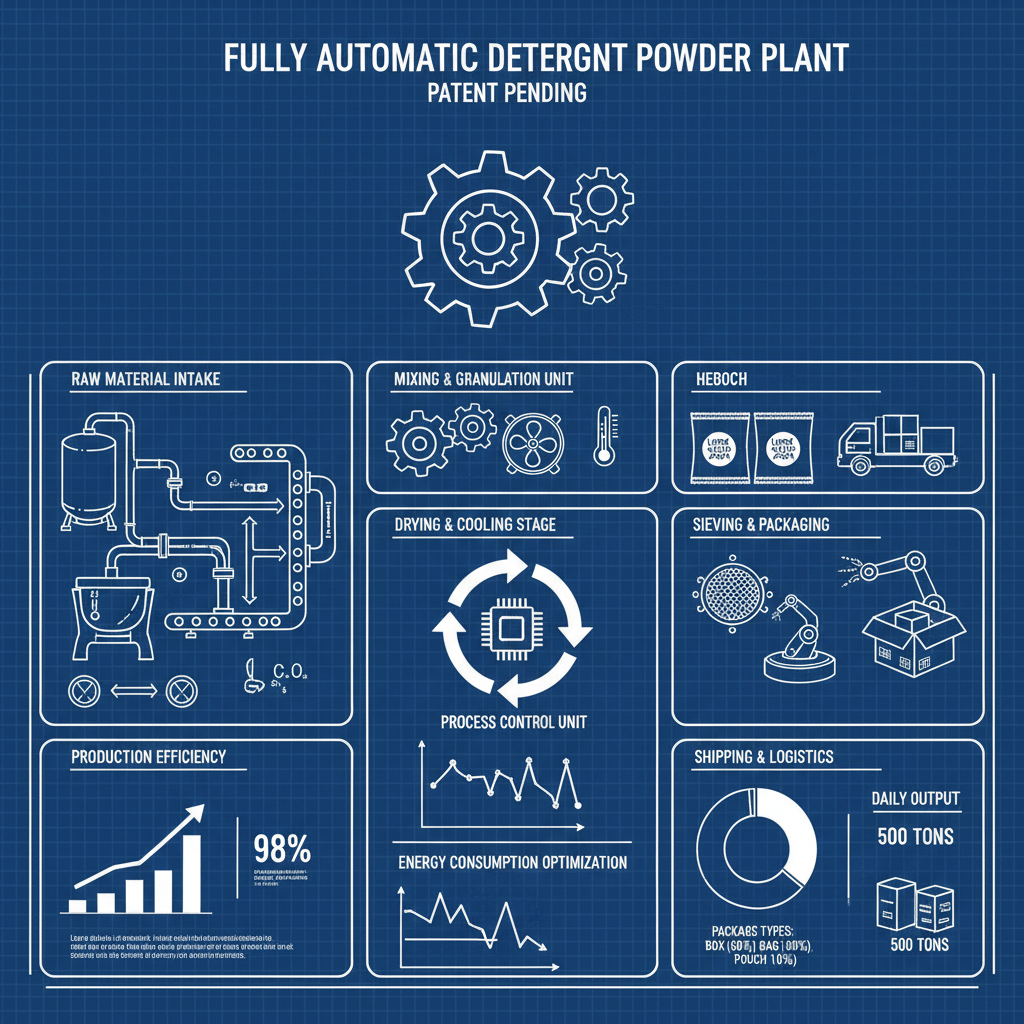
A fully automatic detergent powder plant is a manufacturing facility designed to produce detergent powder with minimal human intervention. Unlike semi-automatic plants, these systems feature automated material handling, precise weighing and mixing, spray drying, cooling, sifting, and packaging processes, all orchestrated by a central control system. This automation minimizes the risk of human error and ensures consistent product quality.
These plants are a cornerstone of modern industrial production, providing a reliable and scalable solution for meeting the ever-increasing demand for cleaning products. The technology behind them draws from various engineering disciplines, including chemical engineering, mechanical engineering, and control systems engineering, creating a highly integrated and efficient manufacturing process.
Essentially, a fully automatic detergent powder plant transforms raw materials – such as sodium tripolyphosphate (STPP), sodium carbonate, sodium sulfate, surfactants, and enzymes – into a finished, marketable detergent powder product with minimal operator involvement. This focus on automation directly addresses concerns surrounding labor costs, production consistency, and overall operational efficiency.
Core Components of a fully automatic detergent powder plant
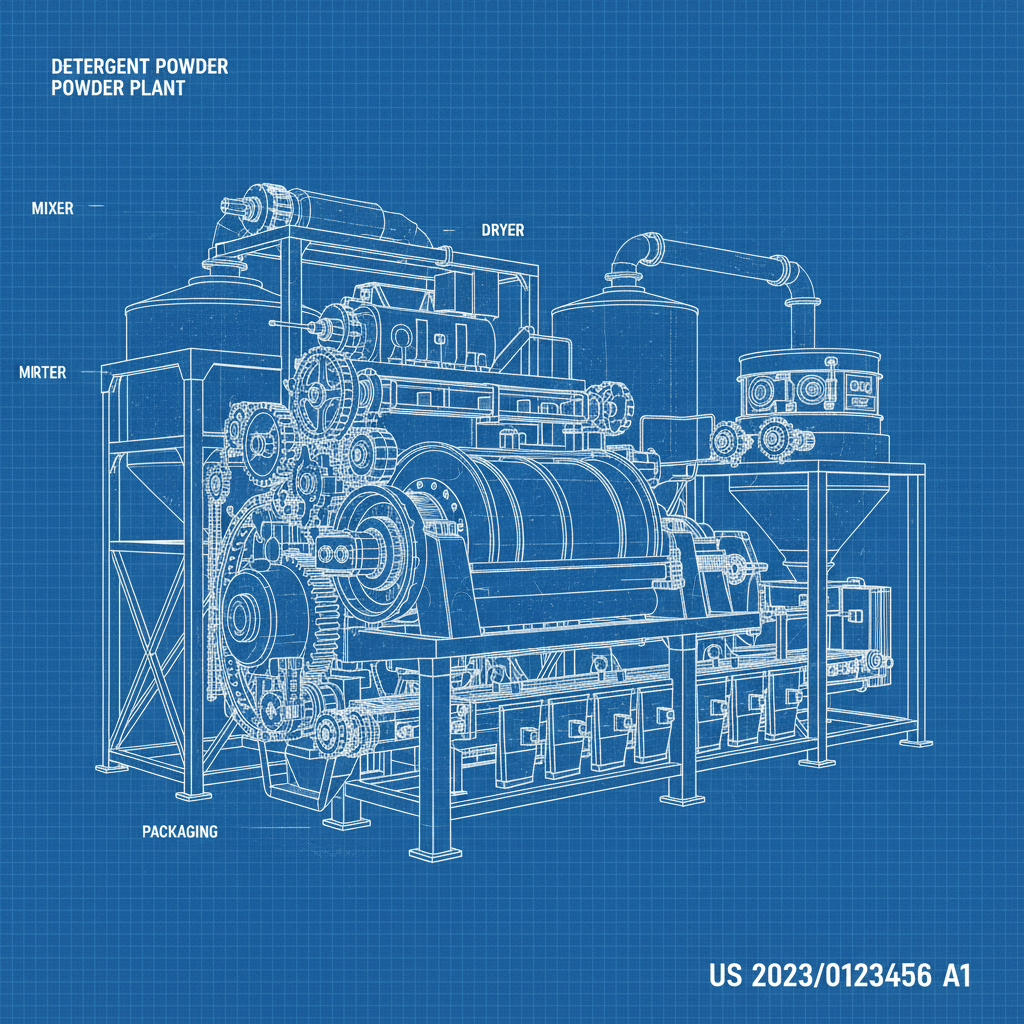
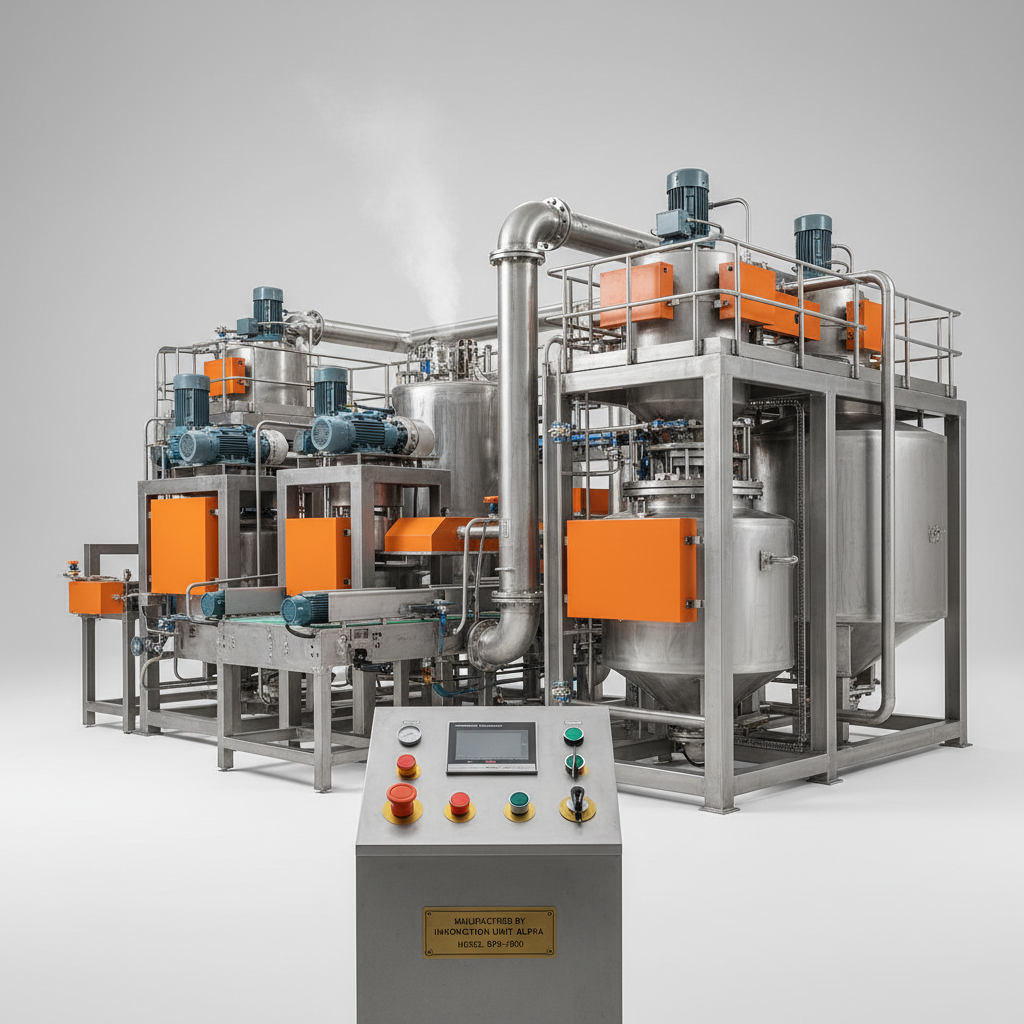
Several key components work in harmony to form a functioning fully automatic detergent powder plant. First, the raw material handling system, which automatically transports and stores ingredients. Then, the mixing and blending section ensures the uniform distribution of components. The spray drying tower transforms the slurry into a powder form, while the cooling and sifting sections stabilize the powder and remove oversized particles.
Central to the operation is the Programmable Logic Controller (PLC) and Supervisory Control and Data Acquisition (SCADA) system, serving as the 'brain' of the plant. These systems monitor and control every aspect of the process, adjusting parameters to maintain optimal performance and product quality. Furthermore, a robust packaging system ensures the finished detergent powder is accurately weighed, sealed, and prepared for distribution.
Finally, quality control systems are integrated throughout the process, utilizing sensors and analytical equipment to verify that the final product meets predefined specifications. This proactive approach to quality assurance is essential for maintaining brand reputation and consumer trust. These components, working in synergy, define the capabilities of a modern fully automatic detergent powder plant.
Key Factors for Optimal Performance
Several factors are critical for ensuring optimal performance in a fully automatic detergent powder plant. Durability of the machinery is paramount, as continuous operation demands robust construction and reliable components. Equally important is scalability, the ability to easily increase production capacity to meet growing market demands.
Cost efficiency is another key consideration, encompassing factors like energy consumption, raw material usage, and labor costs. An efficient plant minimizes waste and optimizes resource allocation. Furthermore, the sophistication of the control systems directly influences product consistency and overall operational reliability.
fully automatic detergent powder plant Performance Metrics
Global Applications & Industries Served
Fully automatic detergent powder plants cater to a diverse range of industries and applications. Large-scale manufacturers serving consumer markets represent the primary demand, but industrial cleaning companies, hospitality sectors, and even healthcare facilities also rely on consistent detergent supply.
Geographically, demand is strongest in regions with large populations and growing economies, such as Asia-Pacific, Latin America, and Africa. In post-disaster relief operations, a rapid and reliable source of detergent powder is crucial for sanitation and disease prevention. Furthermore, remote industrial zones – such as mining camps or oil fields – often require self-contained detergent production capabilities.
Advantages and Long-Term Value Proposition
The advantages of investing in a fully automatic detergent powder plant are substantial. Tangible benefits include reduced labor costs, increased production output, consistent product quality, and minimized waste. The improved efficiency translates directly into higher profit margins and a stronger competitive advantage.
Beyond the financial gains, these plants offer long-term value through enhanced sustainability, improved worker safety, and a commitment to innovation. A reliable supply of quality detergent powder contributes to public health, fosters consumer trust, and supports economic growth.
Future Trends and Innovations in the Industry
The future of fully automatic detergent powder plants is intertwined with broader technological advancements. Green energy integration, such as solar power to reduce carbon footprint, is becoming increasingly prevalent. Digital transformation, leveraging IoT sensors and data analytics for predictive maintenance and process optimization, is also gaining momentum.
The development of biodegradable and sustainable raw materials is another key trend, driven by growing environmental concerns. Automation is also extending beyond the core production process to encompass warehouse management, logistics, and supply chain optimization. The development of AI-powered control systems promises even greater efficiency and responsiveness in fully automatic detergent powder plants.
Furthermore, modular plant designs allowing for rapid deployment and scalability are attracting interest, especially in regions with rapidly changing demands. These innovations collectively aim to create more efficient, sustainable, and resilient detergent production systems.
Challenges and Solutions
While offering significant advantages, fully automatic detergent powder plants are not without their challenges. High initial investment costs can be a barrier to entry, particularly for smaller businesses. Ensuring a reliable supply of high-quality raw materials and skilled technicians for maintenance and operation are also ongoing concerns.
These challenges can be mitigated through strategic partnerships, financing options, and comprehensive training programs. Implementing robust preventative maintenance schedules and utilizing remote monitoring systems can minimize downtime and reduce operational costs. Moreover, adopting a circular economy approach – recycling by-products and minimizing waste – can enhance sustainability and reduce reliance on virgin materials.
Summary of Challenges and Solutions for Fully Automatic Detergent Powder Plants
| Challenge |
Impact on Operation |
Potential Solution |
Implementation Cost (Scale 1-10) |
| High Initial Investment |
Limits accessibility for smaller companies |
Leasing options, government subsidies |
6 |
| Raw Material Supply Chain |
Price volatility, disruptions |
Long-term contracts, diversification of suppliers |
5 |
| Skilled Technician Shortage |
Maintenance challenges, downtime |
Training programs, remote diagnostics |
7 |
| Energy Consumption |
High operating costs, environmental impact |
Renewable energy integration, energy-efficient equipment |
8 |
| Waste Management |
Environmental concerns, disposal costs |
By-product recycling, closed-loop systems |
4 |
| Cybersecurity Threats |
Process disruption, data breaches |
Robust security protocols, regular system audits |
6 |
FAQS
The payback period for a fully automatic detergent powder plant varies depending on factors like production capacity, raw material costs, and market demand. However, a well-planned and efficiently operated plant typically achieves a payback period of 3 to 7 years. Higher production volumes and optimized operational efficiency can significantly shorten this timeframe. A detailed feasibility study is crucial for accurate estimation.
Operating a fully automatic detergent powder plant requires a team with expertise in chemical engineering, mechanical engineering, and automation control. Technicians should be proficient in PLC programming, SCADA system operation, and troubleshooting mechanical issues. Ongoing training is essential to keep the team updated on the latest technologies and best practices.
Fully automatic plants are generally more energy-efficient than traditional methods due to optimized processes and advanced control systems. Features like heat recovery systems and variable frequency drives minimize energy waste. However, energy consumption still represents a significant operational cost, making investments in renewable energy sources and energy-efficient equipment highly beneficial.
Selecting a reputable supplier is crucial. Key considerations include their experience in the industry, the quality of their equipment, their ability to provide comprehensive after-sales support, and their track record of successful installations. Checking references and visiting existing installations can provide valuable insights. RS Soap Machine provides fully automatic detergent powder plant
Product quality is ensured through integrated quality control systems, precise ingredient weighing and mixing, automated process monitoring, and regular laboratory testing. The PLC and SCADA system continuously monitor critical parameters and make adjustments to maintain consistent product formulation. Stringent quality control procedures are implemented throughout the entire production process.
Safety is paramount in the design of these plants. Features include emergency shutdown systems, automated fire suppression systems, dust control measures, and safety interlocks on all moving parts. Comprehensive safety training is provided to all personnel, and regular safety audits are conducted to ensure compliance with industry standards and regulations.
Conclusion
In conclusion, a fully automatic detergent powder plant represents a significant investment in efficiency, sustainability, and long-term profitability. These systems are crucial for meeting the growing global demand for detergent powder while minimizing environmental impact and ensuring consistent product quality. The integration of advanced automation technologies, coupled with a commitment to innovation, positions these plants as the future of detergent manufacturing.
As the industry continues to evolve, embracing green energy solutions, implementing robust data analytics, and prioritizing worker safety will be essential for maximizing the benefits of these systems. For businesses seeking a competitive edge in the detergent market, investing in a state-of-the-art, fully automatic detergent powder plant is a strategic move that will deliver substantial returns for years to come. Visit our website at www.rssoapmachinery.com to learn more.