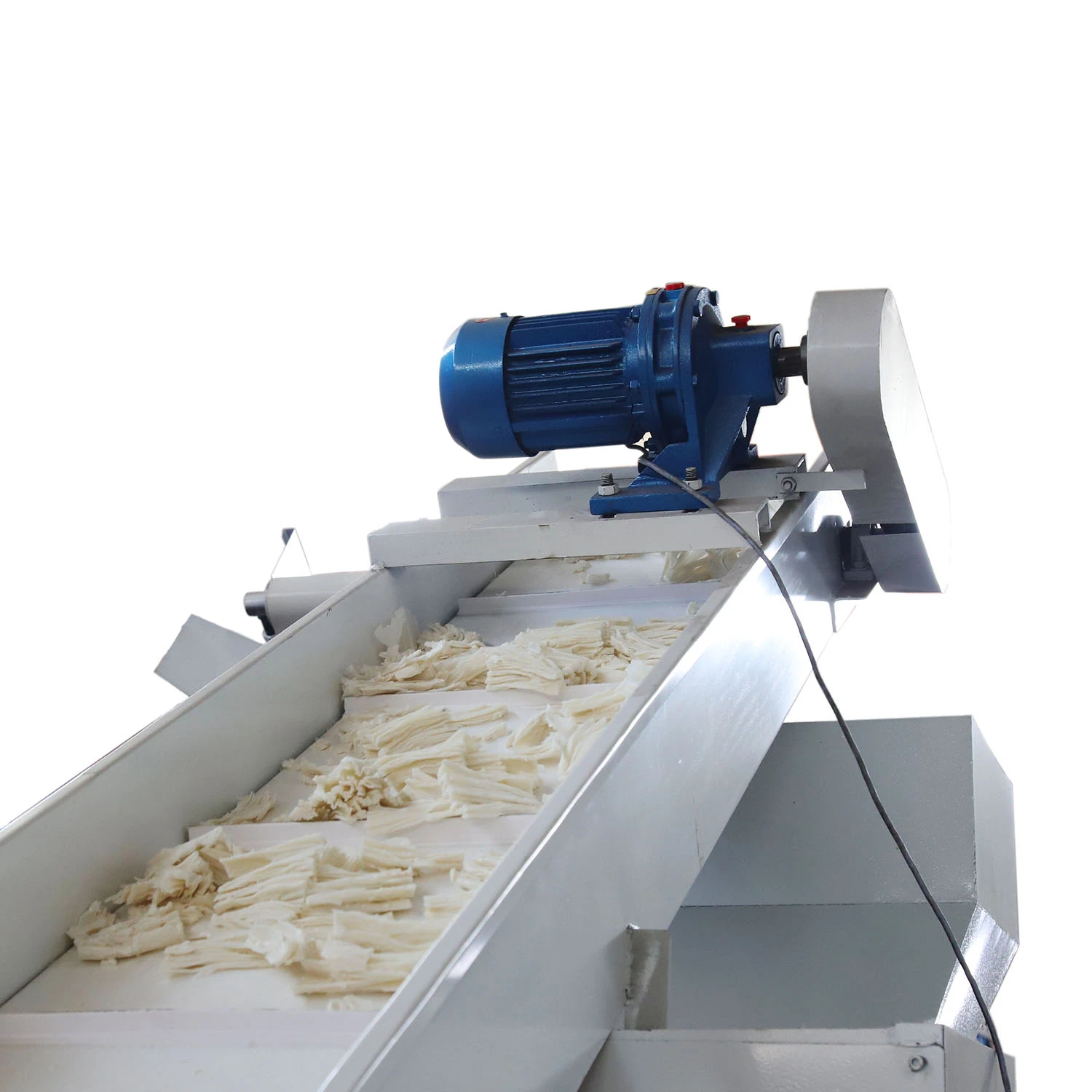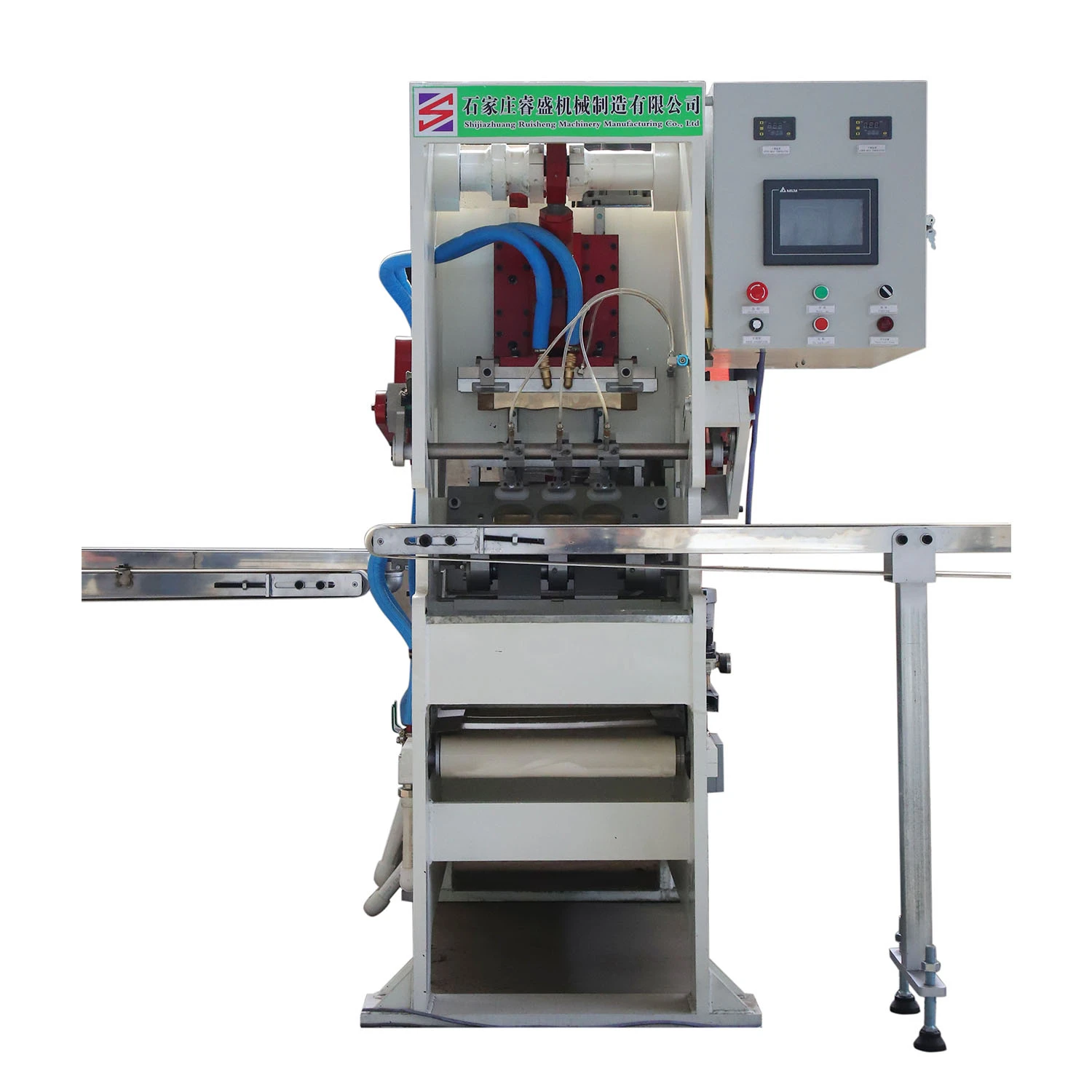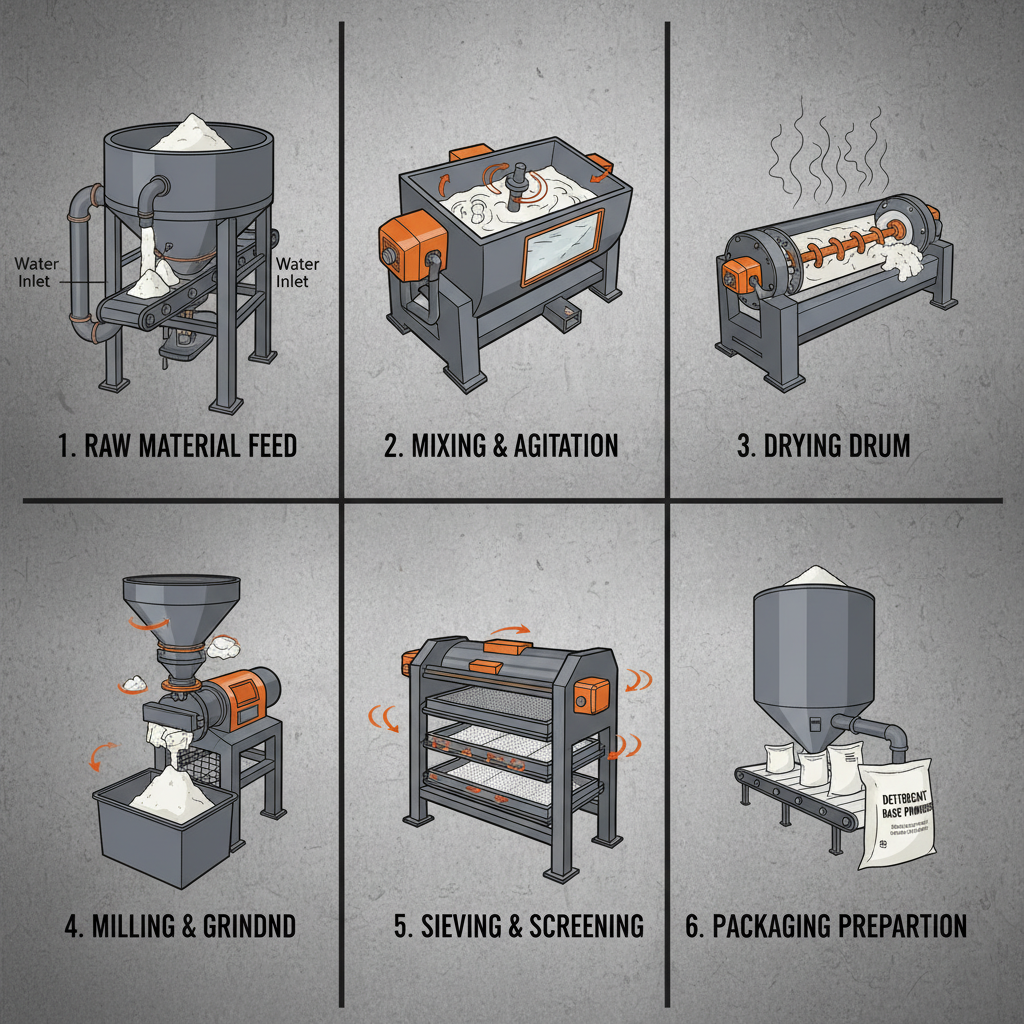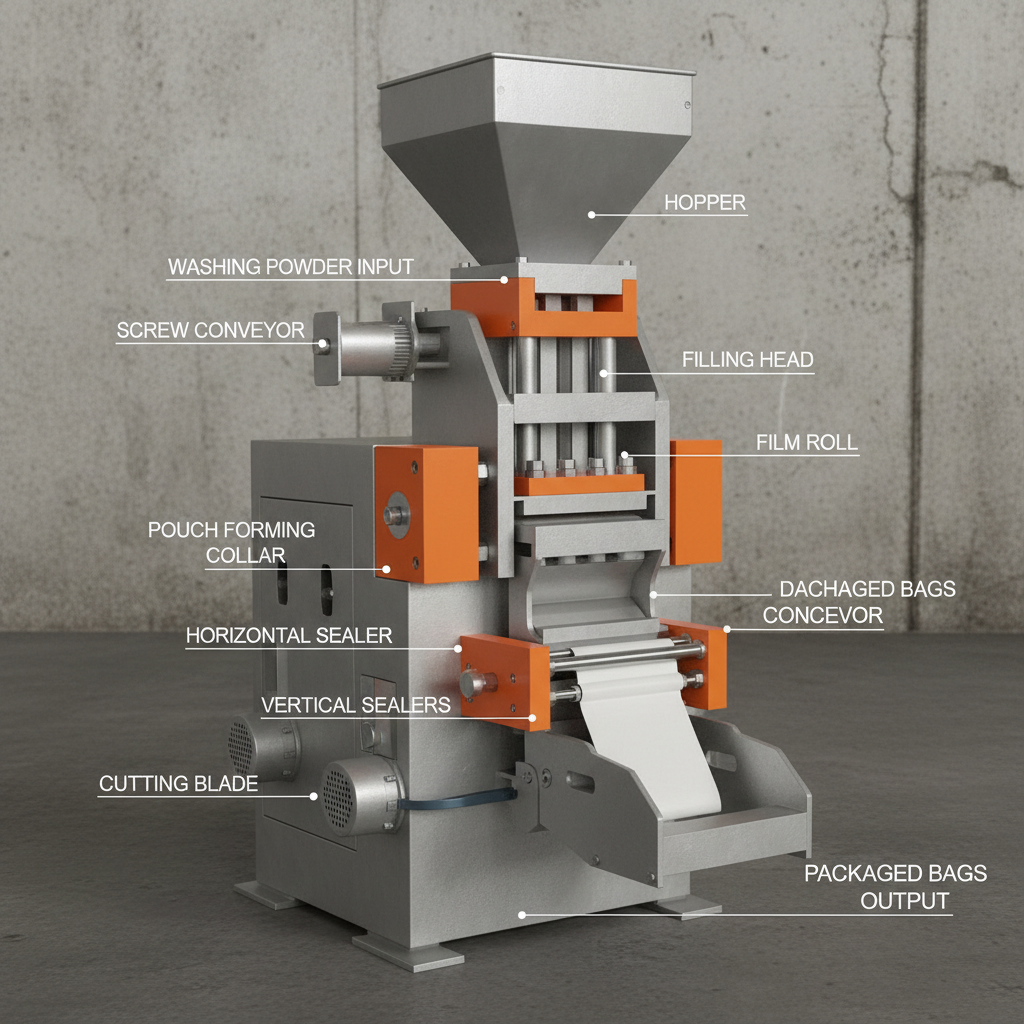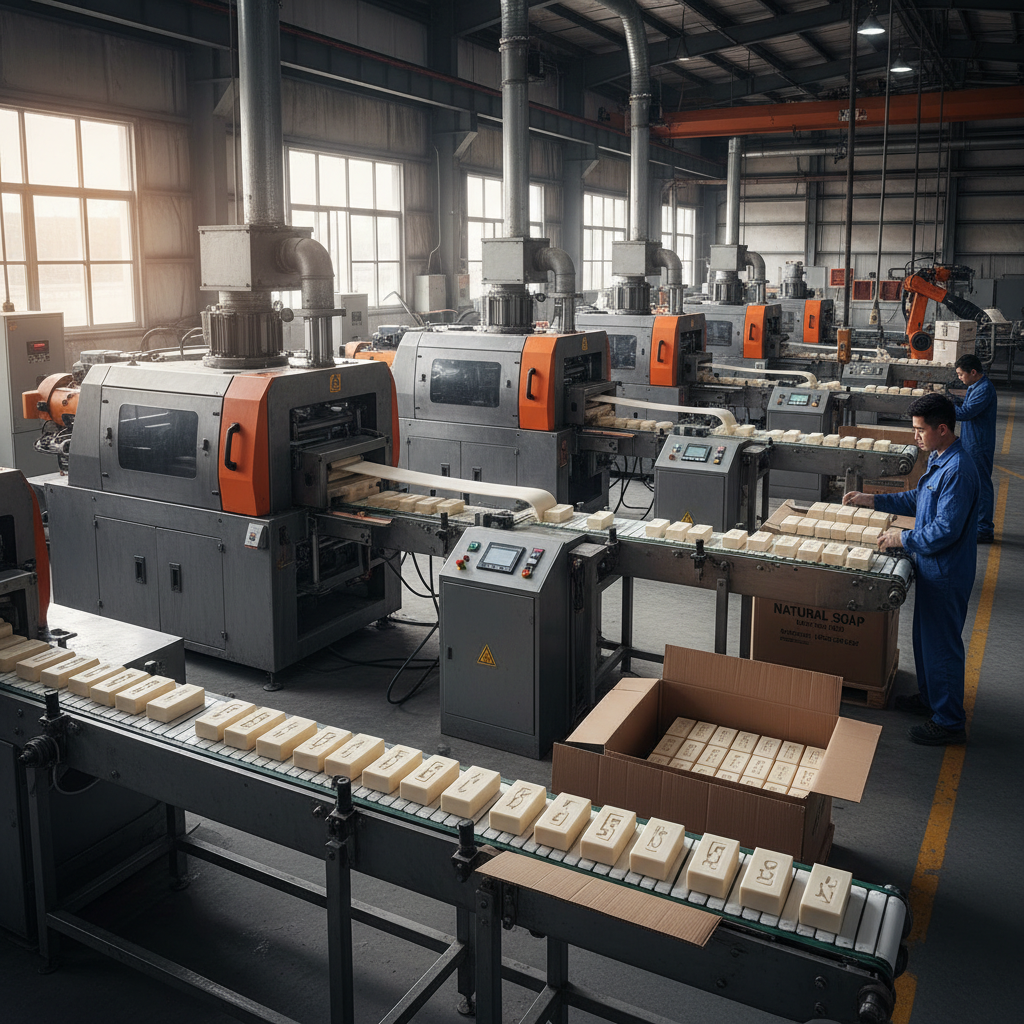
Helical Ribbon Mixer is a key solution in the industry, specifically within manufacturing and processing sectors. This article explores how https://www.rssoapmachinery.com supports professionals with durable, high-performance products, and explains why this product is an ideal choice for businesses in these sectors.
Table of Contents
- Helical Ribbon Mixer Overview
- Benefits & Use Cases of Helical Ribbon Mixer
- Cost, Maintenance & User Experience
- Sustainability & Market Trends
Helical Ribbon Mixer Overview
The Helical Ribbon Mixer is a specialized industrial mixing device designed to handle viscous materials and complex blends efficiently. If you imagine a ribbon coiled around a shaft inside a cylindrical tank, that's essentially what it is — an elegantly simple yet highly effective design. This mixer type pushes material both radially and axially, ensuring thorough blending even in scenarios where other mixers struggle.
- Primarily designed for low to medium speed mixing of viscous products.
- Technical specs often include variable shaft diameters, ribbon depths, and motor power rating from small 3 kW units to robust 75 kW+ machines depending on volume.
- For example, in a recent case study, a soap manufacturer reduced mixing time by 25% after switching to a helical ribbon mixer from RS Soap Machine.
| Specification | RS Soap Machine Helical Ribbon Mixer |
|---|---|
| Mixing Volume | 50 L to 10,000 L |
| Motor Power | 3 kW to 75 kW |
| Material | Stainless Steel 304/316 |
| Speed Range | 10 - 60 RPM |
Benefits & Use Cases of Helical Ribbon Mixer
Frankly, the Helical Ribbon Mixer is a bit of a Swiss Army knife in industrial mixing. Whether it’s handling thick pastes in soap production or blending viscous food ingredients, you get a thorough, gentle mix without over-shearing materials. That makes it highly valuable in industries where product texture and homogeneity matter deeply.
- Perfect for cosmetic creams, pharmaceutical ointments, and food confectionery—all require delicate, uniform mixing.
- It features a slow speed with high torque rotation, reducing heat build-up and preserving ingredient integrity, a competitive edge compared to high-speed agitators.
- Additionally, it’s great in chemical synthesis where multi-phase mixtures must remain stable during processing.
Cost, Maintenance & User Experience
Speaking of cost, many decision-makers I’ve spoken to find that the total cost of ownership of the helical ribbon mixer is, honestly, quite reasonable. Why? Because these mixers are robust and built to last, needing minimal maintenance compared to other high-speed mixers. So the upfront cost might look higher, but the ROI over time tells a more positive story.
- Durability is enhanced by corrosion-resistant stainless steel and modular components that simplify servicing.
- Customers report significant operational uptime and minimal breakdowns even under continuous production conditions.
- A neat bonus is the energy efficiency – low-speed operation means less power demand, helping operational costs shrink.
Sustainability & Market Trends
It’s kind of fascinating how the Helical Ribbon Mixer fits into wider sustainability trends. Industry-wide, there’s a visible push to adopt equipment that reduces energy consumption and waste. The gentle mixing action minimizes need for reprocessing or rejects, which translates directly into less raw material waste. Moreover, manufacturers like RS Soap Machine increasingly comply with environmental regulations by using recyclable materials and optimizing production efficiency.
- The mixer’s flexibility supports various industries adapting to evolving regulatory environments without needing equipment overhaul.
| Feature | RS Soap Machine | Competitor A | Competitor B |
|---|---|---|---|
| Material Quality | Stainless Steel 316 | Stainless Steel 304 | Carbon Steel |
| Energy Efficiency | High | Medium | Low |
| Maintenance Ease | Modular, tool-less access | Standard access | Complex disassembly |
| Price | mid-range | high-end | low-end |
Frequently Asked Questions about Helical Ribbon Mixer
- What is Helical Ribbon Mixer and how does it work?
- A Helical Ribbon Mixer uses a ribbon-shaped agitator wrapped around a central shaft to push and mix materials gently. This design ensures materials move both radially and axially for comprehensive blending, especially good for viscous and sticky substances.
- What are the main benefits of using Helical Ribbon Mixer in industrial applications?
- Key benefits include superior mixing quality for viscous materials, energy-efficient operation, reduced maintenance needs, and the ability to handle a range of product viscosities without overheating or damaging ingredients.
- How does Helical Ribbon Mixer compare to traditional alternatives?
- Compared to conventional mixers such as tumblers or paddle mixers, this device offers enhanced material movement and faster, more uniform mixing. It operates at lower speeds, minimizing heat build-up and preserving sensitive ingredients.
- What industries can benefit most from Helical Ribbon Mixer implementation?
- Industries such as cosmetics, pharmaceuticals, food processing, and specialty chemicals find the Helical Ribbon Mixer particularly useful. Its versatility adapts well from soap manufacturing to medicinal ointments and even refractory mixes.
Conclusion on Helical Ribbon Mixer from china
To wrap it up, the Helical Ribbon Mixer presents a reliable, efficient, and adaptable mixing solution that many B2B decision makers in manufacturing increasingly trust. If you’re considering upgrades or new equipment, this mixer blends performance with cost-effectiveness — quite literally. For detailed specs, customization options, and prices, do visit our website: https://www.rssoapmachinery.com.
Reflecting on this, it's clear the right mixer can really change your production flow for the better — a quiet workhorse, if you will.
- Industry standards and mixer design in Chemical Engineering journals.
- Customer case studies from RS Soap Machine corporate reports.
- Latest market trends from the Global Mixing Technology Review, 2023.