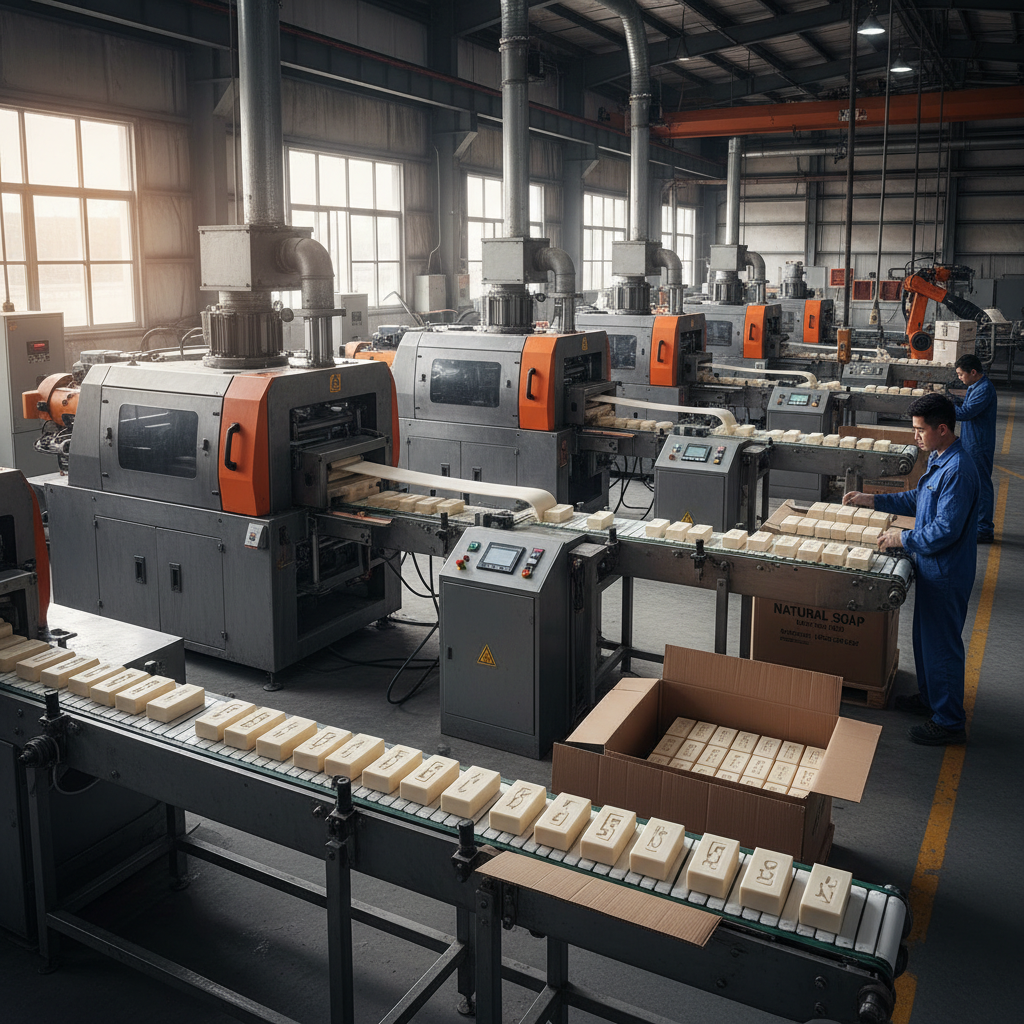
Unlocking Efficiency with High Shear Agitators
Having spent a solid chunk of my career working hands-on within the industrial equipment sector, I can attest that high shear agitators are truly versatile workhorses in the mixing world. You don’t just see them in a handful of factories; they pop up everywhere from chemical labs to food processing plants, proving their mettle time and again.
So, what sets these mixers apart? Frankly, it’s about the intensity and finesse they bring to blending. The core idea is generating very high turbulence and shear rates, which breaks down particles and droplets swiftly. You end up with finer emulsions or dispersions, which in real terms means better product stability and texture—imperative in industries like cosmetics or pharmaceuticals.
One thing I’ve noticed over the years is how design tweaks make a big difference. Most high shear agitators feature a rotor-stator system. The rotor spins at dizzying speeds, forcing the product through narrow gaps in the stator, which creates intense shear forces. This mechanism is surprisingly simple yet incredibly effective.
Materials matter too. Stainless steel is the norm, obviously—durable, resistant to corrosion, and easy to clean—which is vital when switching between batches or dealing with aggressive chemicals. But I recently worked with a manufacturer that incorporated titanium in some components to handle highly abrasive materials. Oddly enough, that extra upfront cost paid off in reduced downtime and maintenance.
Testing and customization are often overlooked in general discussions but shouldn't be. In practice, engineers often need to tweak impeller speed, geometry, or vessel design to reach optimum mixing outcomes. It’s never one-size-fits-all, and many successful operations I've observed had a phase of pilot testing before scaling.
Here’s a quick rundown of a typical high shear agitator’s specs to give you a feel:
| Specification | Typical Range / Value |
|---|---|
| Rotor Speed | 3,000 - 12,000 RPM |
| Power Input | 1 - 20 kW |
| Material | Stainless Steel (316L), Titanium options |
| Maximum Vessel Size | Up to 5,000 Liters |
| Drive Type | Direct, Gearbox, or Variable Frequency Drive |
When it comes to sourcing, the choice of vendor can feel overwhelming. From personal experience and chats with peers, I’ve put together a quick comparison of three well-known suppliers:
| Vendor | Customization | Support & Service | Price Range |
|---|---|---|---|
| MixTech Solutions | High — tailored impeller design | Excellent, 24/7 support | $$$ (Premium) |
| AgitaPro Inc. | Moderate — standard models with options | Good, business hours only | $$ (Mid-range) |
| RS Soap Machine | Fair — focused on industry-standard units | Responsive, with direct contact | $ (Budget-friendly) |
RS Soap Machine, for example, might seem like the budget-friendly option, but don’t underestimate the value there. I’ve seen them deliver reliable solutions tailored for soap and detergent manufacturers — the kind of practical engineering that just gets the job done. Plus, their direct customer contact often helps cut through the usual red tape that frustrates many.
To wrap this up, high shear agitators are an indispensable part of modern industrial mixing. Their adaptability across sectors, from food to pharma, really highlights their design strength. And while the specs and vendor choices can look intimidating at first, it often boils down to understanding your process needs and then finding the right partner—someone who knows the practical challenges, not just the theory.
One final anecdote: I recall a mid-sized manufacturer who had chronically inconsistent emulsions. By switching to a high shear agitator with adjustable rotor speed, their quality control metrics improved dramatically within weeks. It’s a reminder that sometimes the right tool can feel like a silent hero in production.
So, next time you glance at your mixing equipment, think about what’s happening at the microscopic level — sheer forces, particle size reduction, and crisp, homogenous blends. It’s a little magic behind the scenes, really.
— From someone who's been in the mix for a while
References
- Manufacturing Engineer’s Handbook, 3rd Ed., 2021
- Industrial Mixing Equipment: Design and Operation, Journal of Process Engineering, 2023
- Manufacturer datasheets and personal interviews from industry peers