Heavy Duty Industrial Mixer Grinder: A Veteran’s Perspective
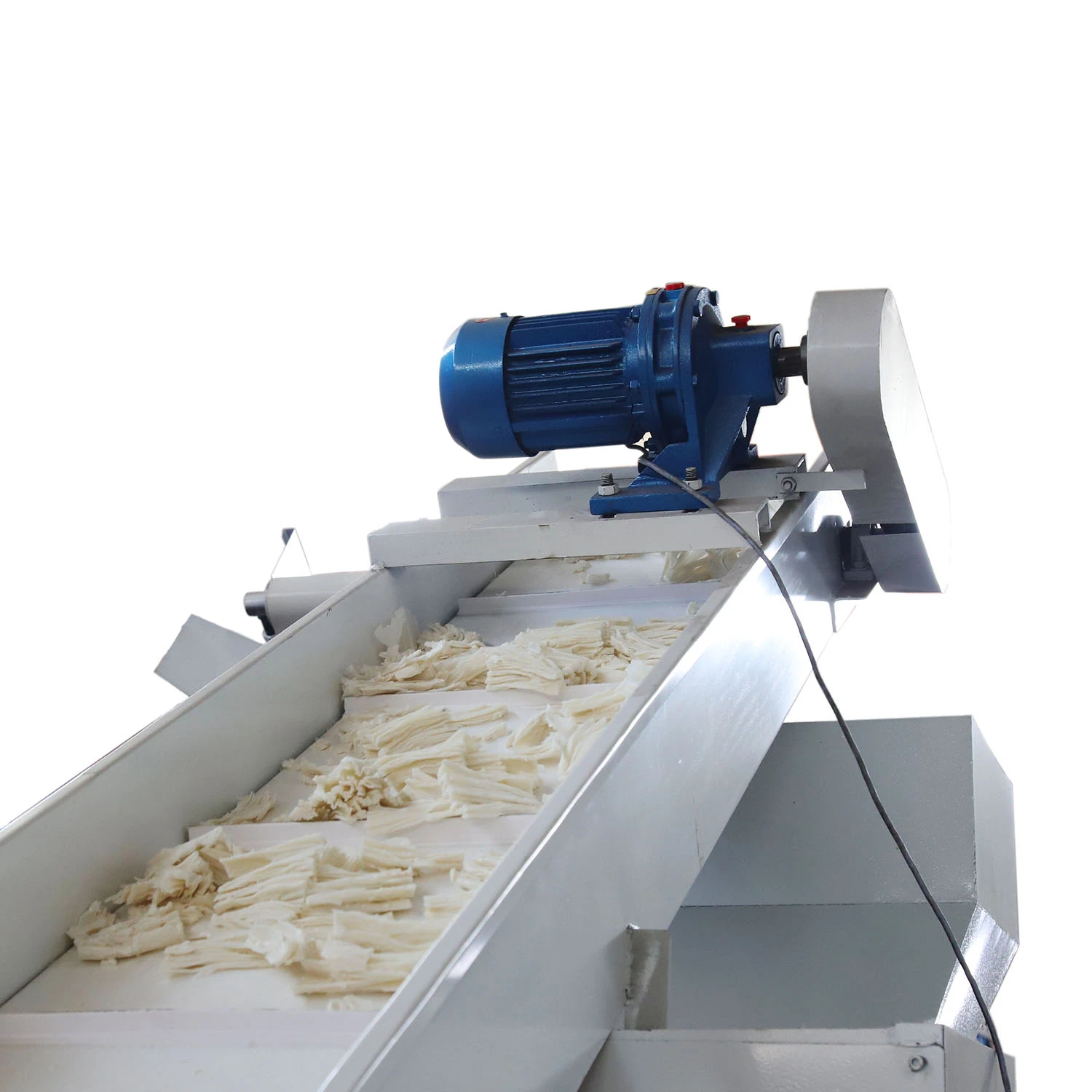
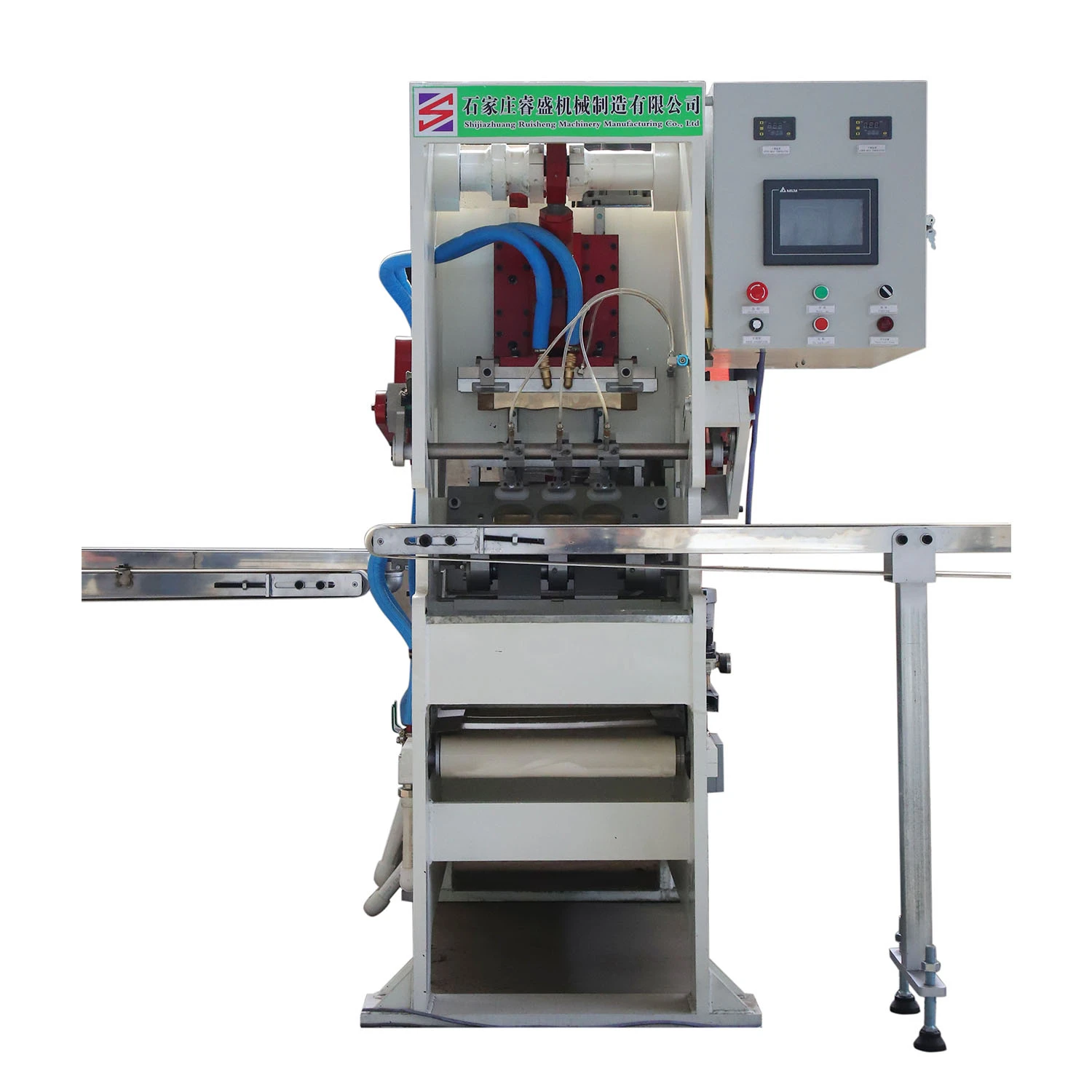
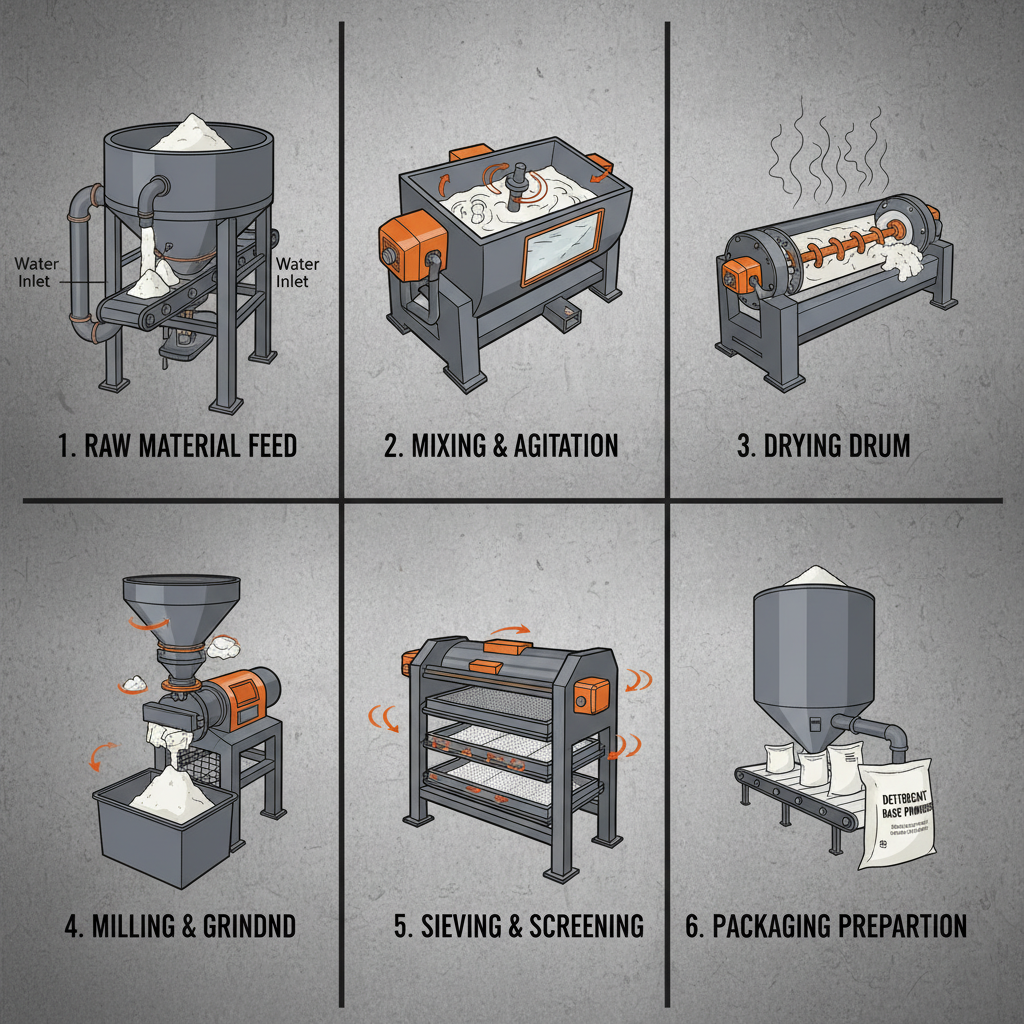
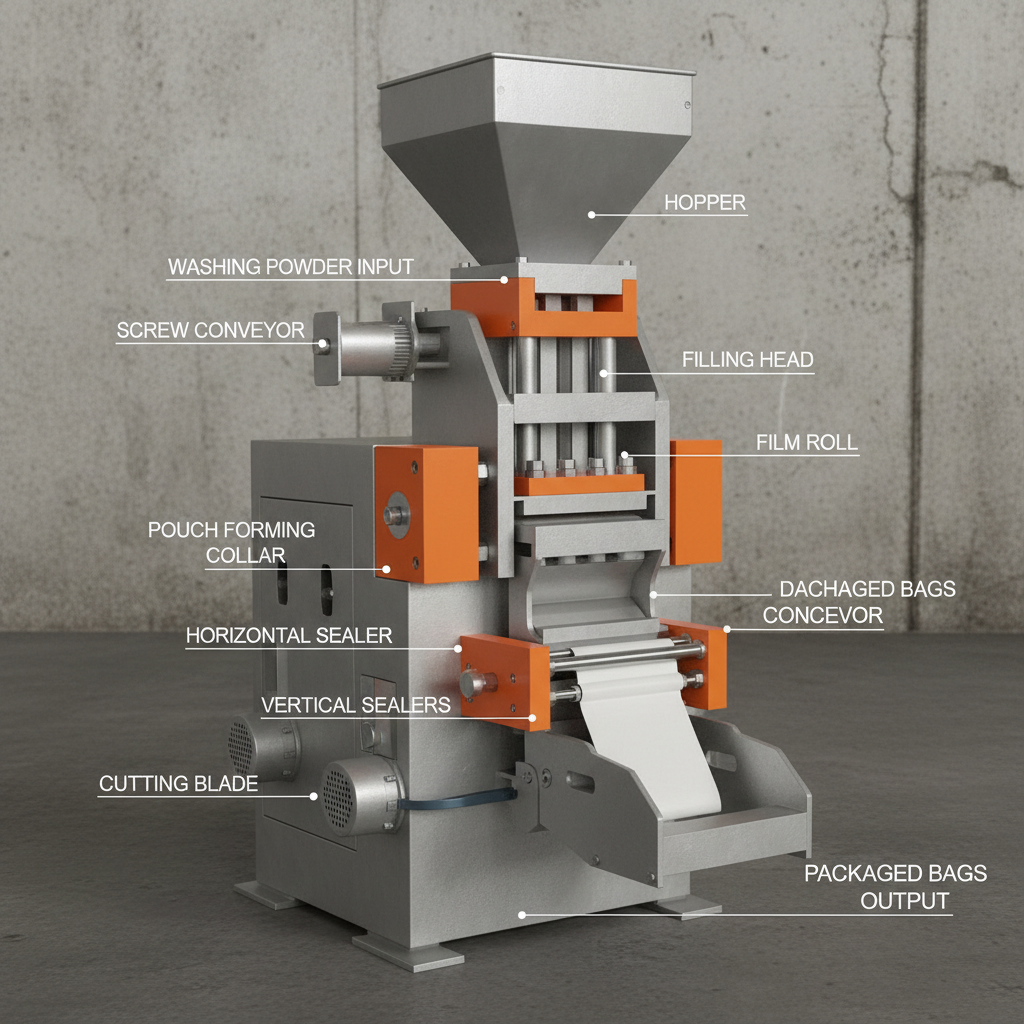
Having spent over a decade tinkering with industrial equipment on various factory floors, I often find myself revisiting the humble yet powerhouse heavy duty industrial mixer grinder. This piece of equipment, frankly, marries ruggedness with precision in a way few others manage. Whether you’re in food processing, chemicals, or even cosmetics manufacturing, its versatility surprises me every time.
In real terms, these mixers aren’t just your run-of-the-mill grinders. The heavy-duty versions are built to handle massive load capacities, endure continuous operation, and maintain performance under punishing environmental conditions. What strikes me is their simple design married to advanced mechanical engineering — engineers often joke that it’s “the beast we love to tame.” And oddly enough, that robust simplicity leads to fewer breakdowns, if maintained right.
Material-wise, stainless steel predominates — typically AISI 304 or 316L — allowing for corrosion resistance and easy cleaning, especially critical in food or pharmaceutical sectors. Some clients opt for custom coatings or reinforced casings when processing abrasive or corrosive materials, which I’ve personally seen extend equipment life significantly.
Testing before deployment is usually rigorous. It’s not unusual for mixers to go through endurance runs upwards of 72 hours, verifying motor thermal tolerance and gearbox durability. My takeaway? Every specification on paper matters — skipping quality checks is a recipe for downtime.
| Specification | Detail |
|---|---|
| Motor Power | 5 HP to 30 HP |
| Load Capacity | 50 to 500 Liters |
| Material | Stainless Steel AISI 304 / 316L |
| Speed Range | 30 to 1500 RPM |
| Operation Mode | Continuous & Batch |
| Control System | PLC with Touchscreen Interface |
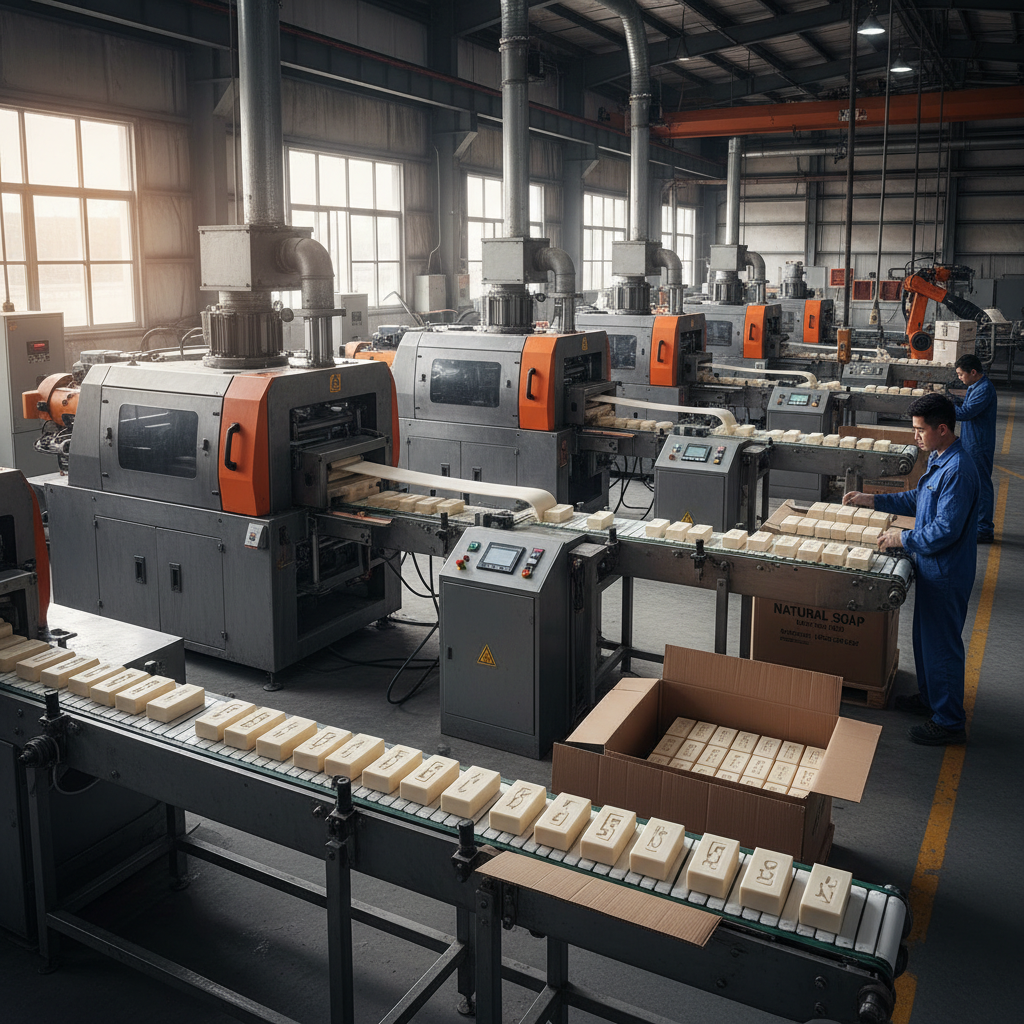
I recall a client in the soap manufacturing space who needed a machine that could not only mix sturdy materials but also grind large chunks down uniformly – without overheating. The heavy duty industrial mixer grinder they went with delivered consistent fineness and cut production time by nearly 30%. They swore by the robust motor design, which handled intermittent overloads gracefully. It’s those real-world success stories that keep me excited about these machines, even after years in the field.
Choosing the right vendor can be daunting. Many manufacture similar-looking gear, but the devil’s in the details — from after-sales support, certification standards (CE, ISO, and the like), to customizable features suited for your process specifics.
| Vendor | Custom Options | Certifications | Warranty | Price Range |
|---|---|---|---|---|
| RS Soap Machine | High (custom blades, PLC controls) | ISO 9001, CE | 2 Years | $$$ |
| Elemix Corp. | Medium (basic customization) | ISO 9001 | 1 Year | $$ |
| GrindPro Solutions | Low (standard models only) | CE | 6 Months | $ |
All that said, there’s a certain joy in mastering these machines. You tend to notice patterns — the subtle hums, the way the gearbox “feels” when it’s healthy, or that slight resistance that warns of impending blade dullness. Experience counts, more than any glossy brochure you might have seen.
So if you’re hunting for a heavy duty industrial mixer grinder, my advice is to prioritize durability, service, and compatibility with your product’s nature. It’s not just about speed or power — it’s about long-term reliability in the gritty trenches of production.
In closing: investing in a solid mixer grinder isn’t trivial, but getting the right one can transform your workflow in ways that pay dividends for years.
References:
1. Industrial Equipment Maintenance Journal, 2023
2. Manufacturer’s Specification Sheets, RS Soap Machine
3. Field Reports, Various Industrial Clients (2018–2023)