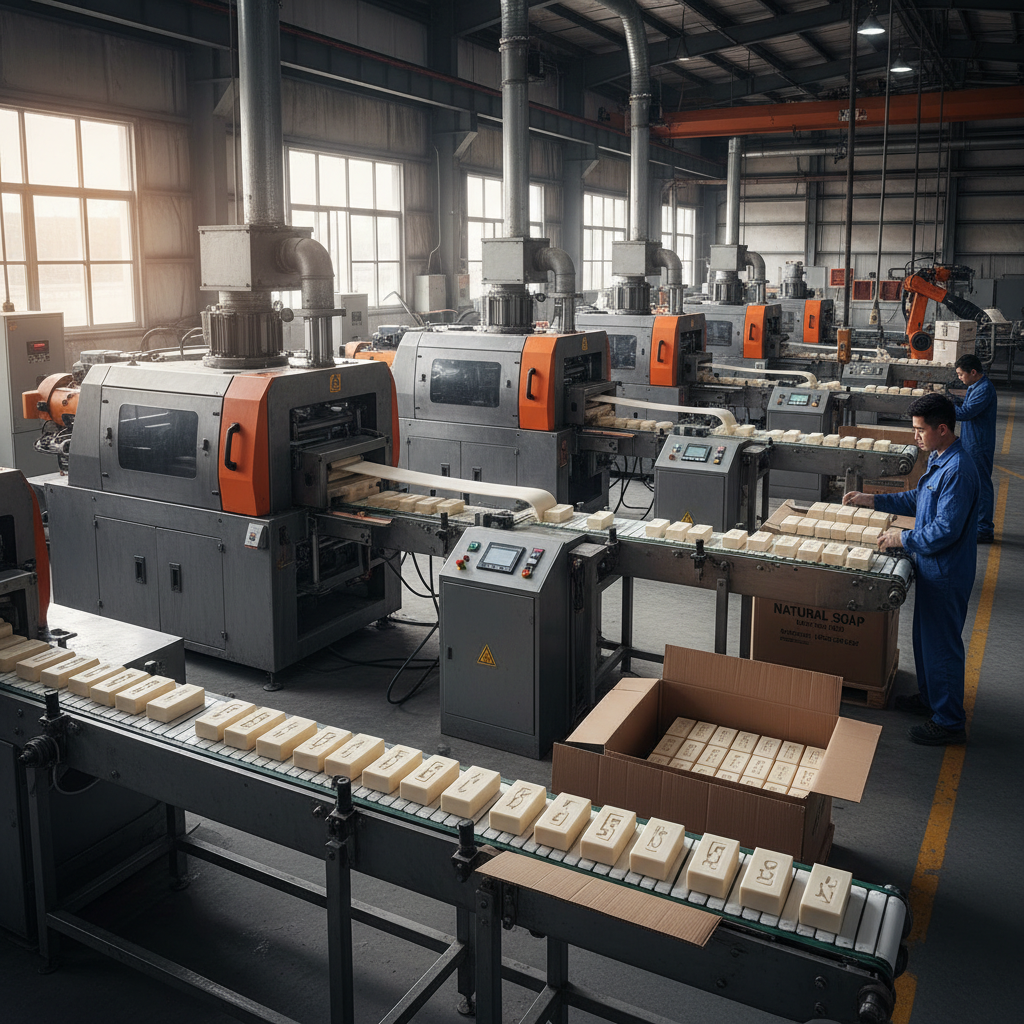
Finding the Right Ribbon Blender Second Hand: A Comprehensive Guide
When considering a ribbon blender second hand, it’s crucial to understand the various factors influencing its suitability for your specific needs. Investing in used equipment can offer significant cost savings, but requires careful evaluation. This article delves into the key aspects of purchasing a used ribbon blender, from understanding its applications and components to inspecting for wear and tear, and ultimately finding the right solution for your blending processes. At RS Soap Machine, we specialize in providing high-quality, refurbished mixing equipment, including ribbon blenders.
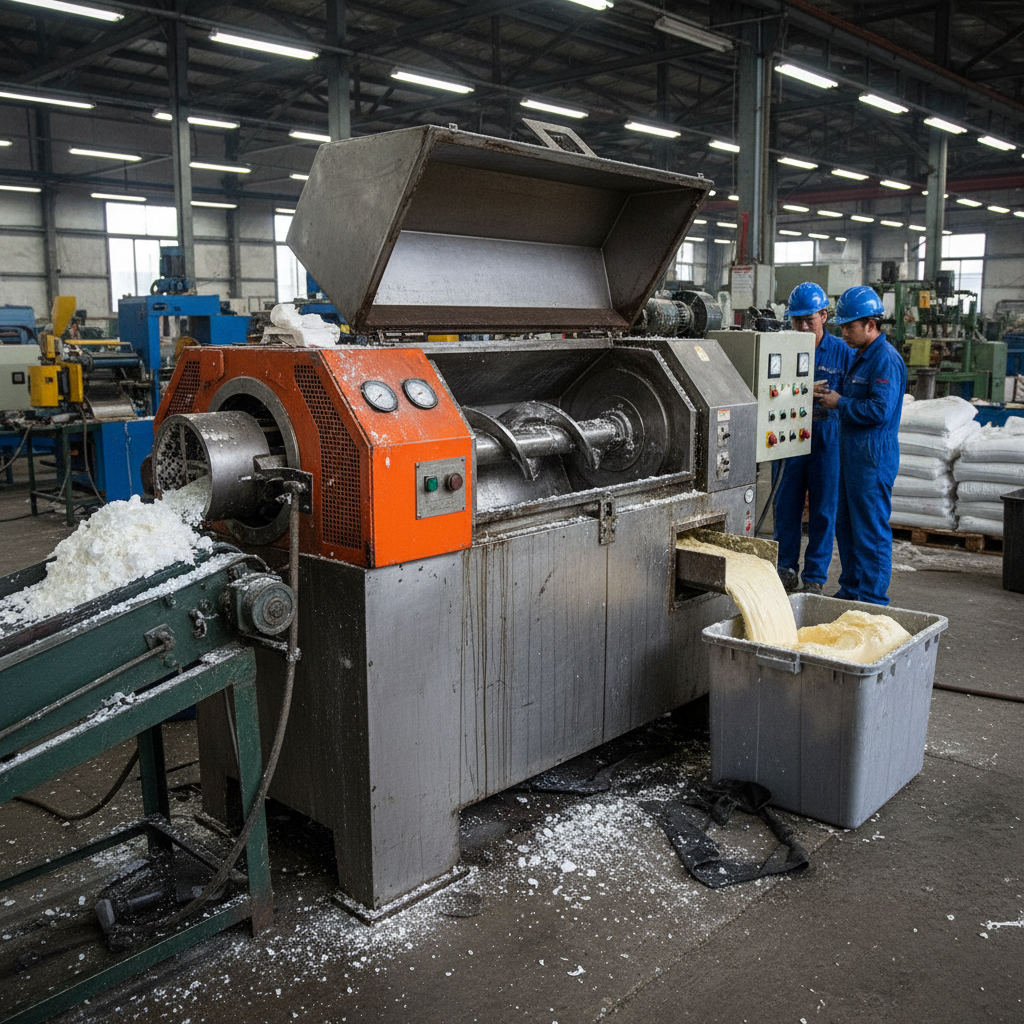
Understanding Ribbon Blender Applications
Ribbon blenders are exceptionally versatile, employed across numerous industries. They are particularly effective for blending dry materials, powders, granules, and pastes. Common applications include the mixing of ingredients for pharmaceuticals, food processing (think cake mixes or spice blends), plastics compounding, and chemical processing. Their unique helical ribbon agitators provide both radial and axial mixing, ensuring a homogeneous blend even with varying material densities. A ribbon blender second hand can be a cost-effective solution for these applications, provided it’s thoroughly inspected and refurbished.
Key Takeaway: Ribbon blenders excel at combining dissimilar materials, creating consistent and uniform mixtures.
Key Components to Inspect in a Ribbon Blender Second Hand
Before purchasing a used ribbon blender, a detailed inspection is paramount. Focus on critical components: the mixing ribbons themselves (check for wear, cracks, or distortion), the motor and gearbox (listen for unusual noises during operation and verify proper speed control), the vessel (inspect for corrosion, dents, or leaks), and the seals (ensure they are intact to prevent material contamination). Examining the discharge valve is also essential, ensuring smooth operation and a tight seal. RS Soap Machine meticulously inspects and refurbishes all used equipment, providing a detailed condition report.
Inspection Checklist:
• Mixing Ribbons: Wear, cracks, distortion
• Motor & Gearbox: Noise, speed control
• Vessel: Corrosion, dents, leaks
• Seals: Integrity, contamination prevention
Ribbon Blender Types and Capacity Considerations
Ribbon blenders come in various configurations, primarily distinguished by their ribbon design (single, double, or triple) and the vessel’s shape (horizontal or conical). The choice depends on the materials being blended and the desired blending intensity. Capacity is another crucial factor. Consider your current and future blending needs. A ribbon blender second hand should be sized appropriately to avoid overloading or underutilization. RS Soap Machine offers a range of sizes to meet diverse requirements.
Cost Analysis: New vs. Second Hand Ribbon Blender
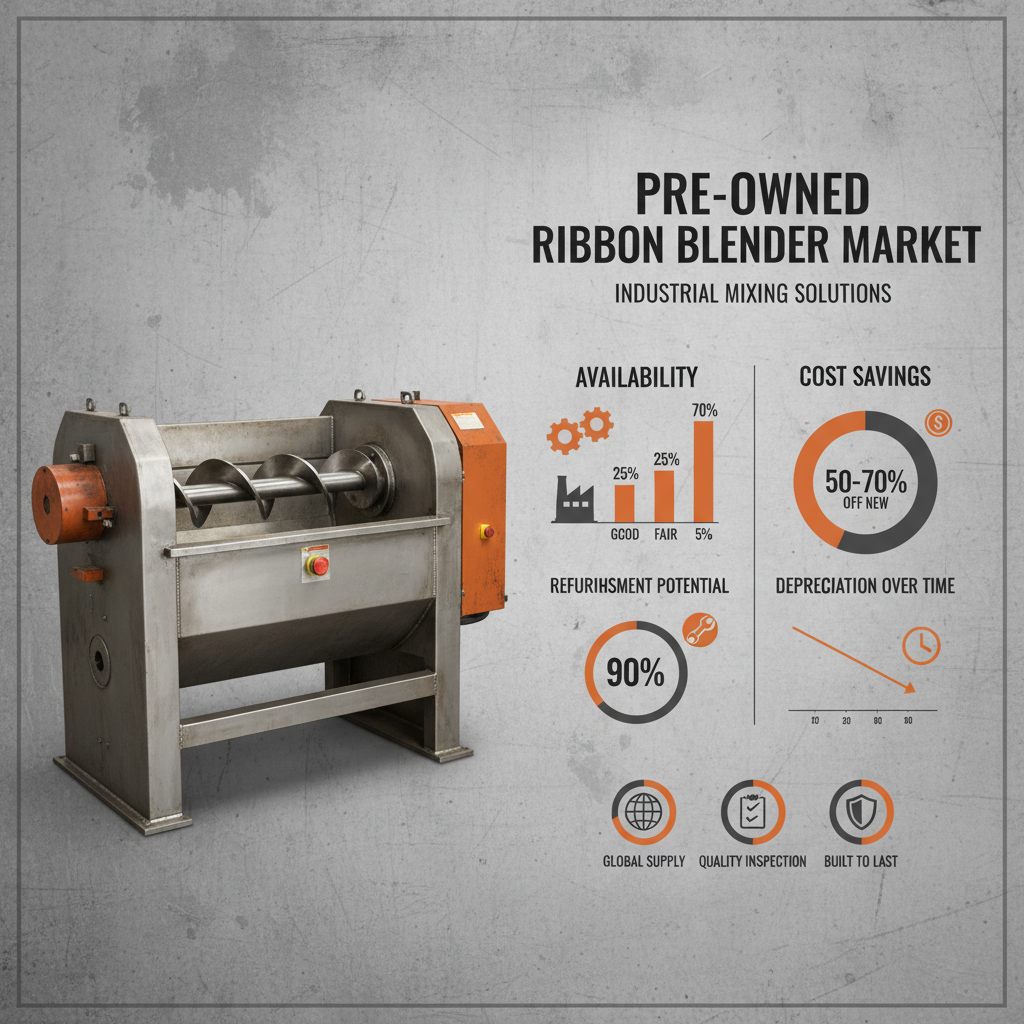
The primary advantage of opting for a ribbon blender second hand is the significant cost savings compared to purchasing a new unit. However, the total cost of ownership should be considered. Factor in potential refurbishment costs, shipping, and the remaining lifespan of the equipment. RS Soap Machine provides transparent pricing and comprehensive refurbishment services, minimizing unexpected expenses. We often have units available that represent excellent value for money.
Working with a Reputable Supplier for Used Ribbon Blenders
Choosing a reputable supplier is crucial when purchasing a ribbon blender second hand. Look for companies that offer thorough inspections, refurbishment services, warranties, and technical support. A reliable supplier will provide detailed information about the equipment’s history and condition. RS Soap Machine is committed to providing high-quality, reliable equipment and exceptional customer service. We stand behind our products.
Conclusion: Making an Informed Decision
Investing in a ribbon blender second hand can be a smart economic choice, but it requires diligence. Thoroughly assess your blending needs, inspect the equipment carefully, and partner with a trusted supplier like RS Soap Machine. By doing so, you can secure a reliable and cost-effective blending solution for years to come.
Frequently Asked Questions (FAQs)
What is the typical warranty offered on a used ribbon blender?
Warranty coverage on a used ribbon blender can vary significantly depending on the supplier and the condition of the equipment. At RS Soap Machine, we offer a standard warranty on all refurbished ribbon blenders, typically covering parts and labor for a specified period. The warranty terms are clearly outlined in our sales agreement. It's vital to inquire about the warranty details before making a purchase, understanding what components are covered and the duration of the coverage.
What maintenance is required for a ribbon blender?
Regular maintenance is key to extending the lifespan of your ribbon blender. This includes routine lubrication of bearings and gearboxes, inspection of seals for wear, and cleaning of the vessel to prevent material buildup. It's also important to regularly check the ribbons for damage and ensure the motor is functioning correctly. RS Soap Machine can provide detailed maintenance schedules and support to help you keep your blender in optimal condition.
Can a used ribbon blender be customized to my specific needs?
Yes, many used ribbon blenders can be customized. RS Soap Machine offers customization services, including modifications to the vessel, ribbon configuration, motor size, and discharge valve. We can also add features like heating or cooling jackets to accommodate specific process requirements. Our team of experienced engineers can work with you to tailor the blender to your exact specifications.
What industries typically utilize second-hand ribbon blenders?
A diverse range of industries rely on second-hand ribbon blenders. These include the food and beverage sector (for mixing dry ingredients like powders, spices, and cereals), the pharmaceutical industry (for blending active pharmaceutical ingredients), the plastics industry (for compounding and color mixing), the chemical industry (for producing homogenous mixtures of powders and liquids), and even the agricultural sector (for blending fertilizers and animal feed).