Let's talk stamping machines for soap. You won’t find a fancy lab coat on me; I'm usually covered in dust and soap shavings. I've spent years watching soapmakers – from small artisanal operations to large-scale manufacturers – grapple with getting that perfect, consistent impression on every bar. It's more than just branding; it's about quality control, about presenting a product that feels professional. The right stamping machine for soap isn’t just a piece of equipment; it’s the difference between a product that flies off the shelves and one that sits there gathering dust. I've seen firsthand how a reliable stamping process can dramatically improve efficiency and reduce waste.
What I’ve learned being on the ground is that every soap is different – hardness, consistency, even the type of oils used all play a role. A machine that works brilliantly for one soapmaker might fall flat for another. The key isn't finding the most expensive machine, but the one that's the best fit for their specific needs and production volume. I've seen too many folks invest in complicated, high-capacity machines only to find they're overspending and underutilizing their equipment.
Frankly, finding a stamping machine for soap that delivers consistent results, minimizes downtime, and is easy to maintain is a constant challenge. We spend a lot of time troubleshooting, testing, and refining machines based on direct feedback from the people actually making the soap. This isn't about specs on a datasheet; it’s about real-world performance in a real-world environment.
The Core Principles of stamping machine for soap
At its heart, a stamping machine for soap is about applying controlled pressure to create a lasting impression on a soap bar. But it's not simply about force. It’s about consistency, repeatability, and minimizing damage to the soap. A good machine needs to account for the variations in soap hardness, the depth of the impression desired, and the speed of production. What I've noticed on sites is the simpler the machine, the easier it is to adjust on the fly – especially important when switching between different soap formulations.
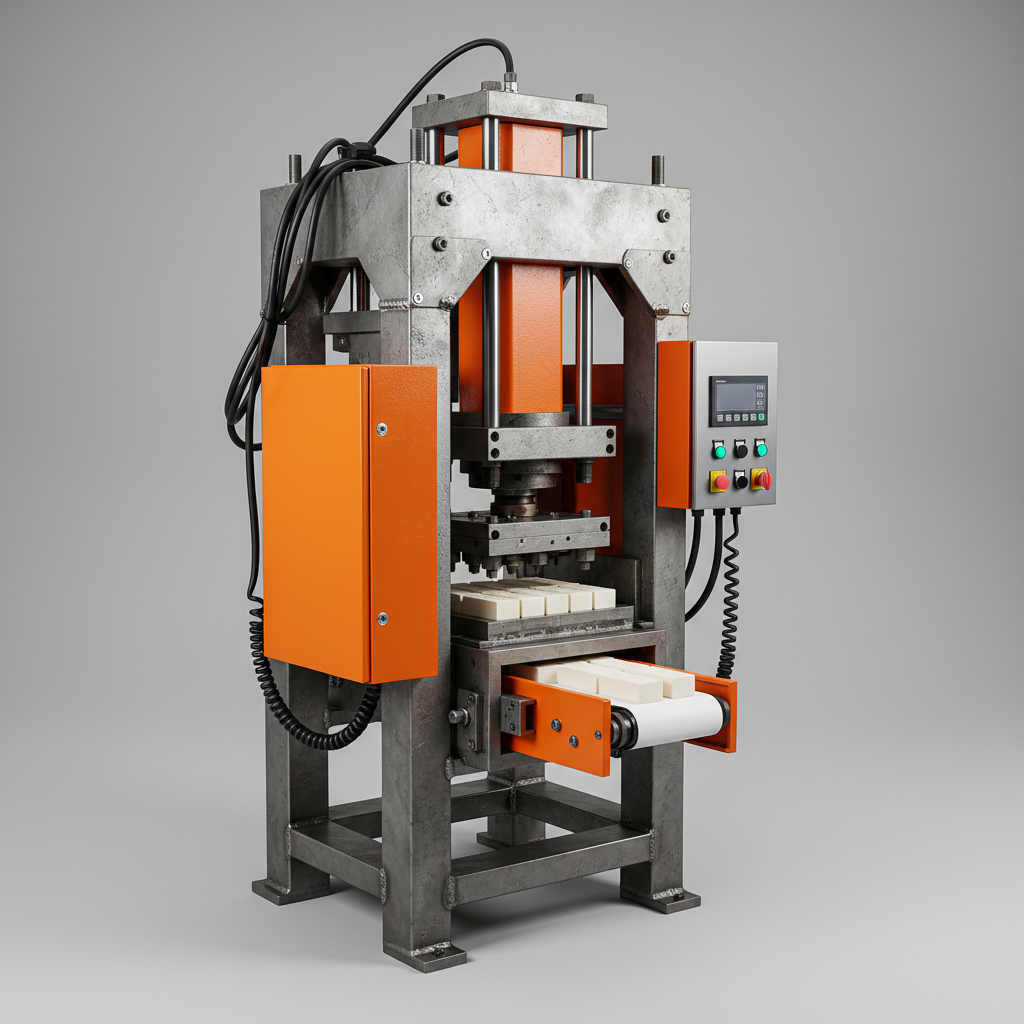
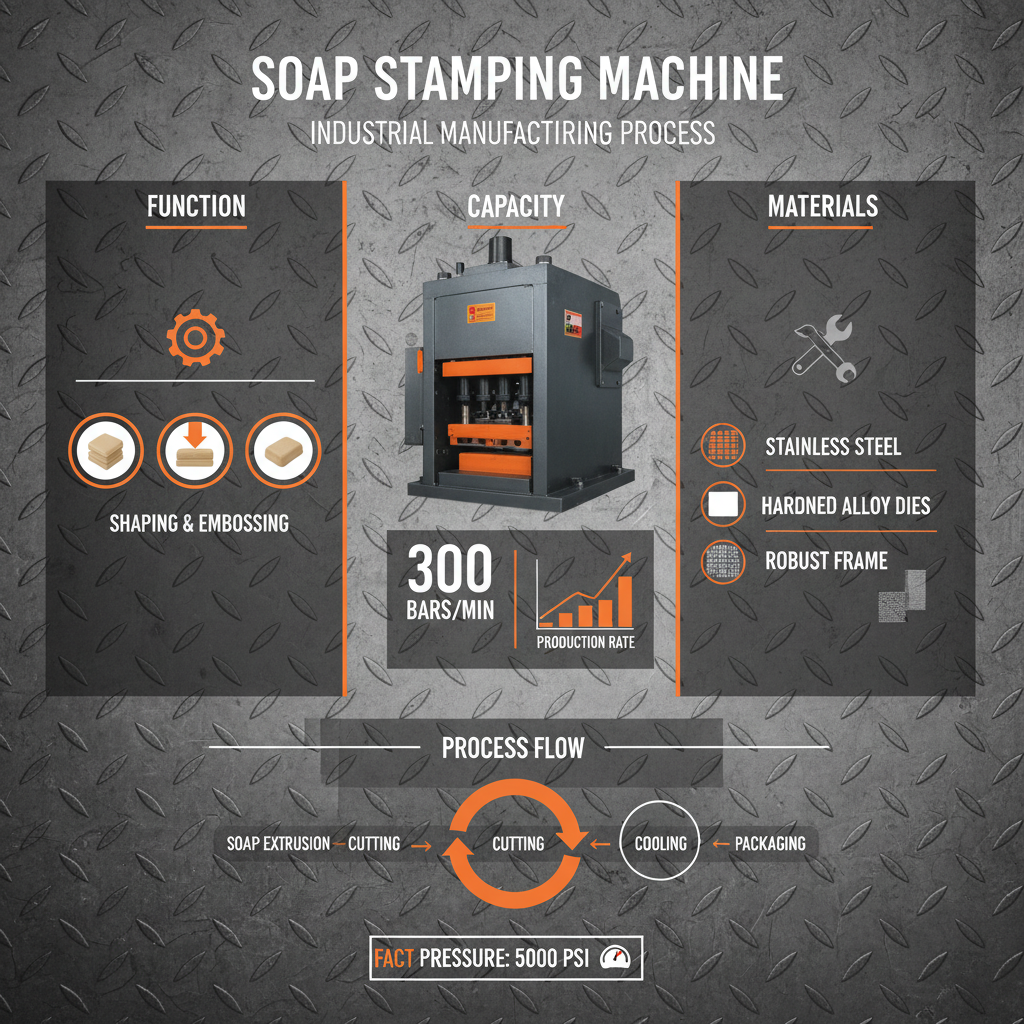
From a practical standpoint, you’re looking at a few core components: a solid frame to withstand the pressure, a precise pressure control mechanism, and interchangeable dies to create different designs. The dies themselves are critical; they need to be made from durable materials that can withstand repeated use without wearing down or deforming. We're constantly evaluating die materials and coatings to improve longevity and impression quality.
Global Demand and the stamping machine for soap Market
The demand for stamped soap is surprisingly robust. It's not just about the big brands; artisanal soapmakers are booming, and they all want to present a professional image. This translates to a growing market for stamping machines, particularly in regions with thriving soap industries like Europe, North America, and increasingly, Southeast Asia. I've seen a surge in demand for smaller, more affordable machines geared towards these smaller businesses.
According to recent reports, the global soap market is projected to reach [insert statistic – e.g., $44.7 billion by 2027], and a significant portion of that value is tied to branding and presentation. A well-stamped bar simply looks more valuable. This is driving innovation in stamping machine technology, with manufacturers focusing on automation, efficiency, and design flexibility.
What's interesting is the growing emphasis on sustainable and eco-friendly practices. Soapmakers are looking for machines that minimize waste, use energy efficiently, and are built to last. They're also demanding machines that can handle natural and organic soap formulations, which can be more delicate and require gentler handling.
Defining a stamping machine for soap: Key Components
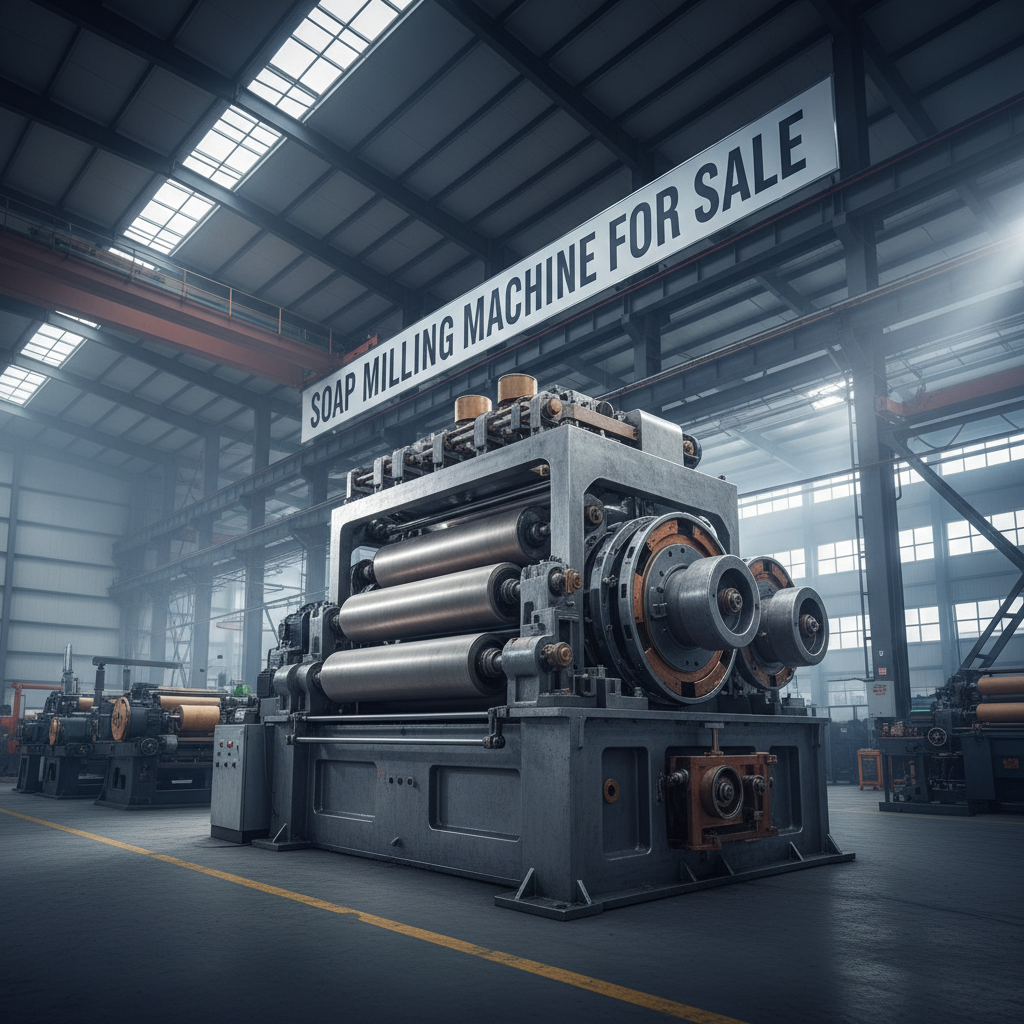
Let’s break down what makes a stamping machine for soap tick. First, you’ve got the frame – this needs to be rock solid, usually made from heavy-duty steel, to handle the pressure without flexing. Then there’s the pressure system itself, which can be pneumatic (air-powered), hydraulic (fluid-powered), or mechanical (lever-based). Pneumatic systems are common for smaller operations due to their simplicity, but hydraulic systems offer more consistent and controllable pressure for higher volume production.
The dies are arguably the most important part. These are the custom-made molds that create the impression on the soap. They’re typically made from hardened steel or brass, and the quality of the die directly impacts the clarity and detail of the stamp. We see a lot of demand for quick-change die systems, allowing soapmakers to easily switch between different designs without significant downtime.
Finally, you have the control system. This can range from a simple manual lever to a sophisticated PLC-controlled system with programmable pressure settings and automated operation. The level of automation depends on the production volume and the desired level of precision. I've found that even basic machines benefit from a well-designed control system that allows for easy adjustments.
Crucial Factors for Effective stamping machine for soap Implementation
When implementing a stamping machine for soap, several factors are critical. First, consider the soap’s hardness. Softer soaps require lower pressure and more delicate dies. Second, assess your production volume – a manual machine might suffice for small batches, but a high-volume operation will need automation.
Here's a look at key areas for evaluation, rated on a scale of 1 to 10 (1 = Poor, 10 = Excellent):
stamping machine for soap Performance Metrics
Real-World Applications of stamping machine for soap
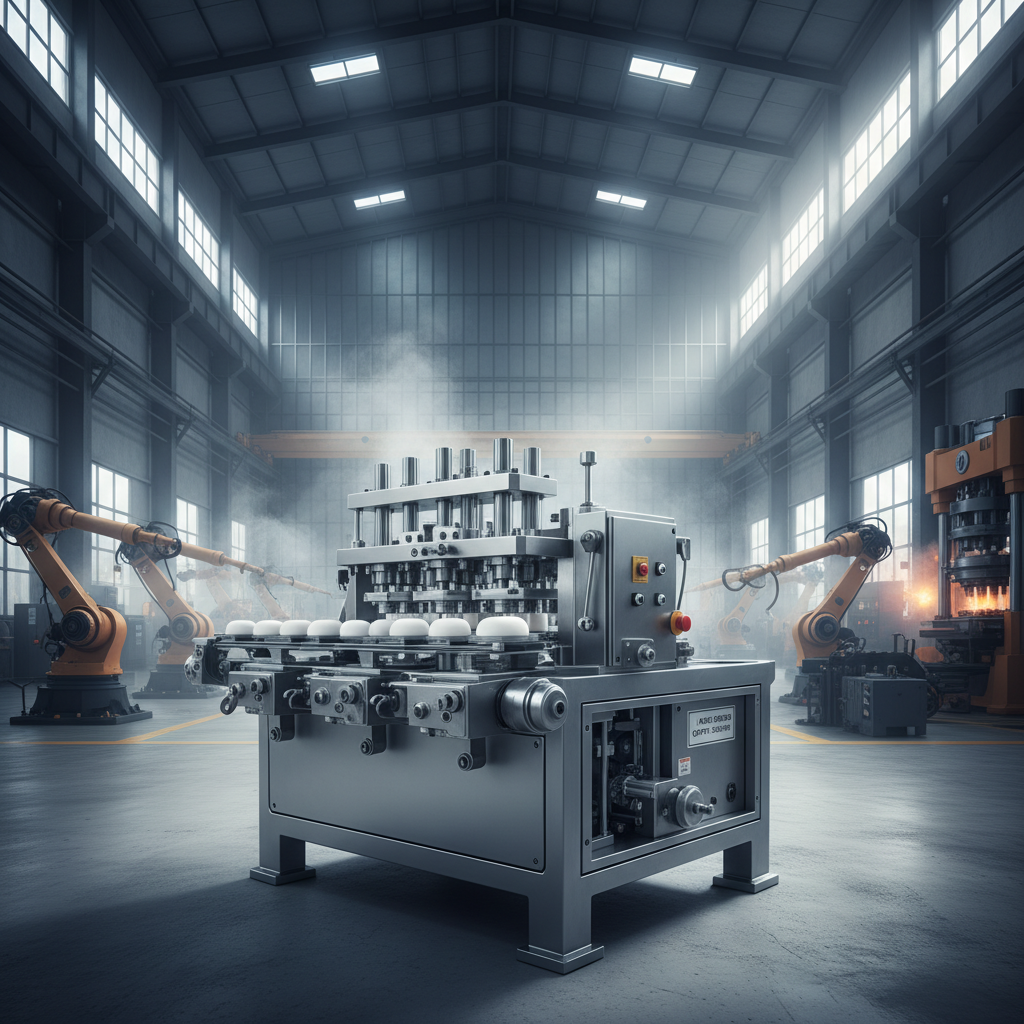
I've seen stamping machines for soap used in everything from small-batch artisanal workshops to large-scale industrial facilities. In post-disaster relief operations, having a reliable way to brand hygiene products, like soap, can be crucial for distribution and tracking. In remote industrial zones, where access to skilled labor is limited, automated stamping machines can streamline production and ensure consistent quality.
For example, I worked with a soap cooperative in rural Africa that used a hand-operated stamping machine to brand their products and gain recognition in the local market. The simple act of having a professional-looking stamp significantly increased their sales and empowered the community.
Long-Term Benefits and Value of stamping machine for soap
Investing in a quality stamping machine for soap yields tangible long-term benefits. Reduced labor costs through automation, minimized waste due to consistent impressions, and improved brand recognition are just the beginning. A well-maintained machine will last for years, offering a solid return on investment.
But it's about more than just dollars and cents. A professional-looking stamp builds trust with consumers, conveys a sense of quality, and enhances the overall brand experience. This can lead to increased customer loyalty and repeat business. And honestly, there's a sense of pride that comes with creating a beautifully branded product.
Future Trends and Innovations in stamping machine for soap Technology
We’re seeing a trend towards more customizable and flexible stamping machines. Soapmakers want the ability to quickly change designs and adapt to market demands. Digital die technology, where designs are etched onto the dies using lasers, is gaining traction. This allows for faster turnaround times and greater design complexity.
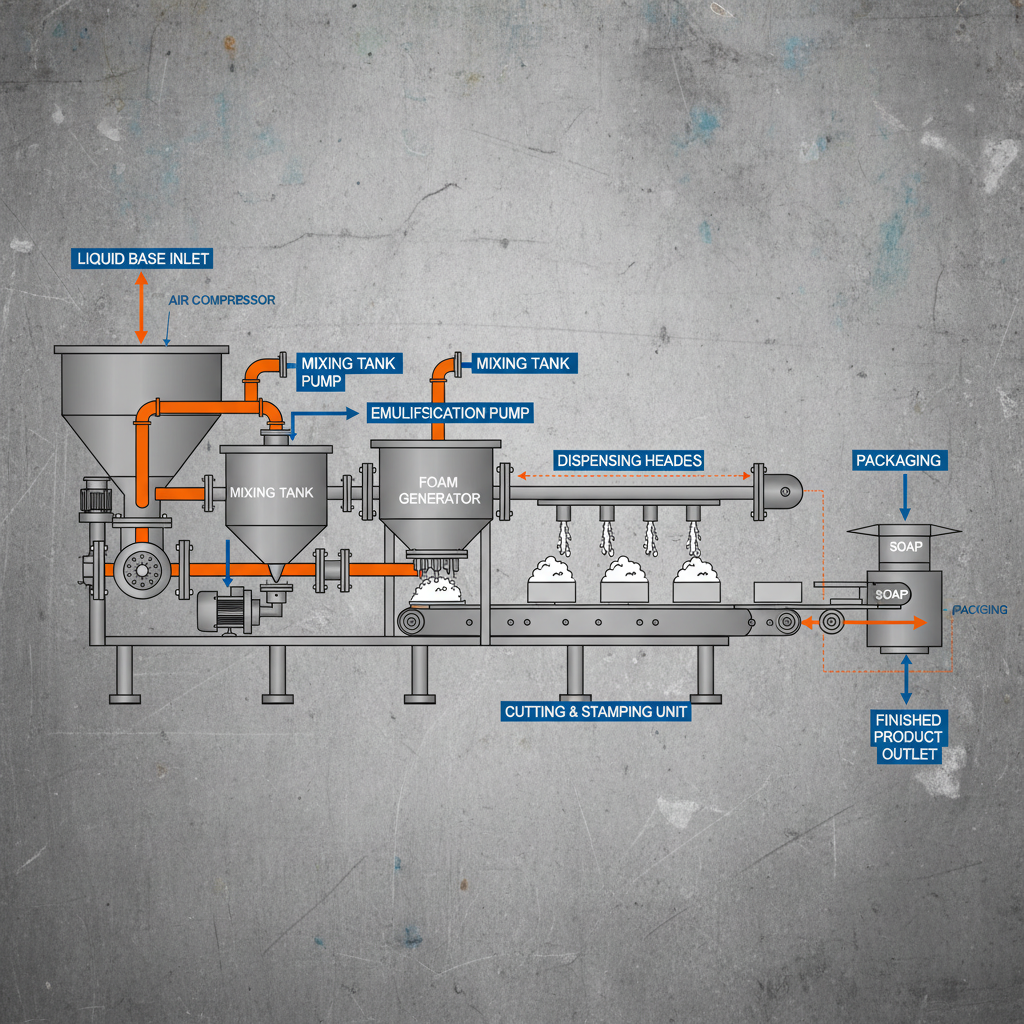
Another area of innovation is in automated soap feeding and ejection systems. These systems reduce manual labor and improve efficiency, particularly for high-volume production. We're also exploring the use of AI-powered vision systems to automatically inspect stamped soaps for defects, ensuring consistent quality control.
Sustainability is also a driving force. Manufacturers are developing more energy-efficient machines and using eco-friendly materials in their construction. The push for less waste is influencing die designs to maximize soap utilization.
Summary of Key Considerations for stamping machine for soap Selection
| Production Volume |
Soap Hardness |
Budgetary Constraints |
Maintenance Requirements |
| Low (under 100 bars/day) |
Soft |
Under $500 |
Minimal – Simple design |
| Medium (100-500 bars/day) |
Medium |
$500 - $2000 |
Moderate – Routine lubrication |
| High (500+ bars/day) |
Hard |
$2000+ |
Extensive – Scheduled maintenance |
| Variable |
Variable |
Flexible Financing Options |
Remote diagnostics available |
| Small Batch/Artisanal |
Delicate |
Prioritize quality over cost |
Easy to clean and maintain |
| Large Scale Industrial |
Consistent |
Focus on long-term ROI |
Automated maintenance alerts |
FAQS
For someone just starting out, I always recommend a simple, hand-operated pneumatic machine. They’re affordable, easy to learn, and require minimal maintenance. You don’t need a lot of bells and whistles when you’re first getting your feet wet. Focus on mastering the basics – pressure control and die alignment – before investing in more complex automation. Look for a machine with adjustable pressure settings to accommodate different soap formulations.
Die lifespan depends on several factors: the hardness of the dies, the type of soap you’re stamping, and the frequency of use. Softer dies will wear out faster, especially if you’re stamping hard soaps. As a general rule, inspect your dies regularly for signs of wear – rounding of the edges, loss of detail. Replace them when the impression quality starts to degrade. With proper care, good-quality dies can last for thousands of impressions.
Hardened steel is the most common and durable material for stamping dies. However, brass is also a good option, especially for softer soaps. Steel dies offer better longevity and detail, but they’re more expensive. Brass dies are more affordable and gentler on delicate soaps, but they wear out faster. We’re also seeing more dies with specialized coatings to increase hardness and reduce wear.
A blurry or incomplete impression can be caused by several issues. First, check the pressure setting – it might be too low. Second, inspect the die for damage or debris. Third, ensure the soap bar is properly positioned under the die. Finally, make sure the pressure plate is making full contact with the soap bar. Sometimes a simple adjustment is all it takes.
While designed for soap, some machines can be adapted for stamping other soft materials like clay or wax, depending on the die design and pressure settings. However, it's crucial to ensure the materials are compatible and won't damage the machine or the die. Always test on a small, inconspicuous area first.
Regular maintenance is key to keeping your machine running smoothly. This includes lubricating moving parts, cleaning the machine regularly, and inspecting the dies for wear. For pneumatic machines, check the air pressure and filter. For hydraulic machines, check the fluid levels. A little preventative maintenance can save you a lot of headaches down the road.
Conclusion
The stamping machine for soap is a critical component for any soapmaker looking to elevate their brand and ensure consistent quality. From small artisanal operations to large-scale manufacturers, choosing the right machine—and maintaining it properly—is an investment that pays dividends in efficiency, brand recognition, and customer satisfaction. It’s about finding the right fit for your specific needs, considering your production volume, soap hardness, and budgetary constraints.
Looking ahead, expect to see even more innovation in this space—from digital die technology to automated systems and sustainable designs. By staying informed and embracing these advancements, soapmakers can continue to improve their processes, enhance their products, and thrive in a competitive market. For more information and to explore our range of stamping machines, visit our website: stamping machine for soap.