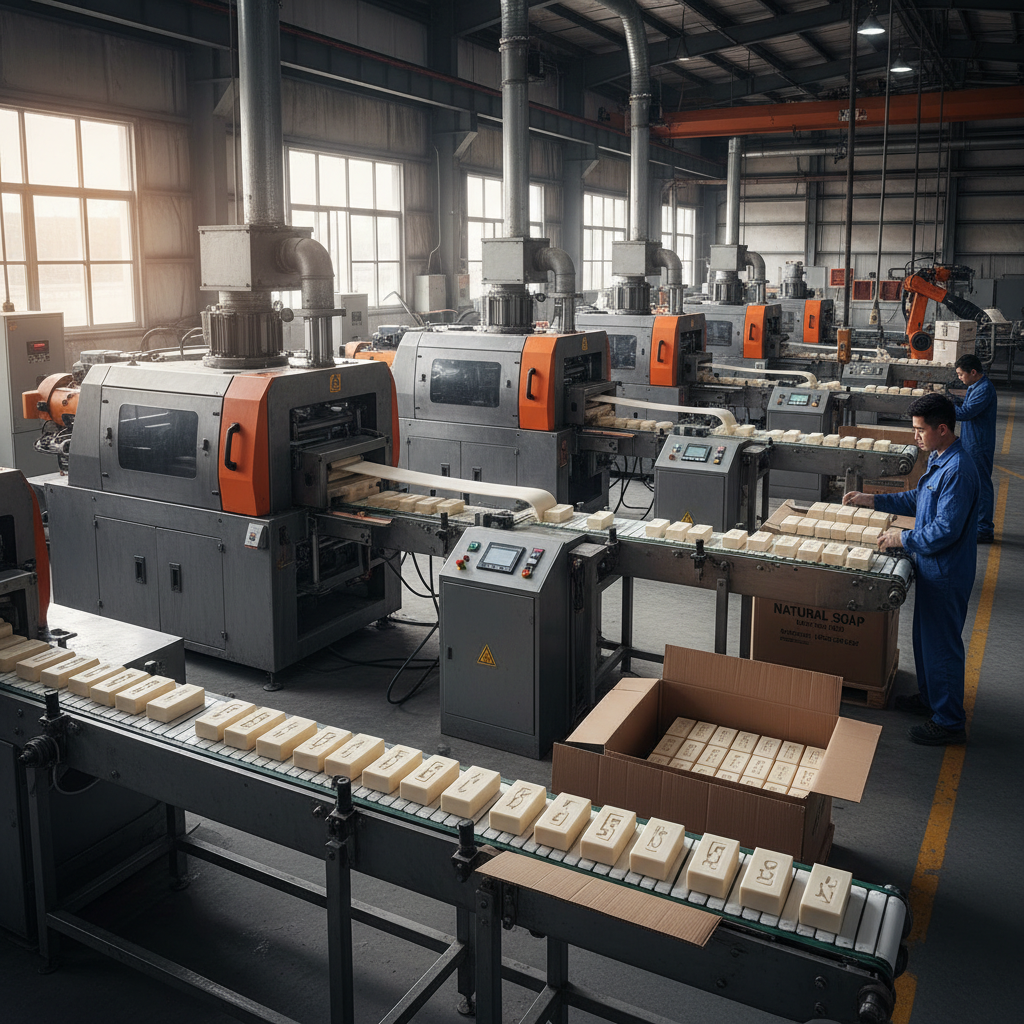
Choosing the Right Silicone Rubber Mixing Machine for Your Business
The demand for silicone rubber products is surging across diverse industries, from automotive and healthcare to consumer goods. Efficient and reliable mixing is crucial for achieving consistent quality and optimal material properties. Selecting the appropriate silicone rubber mixing machine is, therefore, a critical investment. This article will guide you through the key considerations, types of machines available, and factors to ensure you choose the perfect solution for your manufacturing needs. We’ll cover everything from batch size to viscosity, helping you maximize efficiency and product quality.
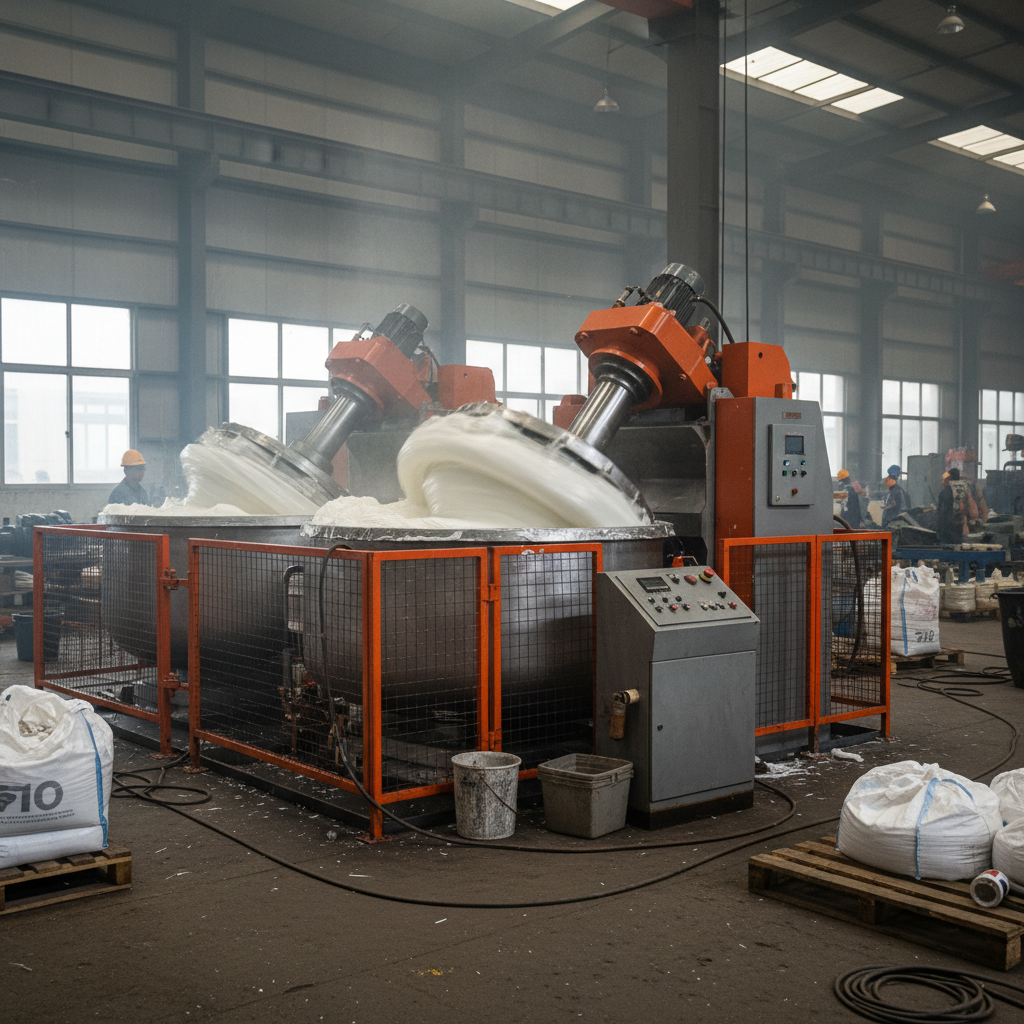
Understanding the Importance of Silicone Rubber Mixing
Silicone rubber is a versatile material, but its properties are heavily influenced by the mixing process. Proper dispersion of fillers, pigments, and additives is essential for achieving desired characteristics like tensile strength, elongation, and hardness. Inadequate mixing can lead to inconsistencies, weaker products, and potential manufacturing defects. A well-chosen silicone rubber mixing machine ensures homogeneous blends, reduces waste, and improves overall product performance. It also impacts production speed and labor costs, making it a key component of a successful silicone rubber manufacturing operation.
Key Benefit: Consistent and homogeneous mixing leads to superior product quality, reduced waste, and enhanced efficiency.
Types of Silicone Rubber Mixing Machines
Several types of machines cater to different production volumes and material viscosities. The most common include: Planetary Mixers, known for their thorough mixing action and suitability for high-viscosity materials; Double Sigma Arm Mixers, ideal for large batch sizes and efficient heat transfer; and Internal Mixers (Banbury Mixers), used for very high-volume production and demanding applications. The choice depends on your specific needs, budget, and desired level of automation. Each type offers unique advantages and disadvantages concerning mixing efficiency, batch size, and operational complexity.
Machine Type Comparison:
• Planetary Mixer: High viscosity, small to medium batches
• Double Sigma Arm Mixer: Large batches, efficient heat transfer
• Internal Mixer: Very high volume, demanding applications
Key Features to Consider When Choosing a Silicone Rubber Mixing Machine
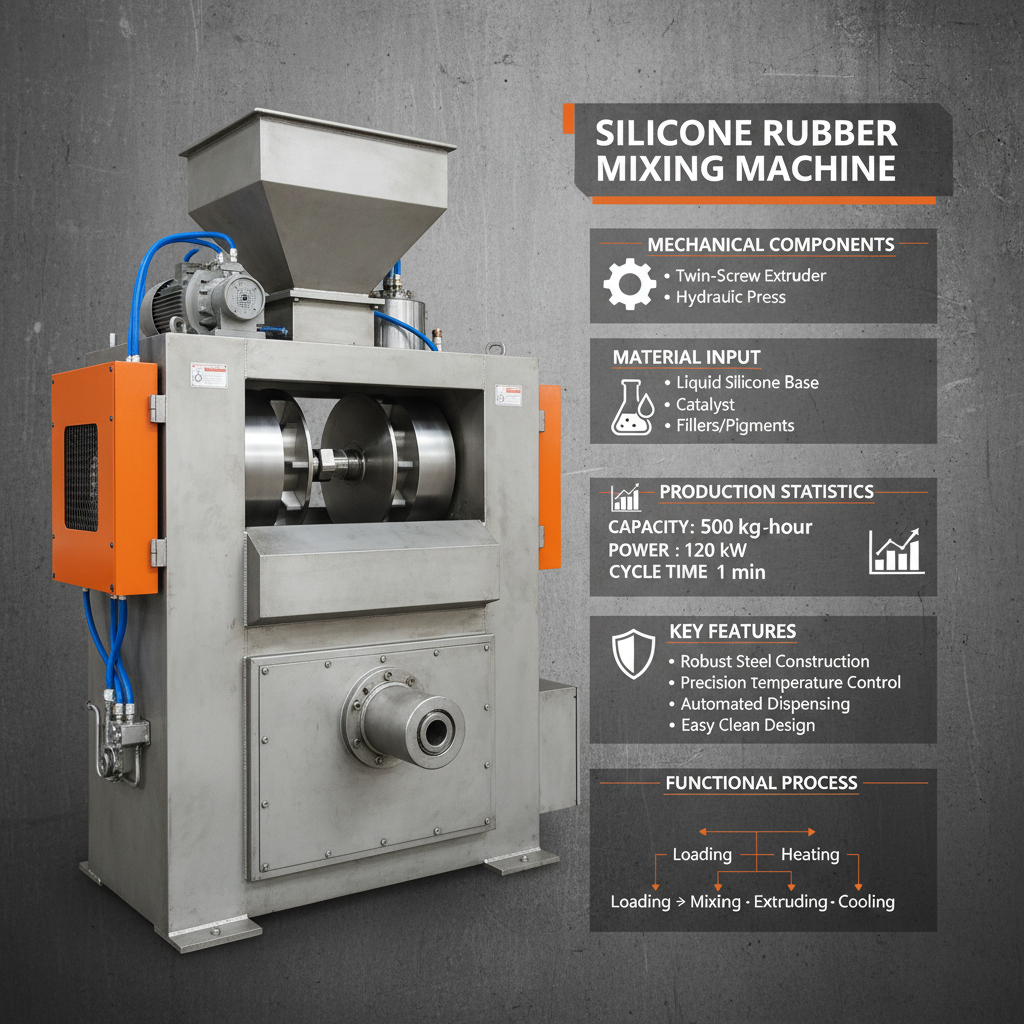
When evaluating different machines, consider these critical features: Mixing Speed Control for precise control over the mixing process; Temperature Control System to manage exothermic reactions and maintain optimal viscosity; Material Compatibility ensuring the machine components can withstand the chemical properties of silicone rubber; and Ease of Cleaning and Maintenance to minimize downtime and ensure long-term reliability. Furthermore, consider the level of automation desired. Fully automated systems can significantly reduce labor costs and improve consistency, while manual systems offer greater flexibility for smaller batches.
Matching Machine Type to Batch Size and Viscosity
Choosing the right machine also requires considering your typical batch size and the viscosity of the silicone rubber compound. For small batches of high-viscosity materials, a planetary mixer is often the most suitable choice. Larger batches and lower viscosity materials benefit from the efficiency of a double sigma arm mixer. Extremely high-volume production necessitates an internal mixer. Accurately assessing these parameters will ensure you select a machine that delivers optimal performance and minimizes operational costs.
Partnering with a Reliable Supplier: RS Soap Machine
Investing in a silicone rubber mixing machine is a significant decision. Partnering with a reputable supplier like RS Soap Machine ensures you receive high-quality equipment, expert technical support, and reliable after-sales service. We offer a comprehensive range of mixing solutions tailored to meet your specific needs. From initial consultation to installation and training, we are committed to helping you achieve optimal mixing performance and maximize your return on investment.
Conclusion: Maximize Efficiency with the Right Mixing Solution
Choosing the right silicone rubber mixing machine is crucial for ensuring product quality, maximizing efficiency, and minimizing costs. By carefully considering your batch size, material viscosity, and desired level of automation, and by partnering with a trusted supplier like RS Soap Machine, you can make an informed decision that will benefit your business for years to come.
Frequently Asked Questions (FAQs)
What factors influence the choice between a planetary mixer and a double sigma arm mixer?
The primary factor is viscosity. Planetary mixers excel with highly viscous silicone compounds, offering thorough mixing even with challenging materials. Double sigma arm mixers are preferred for lower viscosity materials and larger batch sizes, as they provide efficient heat transfer and promote faster mixing cycles. Batch size is also critical; planetary mixers are best for smaller volumes, while double sigma arm mixers are designed for high-volume production. Consider the specific properties of your silicone rubber and your overall production capacity when making your decision.
How important is temperature control during silicone rubber mixing?
Temperature control is extremely important. Silicone rubber mixing often generates heat due to the shear forces involved. Excessive heat can cause premature curing or degradation of the material, leading to inconsistencies in the final product. Maintaining a consistent temperature ensures optimal viscosity, promotes even dispersion of additives, and prevents unwanted chemical reactions. Machines with integrated heating and cooling systems provide precise temperature control, resulting in superior product quality.
What maintenance is typically required for a silicone rubber mixing machine?
Regular maintenance is crucial for ensuring long-term reliability and performance. This includes cleaning the mixing chamber and blades after each use, lubricating moving parts, inspecting seals and gaskets for wear, and checking electrical connections. Following the manufacturer's recommended maintenance schedule is essential. Proper maintenance minimizes downtime, prevents costly repairs, and extends the lifespan of your investment. RS Soap Machine provides comprehensive maintenance support and replacement parts.