Understanding the Versatility of the Shear Mill
The shear mill is a critical piece of equipment in a variety of industrial processes, from cosmetic and pharmaceutical production to food processing. Its ability to efficiently and consistently reduce particle size makes it invaluable for achieving desired textures, improving product quality, and enhancing bioavailability. This article delves into the core functionality, applications, benefits, and factors to consider when selecting a shear mill for your specific needs. Understanding these aspects is key to maximizing its potential and ensuring a robust return on investment.
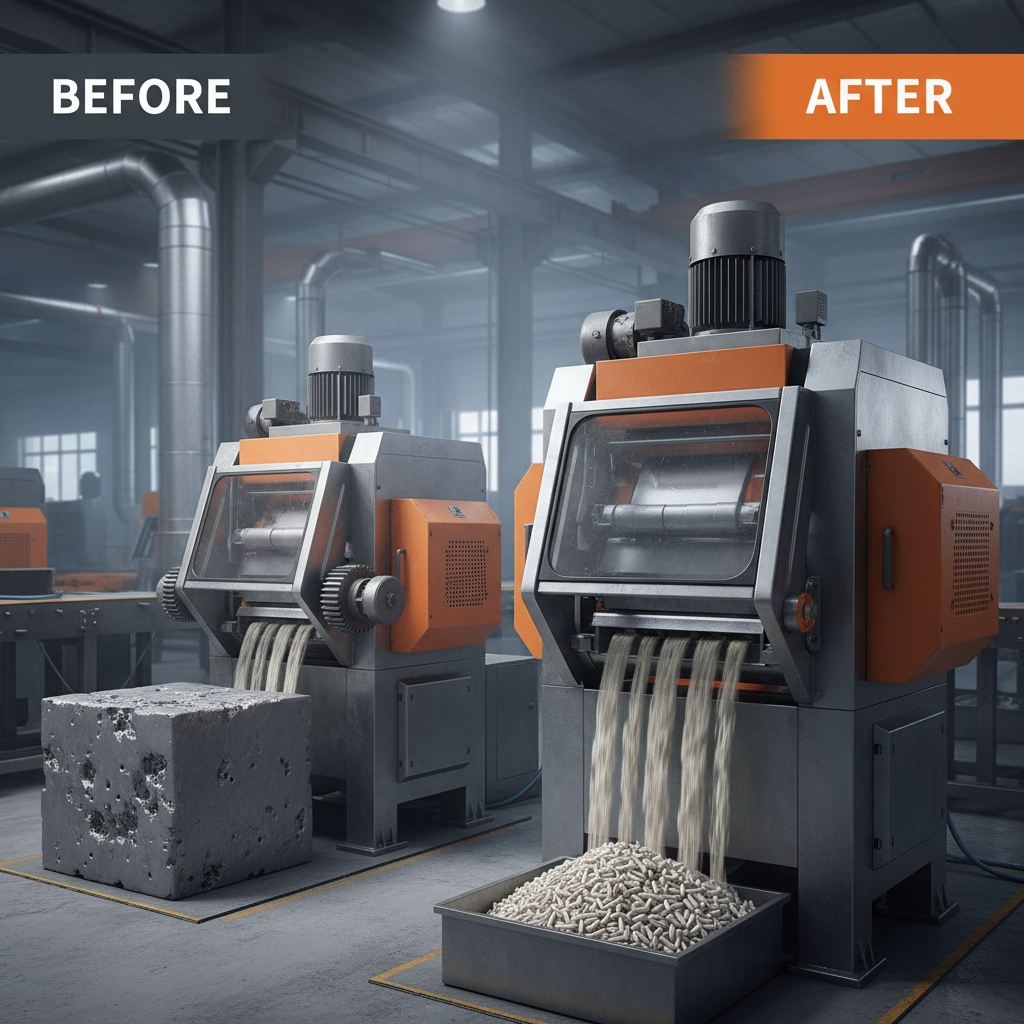
How Does a Shear Mill Work?
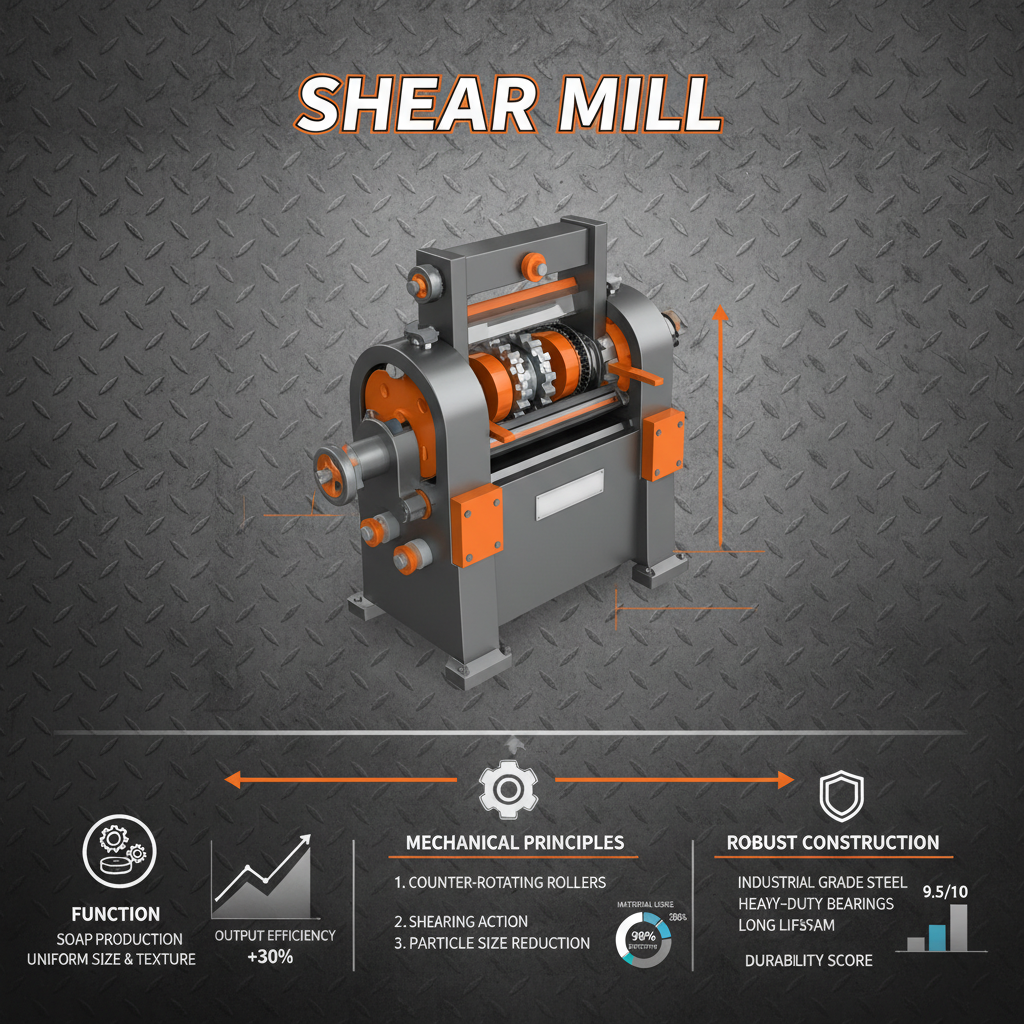
At its core, a shear mill utilizes high-speed rotors with precisely engineered blades to create intense shear forces. These forces disrupt the intermolecular bonds within the material being processed, reducing particle size through impact, friction, and cavitation. The process is often performed in a liquid medium, which aids in heat dissipation and prevents clumping. Different rotor-stator configurations are available, allowing for customization based on the desired particle size distribution and the properties of the input material. Unlike other milling techniques, shear mills excel at processing heat-sensitive materials with minimal temperature increase due to their efficient design and cooling capabilities.
Key Highlights: Intense shear forces disrupt intermolecular bonds, efficient heat dissipation, and customizable rotor-stator configurations.
Key Applications of Shear Mills
The versatility of the shear mill extends across numerous industries. In the cosmetic industry, it's used for emulsifying creams and lotions, creating stable suspensions, and reducing the particle size of pigments for improved color dispersion. Pharmaceutical companies rely on shear mills for micronizing active pharmaceutical ingredients (APIs) to enhance bioavailability and improve drug delivery. The food industry utilizes them for homogenizing sauces, creating stable emulsions, and improving the texture of various food products. Other applications include cell disruption for biotechnology research, pigment dispersion for paints and coatings, and nanoparticle production.
Application Benefits:
• Enhanced product texture and stability
• Improved bioavailability of APIs
• Precise particle size control
• Efficient processing of heat-sensitive materials
Shear Mill vs. Other Milling Technologies
While various milling technologies exist, the shear mill offers unique advantages. Compared to ball mills, shear mills provide a more controlled particle size distribution and prevent contamination from grinding media. Unlike jet mills, shear mills are more efficient for processing materials with higher viscosity. High-pressure homogenizers, while effective, can generate significant heat, making shear mills a preferable option for temperature-sensitive substances. The choice of milling technology depends heavily on the specific application and material characteristics.
Choosing the Right Shear Mill: Key Considerations
Selecting the appropriate shear mill requires careful consideration of several factors. Throughput requirements, desired particle size distribution, viscosity of the material, and the presence of abrasive particles all play a crucial role. The materials of construction are also important, especially when processing corrosive substances. RS Soap Machine offers a range of shear mills tailored to different applications and can provide expert guidance in selecting the optimal solution for your specific needs.
Conclusion: Optimizing Your Processes with Shear Milling
Investing in Efficient Particle Size Reduction
The shear mill is a powerful tool for achieving precise particle size reduction and enhancing product quality across a diverse range of industries. By understanding its principles of operation, applications, and key considerations for selection, you can optimize your processes and unlock significant benefits. RS Soap Machine is dedicated to providing high-quality shear mills and expert support to help you achieve your processing goals.
Frequently Asked Questions (FAQs)
What materials can a shear mill process?
Shear mills are incredibly versatile and can handle a wide array of materials, including liquids, semi-solids, and solids. They’re frequently used with cosmetics, pharmaceuticals, food products, paints, and chemicals. However, extremely abrasive materials may require specialized wear-resistant components. It's essential to consider the material’s viscosity, particle size, and chemical compatibility when selecting a shear mill and rotor-stator configuration.
What is the typical particle size reduction achievable with a shear mill?
The achievable particle size reduction depends on several factors, including the initial particle size, material properties, rotor-stator configuration, and processing parameters. Shear mills can typically reduce particle sizes down to the micron range (1-100 μm), and even into the submicron range in some cases. The precise control offered by shear mills makes them ideal for applications requiring narrow particle size distributions.
How do I maintain a shear mill?
Regular maintenance is crucial for ensuring optimal performance and longevity. This includes cleaning the rotor-stator assembly after each use, inspecting for wear or damage, and lubricating moving parts as recommended by the manufacturer. Periodic replacement of seals and bearings may also be necessary. Following the manufacturer’s guidelines and implementing a preventative maintenance schedule will help minimize downtime and maximize the lifespan of your shear mill.
Can shear mills be used for sterile applications?
Yes, shear mills can be designed and manufactured for sterile applications. This typically involves using sanitary fittings, smooth surfaces, and materials that can be easily cleaned and sterilized (e.g., 316L stainless steel). Special seals and designs may also be employed to prevent contamination. It's crucial to work with a reputable supplier like RS Soap Machine to ensure the shear mill meets the specific requirements of your sterile process.