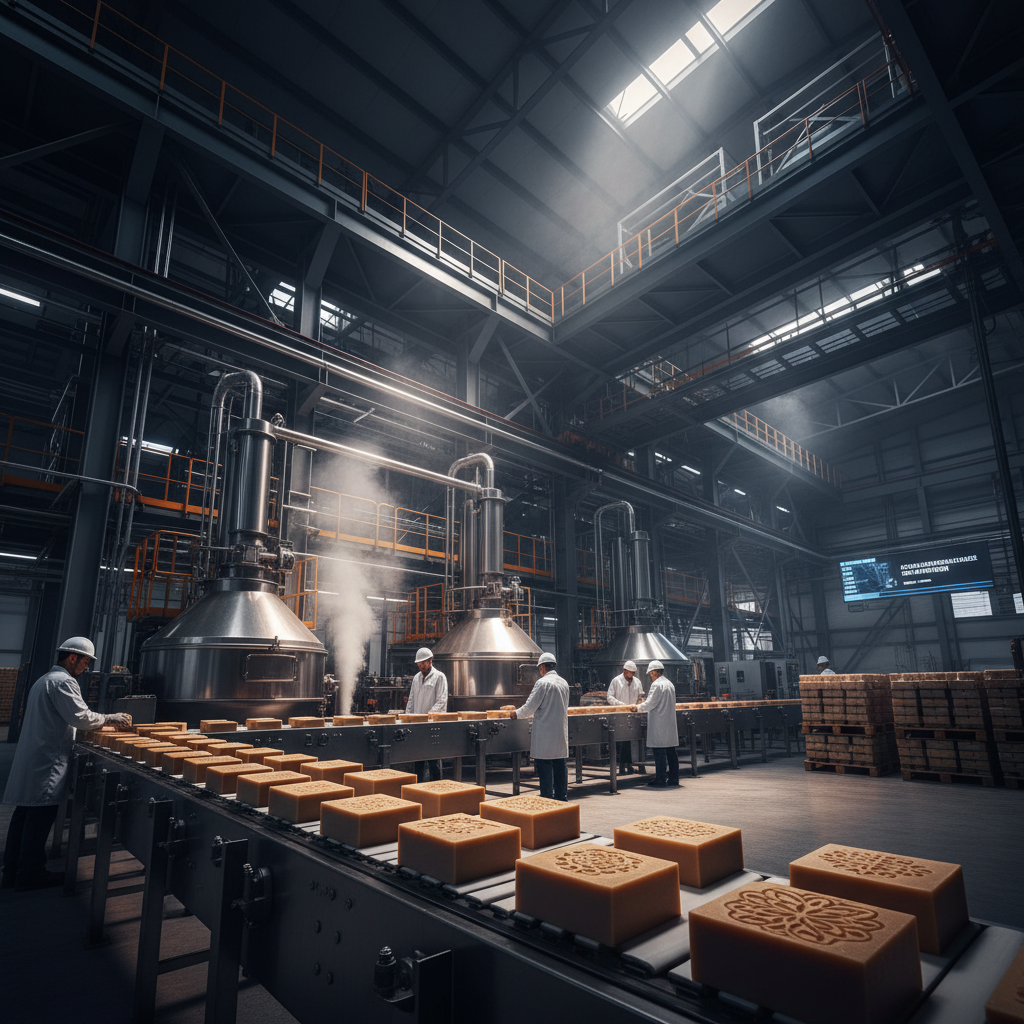
The duplex vacuum plodder for soap represents a significant advancement in soap manufacturing technology, particularly for large-scale production and consistent product quality. Its ability to efficiently handle various soap formulations, from liquid to paste, makes it an indispensable asset in modern soap factories. Understanding its operation, benefits, and future trends is crucial for businesses aiming to optimize their production processes and maintain a competitive edge in the global market.
Globally, the demand for soap remains consistently high, driven by hygiene awareness and increasing population. The duplex vacuum plodder for soap addresses the challenges of scaling production to meet this demand while ensuring product integrity. Its efficient operation minimizes waste and reduces labor costs, contributing to sustainable manufacturing practices. This technology isn’t merely about production volume; it’s about delivering a consistent, high-quality product to consumers worldwide.
The core benefits of mastering the principles behind the duplex vacuum plodder for soap extend beyond just operational efficiency. They encompass reduced material waste, increased production capacity, and enhanced product uniformity, resulting in greater consumer satisfaction and market share. It's a key element in establishing a robust and reliable soap supply chain.
Introduction to the Duplex Vacuum Plodder for Soap
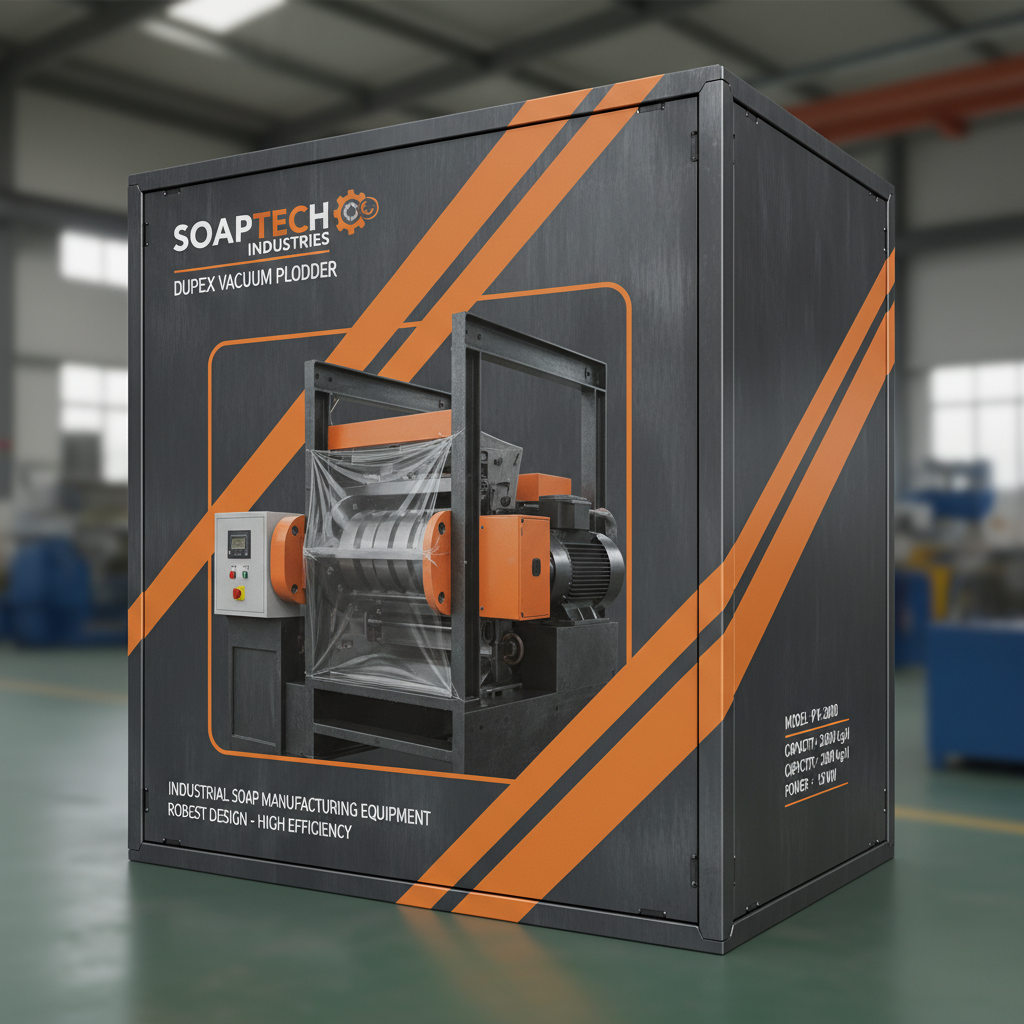
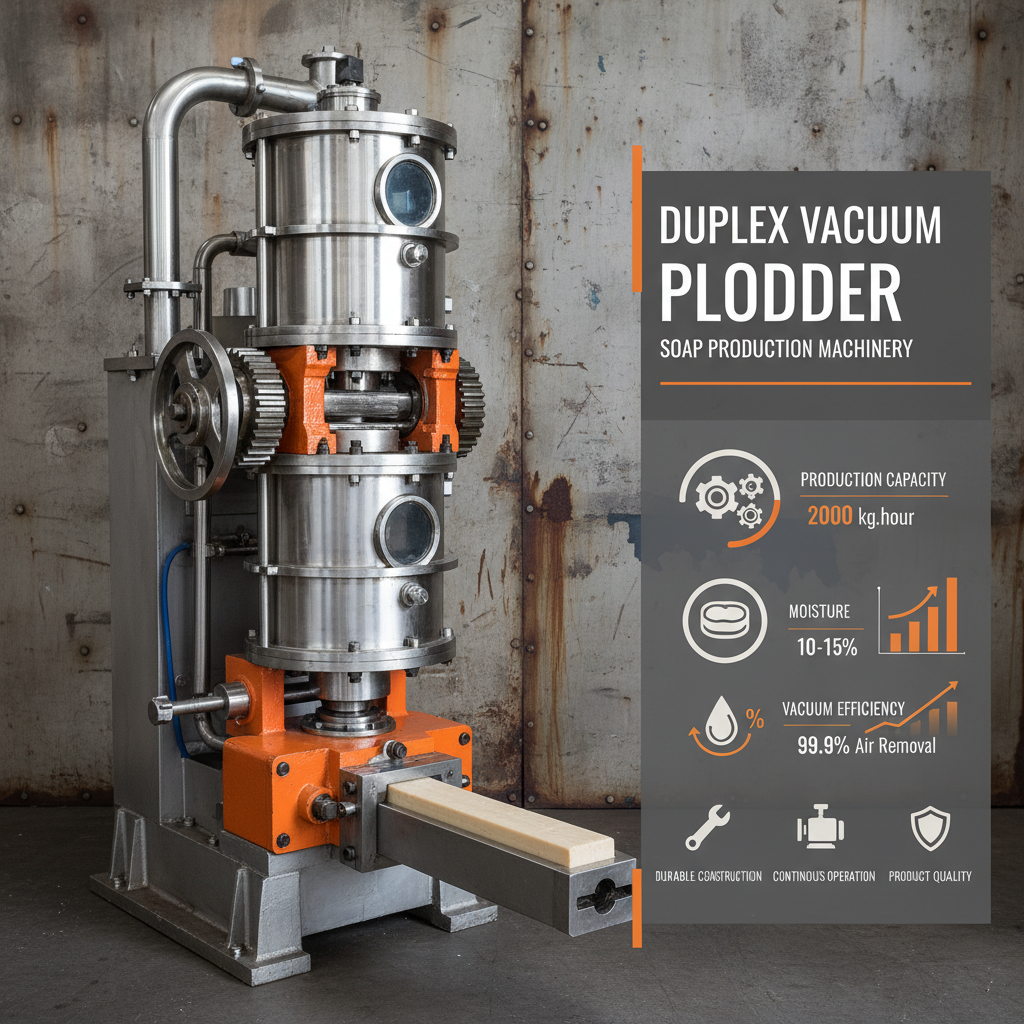
The duplex vacuum plodder for soap is a sophisticated piece of machinery designed for the continuous and efficient extrusion of soap noodles or paste. It's the workhorse of many large-scale soap production facilities, ensuring consistent quality and high throughput. The ‘duplex’ designation indicates the presence of two extrusion cylinders, allowing for uninterrupted operation and increased production capacity.
This technology fundamentally improves upon older, batch-oriented soap manufacturing methods. By creating a continuous flow, the duplex vacuum plodder minimizes downtime and reduces the need for manual handling of materials. The vacuum component is crucial, as it removes air bubbles from the soap mass, resulting in a denser, more uniform final product that improves soap quality and longevity.
Global Relevance and Industry Context
The global soap market is estimated to be worth billions of dollars annually, with significant growth predicted in emerging economies. The United Nations emphasizes the crucial role of hygiene in preventing the spread of disease, directly driving demand for soap products. Manufacturers are constantly seeking ways to increase production efficiency, reduce costs, and improve product quality to remain competitive.
According to the World Bank, access to basic hygiene facilities is still limited in many parts of the world, highlighting the continuing need for affordable and readily available soap. The duplex vacuum plodder for soap plays a vital role in meeting this demand by enabling large-scale, cost-effective soap production. International Organization for Standardization (ISO) standards for soap quality also drive manufacturers to invest in technologies that ensure consistent product characteristics.
One significant challenge facing the soap industry is balancing increased production with environmental sustainability. Older methods often produce substantial waste. The duplex vacuum plodder for soap, when optimized, minimizes waste through precise control of the extrusion process, contributing to more responsible manufacturing practices.
Defining the Duplex Vacuum Plodder for Soap
A duplex vacuum plodder for soap is essentially a machine that takes soap noodles (the result of saponification and subsequent milling) or soap paste and converts it into a continuous solid log or bar. It utilizes a screw-type mechanism within two cylinders operating in tandem. The vacuum system removes trapped air, creating a dense and homogenous soap mass.
The ‘duplex’ configuration is critical, allowing one cylinder to continue extruding while the other is being filled, resulting in uninterrupted production. This contrasts with single-cylinder plodders which require intermittent operation. The extruded soap log is then cut into individual bars or further processed for liquid soap production.
Its connection to modern industry and humanitarian needs is profound. For industry, it offers scalability and efficiency. For humanitarian applications, it allows for the rapid production of affordable soap in areas where hygiene is critical, such as disaster relief or developing countries, where access to clean sanitation is often limited.
Key Factors & Core Components
The performance of a duplex vacuum plodder for soap hinges on several key factors. Durability is paramount, as the machine operates continuously and handles abrasive materials. High-quality stainless steel construction is essential to withstand wear and tear and prevent contamination. Scalability is another critical aspect, allowing manufacturers to adjust production volume to meet fluctuating demand.
Cost efficiency is achieved through reduced labor costs, minimized waste, and lower energy consumption. A well-maintained plodder significantly lowers the overall cost per bar of soap produced. Precision control of the extrusion process, including temperature and pressure, ensures consistent product quality. Vacuum effectiveness is vital for creating a dense, air-bubble-free soap mass, resulting in a superior final product. Finally, ease of maintenance reduces downtime and extends the lifespan of the machine.
Duplex Vacuum Plodder for Soap Performance Metrics
Global Applications & Use Cases
Duplex vacuum plodders for soap are utilized extensively in large-scale soap manufacturing plants across the globe, particularly in regions with high demand for hygiene products, such as Southeast Asia, Africa, and South America. These machines are integral to the production of both household and industrial soaps, including laundry bars, toilet soaps, and specialty soaps.
In post-disaster relief operations, mobile soap manufacturing units equipped with duplex vacuum plodders are often deployed to provide essential hygiene supplies to affected communities. These units can quickly produce large quantities of soap, helping to prevent the spread of disease. duplex vacuum plodder for soap is frequently utilized in such scenarios.
Furthermore, remote industrial zones, such as mining camps or oil fields, often rely on on-site soap production using duplex vacuum plodders to ensure a consistent supply of hygiene products for workers. This reduces reliance on external supply chains and improves logistical efficiency.
Advantages & Long-Term Value
The advantages of investing in a duplex vacuum plodder for soap are numerous. Tangible benefits include significant cost savings through reduced labor and waste, increased production capacity leading to higher revenue, and improved product quality resulting in greater customer satisfaction. These contribute to a stronger bottom line and a more competitive market position.
Beyond the financial gains, there's a significant social impact. Producing affordable, high-quality soap contributes to improved public health and hygiene, particularly in developing countries. The reliability of these machines ensures a consistent supply of a vital necessity, fostering trust and enhancing a company's reputation for social responsibility.
Future Trends & Innovations
Future trends in duplex vacuum plodder for soap technology are focused on automation, sustainability, and digital integration. Automated control systems are being developed to optimize the extrusion process, reduce energy consumption, and minimize waste even further. The incorporation of green energy sources, such as solar power, into the manufacturing process is also gaining traction.
Digitalization, including the use of sensors and data analytics, allows for real-time monitoring of machine performance, predictive maintenance, and improved quality control. These advancements will lead to more efficient, sustainable, and cost-effective soap production. Furthermore, research into new materials and designs is ongoing to enhance the durability and performance of these machines.
The integration of Industry 4.0 principles, such as the Industrial Internet of Things (IIoT), is expected to revolutionize soap manufacturing, enabling seamless communication between machines and providing valuable insights for optimizing production processes.
Challenges & Solutions
Despite their advantages, duplex vacuum plodders for soap can present certain challenges. Maintaining a consistent vacuum level can be difficult, leading to variations in soap density. Addressing this requires regular maintenance of the vacuum system and precise control of the extrusion process. Another challenge is dealing with variations in soap noodle quality, which can affect the smoothness of the extrusion.
One solution is to implement a pre-conditioning system for the soap noodles, ensuring consistent moisture content and particle size. Furthermore, advanced control algorithms can automatically adjust the extrusion parameters to compensate for variations in raw material quality. Regular operator training and preventative maintenance programs are also essential for minimizing downtime and ensuring optimal performance.
The cost of initial investment and potential need for specialized training are other concerns. Leasing options and comprehensive training programs offered by manufacturers like duplex vacuum plodder for soap can mitigate these challenges, making the technology accessible to a wider range of businesses.
Summary of Challenges and Solutions for Duplex Vacuum Plodder Operation
| Challenge |
Impact on Production |
Proposed Solution |
Implementation Cost (1-10) |
| Inconsistent Vacuum Pressure |
Variable Soap Density |
Regular Vacuum System Maintenance & Calibration |
4 |
| Soap Noodle Quality Variation |
Uneven Extrusion |
Pre-Conditioning of Soap Noodles |
6 |
| Operator Error |
Reduced Efficiency & Quality |
Comprehensive Operator Training |
3 |
| Machine Downtime |
Lost Production Capacity |
Preventative Maintenance Schedule |
5 |
| High Initial Investment |
Capital Expenditure Constraints |
Leasing Options & Financing |
7 |
| Lack of Specialized Expertise |
Difficulty with Troubleshooting |
Manufacturer-Provided Technical Support |
4 |
FAQS
Regular maintenance is crucial for optimal performance. This includes daily cleaning of the extrusion head, weekly lubrication of moving parts, monthly inspection of the vacuum system for leaks, and annual professional servicing. Neglecting maintenance can lead to reduced efficiency, increased downtime, and potential damage to the machine. Proper maintenance extends the lifespan of the plodder and ensures consistent product quality.
These plodders are versatile and can handle a wide range of soap formulations, from liquid soap bases to hard soap noodles and pastes. The key is adjusting the extrusion parameters – temperature, pressure, and screw speed – to suit the specific properties of the soap mass. They are commonly used for toilet soaps, laundry bars, and specialty soaps. However, extremely abrasive formulations may require specialized wear-resistant components.
The vacuum system plays a vital role in removing air bubbles from the soap mass during extrusion. Air bubbles can weaken the soap structure and create imperfections. By creating a dense, air-bubble-free soap log, the vacuum system improves the soap's strength, texture, and longevity. This leads to a higher-quality finished product and increased customer satisfaction.
Safety is paramount. Operators should always wear appropriate personal protective equipment (PPE), including safety glasses and gloves. Emergency stop buttons should be readily accessible, and regular safety inspections should be conducted. Guards should be in place to prevent contact with moving parts, and lockout/tagout procedures should be followed during maintenance. Proper training is essential for all operators.
With proper maintenance and regular servicing, a duplex vacuum plodder for soap can have a lifespan of 15-20 years or even longer. The key factors influencing lifespan include the quality of construction, the frequency of use, and the adherence to recommended maintenance schedules. Investing in a high-quality machine and implementing a robust maintenance program is crucial for maximizing its longevity.
Energy consumption varies depending on the size of the machine, the production rate, and the soap formulation being processed. However, modern duplex vacuum plodders are designed to be energy efficient. Implementing variable frequency drives (VFDs) on the motors can further reduce energy consumption by optimizing motor speed to match production demands. Regular maintenance also helps ensure optimal energy efficiency.
Conclusion
In conclusion, the duplex vacuum plodder for soap is a cornerstone of modern soap manufacturing, offering unparalleled efficiency, scalability, and product quality. Its ability to meet the growing global demand for soap while minimizing waste and reducing costs makes it an invaluable asset for businesses of all sizes. Understanding the core principles of its operation and staying abreast of emerging trends is vital for continued success in this competitive industry.
Looking ahead, the integration of automation, digitalization, and sustainable practices will further enhance the performance and value of the duplex vacuum plodder for soap. Investing in this technology is not merely a purchase; it's a strategic commitment to innovation, efficiency, and long-term growth. For more information and to explore suitable solutions for your soap production needs, visit our website: www.rssoapmachinery.com.