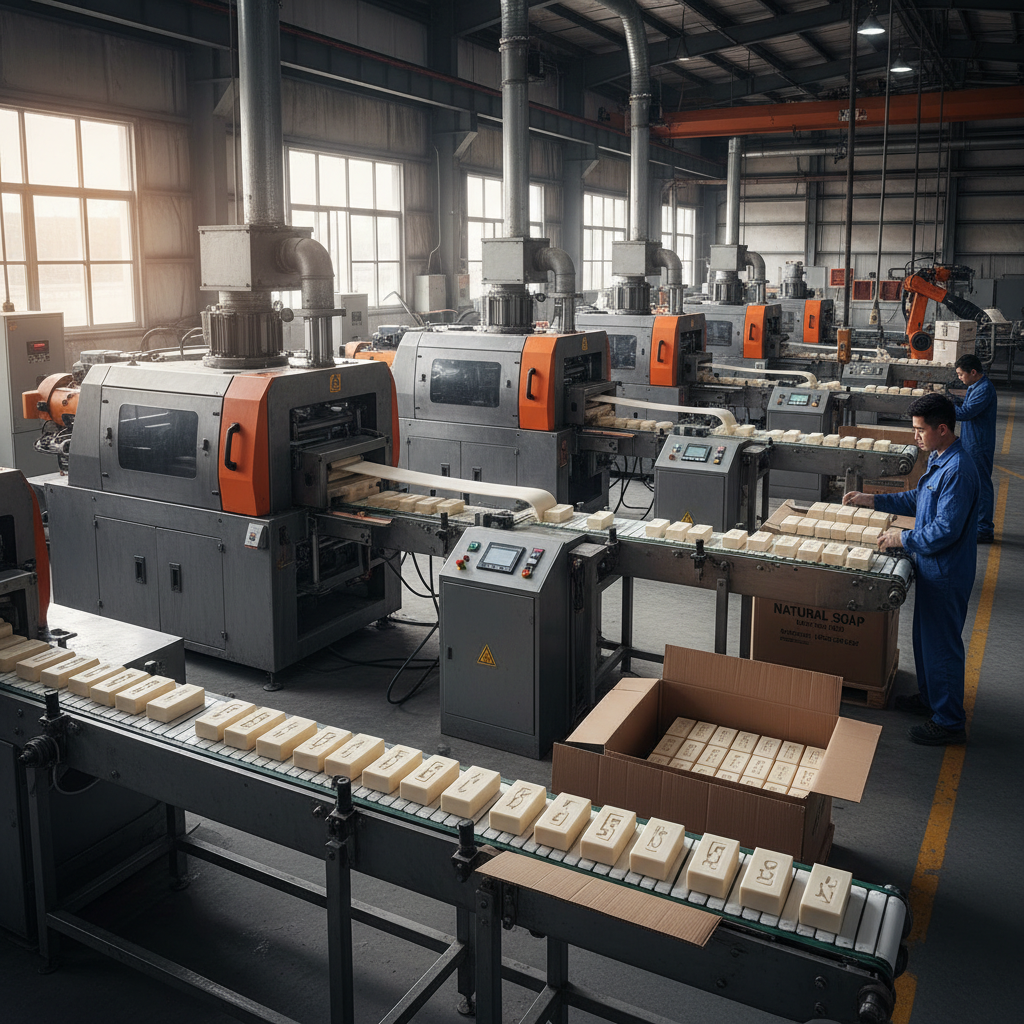
Choosing the Right Mixer Machine for Plastic: A Comprehensive Guide
The plastic industry relies heavily on efficient and reliable mixing processes. A high-quality mixer machine for plastic is crucial for achieving consistent product quality, optimizing production speed, and minimizing material waste. This guide will explore the different types of plastic mixer machines, their applications, key features, and factors to consider when making a purchase. We’ll delve into how selecting the right mixer can significantly enhance your plastic processing operations.
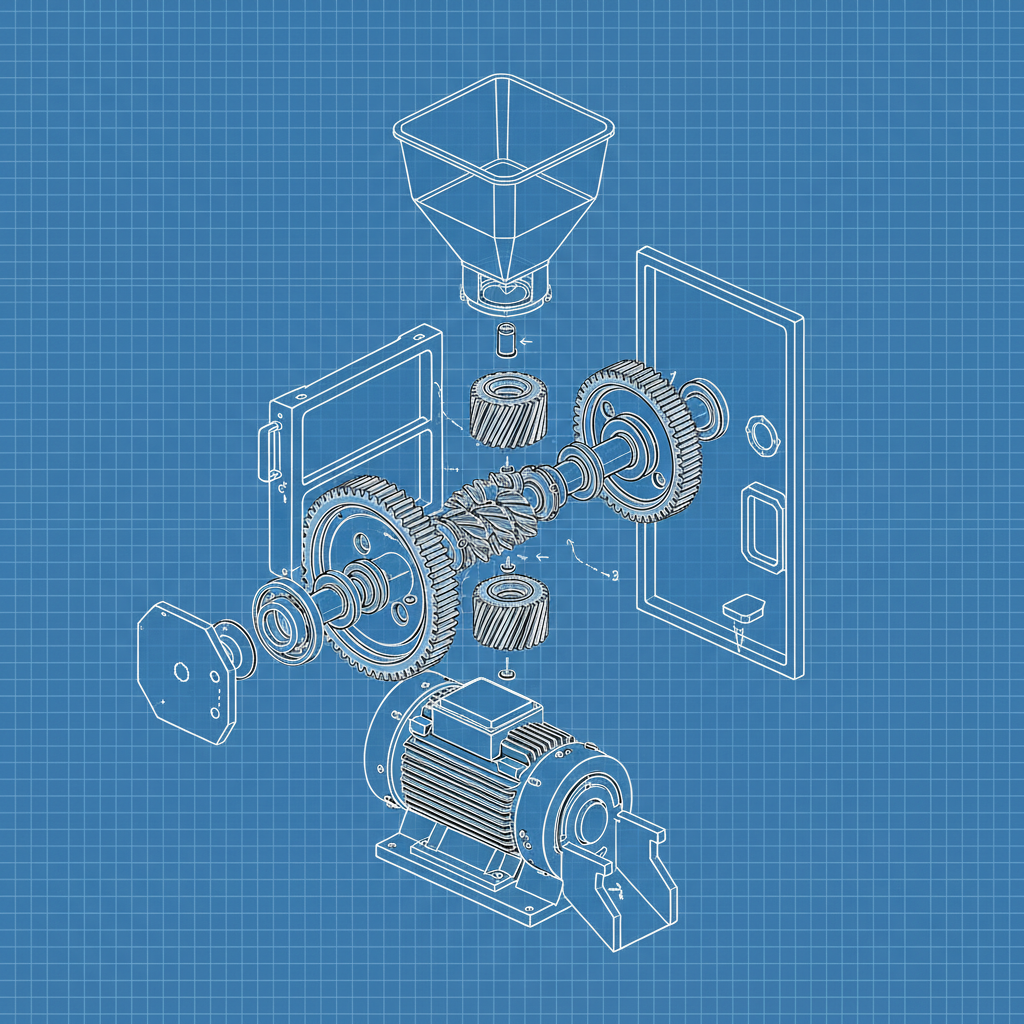
Types of Mixer Machines for Plastic
Several types of mixer machines cater to different plastic processing needs. These include ribbon blenders, paddle mixers, conical screw mixers, and tumble blenders. Ribbon blenders are ideal for mixing powders, granules, and liquids, while paddle mixers excel at handling viscous materials and pastes. Conical screw mixers offer efficient blending of dry materials, and tumble blenders are versatile for mixing a wide range of plastic types. The choice depends on the specific plastic material, batch size, and desired mixing intensity.
Key Considerations: Selecting the right mixer machine requires careful consideration of material characteristics, batch size, mixing intensity, and budget.
Key Features to Look For in a Mixer Machine for Plastic
When evaluating plastic mixer machines, consider features like mixing speed control, timer functionality, robust construction, and ease of cleaning. Variable speed control allows for adjusting the mixing intensity based on the material properties. A built-in timer ensures consistent batch-to-batch results. Durable materials like stainless steel are essential for withstanding the abrasive nature of plastic materials. Furthermore, easy access for cleaning and maintenance reduces downtime and ensures hygiene.
Essential Features:
• Mixing speed control for optimized blending.
• Timer functionality for consistent batch times.
• Durable stainless steel construction for longevity.
• Easy-to-clean design for hygiene and maintenance.
Comparing Popular Mixer Types: Which One Suits Your Needs?
Choosing the best mixer type involves comparing their strengths and weaknesses. Here's a breakdown:
Applications of Plastic Mixer Machines Across Industries
Plastic mixer machines are essential in diverse industries, including packaging, automotive, construction, and consumer goods. They are used for color blending, additive incorporation, compounding, and dry blending of plastic resins. Accurate mixing ensures consistent product quality, improves material properties, and enhances manufacturing efficiency. The right mixer can streamline your production process and optimize your final product.
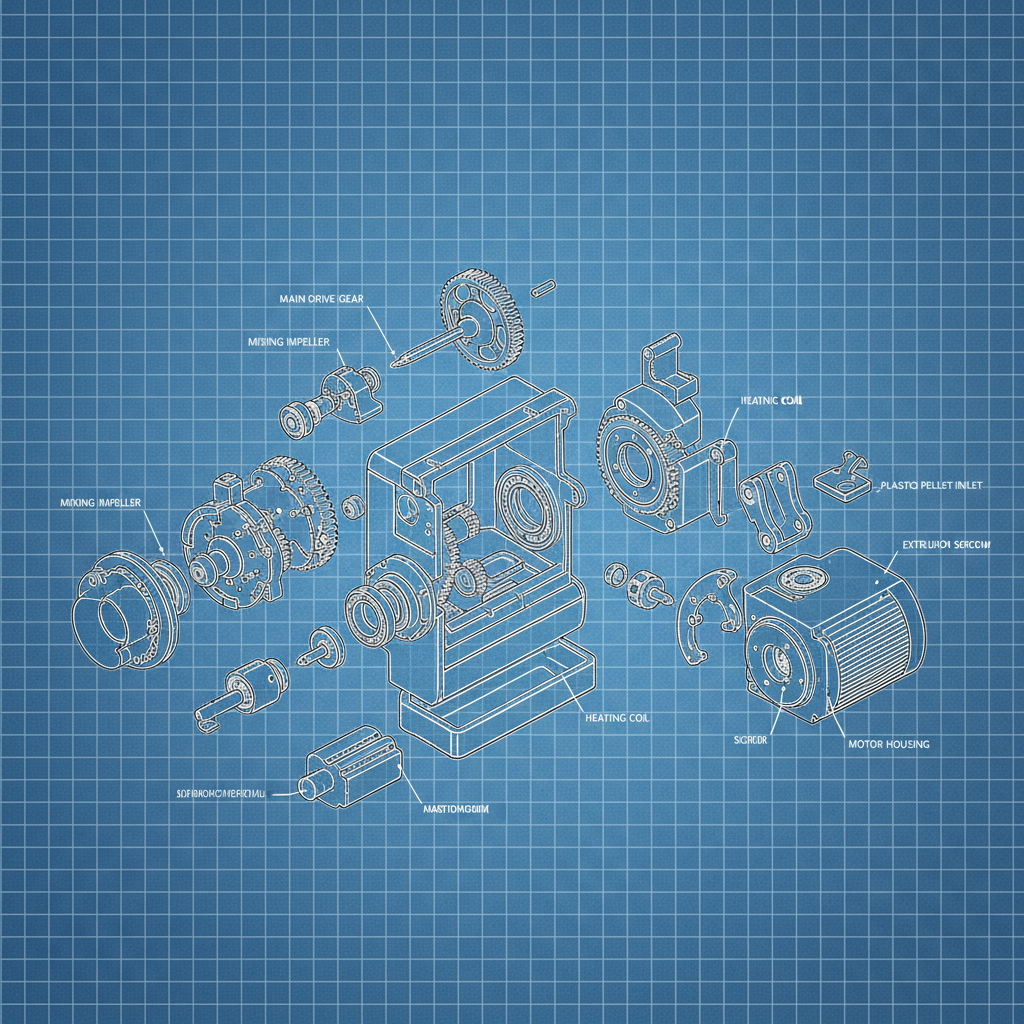
Choosing the Right Supplier: RS Soap Machine
Selecting a reliable supplier is crucial. RS Soap Machine offers a comprehensive range of high-quality mixer machines for plastic, tailored to meet diverse industrial needs. We provide expert guidance, customized solutions, and dedicated after-sales support. Our commitment to quality, innovation, and customer satisfaction makes us a trusted partner in the plastic processing industry.
Conclusion: Investing in the Right Mixer for Optimal Plastic Processing
Choosing the right mixer machine for plastic is a vital investment for businesses in the plastic industry. By carefully considering your specific needs, evaluating different mixer types, and selecting a reliable supplier like RS Soap Machine, you can optimize your production processes, enhance product quality, and improve your bottom line.
Frequently Asked Questions (FAQs)
What factors should I consider when determining the batch size for my plastic mixer?
Determining the optimal batch size for your plastic mixer is crucial for efficiency and product quality. Consider your production volume, the desired throughput, and the capacity of the mixer. Smaller batches allow for faster color changes and greater flexibility, while larger batches can reduce per-unit costs. It’s essential to strike a balance between these factors. Also, consider the material’s density and mixing characteristics, as some materials require more space for efficient blending. Always adhere to the mixer’s maximum capacity to avoid overloading and ensure proper mixing performance.
How often should I perform maintenance on my plastic mixer machine?
Regular maintenance is vital for ensuring the longevity and optimal performance of your plastic mixer machine. A weekly inspection should include checking for loose bolts, worn-out parts, and proper lubrication. Monthly maintenance should involve a thorough cleaning, checking the motor and electrical connections, and inspecting the mixing paddles or ribbons for wear and tear. Annual maintenance should be performed by a qualified technician and include a complete overhaul of the machine. Following the manufacturer’s recommended maintenance schedule is essential for preventing costly breakdowns and ensuring safe operation.
What safety precautions should be taken when operating a plastic mixer machine?
Operating a plastic mixer machine requires strict adherence to safety precautions. Always wear appropriate personal protective equipment (PPE), including safety glasses, gloves, and a dust mask. Ensure the machine is properly grounded and that all safety guards are in place. Never operate the machine with the guards removed. Avoid reaching into the mixer while it’s running. Disconnect the power supply before performing any maintenance or cleaning. Train all operators on the proper operation and safety procedures. Regularly inspect the machine for any potential hazards and report them immediately.
Are there energy-efficient options for plastic mixer machines?
Yes, many modern plastic mixer machines are designed with energy efficiency in mind. Features like variable frequency drives (VFDs) allow for precise speed control, reducing energy consumption during operation. High-efficiency motors and optimized mixing designs also contribute to lower energy usage. Consider models that incorporate automated controls and sensors to optimize performance and minimize waste. Choosing an energy-efficient mixer can not only reduce your operating costs but also contribute to a more sustainable manufacturing process.