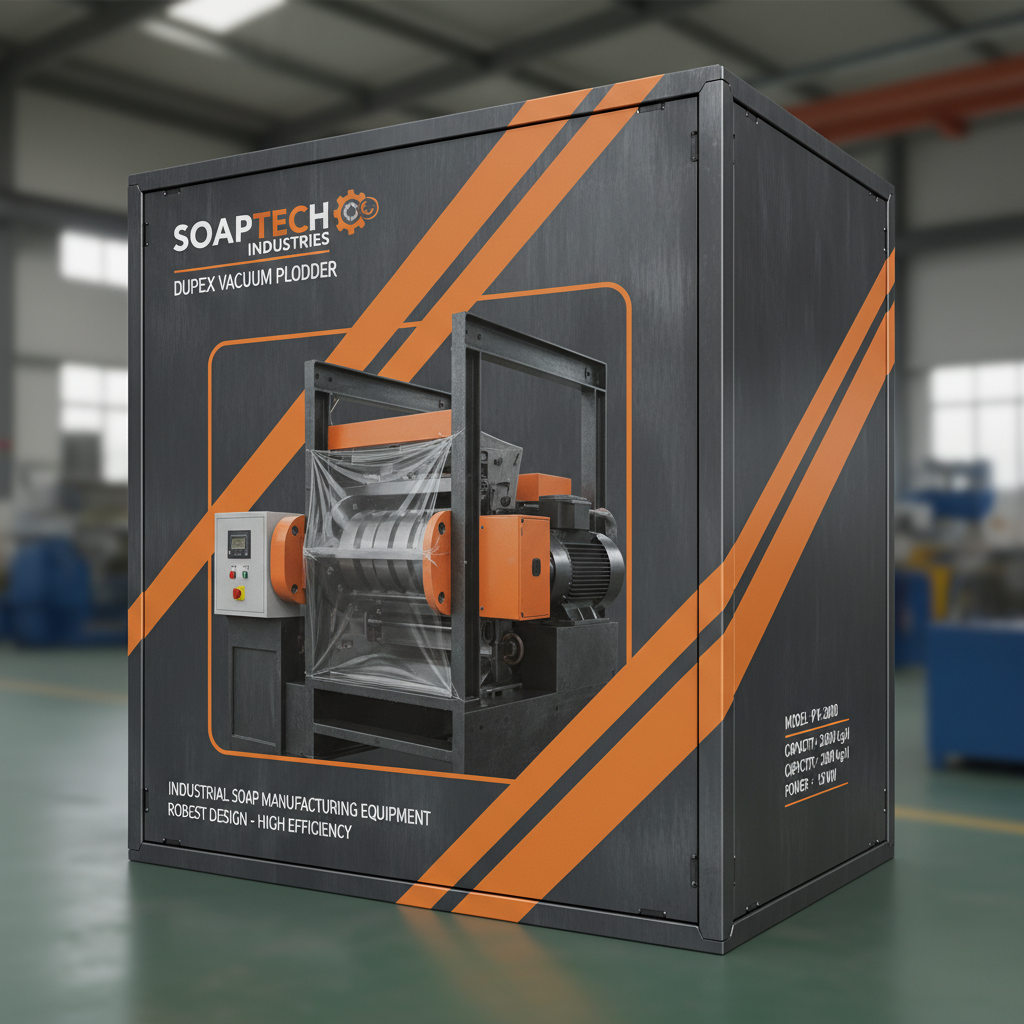
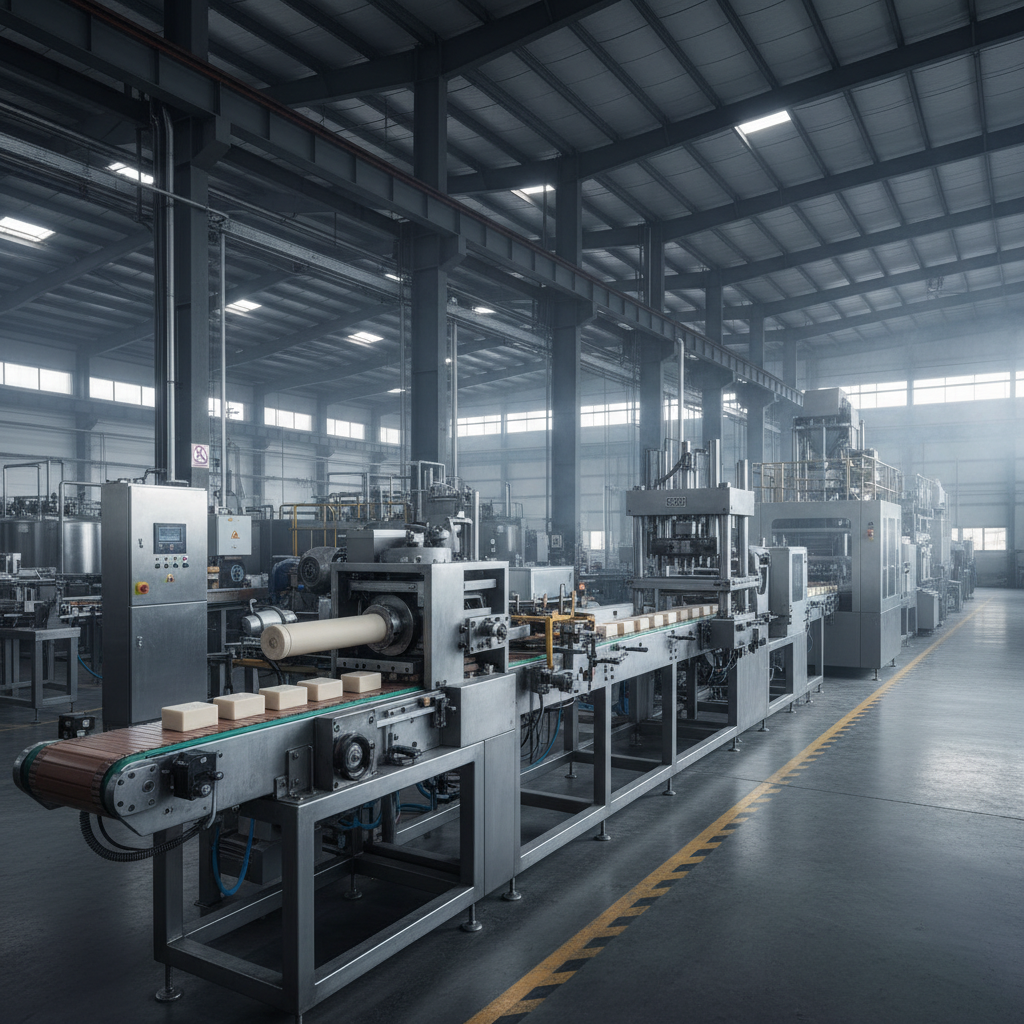
You know, I’ve been running around construction sites all year, smelling cement dust and arguing with engineers. It's all about soap factory equipment these days, honestly. Seems everyone's looking to upgrade, automate, and generally make life a little less… messy. It’s a good time to be in this business, but it’s also a minefield of bad ideas.
Have you noticed how everyone’s obsessed with ‘Industry 4.0’ and ‘smart factories’? It sounds good on paper, but translating that to actual soap production… well, that’s where things get interesting. A lot of folks get caught up in the bells and whistles, forgetting the basics.
The biggest challenge? Reliability. These aren’t lab environments; they're gritty, dusty, and things break. Constantly. And when they break, you need someone who can fix it fast. That's what keeps me up at night.
The Current Landscape of Soap Factory Equipment
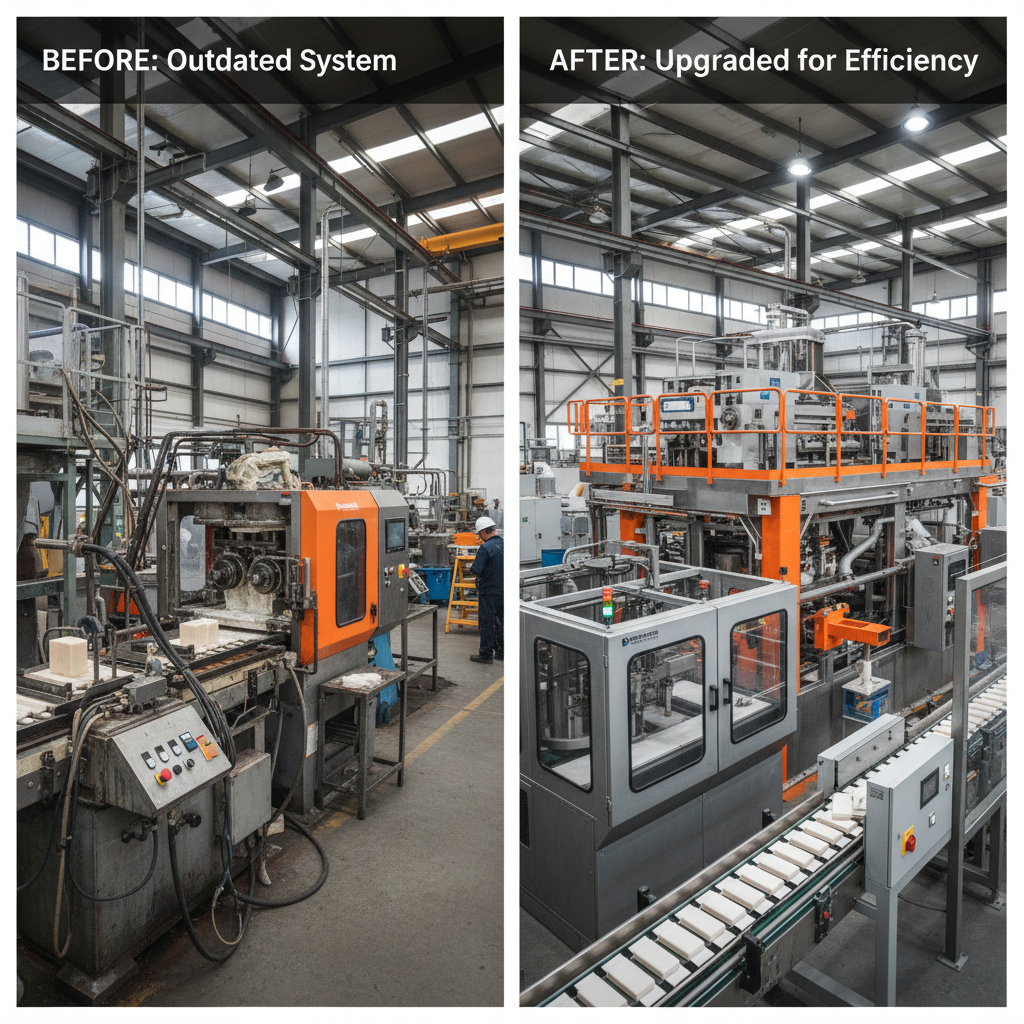
Right now, it's all about automation and maximizing output. PLC controlled mixing tanks are huge. Everyone wants to reduce labor costs, which, honestly, is understandable. But a lot of these systems are overly complex. I encountered this at a factory in Guangdong last time – they’d installed a system with so many sensors and feedback loops, it took three guys just to monitor the monitoring system. It's ridiculous.
We're also seeing a lot of demand for modular systems. Smaller batches, faster changeovers, more flexibility. People are moving away from those massive, dedicated production lines. Makes sense, the market changes so fast these days.
Design Pitfalls and Common Mistakes
Oh boy, where do I even start? The biggest mistake I see is underestimating the corrosive nature of the ingredients. People use standard stainless steel when they need something more specialized. That’s a recipe for disaster. Then there’s the issue of seals. Get the wrong seal, and you're looking at leaks, downtime, and a whole lot of frustration.
Another thing - overly complicated user interfaces. These machines are often operated by people who aren’t engineers. They need something simple, intuitive, and idiot-proof. I’m not saying the operators are idiots, mind you, just that they don’t need to troubleshoot PLC code when they’re trying to make soap.
And strangely, people consistently forget about cleaning. Designing equipment that's easy to disassemble and clean is crucial, yet it's often an afterthought.
Materials: What We're Actually Using
We use a lot of 316L stainless steel, obviously. It’s the workhorse. Good corrosion resistance, relatively easy to weld, and reasonably priced. But it has its limits. For really aggressive formulations, you need something like Hastelloy. Expensive, though. And a pain to work with – it needs specialized welding techniques.
Then there's PTFE, Teflon. It smells awful when you machine it, seriously, you need a good ventilation system. But it's incredibly versatile for seals, gaskets, and linings. Polypropylene is good for tanks and hoppers. It's light, cheap, and reasonably chemical resistant.
I’ve been playing around with some ceramic coatings lately. They’re promising, super hard and resistant to almost everything. Still early days, though. Need to see how they hold up long-term in a real-world factory.
Real-World Testing: Beyond the Lab
Lab tests are fine, but they don't tell the whole story. I mean, a lab doesn’t simulate a worker accidentally dropping a wrench into a mixing tank. We do a lot of field testing. We’ll put a prototype machine in a factory and let it run for weeks, even months, under real conditions.
We’ve rigged up systems to simulate temperature fluctuations, vibration, and exposure to harsh chemicals. We even have a “dirt chamber” – basically a room filled with dust and grime – to see how well seals hold up. It’s not pretty, but it’s effective.
And you need to talk to the operators. Get their feedback. They’re the ones who will be using the equipment day in and day out. They'll tell you what works and what doesn't. Forget the fancy reports; listen to the guys on the floor.
Reliability Testing Metrics for Soap Factory Equipment
How Soap Makers Actually Use the Equipment
It’s funny, you design these systems with a specific workflow in mind, but users always find a way to do things differently. I’ve seen guys completely bypass safety interlocks just to save a few seconds. It's terrifying, frankly.
They also tend to overload the equipment. “Just one more batch,” they say. "It'll be fine." It rarely is. And maintenance? Forget about it. They only call us when something completely breaks down. Preventative maintenance is a foreign concept to some of these guys.
Advantages, Disadvantages, and the Honest Truth
Automated systems, when they work, are fantastic. Increased output, reduced labor costs, consistent product quality… it’s all good. But they’re expensive. And they require skilled technicians to maintain.
Manual systems are cheaper upfront, but they’re labor-intensive and prone to human error. You need good training and strict quality control. There’s no magic bullet, you know? It’s always a trade-off.
Anyway, I think the biggest advantage of modern equipment is data collection. Being able to track everything – temperatures, pressures, flow rates – gives you incredible insight into the process. But you need someone who knows how to interpret that data. Otherwise, it's just a lot of numbers.
Customization and Specific Examples
We get a lot of requests for customization. Last month, a small boss in Shenzhen who makes smart home devices insisted on changing the interface to , even though it wasn't necessary. The result? They had to replace all their cables and retrain their staff. It was a disaster. He wanted it to "look modern."
We’ve also done custom mixing tanks with specific impeller designs for different formulations. We’ve added automated labeling and packaging systems. We’ve even built entire production lines that fit into shipping containers – for remote locations or disaster relief.
The key is to understand the customer’s specific needs and constraints. Don't just sell them a machine; sell them a solution.
Summary of Customization Requests for Soap Factory Equipment
| Request Type |
Complexity Level |
Estimated Cost Impact |
Implementation Time |
| Interface Modification |
Low |
Moderate |
1-2 Weeks |
| Impeller Design Change |
Medium |
High |
4-6 Weeks |
| Automated Labeling System |
High |
Very High |
8+ Weeks |
| Containerized Production Line |
Very High |
Extremely High |
12+ Weeks |
| Specialty Material Upgrade (Hastelloy) |
Medium |
High |
6-8 Weeks |
| Custom Cleaning System Integration |
Medium |
Moderate |
3-4 Weeks |
FAQS
That really depends on the scale of the operation and the existing labor costs. But generally, we see a full payback within 3-5 years for larger facilities. The key is reducing manual labor, minimizing waste, and improving consistency. A detailed cost-benefit analysis is crucial before making any investment, of course. Don’t just jump on the bandwagon because everyone else is.
Ingredient variations are a constant headache. We focus on precision measurement and control. Automated dosing systems and real-time monitoring of pH and viscosity are essential. We also recommend building in some buffer capacity in the formulation. A little bit of flexibility can go a long way. And regular quality control checks are non-negotiable.
You’ll need at least one dedicated technician with a good understanding of PLC programming, electrical systems, and mechanical maintenance. Ongoing training is also critical. We provide comprehensive training programs, but it’s up to the customer to invest in their staff. Honestly, the biggest problems we see are due to a lack of proper training and preventative maintenance.
Yes, absolutely. We offer modular systems that can be reconfigured for different product types. This usually involves swapping out mixing heads, pumps, and molds. It's not a simple plug-and-play operation, but it's much more cost-effective than buying separate lines for each product. We design with flexibility in mind.
Safety is paramount. All our equipment includes emergency stop buttons, safety interlocks on access panels, and overload protection. We also adhere to all relevant industry standards. But even with all the safety features, operators need to be properly trained and follow safe work practices. A machine can't think for you.
Many of our systems now include remote diagnostics capabilities. This allows us to remotely monitor the equipment, diagnose problems, and even push software updates. It saves time and money, and it minimizes downtime. But it's not a substitute for on-site service when needed. Sometimes you just need someone to physically look at the machine.
Conclusion
So, there you have it. Soap factory equipment is a complex beast, but it's also a crucial part of a multi-billion dollar industry. From automation and materials science to customization and real-world testing, there’s a lot that goes into building reliable and efficient machines. It's about more than just specs and features; it's about understanding the needs of the people who actually use the equipment every day.
Ultimately, whether this thing works or not, the worker will know the moment he tightens the screw. If it feels right, if it runs smoothly, and if it makes his job a little easier, then we’ve done our job. Check out our website at rssoapmachine.com to learn more about how we can help.