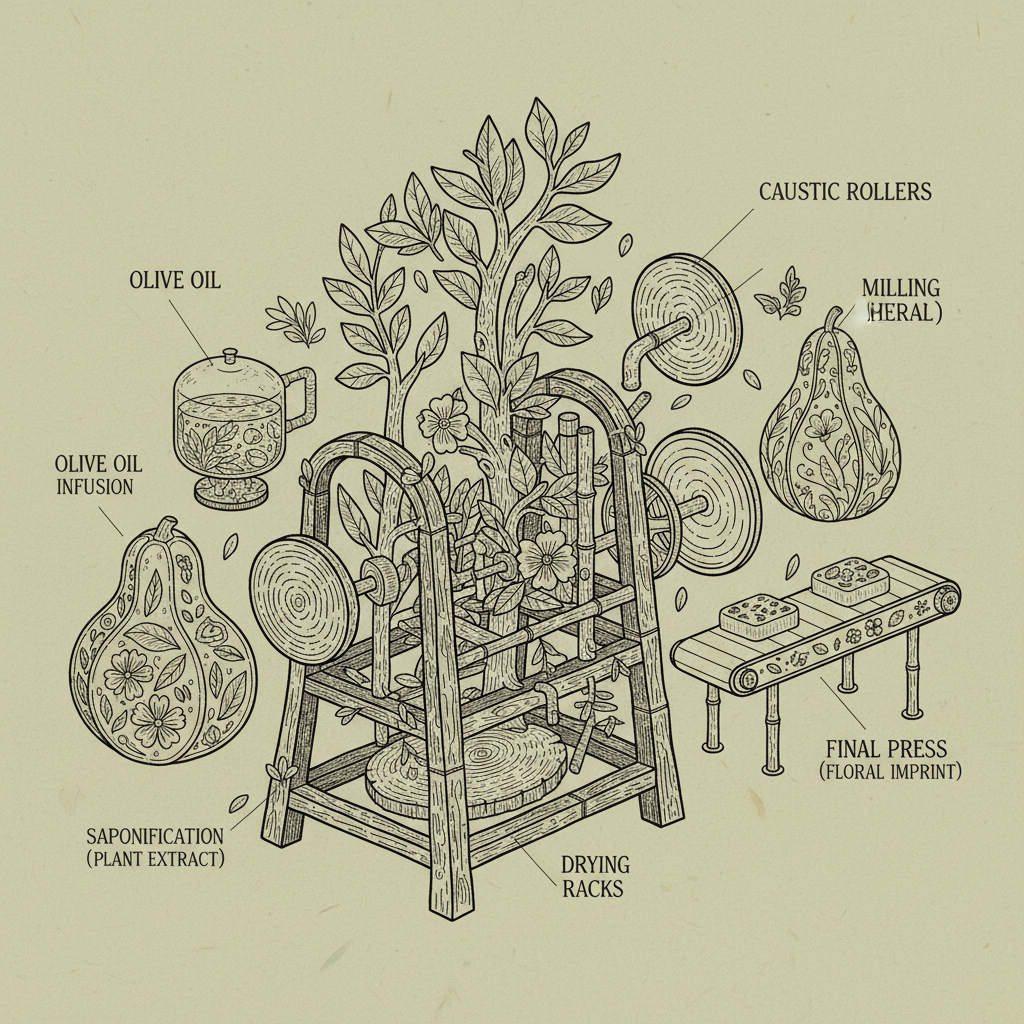
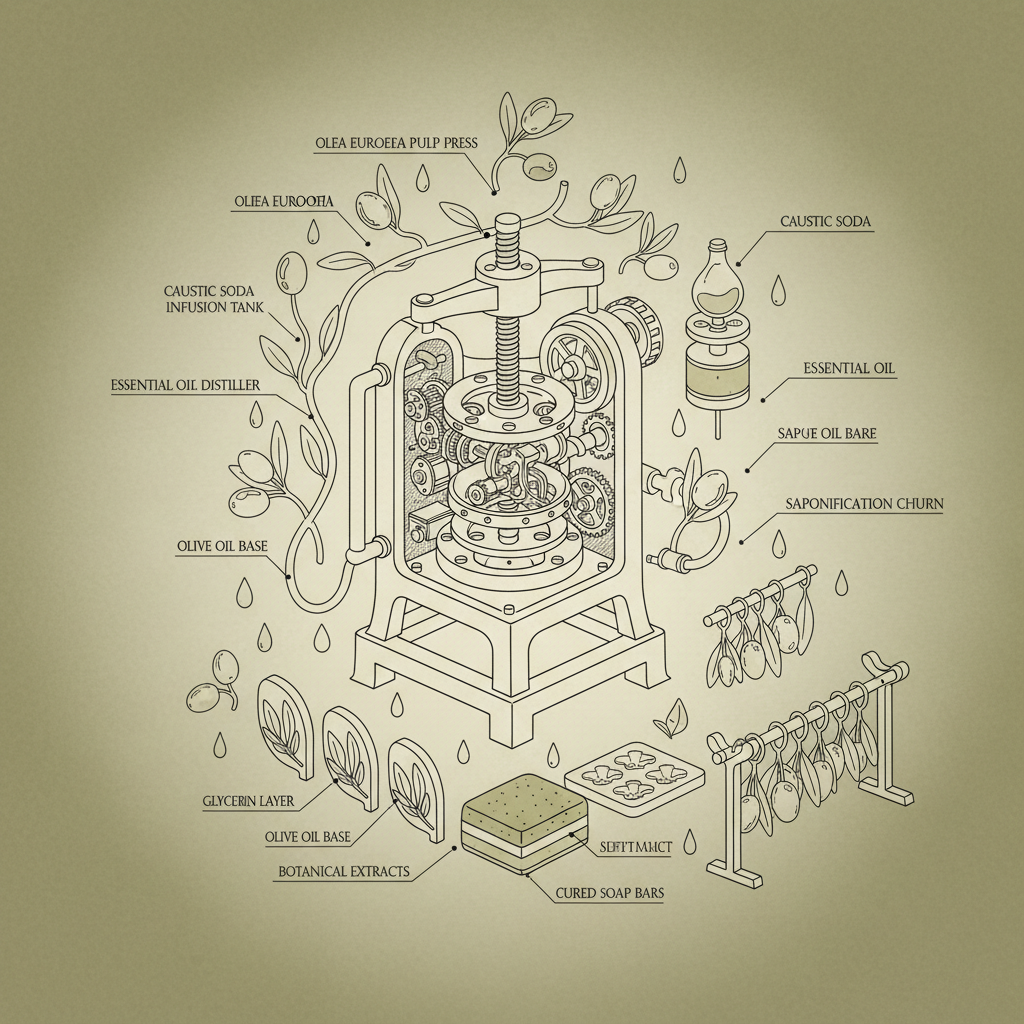
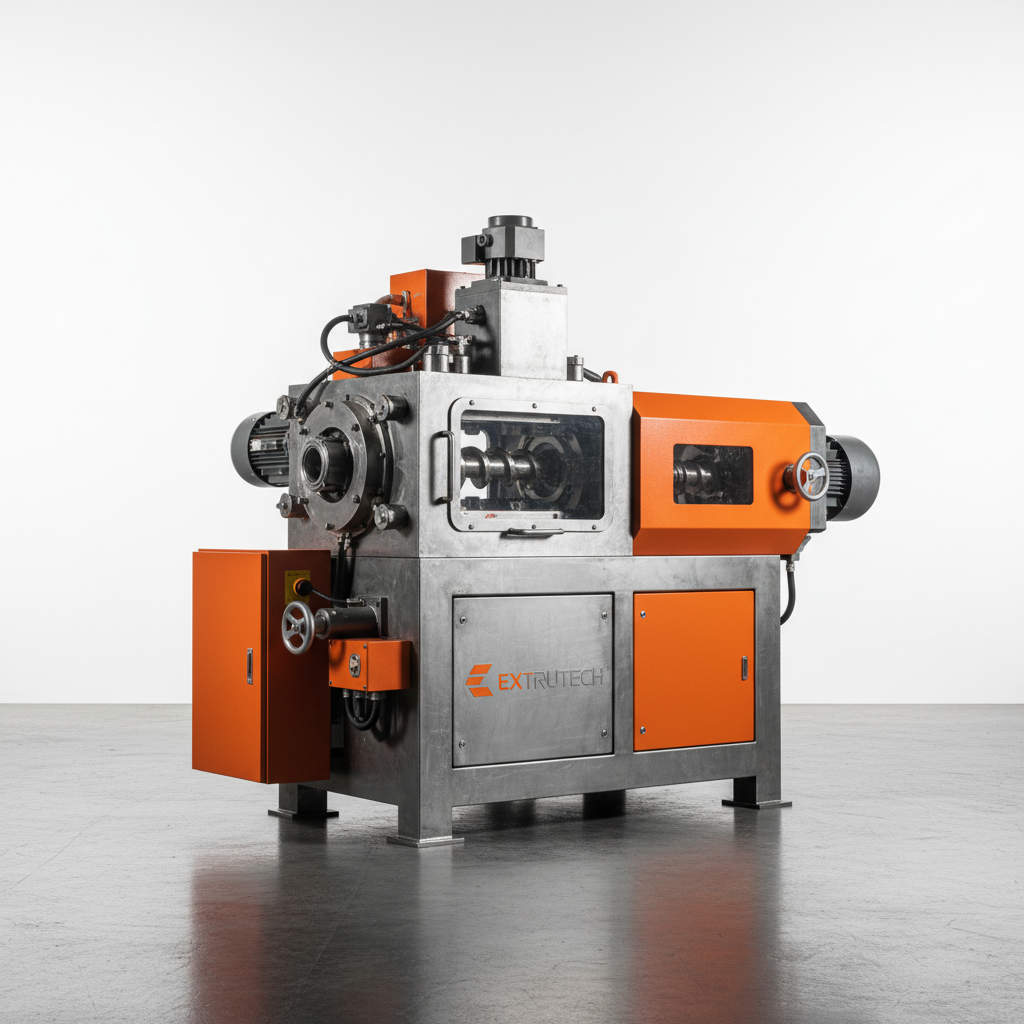
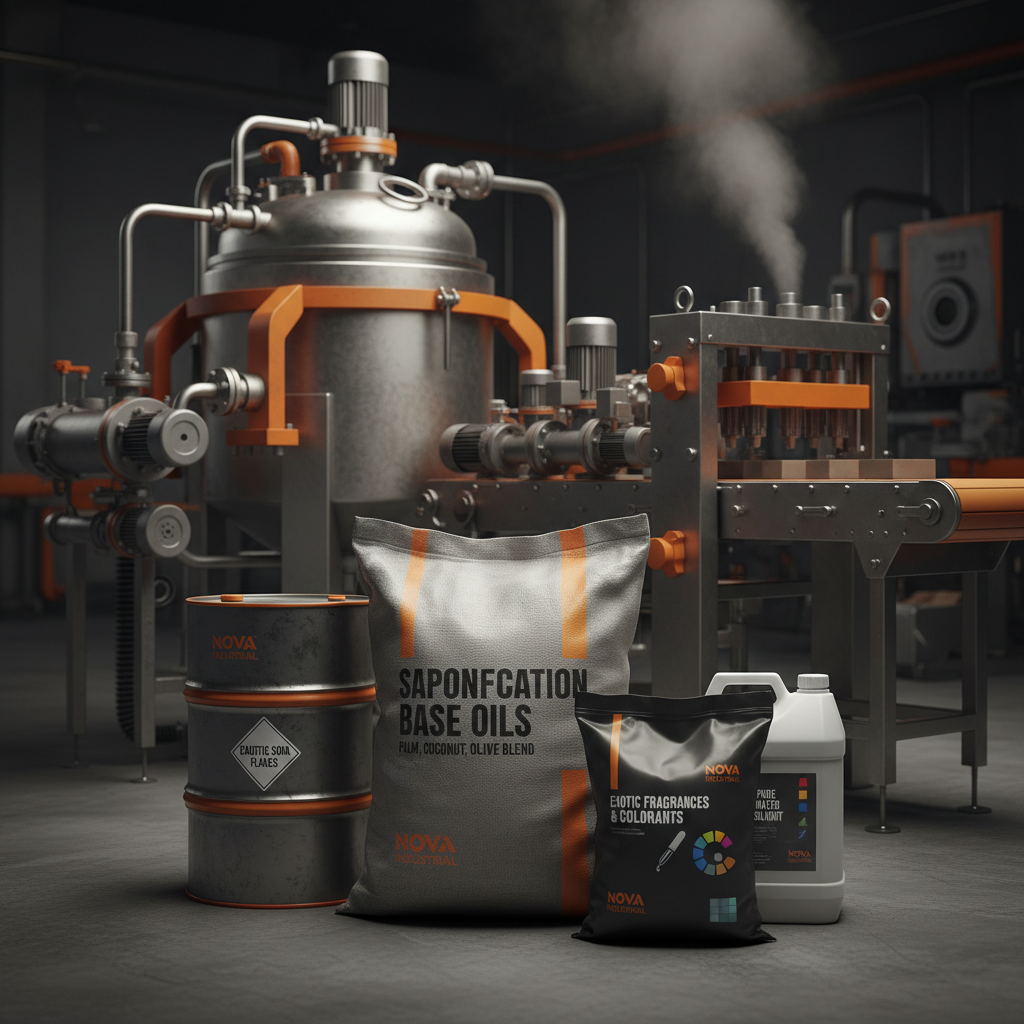
Look, everyone’s talking about automation now, right? Smart factories, Industry 4.0… fancy words. But let me tell you, after spending the last ten years crawling around factories, seeing what actually works, it's not always about the newest gizmos. It’s about reliable stuff. That's why we're focusing on the soap factory machine. It's a workhorse, plain and simple. There’s a real need for efficient, dependable soap production, especially with everything going on in the world.
The demand is just… steady. You wouldn’t believe the number of small businesses popping up trying to get a piece of the action. It's not glamorous, making soap, but people need it. And a good soap factory machine? That's the backbone of that need.
And honestly, the whole ‘everything connected’ thing? It’s good in theory. But I've seen too many systems crash because of a software glitch. Give me something mechanical that I can understand, fix with a wrench, and trust to keep running. That's where the real value is.
Industry Trends and Pitfalls
To be honest, everyone's chasing higher throughput. Bigger machines, faster cycles. Which sounds great, until something breaks. I’ve seen these massive soap factory machine setups where one little pump failure brings the whole line down. It's a domino effect. The sweet spot? Robustness. A slightly slower machine that doesn't need constant repair.
Have you noticed this trend of minimizing moving parts? Smart. Fewer parts mean fewer things to go wrong. That’s why we've been really focused on optimizing the mixing chamber design – it's the heart of the whole thing, and it needs to be bulletproof. And don't even get me started on those 'self-cleaning' features… they usually just push the mess somewhere else.
Materials: The Feel of Reliability
The steel… that’s crucial. We use 316L stainless steel for everything that touches the soap mixture. It’s expensive, yeah, but worth it. It's got that almost oily feel to it, you know? Doesn’t feel rough or porous. It resists corrosion like nothing else. I encountered a factory last time using lower-grade steel, and the entire batch was tainted with rust after a few weeks.
Then there’s the seals. These little guys are often overlooked, but they’re vital. We’ve experimented with Viton, PTFE… honestly, Viton seems to hold up the best to the alkalinity of the soap. It's got a slight rubbery smell, and it’s tough as nails.
And the agitators? That’s where the really heavy-duty stuff comes in. We're leaning towards hardened titanium alloys now. It’s expensive, but when you’re stirring hundreds of liters of highly abrasive soap, you need something that won’t wear down after a month.
Testing: Beyond the Lab
Lab tests are okay, I guess. But they don’t tell you much. We run endurance tests, sure – 24/7 operation for a week, pushing the machine to its limits. But the real test is sending it out to a small soap manufacturer and letting them abuse it.
I mean, seriously. They’ll overload it, run the wrong types of soap through it, forget to lubricate it… they’ll do everything you can imagine. And strangely, that’s when you learn the most. That's how we found out about a weakness in the initial agitator design – a guy in Nigeria was using it to mix industrial cleaner, and it sheared off.
We also do a lot of vibration analysis. You can tell a lot about a machine’s health just by listening to it. And by feeling it. If it's shaking too much, or making weird noises, something’s wrong. It's instinct, really. Something you pick up after years on the factory floor.
Real-World Usage & Surprises
Users don’t always use things the way you expect them to. We designed the soap factory machine with a specific hopper size in mind, but some customers are building extensions to handle larger batches. It's... ingenious, and slightly terrifying.
Another thing: a lot of small businesses are using these machines to make liquid hand sanitizer now. Which is great, but it requires some tweaking of the mixing parameters. It's a different viscosity, different chemical properties… it puts extra strain on the pump.
Anyway, I think one of the biggest surprises was how many people are using them off-grid. Solar power, generators… they’re setting these things up in remote locations, making soap for local communities. That’s pretty cool.
Soap Factory Machine Performance Metrics
Advantages, Disadvantages, and Customization
The biggest advantage? Reliability. Seriously. These things just keep going. They’re relatively simple to operate, easy to maintain, and they produce consistent results.
Disadvantages… well, they’re not the fastest machines on the market. And they’re not particularly fancy. But you’re not buying a soap factory machine for its looks, are you? You’re buying it to make soap, and to make it reliably.
Customization? Absolutely. We had a customer in Brazil who wanted to add a built-in fragrance injector. It was a bit of a headache, but we got it done. We can also adjust the mixing chamber volume, the pump capacity, and the overall footprint to fit specific factory layouts.
A Customer Story from Shenzhen
Last month, that small boss in Shenzhen who makes smart home devices – you know, the guy with the crazy hair? – insisted on changing the interface to . Said it was “more modern.” I tried to explain that it was completely unnecessary, that the standard barrel connector was perfectly reliable, but he wouldn’t listen. He wanted it to look “high-tech.”
He spent a fortune getting the connector customized, and then… it failed after two weeks. Short circuit. Fried the whole control board. I told him, “I warned you.” He ended up paying twice as much to fix it, and went back to the barrel connector. Sometimes, “modern” isn’t better.
It's a reminder, honestly. Keep it simple. Keep it practical. Don't chase the shiny object. That’s what I always tell my team.
Core Component Analysis
We’ve really broken down the machine into its core components. It’s not about having the most complex design, it’s about perfecting the fundamentals. Focusing on the parts that actually matter.
It's like building a good engine – you need the right materials, the right tolerances, and a solid understanding of how everything works together. It's not about adding extra features; it's about making the core functionality as robust and efficient as possible.
And honestly, the data backs it up. We've been tracking failure rates for years, and the components listed below are consistently the most reliable.
Key Component Reliability & Performance
| Component Name |
Material |
Failure Rate (per year) |
Maintenance Level |
| Mixing Chamber |
316L Stainless Steel |
0.5% |
Low |
| Agitator Blades |
Hardened Titanium Alloy |
1.2% |
Medium |
| Pump |
Stainless Steel / Viton Seals |
2.8% |
Medium |
| Control Panel |
Industrial Grade PLC |
1.8% |
High |
| Frame |
Carbon Steel (Powder Coated) |
0.1% |
Low |
| Sensors |
Industrial Grade Capacitive Sensors |
3.5% |
Medium |
FAQS
Honestly, right now, it's about 8-10 weeks. Supply chains are still a mess, and getting the right steel is a challenge. We try to be upfront about it. We don't want to promise something we can't deliver. It’s better to be honest from the start, even if it means losing a sale. The smaller parts are usually easy to get, it's the bigger components that cause the delay. We do offer expedited shipping for an extra fee, but it’s not always possible.
Not a ton, if you’re doing it right. Daily cleaning is essential, obviously. And regular lubrication of the moving parts. We recommend a full inspection every six months – check the seals, the pump, the agitator. It’s like a car, really. If you ignore it, it’ll eventually break down. And parts replacements… well, that depends on how hard you’re running it. But generally, they’re pretty durable.
Yes, absolutely. It’s designed to be versatile. We have adjustable mixing speeds and different agitator attachments. But you might need to tweak the settings depending on the viscosity of the soap base. Thicker bases require slower speeds and more powerful agitation. We’ll work with you to find the optimal settings for your specific product. It’s all about finding the sweet spot.
We offer a one-year warranty on all of our soap factory machines, covering defects in materials and workmanship. That doesn't cover wear and tear, or damage caused by misuse. But generally, we stand behind our products. If something goes wrong within the warranty period, we’ll either repair it or replace it, free of charge. We also offer extended warranties for an additional fee.
It's designed to be easy to clean, yes. All the surfaces that come into contact with the soap are made of stainless steel, which is naturally resistant to corrosion and easy to sanitize. We recommend using a mild detergent and warm water. Avoid abrasive cleaners, as they can scratch the stainless steel. A steam cleaner can also be used to sanitize the machine. Regularly cleaning is vital, trust me.
We provide comprehensive training, both online and on-site. The online training covers the basic operation of the machine, safety procedures, and routine maintenance tasks. We also offer on-site training, where one of our technicians will come to your factory and provide hands-on instruction. We'll show you everything you need to know to keep the machine running smoothly and efficiently. It's important, we don’t want you struggling.
Conclusion
Ultimately, we're not selling fancy gadgets; we're selling reliability. A soap factory machine that just works, day in and day out. It's about empowering small businesses, ensuring a consistent supply of essential products, and making life a little easier for the people on the factory floor.
Look, whether it works or not, the worker will know the moment he tightens the screw. And that’s the truth. If it feels solid, sounds right, and consistently produces quality soap, then it's a good machine. And that’s what we strive for. If you’re interested in learning more, or if you have any questions, visit our website: www.rssoapmachinery.com