Introduction
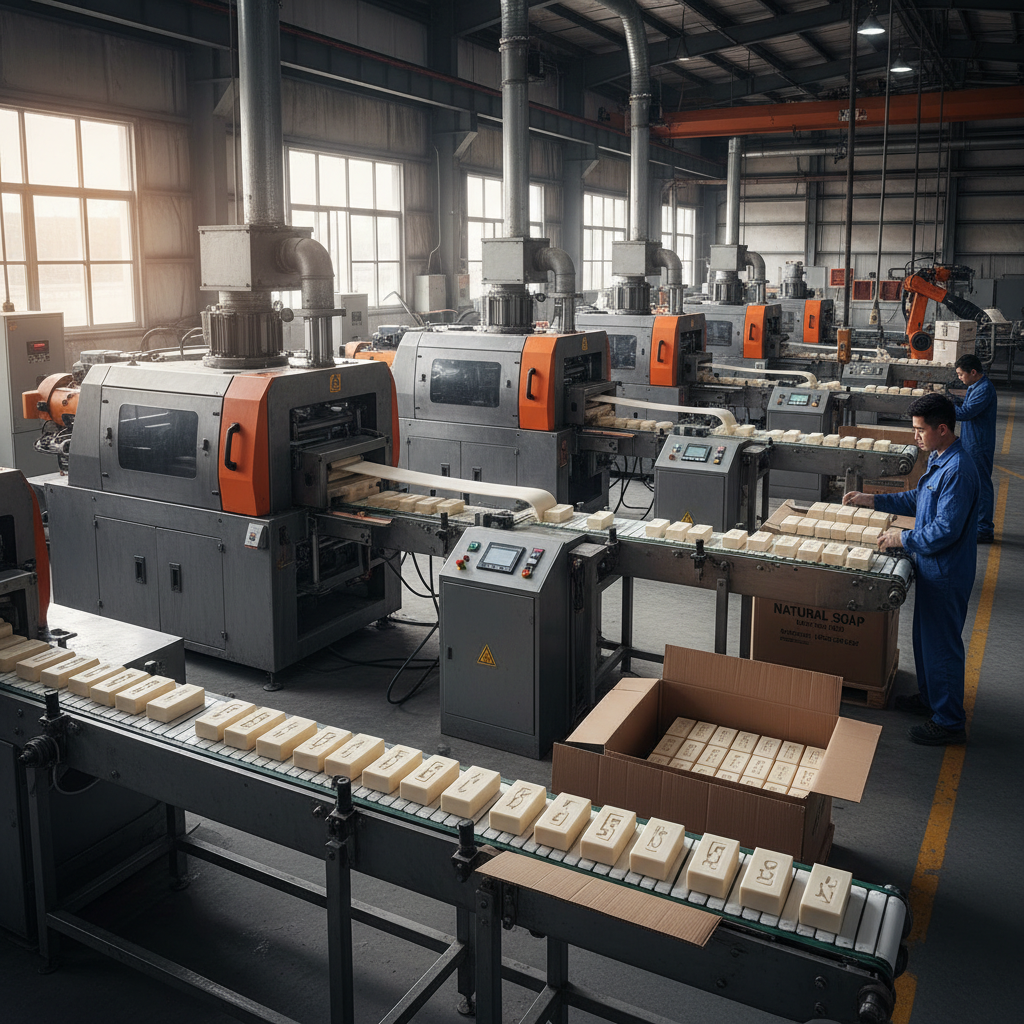
A soap production line is the backbone of modern soap manufacturing, enabling businesses to produce consistent, high-quality products at scale. From small artisanal operations to large industrial facilities, a well-designed soap production line integrates multiple soap making equipment to automate processes, reduce labor costs, and improve productivity. Modern soap production lines are capable of handling various formulations, including bar soaps, liquid soaps, and specialty products, ensuring uniformity and meeting industry standards. By incorporating advanced soap making machines and commercial soap making equipment, manufacturers can achieve precise mixing, molding, cutting, drying, and packaging processes. A robust soap production line not only ensures operational efficiency but also guarantees that each batch of soap maintains consistent quality, texture, and fragrance, meeting customer expectations and regulatory requirements.
1. Components of a Soap Production Line
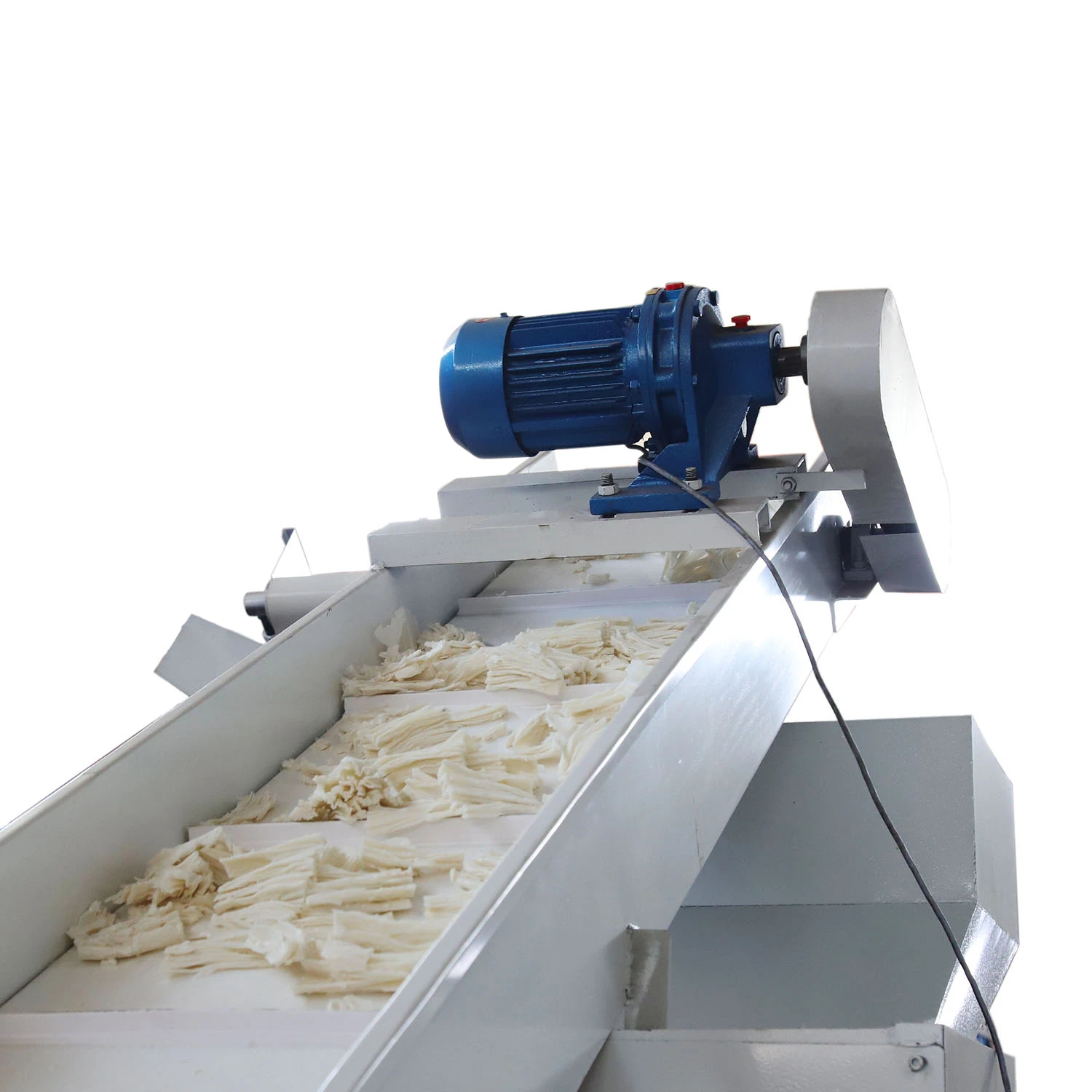
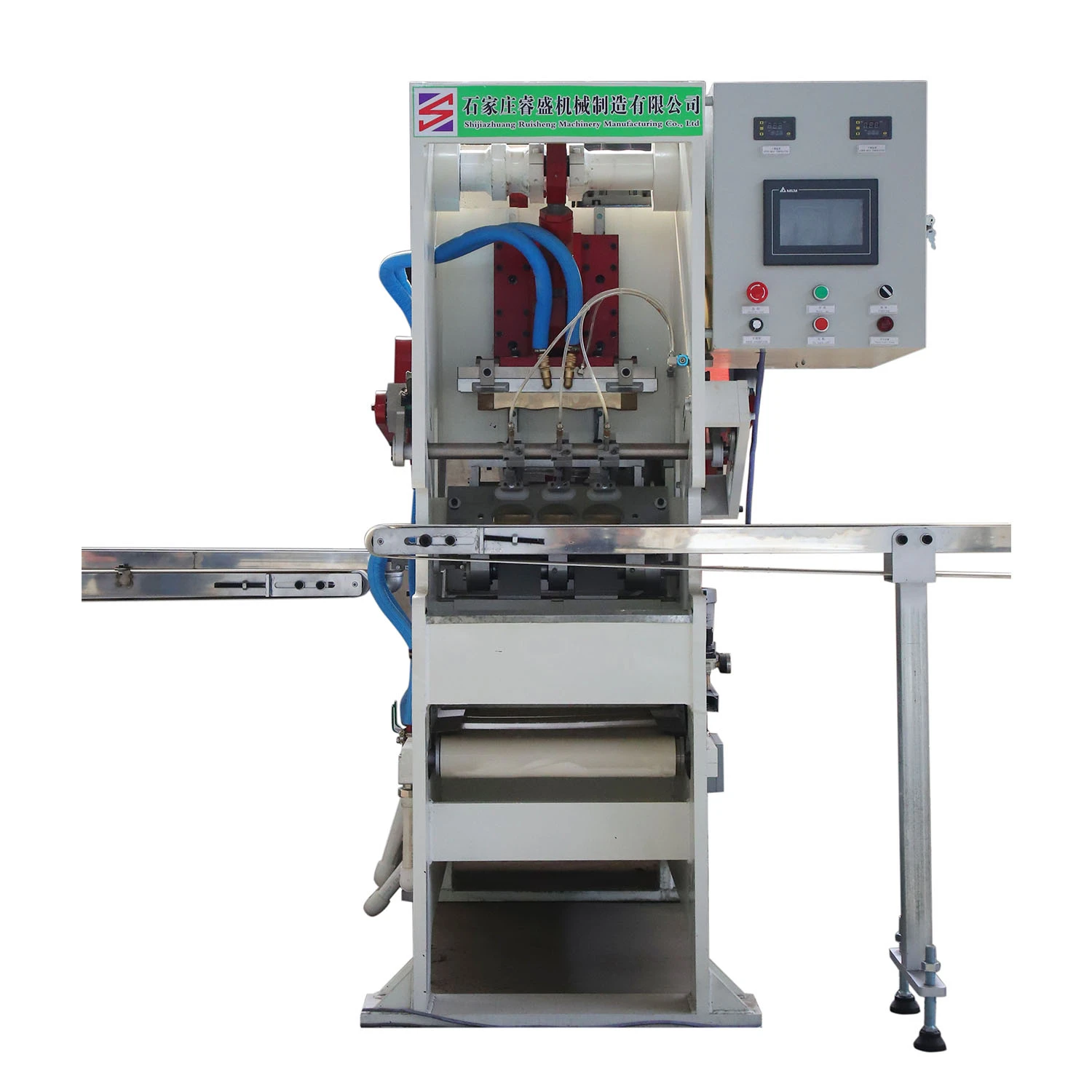
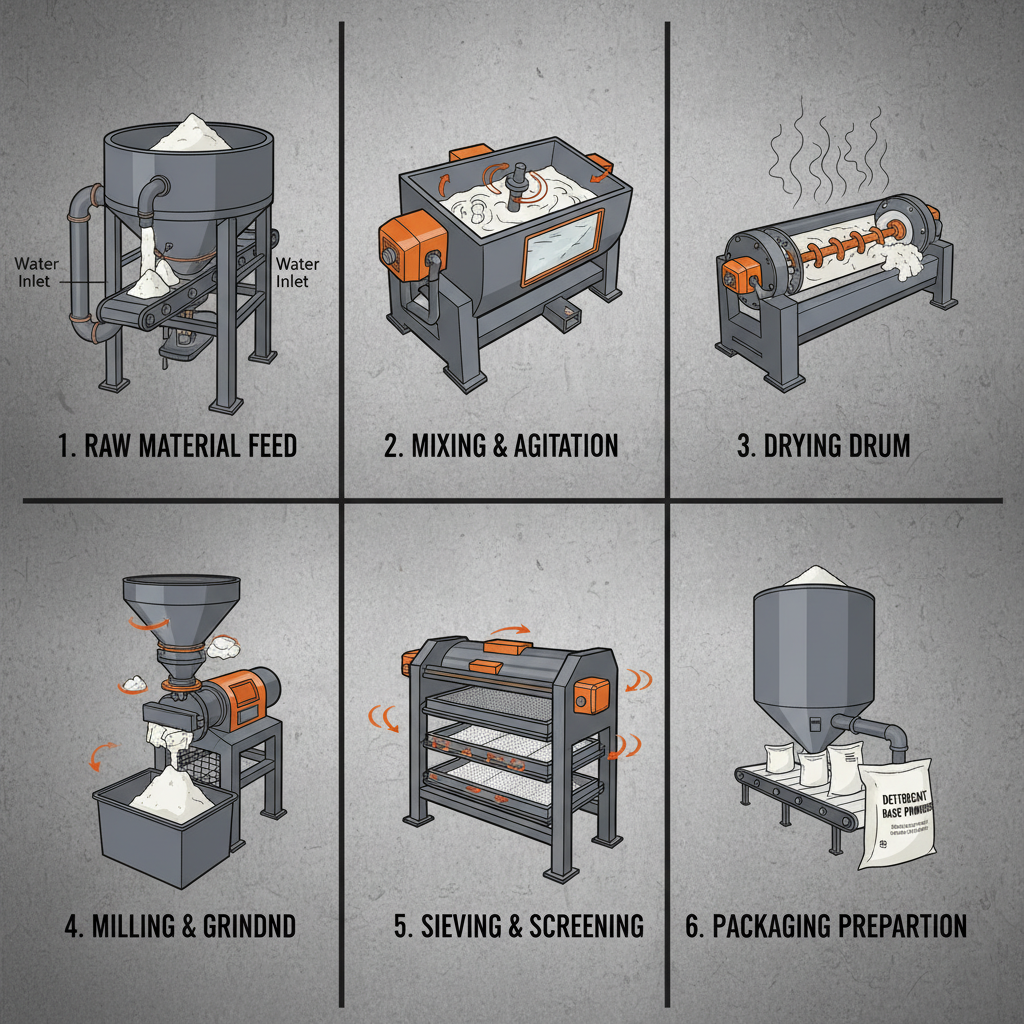
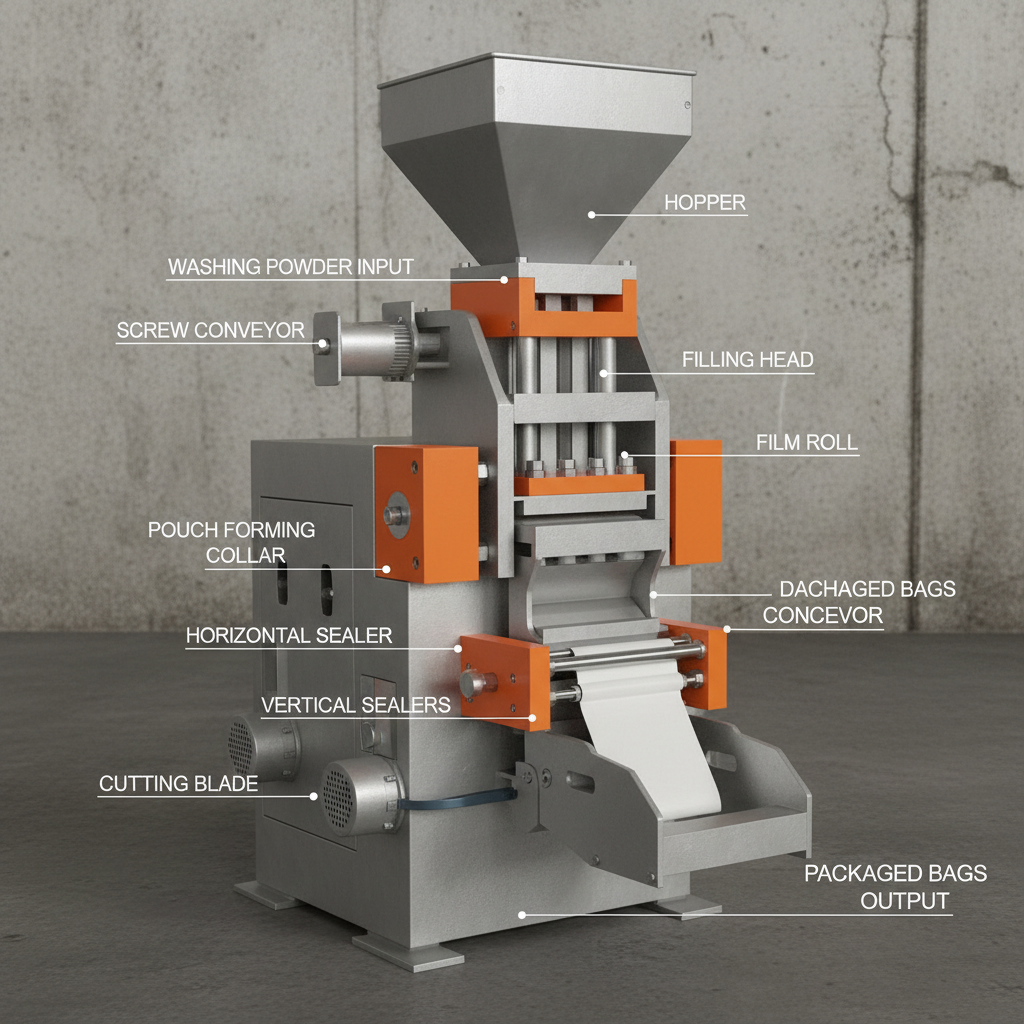
A complete soap production line consists of several essential soap making equipment components that work together to ensure seamless production. Key elements include mixing tanks for raw material blending, bar soap making machines for shaping and molding, conveyors for transporting materials, and drying units for curing the soap. Additionally, liquid soap production requires homogenizers, filling machines, and automated packaging equipment. Integrating soap equipment with precise controls ensures that each batch undergoes uniform processing. Advanced commercial soap making equipment often includes programmable logic controllers (PLC) to automate timing, temperature, and mixing speed, reducing human error. By understanding the components of a soap production line, manufacturers can design a system that maximizes efficiency, ensures consistent product quality, and accommodates a variety of soap types and formulations.
2. Benefits of Implementing a Soap Production Line
Investing in a soap production line provides numerous advantages for manufacturers seeking efficiency, quality, and scalability. Automation through soap making machines minimizes labor requirements and ensures uniform mixing, molding, and cutting. A well-integrated soap production line reduces production time, allowing businesses to meet high demand while maintaining consistent quality across all batches. Using advanced soap making equipment prevents material waste, optimizes raw material usage, and enhances product consistency. For large-scale manufacturers, incorporating commercial soap making equipment enables continuous operation with minimal downtime. Additionally, a modern soap production line improves hygiene, reduces contamination risk, and supports compliance with Good Manufacturing Practices (GMP). Overall, the benefits of a soap production line include higher productivity, better product quality, cost savings, and scalability for future growth.
3. Types of Soap Production Lines
There are several types of soap production lines to meet diverse manufacturing needs. Batch production lines are suitable for small-scale or specialty soap manufacturing, allowing flexibility in formulations and small batch runs. Continuous production lines are ideal for large-scale operations, offering high output, uniform quality, and minimal human intervention. Specialized soap production lines cater to liquid soap, glycerin soap, or transparent soap, integrating unique soap equipment for precise handling and processing. Advanced commercial soap making equipment may combine multiple production stages into a single automated line, optimizing efficiency and output. Choosing the right type of soap production line ensures that manufacturers can meet production goals, maintain product consistency, and adapt to market demands without unnecessary operational complexity.
4. Enhancing Quality with Modern Soap Equipment
High-quality soap making equipment is vital for maintaining consistency and meeting industry standards within a soap production line. Bar soap making machines ensure uniform shape, size, and weight, while mixers provide even blending of active ingredients and excipients. Advanced soap equipment features precise temperature control, automation, and easy cleaning, all critical for producing hygienic and high-quality products. By integrating such equipment into a soap production line, manufacturers reduce the risk of batch inconsistencies and contamination, ensuring that each bar or liquid soap meets customer expectations. Furthermore, modern commercial soap making equipment supports flexible production, enabling manufacturers to produce a variety of formulations efficiently without sacrificing quality or safety.
5. Automation and Efficiency in Soap Production Lines
Automation is a key factor in modern soap production lines, providing consistency, speed, and labor efficiency. Automated soap making machines handle mixing, molding, cutting, and packaging with minimal manual intervention, reducing human error. Advanced soap equipment allows for precise control of mixing speed, temperature, and batch timing, resulting in uniform products. In large-scale operations, integrating commercial soap making equipment into a soap production line enables continuous production, higher output, and faster turnaround times. Automation also facilitates monitoring and data tracking, helping manufacturers optimize processes, reduce waste, and maintain operational efficiency. By leveraging automation, manufacturers can ensure that their soap production line remains competitive and capable of meeting evolving market demands.
6. Maintenance and Longevity of Soap Production Lines
Proper maintenance of a soap production line is critical for long-term efficiency and reliability. Regular cleaning, lubrication, and inspection of soap making equipment prevent breakdowns and ensure consistent performance. Bar soap making machines and other critical components should be cleaned thoroughly after each batch to prevent contamination, particularly when producing multiple formulations. Routine checks of motors, sensors, and electrical systems help identify issues before they become major problems, reducing downtime and maintenance costs. Advanced commercial soap making equipment often includes user-friendly designs for easy disassembly and maintenance. By investing in preventive maintenance, manufacturers can extend the lifespan of their soap production line, maintain product quality, and ensure continuous operation to meet market demands.
7. Future Trends in Soap Production Lines
The evolution of soap production lines is driven by technological advancements, automation, and sustainability. New soap making equipment integrates smart controls, IoT monitoring, and energy-efficient systems to optimize production and reduce operational costs. Modern bar soap making machines feature modular designs, enabling manufacturers to expand or upgrade their soap production lines easily. Sustainability has become a significant focus, with commercial soap making equipment designed to minimize energy consumption, reduce waste, and handle eco-friendly raw materials. Embracing these innovations ensures that a soap production line remains competitive, capable of producing high-quality, consistent products efficiently while meeting market demands and regulatory standards.
Conclusion
A well-designed soap production line is essential for modern soap manufacturing, combining efficiency, quality, and scalability. By integrating advanced soap making machines, bar soap making machines, and commercial soap making equipment, manufacturers can streamline production, reduce labor costs, and maintain consistent quality across all products. Whether producing bar soap, liquid soap, or specialty formulations, the right soap equipment ensures hygiene, uniformity, and compliance with industry standards. Investing in a modern soap production line enables businesses to optimize operations, meet market demand, and maintain a competitive edge in the dynamic soap manufacturing industry.