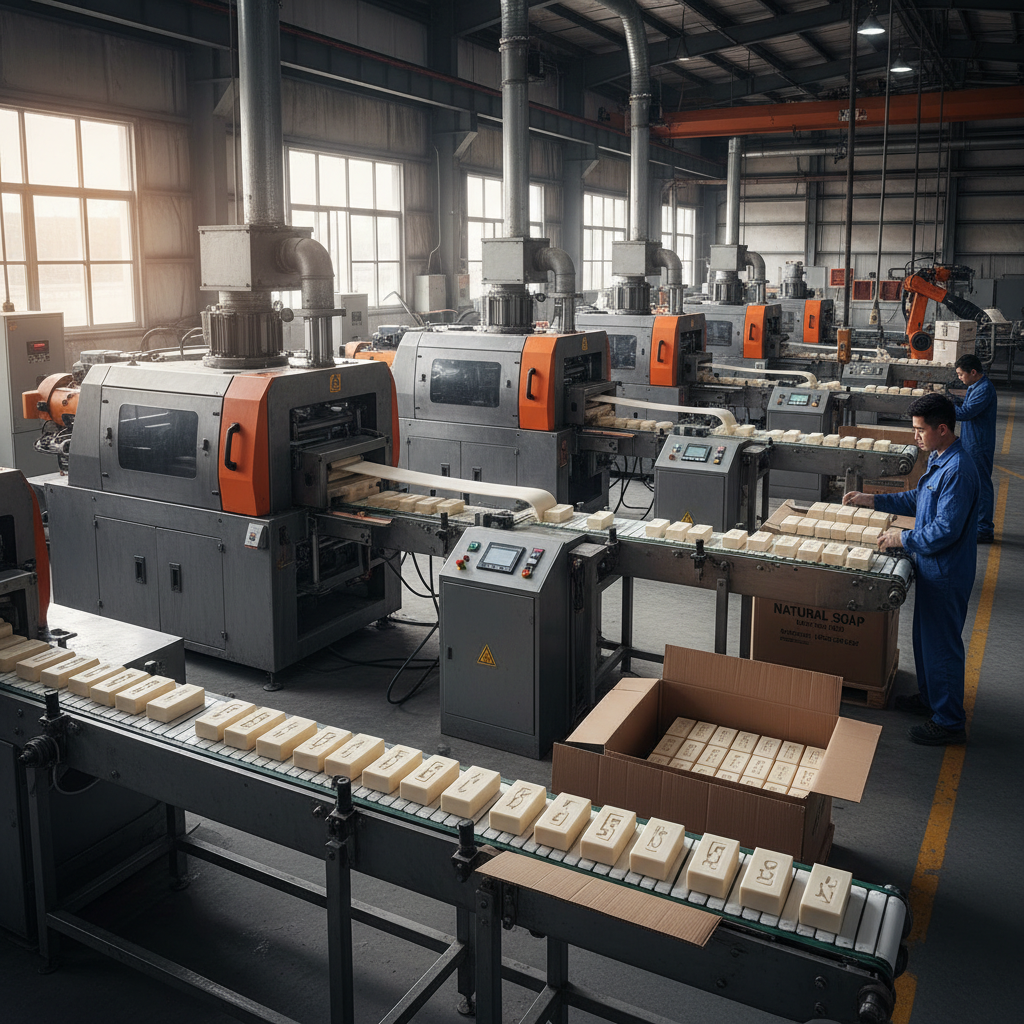
Soap Making Equipment for Beginners: What You Really Need to Know
Having spent over a decade in the industrial equipment sector, I’ve seen a lot of machines come and go — but starting out in soap making? That’s a niche that’s surprisingly inviting yet subtly complex. If you’re just jumping into it, this article is a chat about soap making equipment designed with beginners in mind.
I’ve always believed that understanding the basics before investing in gear saves you a mountain of headaches. Oddly enough, soap making machines blend industrial precision with artisanal flair. For newcomers, getting the right setup isn’t just about capacity or power; it’s about reliability, ease of use, and sometimes the ability to tweak recipes without feeling like you’re piloting a spaceship.
Why Soap Making Equipment Matters
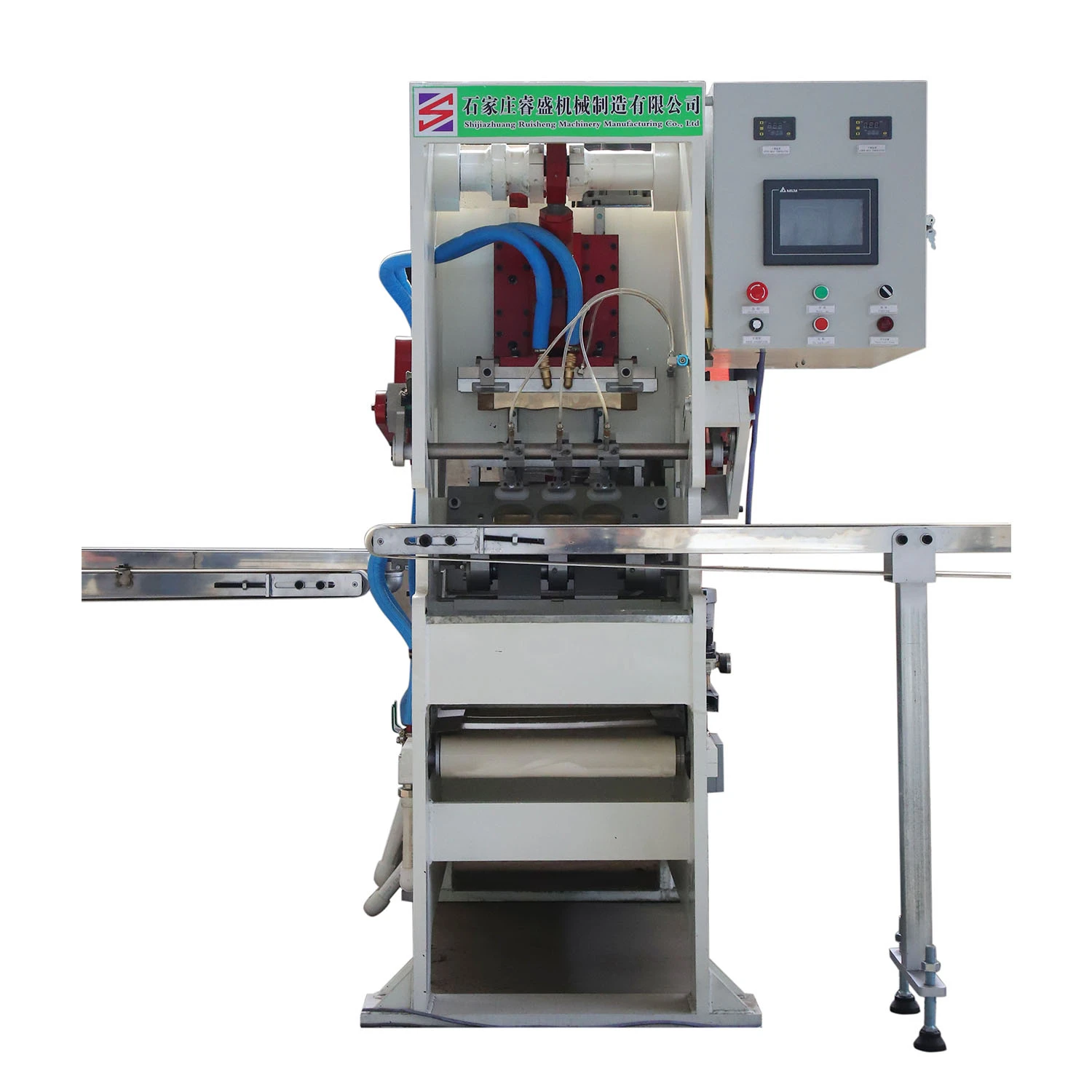
Soap, in real terms, is a chemical dance — oils, lye, and additives come together to create those bars you find everywhere. The equipment needs to be up to the task. Many engineers say the mixer is the heart of the process — it must be efficient enough to blend, but gentle enough to avoid over-aerating the batch. And frankly, if you’re just starting out, a user-friendly control panel can be a lifesaver.
Materials count too. Stainless steel construction is industry standard because it doesn’t react with caustics and is easy to clean — important points that don’t always come up when you’re first browsing options. Safety features are another key area — soap making deals with lye, which can be hazardous.
A Spec Table for Typical Beginner Soap Making Machines
| Feature | Typical Spec | Notes |
|---|---|---|
| Batch Capacity | 10–50 kg | Good starter range for small business |
| Material | 304 Stainless Steel | Corrosion resistance & easy cleaning |
| Mixer Power | 1.5 kW | Sufficient for standard batches |
| Control System | Manual or Semi-Automatic | Ease of operation for beginners |
| Heating Method | Electrical or Steam Jacket | Even temperature distribution |
| Safety Features | Emergency stop, Overheat protection | Essential for workshop safety |
Comparing Beginner-Friendly Soap Making Equipment Vendors
| Vendor | Starter Batch Size | Usability | Price Range | Warranty & Support |
|---|---|---|---|---|
| RS Soap Machine | 10–50 kg | Semi-automatic, intuitive controls | $$$ | 2-year warranty, 24/7 support |
| CleanMix Equipments | 5–30 kg | Manual controls, suitable for hobbyists | $$ | 1-year warranty, limited support |
| SoapPro Industrial | 20–100 kg | Fully automatic, more complex UI | $$$$ | 3-year warranty, full training |
One particular anecdote I love involves a small business owner I met a few years back who started with a 15 kg batch machine—what she appreciated most about her equipment was how it balanced control and simplicity. She could experiment with new fragrances or tweak the hardness of her bars, all without spending hours on complicated setups or cleaning. It reminds me how beginner gear can really empower creativity.
Overall, if you’re just starting out, prioritize machines built from sturdy materials, with manageable batch sizes and good vendor support. It feels like the soap making community values machines that don’t just churn out product but invite learning and experimentation — an odd blend of industrial and personal craft.
Before deciding, visit vendor sites (like RS Soap Machine) for detailed specs and maybe request demos or testimonials. Nothing beats seeing equipment in action or hearing real user stories.
And finally, trust your hands and nose—soap making is as much an art as a science. Machines will assist, but your intuition guides the magic.
Takeaway: Start simple, prioritize quality, and grow your knowledge alongside your machine.
- Industrial standards and safety protocols in soap making equipment
- User feedback from beginner artisans and soap makers
- Material and mixing technology best practices